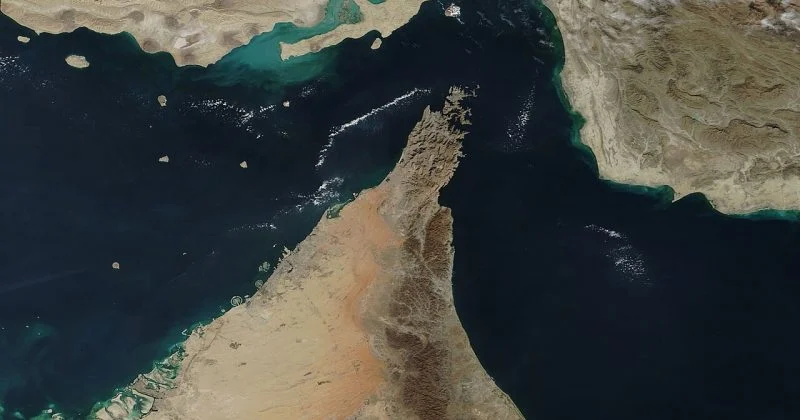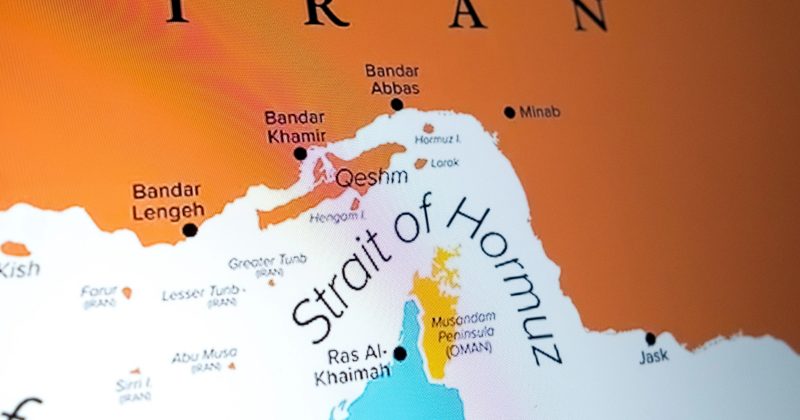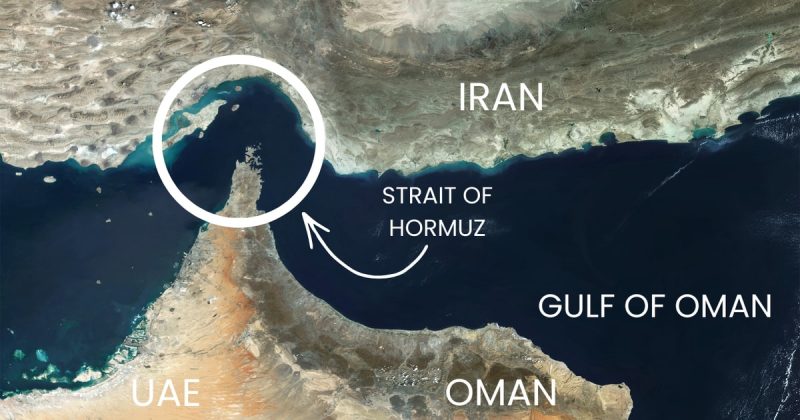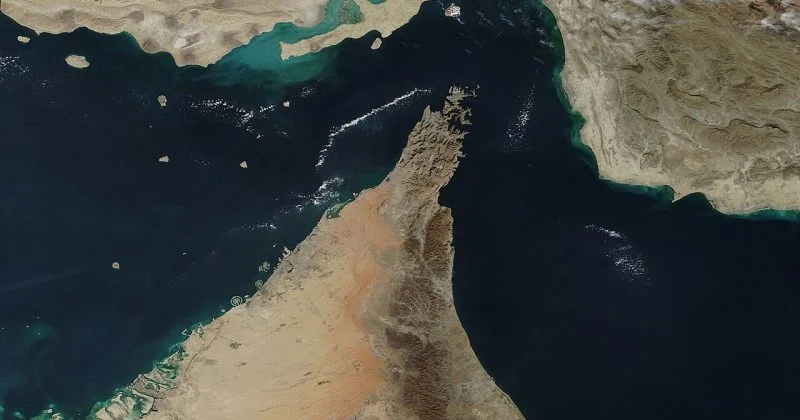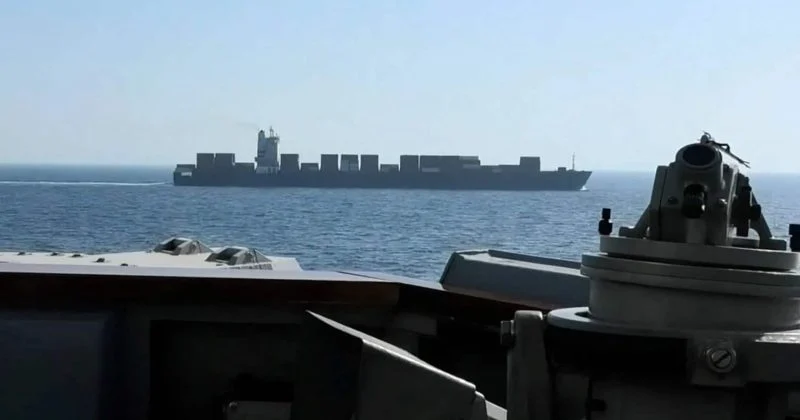
Iran has reaffirmed its determination to maintain control over the Strait of Hormuz, as reported by senior Iranian sources. This strategic maritime passage, which is a key route for global oil and liquefied natural gas trade, remains effectively closed to most commercial shipping. The blockade, initiated by Iran following U.S.-Israeli air strikes in February 2026, has significantly affected global energy markets, driving oil prices higher. The U.S. has responded with a naval blockade of Iranian ports, creating a standoff that has heightened tensions in the region. Markets appear to interpret these developments as supportive of increased oil prices, reflecting concerns over supply disruptions.
Key Takeaways
Iran’s control over the Strait of Hormuz appears to be consistent with potential disruptions in oil supply, which may lead to higher WTI crude prices.
The ongoing blockade and geopolitical tensions suggest markets view the possibility of reaching higher oil prices as more likely.
Current market pricing implies low confidence in WTI crude oil hitting $130 in July, but there is some indication of a potential increase over $90.