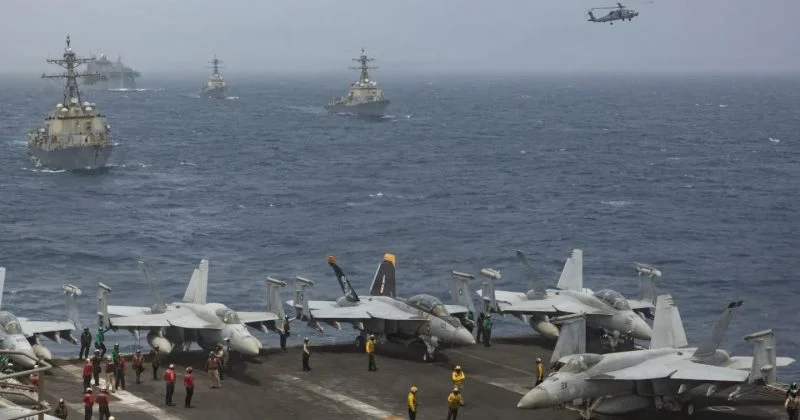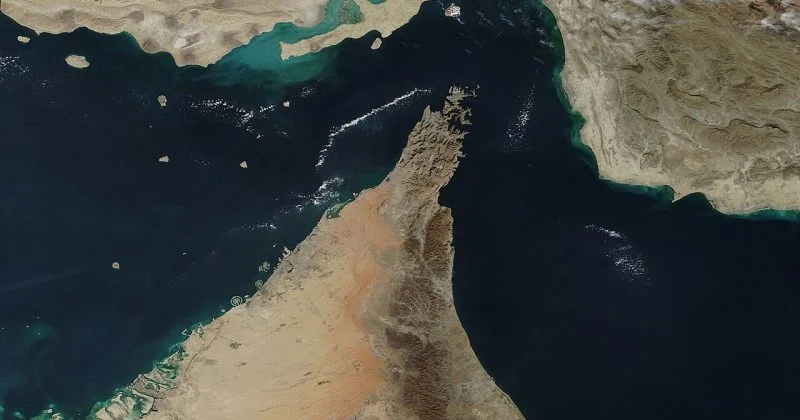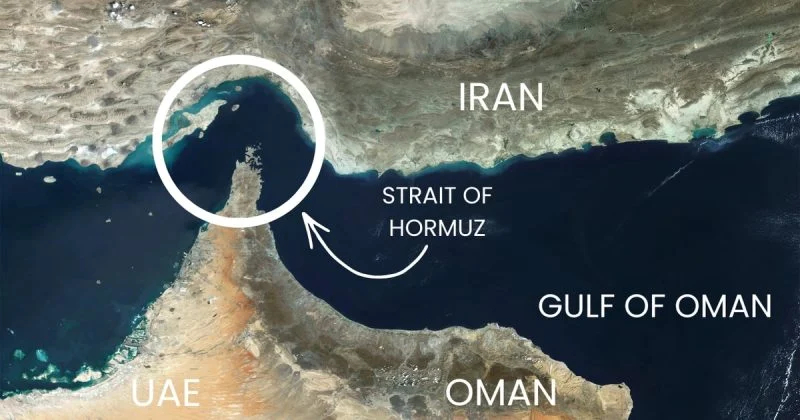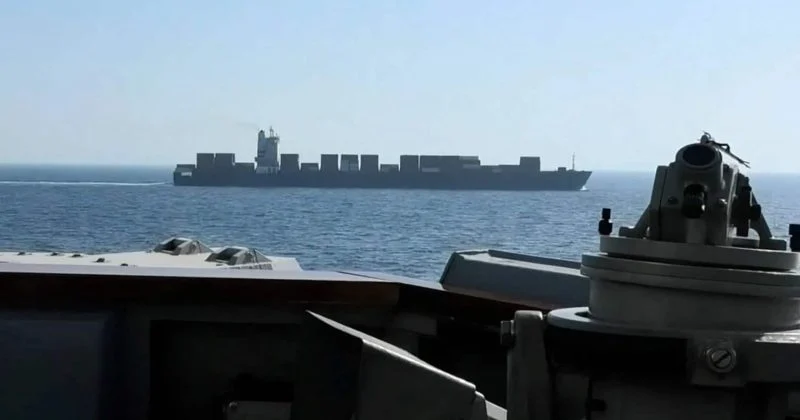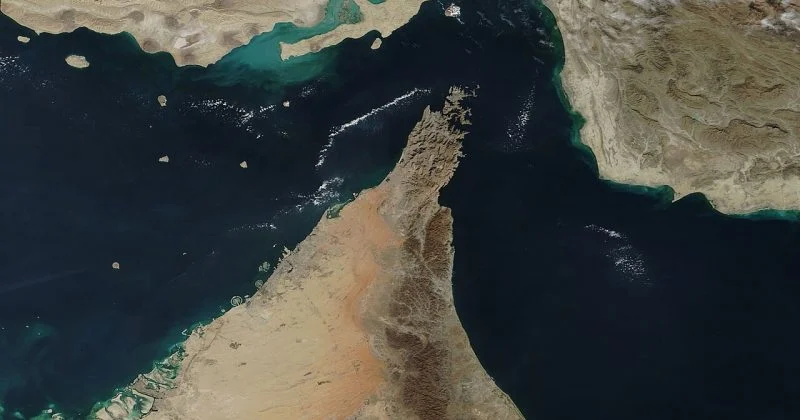
Iran’s Revolutionary Guards have declared the continued closure of the Strait of Hormuz, citing opposition to U.S. actions as the primary reason. This development comes amid ongoing tensions between Iran and the United States, with Tehran demanding the lifting of a U.S. naval blockade before reopening the vital maritime corridor. The Strait of Hormuz is a crucial passageway for global oil exports, and its closure could significantly impact oil prices. Markets appear to interpret this as a potential driver for increased oil prices, with the likelihood of WTI Crude Oil hitting higher price targets in July 2026 gaining traction.
The situation has led to volatility in prediction markets concerning oil prices. Current pricing suggests an increase in the probability of WTI Crude Oil hitting $90 per barrel in July, with a notable rise to 29.6% YES. The closure of the strait, coupled with potential disruptions in the oil supply chain, may push prices further upwards. Activity reflects these concerns, with significant volume observed in markets related to WTI Crude Oil price targets.
The geopolitical standoff remains a key area of focus for market observers, particularly with the approaching deadline for the U.S. to lift its blockade. The dynamics between Iran’s strategic decisions and U.S. diplomatic actions could have far-reaching implications for oil markets and global energy supply.