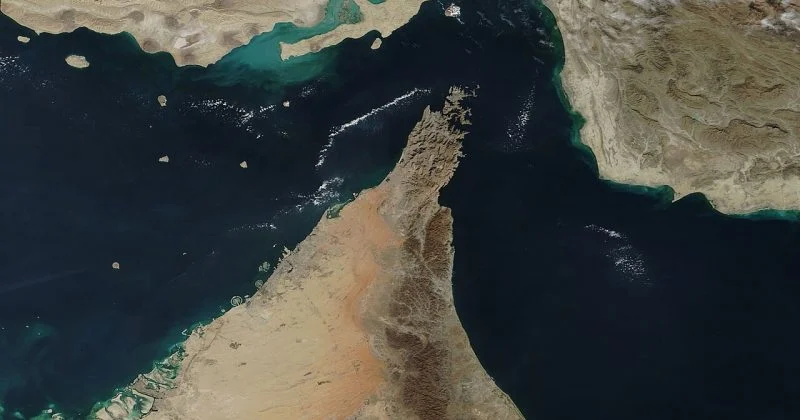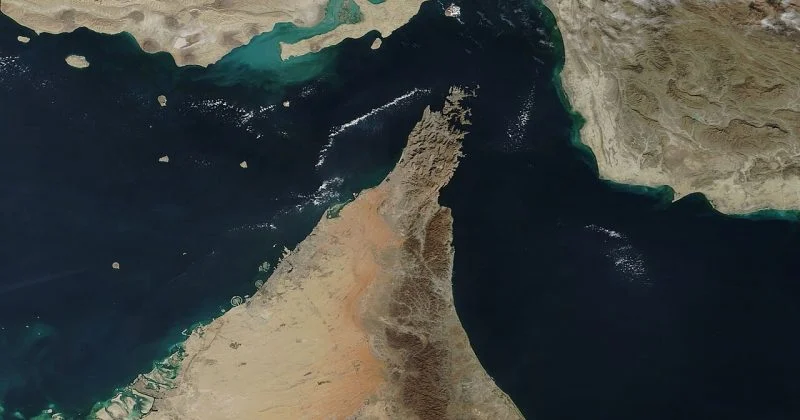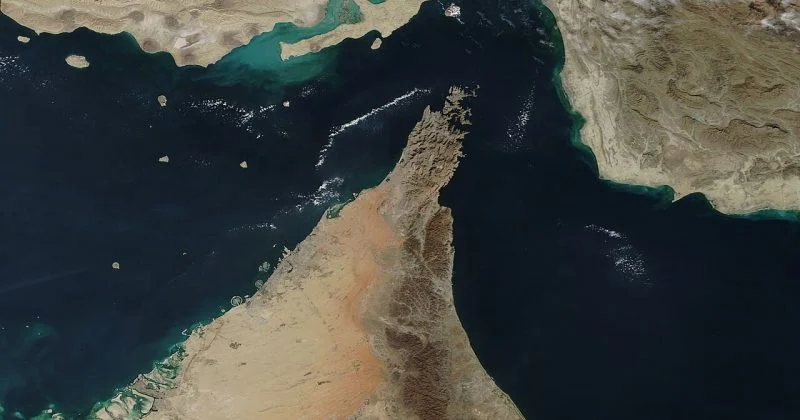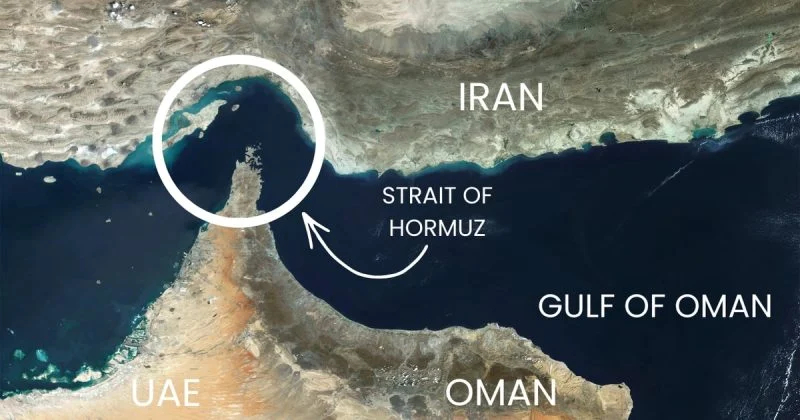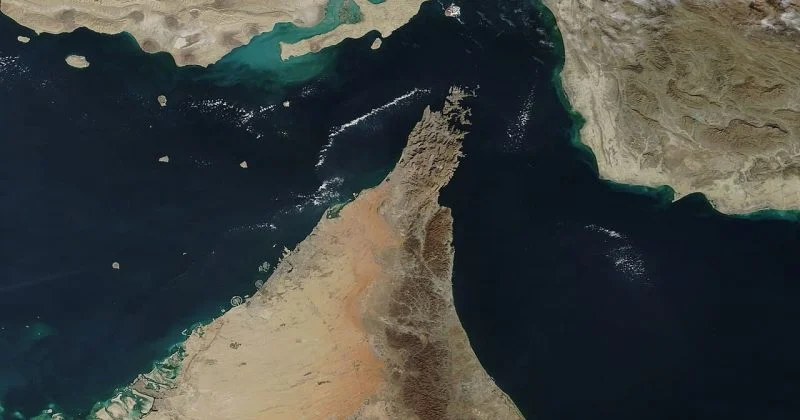
Iran’s Revolutionary Guard has re-closed the Strait of Hormuz, significantly impacting global oil trade and causing crude prices to rise. This strategic chokepoint, through which approximately 20% of the world’s crude oil passes, has become a flashpoint amid escalating tensions between Iran and the United States. The closure has pushed Brent crude prices up to $86.44 per barrel, marking a 2% increase as markets react to the potential for sustained supply disruptions. The Federal Reserve’s recent hawkish stance, indicating a slower pace of rate cuts, adds to the complex economic backdrop.
In response to these developments, market participants appear to be adjusting their expectations for oil prices. The likelihood of West Texas Intermediate (WTI) crude oil reaching $90 in July has increased, now priced at 26.5% YES, reflecting concerns about prolonged supply constraints. Meanwhile, the probability of the Strait of Hormuz traffic returning to normal by July 31 remains low, with only 1.4% YES, as the geopolitical situation continues to evolve.
Key Takeaways
Market activity suggests participants are accounting for the potential of sustained oil price increases, with WTI crude oil hitting $90 in July priced at 26.5% YES.