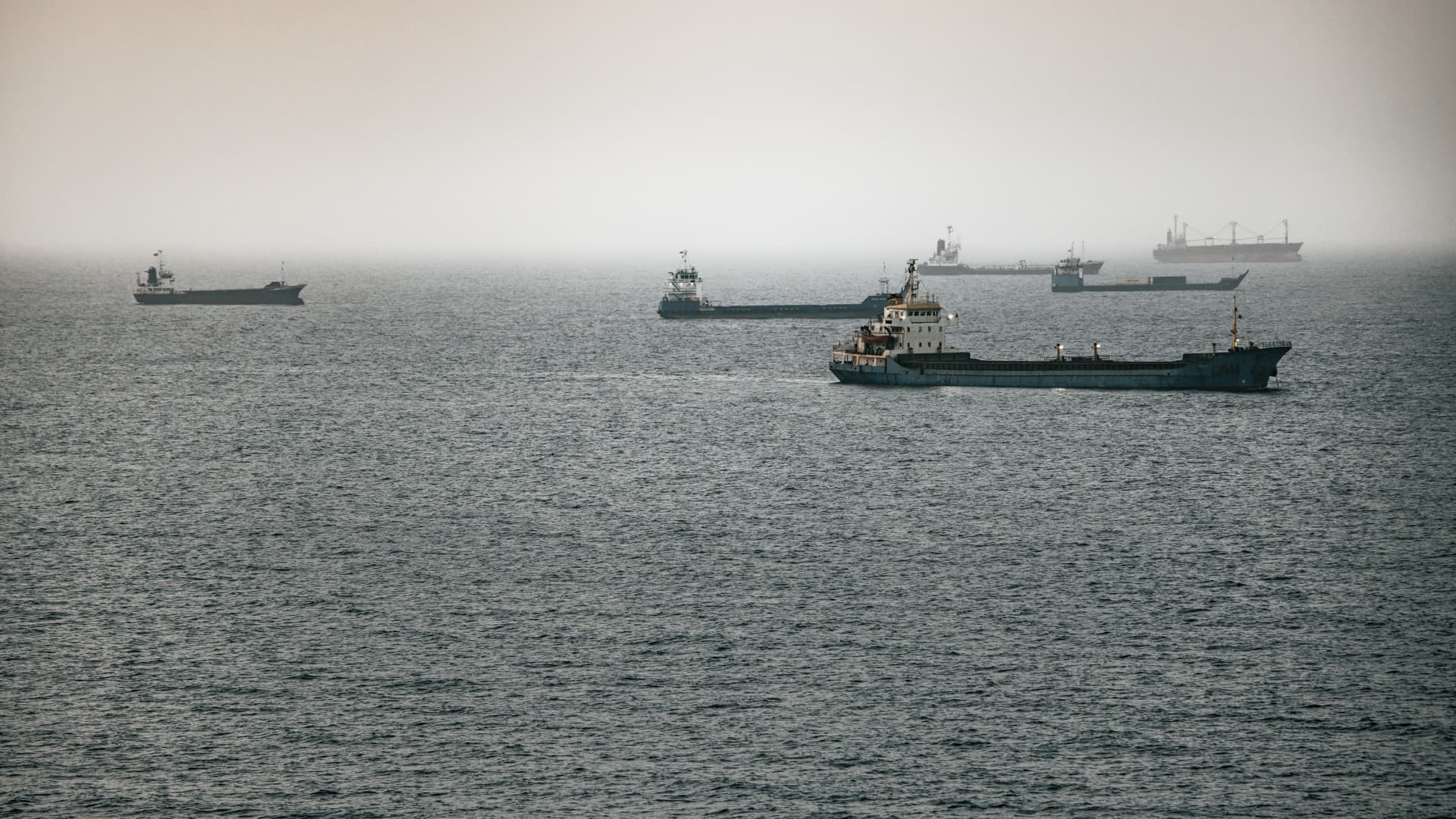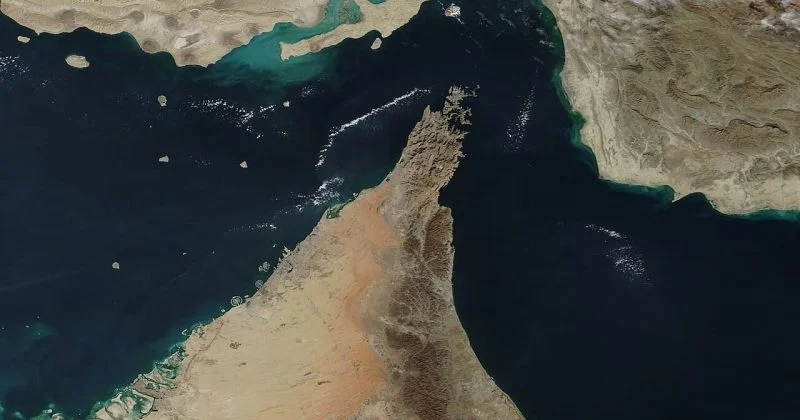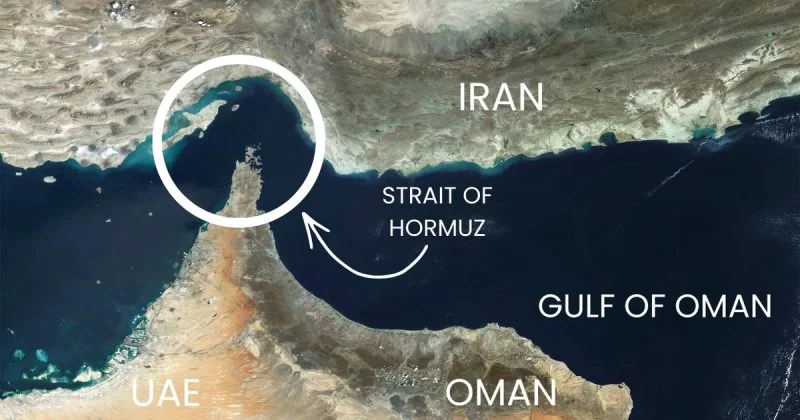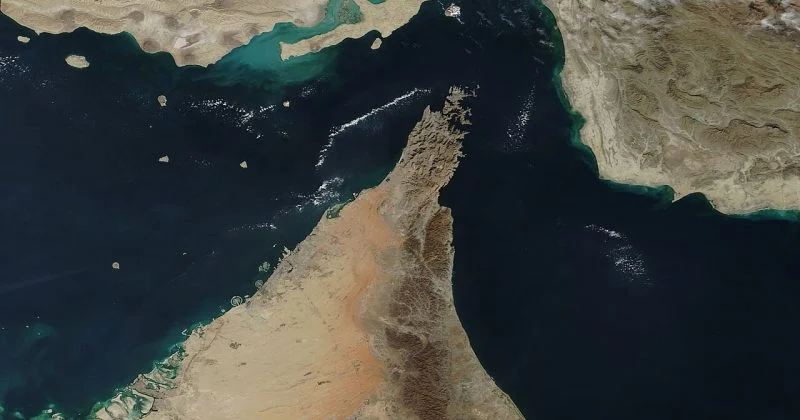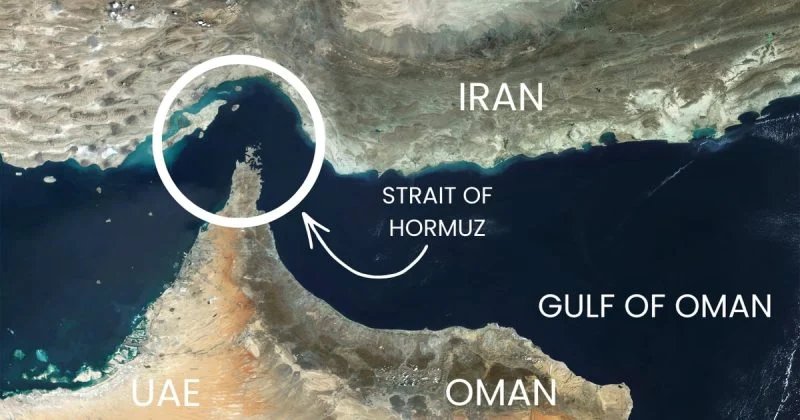
Iran’s control over the Strait of Hormuz is exerting significant influence on global oil markets, with Brent crude futures rising by 2.1% to $75.26 per barrel and U.S. crude reaching $71.92 per barrel. The strategic waterway, which facilitates approximately 20% of the world’s oil and natural gas trade, has seen disruptions since late February 2026 following military actions by the U.S. and Israel. Iran’s actions, including instructing tankers to reroute and imposing tolls, have effectively closed the strait, exacerbating supply concerns. The International Energy Agency’s release of 400 million barrels from reserves has provided some relief, but this buffer is expected to be exhausted soon, potentially maintaining elevated oil prices.
Key Takeaways
Market pricing suggests increased likelihood of WTI Crude Oil hitting higher price targets in July 2026, reflecting concerns over ongoing disruptions in the Strait of Hormuz.
The assertion of control by Iran is consistent with scenarios that could drive oil prices higher, despite existing global supply strategies.
Current market behavior appears to reflect heightened sensitivity to geopolitical developments in the Middle East, particularly around critical shipping routes.