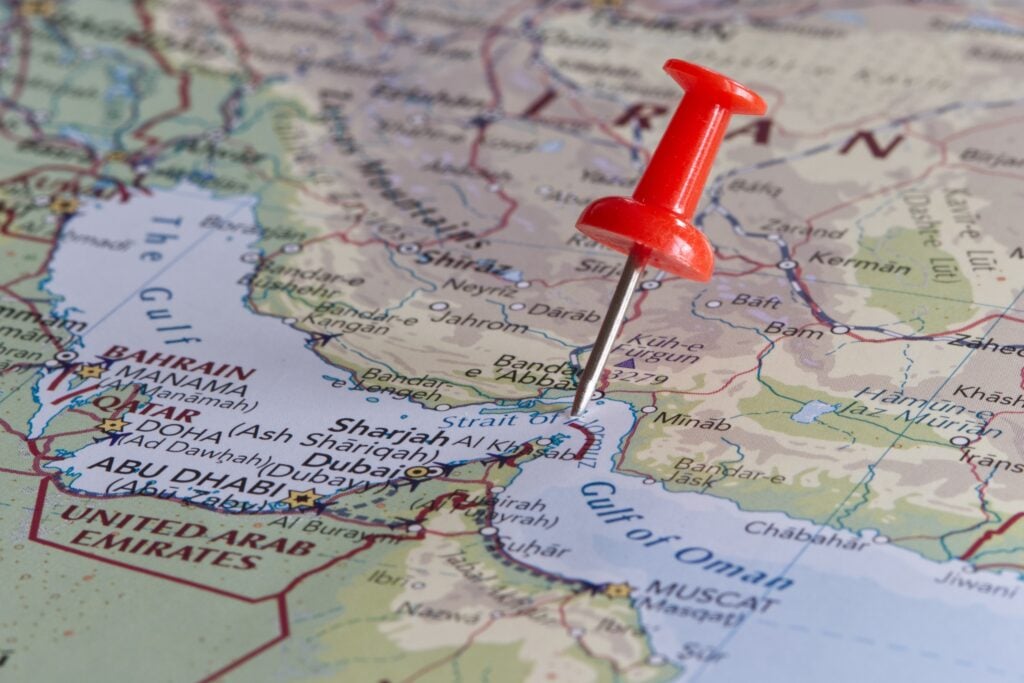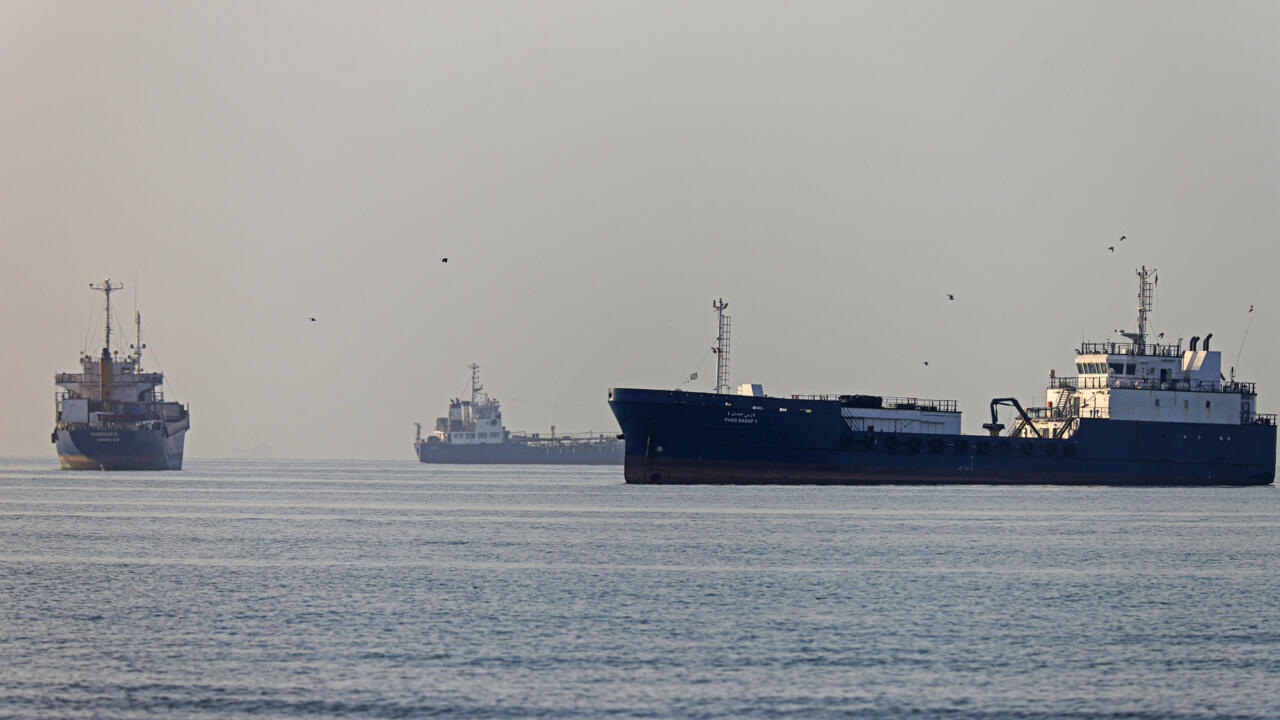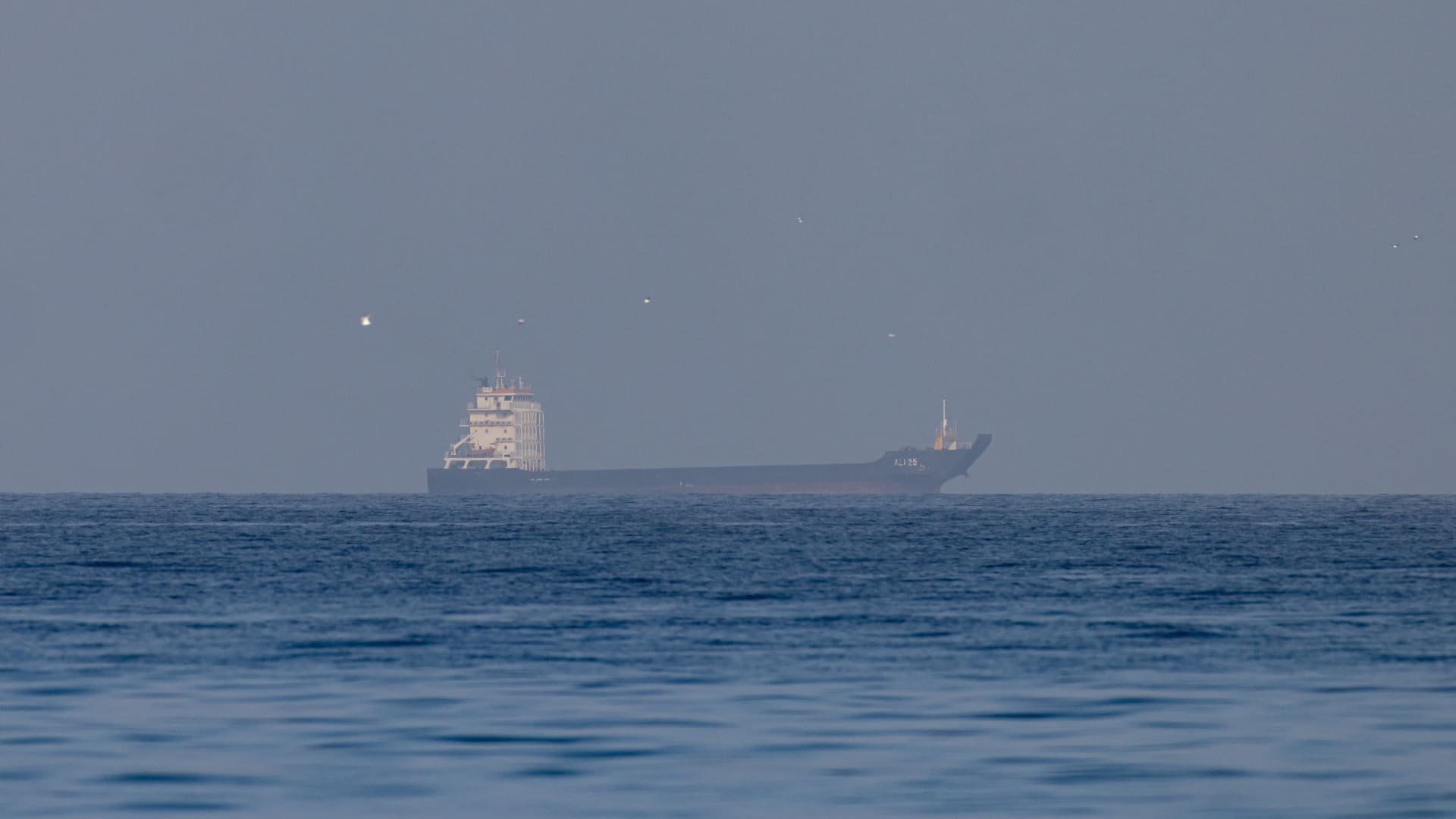
The memorandum of understanding that the U.S. and Iran have endorsed will fully reopen the Strait of Hormuz on Friday, but unwinding the biggest oil disruption ever will take longer than creating it.
In a span of just three months, global supplies lost about 2 billion barrels of oil, forcing top energy-consuming countries to tap reserves at record rates and impose rationing.
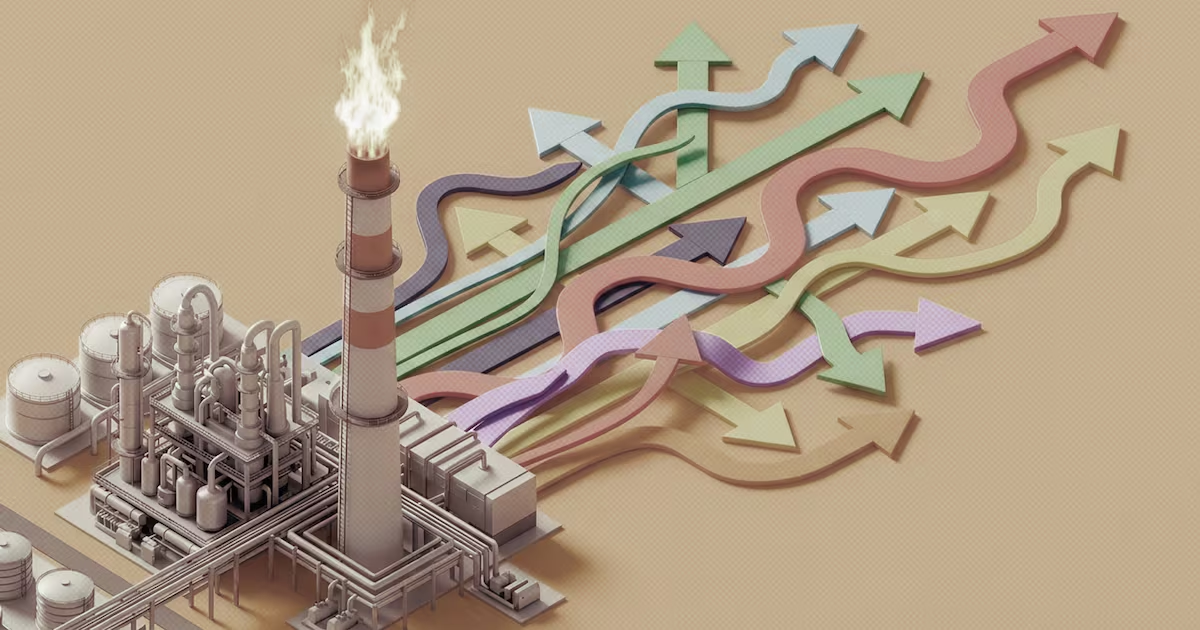
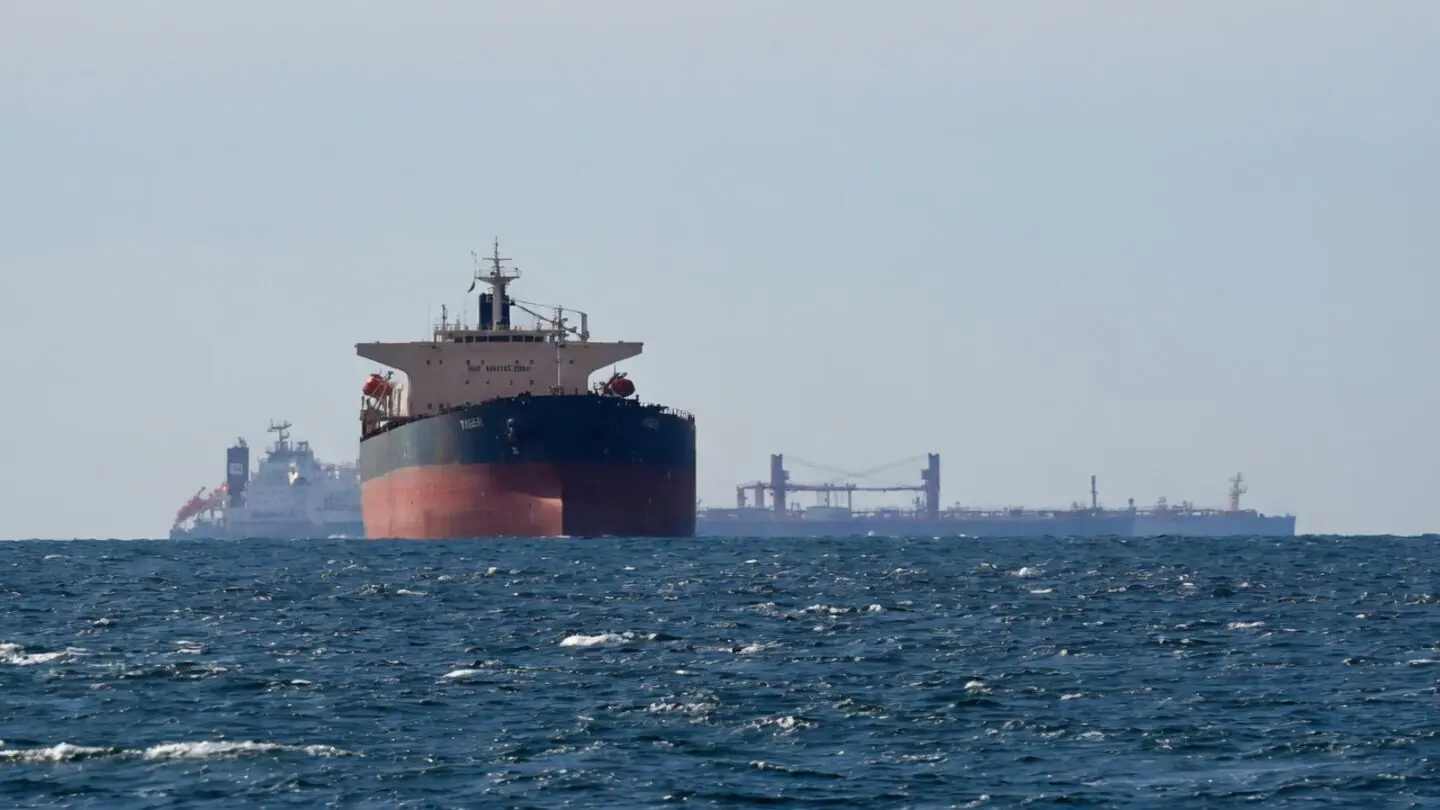
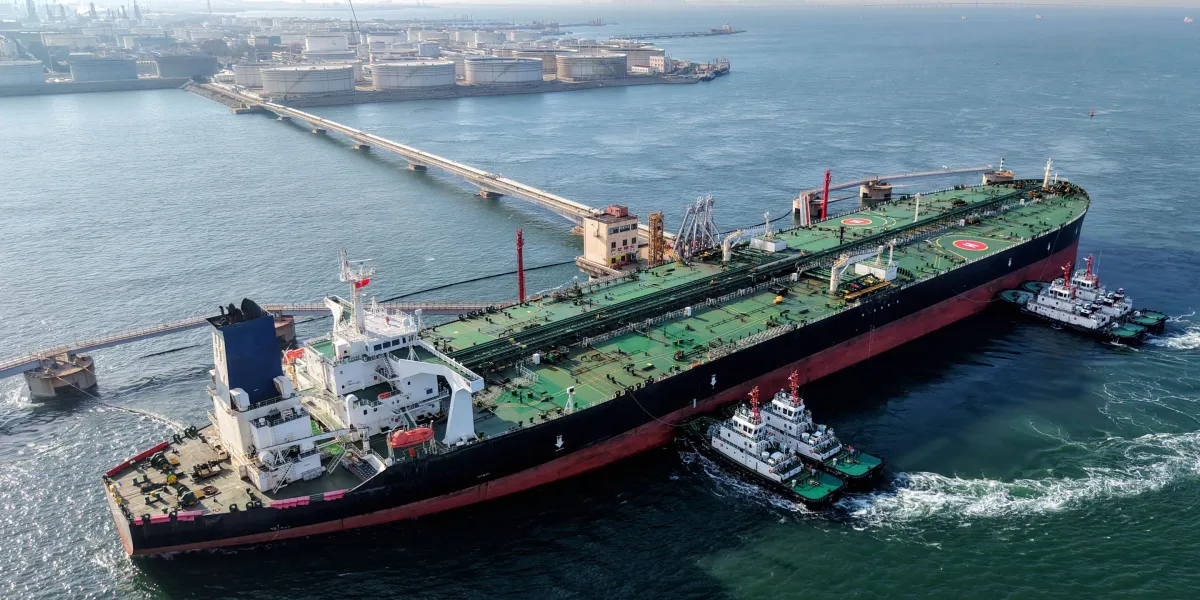
While energy markets have been surprisingly resilient, prices still soared and chaos ensued. Oil has been diverted, drilling shut down, other suppliers stepped up exports, and thousands of tankers were rerouted to different ports.
With the Strait of Hormuz due to reopen, Wall Street is watching to see how quickly traffic will rebound, especially given the risks of underwater mines and renewed fighting.
“What’s more, even if ships now have safe passage, tankers are in the wrong place and questions over the cost and availability of insurance for ships traversing the Strait will remain,” said Jason Tuvey, deputy chief emerging markets economist at Capital Economics, in a note on Monday. “Our working assumption is that ~80% of energy flows will resume by the end of Q3 but a return to ‘normal’ could stretch into 2027.”