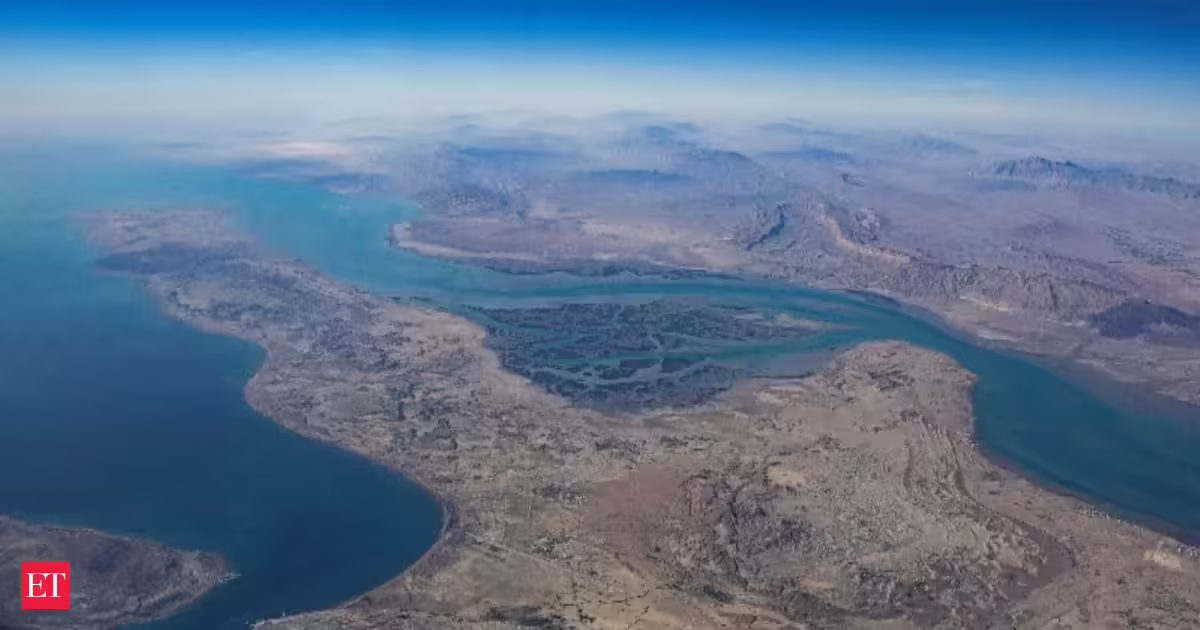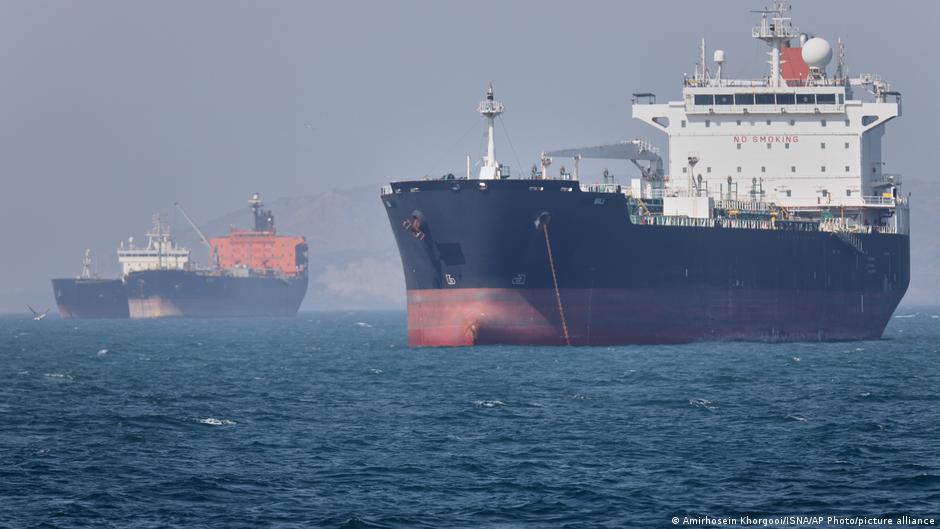
The U.S. and Iran signed a long-awaited “memorandum of understanding” on June 17, pausing a Middle East conflict that upended global oil markets. As part of the deal, Iran agreed to reopen the Strait of Hormuz, the waterway that leads to the Persian Gulf and home to some of the region’s top oil producers. Iran’s decision to close the strait, as well as a U.S. blockade of Iranian oil and Iranian attacks on energy-producing infrastructure, curtailed global fuel supplies.
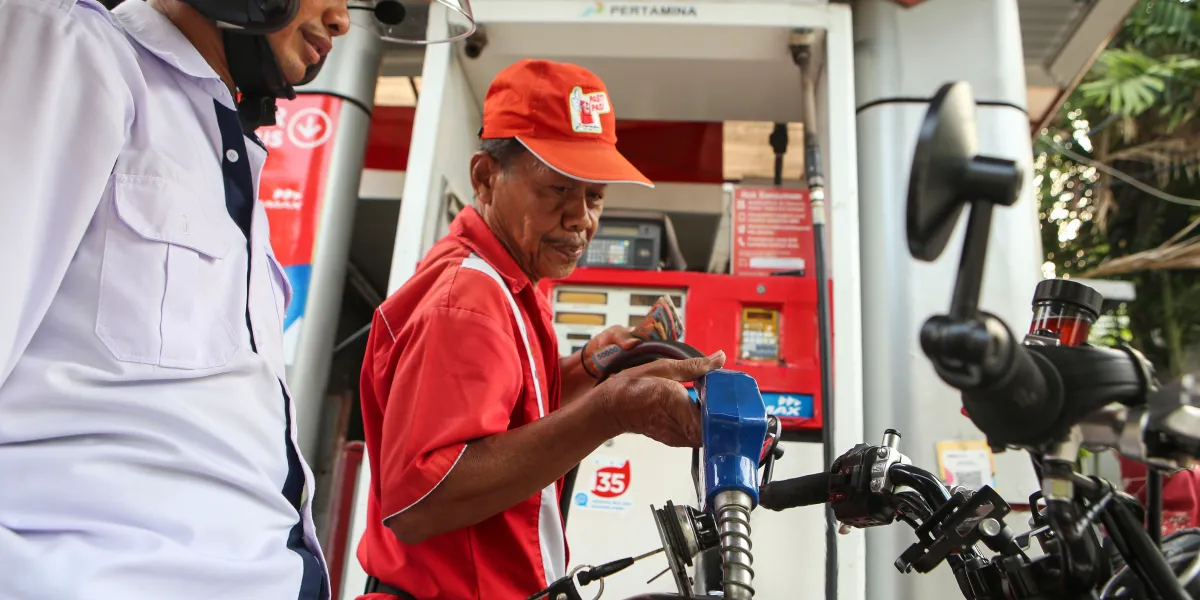
The crisis was particularly hard on emerging markets in Southeast Asia: Governments were forced to put in place four-day work weeks, ration diesel, reactivate coal plants, accelerate ethanol blending programs and curb crude exports. Philippine President Ferdinand Marcos Jr. even declared a state of national energy emergency in late March.
Yet, experts caution that even with the Strait of Hormuz open, it would take months for oil flows and prices to return to pre-war levels.
“The oil supply will not flip right back,” Chen Chien-Ming, an associate professor of operations management at Singapore’s Nanyang Technological University (NTU), tells Fortune. “A tanker’s round trip between Singapore and the GCC can easily take one to two months, while many Asian countries are already facing multi-year-low stockpiles and soaring prices.”