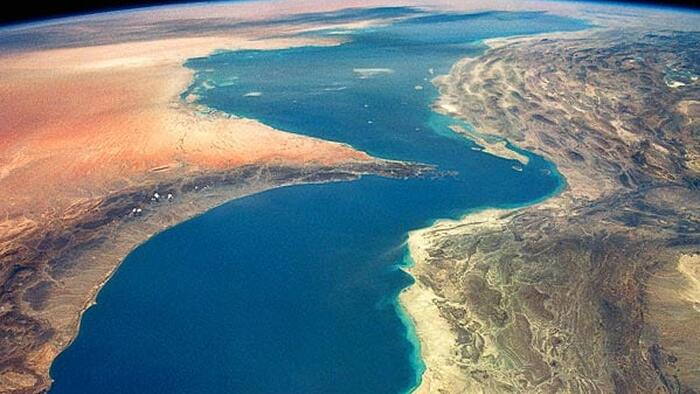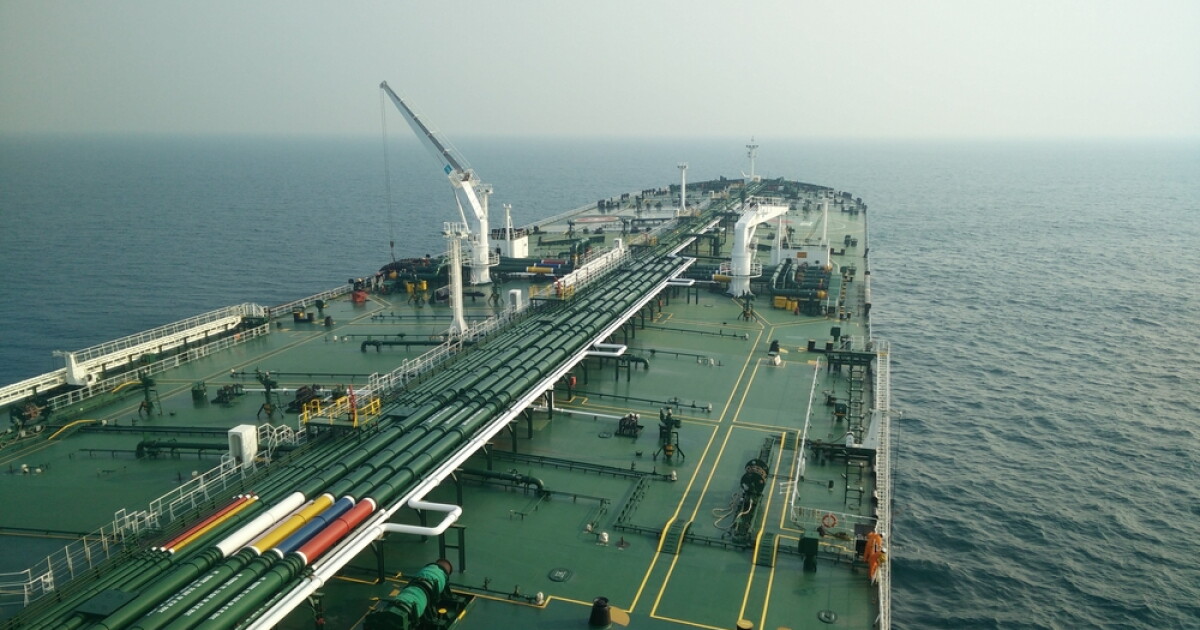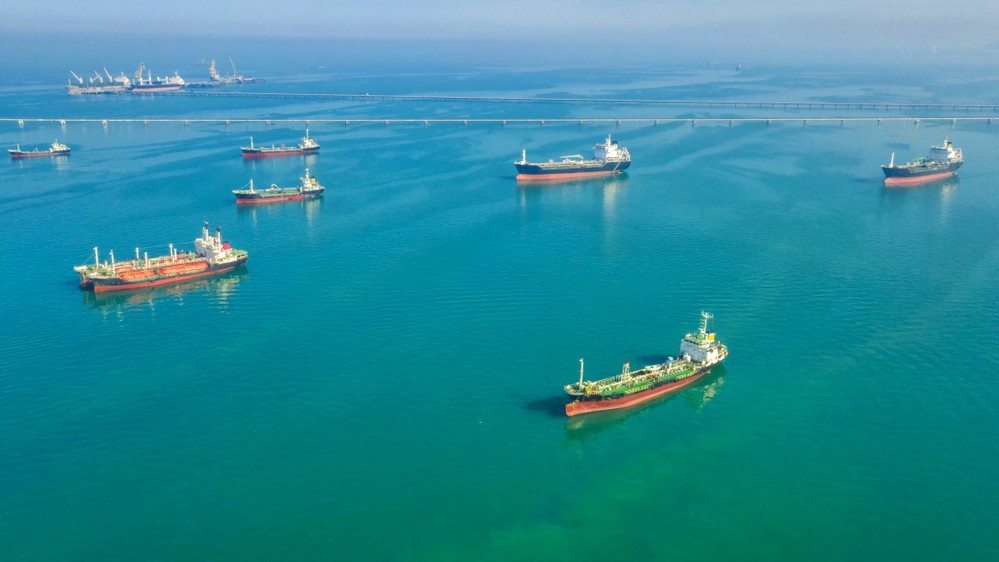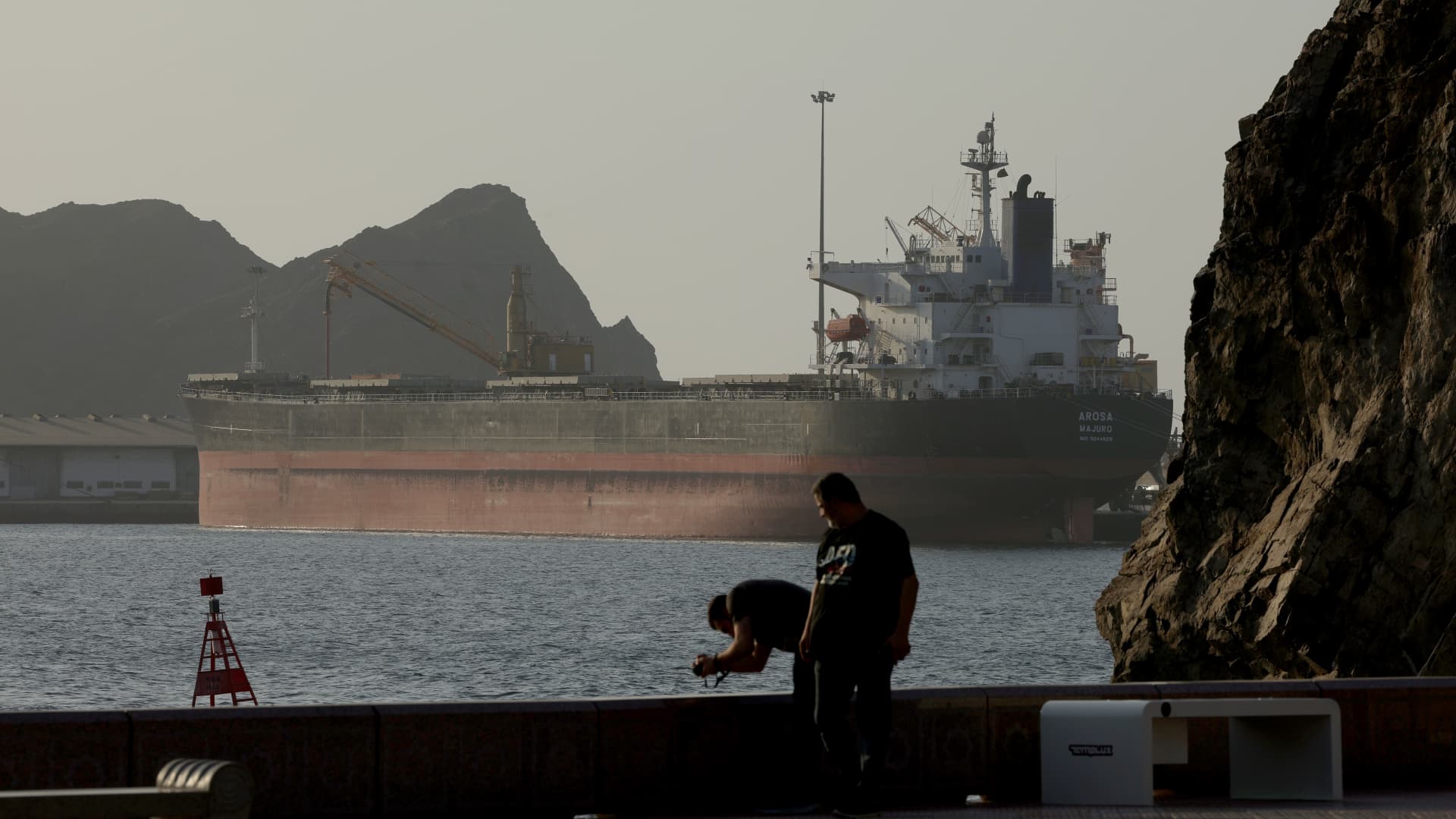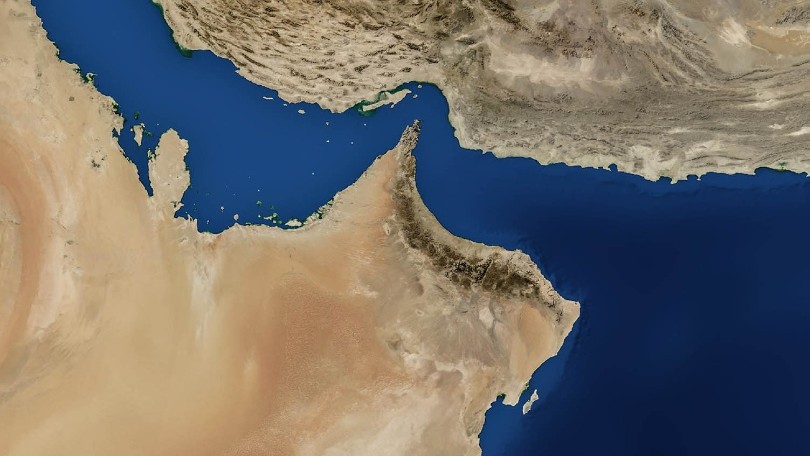
Non-Iranian oil flows through the Strait of Hormuz have surged by about 50% so far in June, as Persian Gulf producers find ways to move cargoes through the strategic waterway despite ongoing tensions between Washington and Tehran, Bloomberg reported on Friday.According to data from Vortexa Ltd. cited by Bloomberg, at least 1.8 million barrels per day (bpd) transited out of the Persian Gulf during the first 10 days of June, up from about 1.2 million bpd in May. The data may be revised higher as additional tanker movements are identified through satellite-image analysis, the report said.In contrast, Iranian oil shipments through the corridor have fallen sharply. Bloomberg reported that no Iranian oil transited the strait during the period, according to Vortexa data, as a US-imposed blockade continues to restrict Tehran's exports.The Strait of Hormuz has remained at the centre of the conflict since US and Israeli strikes began in late February, prompting Iran to tighten its control over the passage. However, the reported added that the effectiveness of that control appears to be weakening as so-called "dark" transits — voyages conducted without active tracking signals — become more common.Even so, current flows remain well below pre-war levels of around 20 million barrels a day of crude oil and petroleum products."Transiting through the strait without AIS signals has become the new norm," Xavier Tang, senior market analyst at Vortexa, told Bloomberg, referring to the transponders ships use to broadcast their locations and identities.The increase in shipments has also influenced market sentiment. Bloomberg reported that Brent crude futures showed little reaction after Tehran's Persian Gulf Strait Authority declared the waterway closed on Thursday, in contrast to the 13% price spike that followed Iran's first shutdown of Hormuz earlier in the conflict.It said that the market may be taking confidence from what US President Donald Trump has described as a secret project that helped roughly 100 million barrels of oil clear the strait since last month. If accurate, that would amount to at least 2.4 million barrels a day since the start of May.The rise in Gulf oil exports, combined with weaker Chinese crude imports and releases from emergency reserves, has contributed to a decline of nearly one-third in oil prices from the highs seen during the peak of the conflict, Bloomberg reported.So far, the renewed hostilities between the US and Iran have not directly affected regional energy infrastructure. However, traders remain focused on whether vessels can continue transiting the strait following Iran's latest declaration regarding a closure of Hormuz.Meanwhile, according to the report, the US has intensified actions against vessels it says are attempting to access Iranian ports. US Central Command said this week that it disabled two ships in the Gulf of Oman for allegedly trying to breach the blockade in place since mid-April, while a third vessel suffered an engine-room fire on Thursday.
Hormuz oil traffic rebounds as Gulf exporters find workarounds: Report
Oil shipments through the Strait of Hormuz are increasing for non-Iranian producers. This surge occurs despite ongoing tensions between Washington and Tehran. Iranian oil exports have significantly decreased. This situation impacts global oil prices. Traders are closely watching future transits. The US continues actions against vessels approaching Iranian ports.
TL;DRAI
Persian Gulf oil exports surged 50% in June to 1.8M bpd as producers shift to dark transits, bypassing Iran's blockade. Oil price decline of a third reflects trader confidence that supply chains will adapt through operational workarounds despite US-Iran tension.
473 words~2 min read