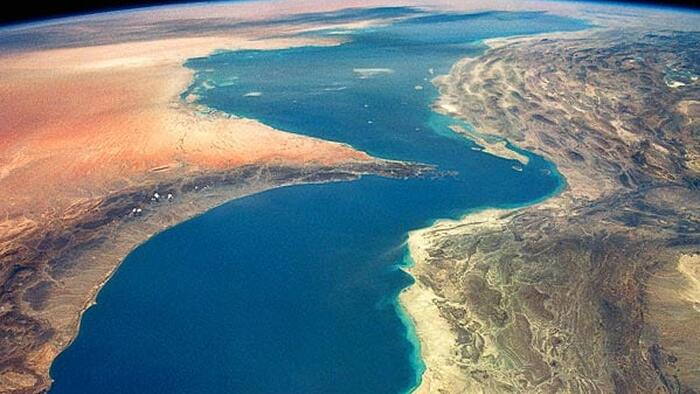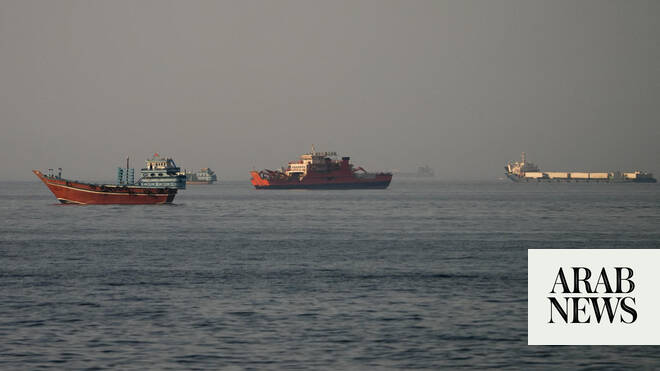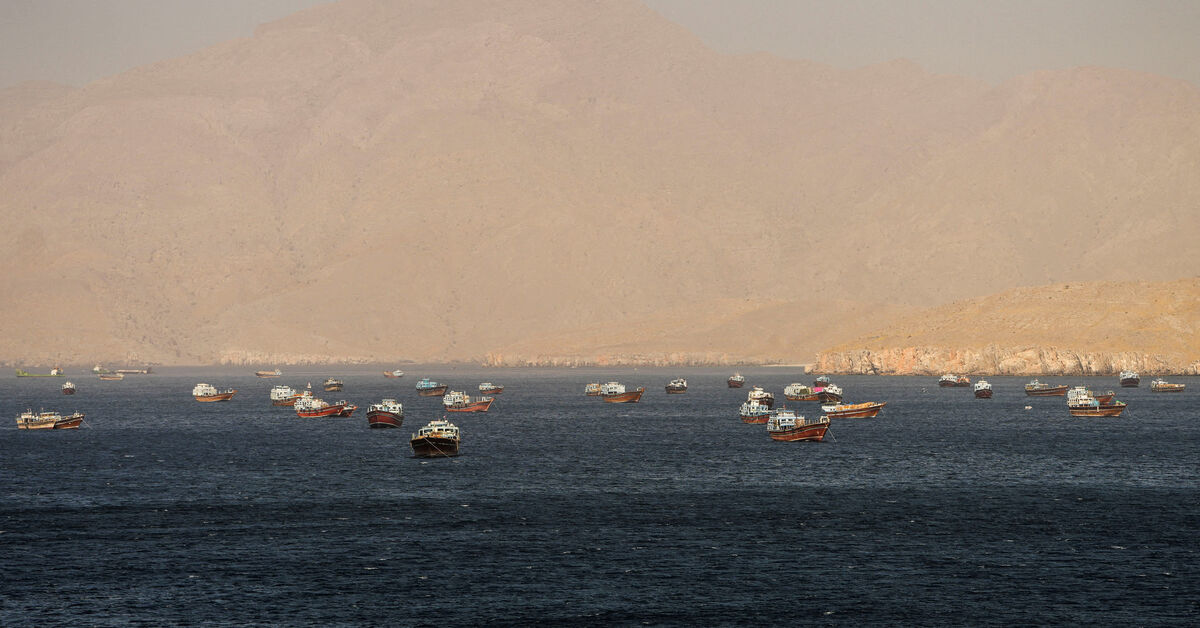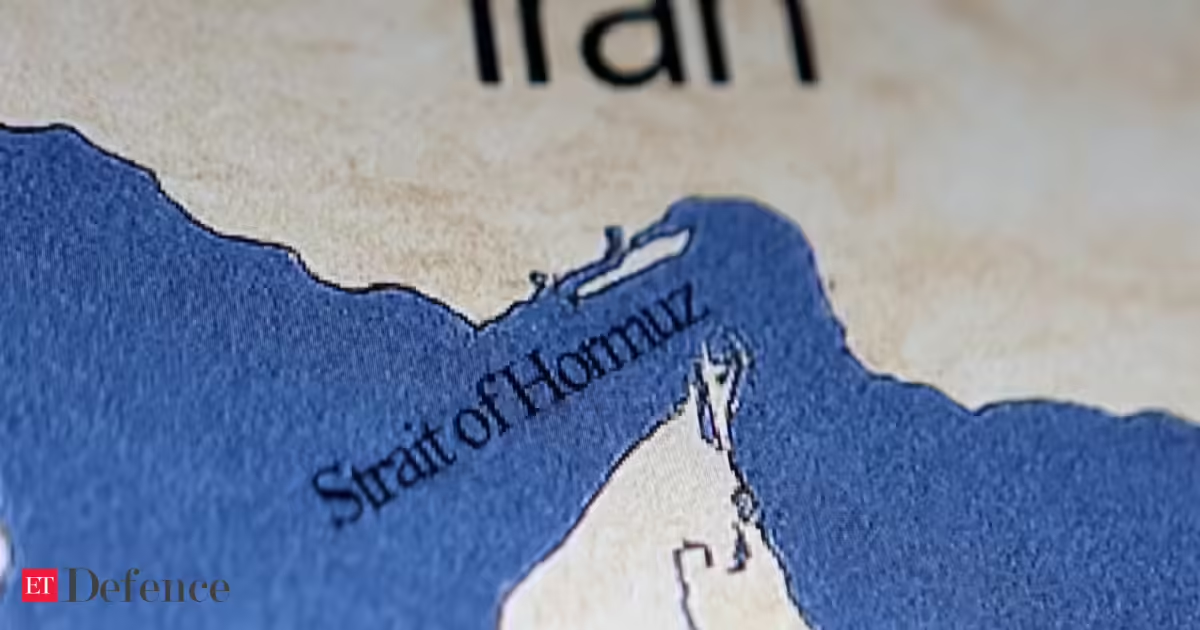
While the vast majority of oil and LNG cargoes that used to pass through the Strait of Hormuz remain stalled amid dueling Iranian and US blockades, more tankers have found a way through. The terms of transit remain hazy, and whether the crossings continue as fighting between the US and Iran threatens to resume is anyone's guess. But the transits show there are ways to get at least some Hormuz volumes to market, at least for those suppliers willing to pay the price. US President Donald Trump claimed this week that the US has enabled the passage of more than 200 commercial vessels, including the transport of more than 100 million barrels of oil, to pass through the strait since launching a "secret mission" last month. While his claims could not be verified, a seemingly growing number of cargoes have successfully crossed. Energy Intelligence estimates some 2.7 million barrels per day of crude and products will make it through in June, up from an estimated 1.2 million b/d in May. Estimates vary, but all would represent just a fraction of the roughly 16 million b/d of oil supplies absent the market since the US and Israel attacked Iran Feb. 28. US Energy Secretary Chris Wright told a Washington conference this week that traffic through the strait is rising "very meaningfully," but warned it would take "many months" for oil flows to return to prewar levels. But the situation is changing fast, with Iran warning on Jun. 11 that Hormuz will be "closed until further notice" following recent US strikes in the region and that "applicants who have received a pass are asked to be patient."
More Tankers Risk Hormuz Transit, But Terms Hazy
Iran appears to be letting tankers through on a case-by-case basis as it exploits its newfound leverage over the Mideast Gulf's oil and LNG exports.
275 words~1 min read