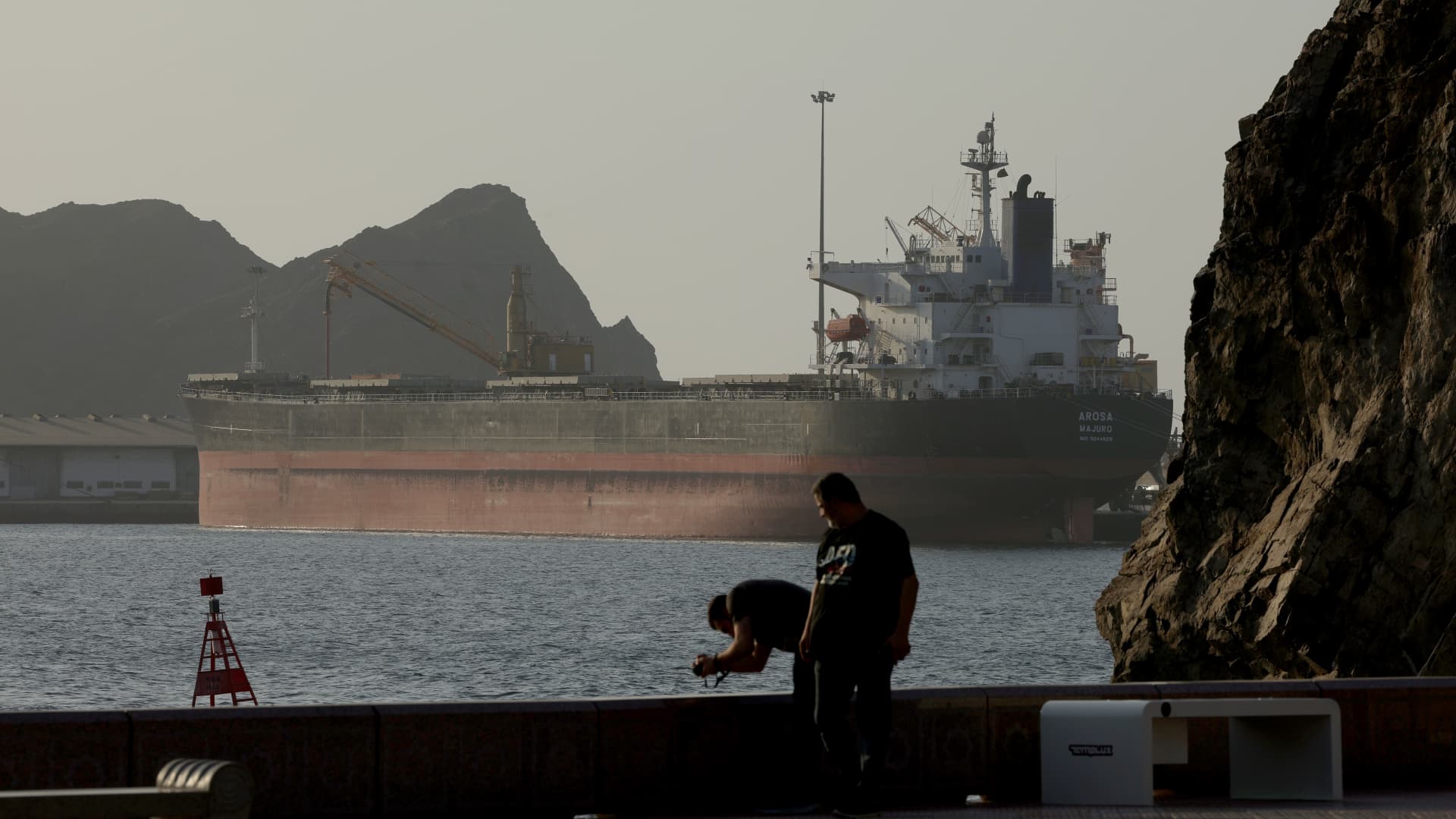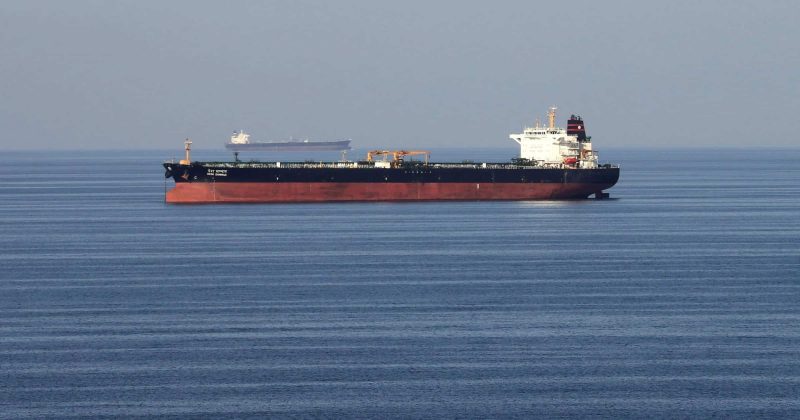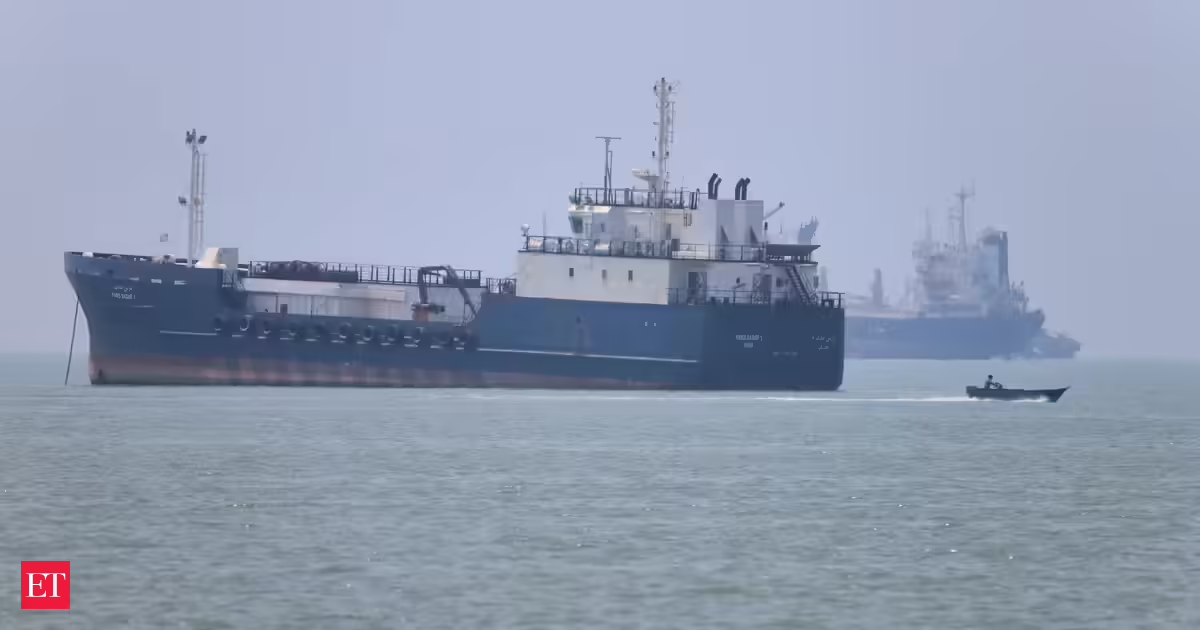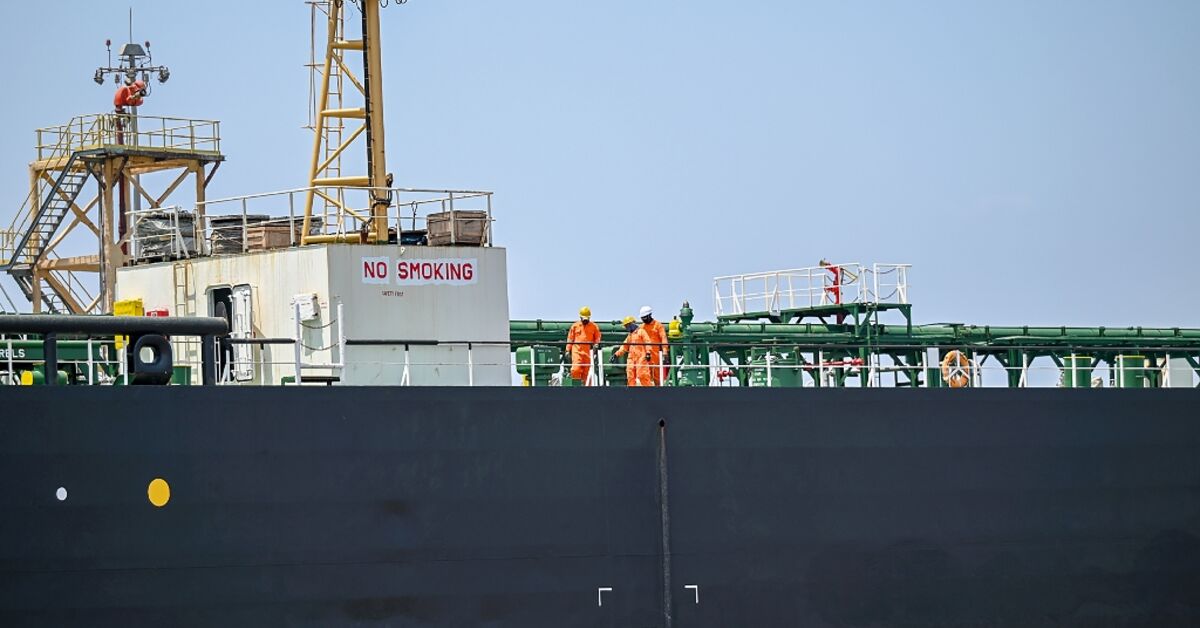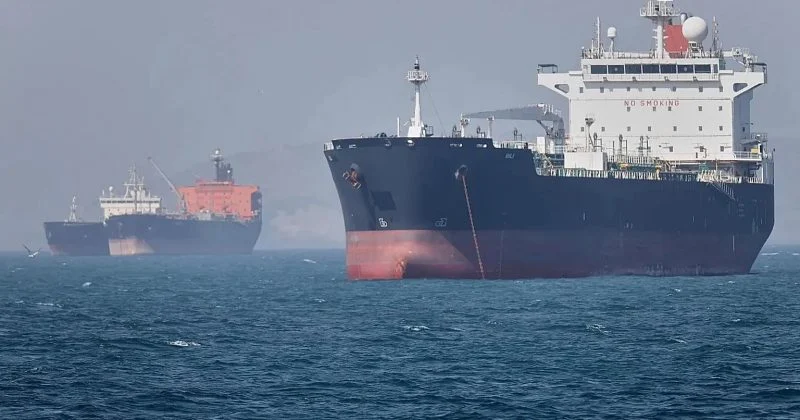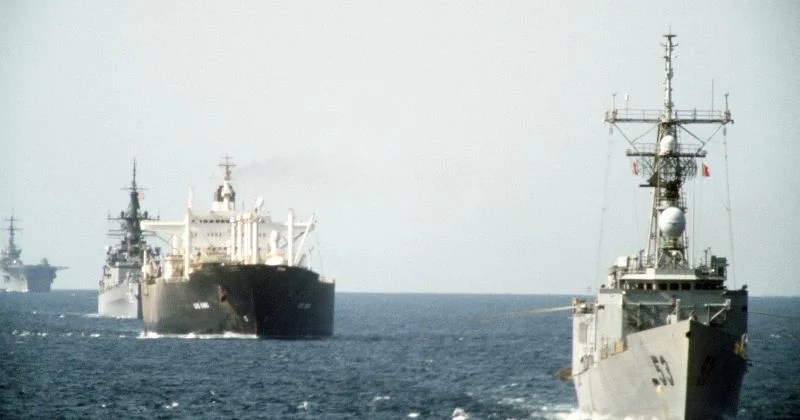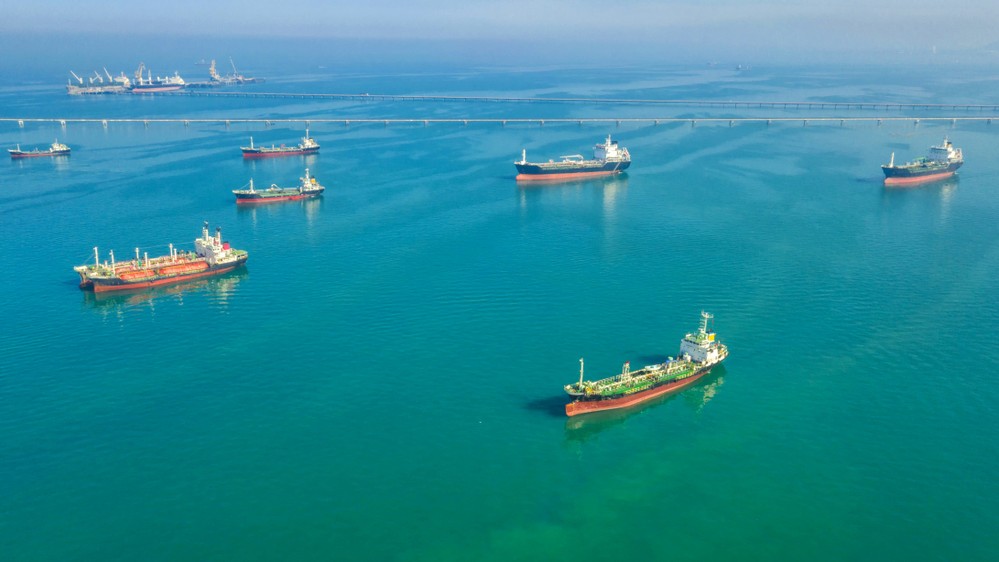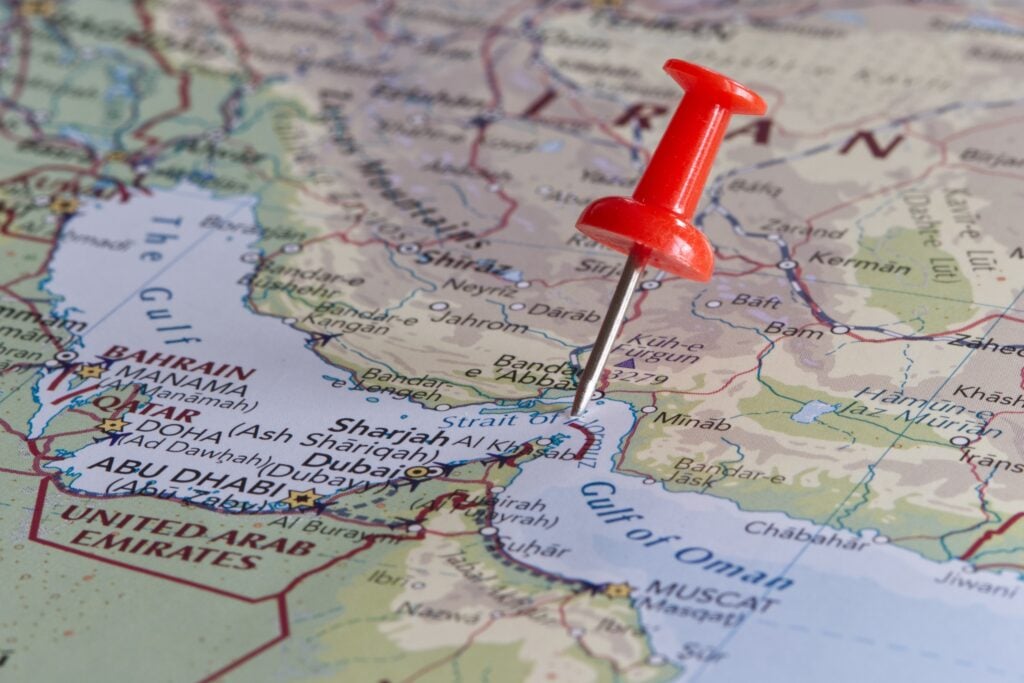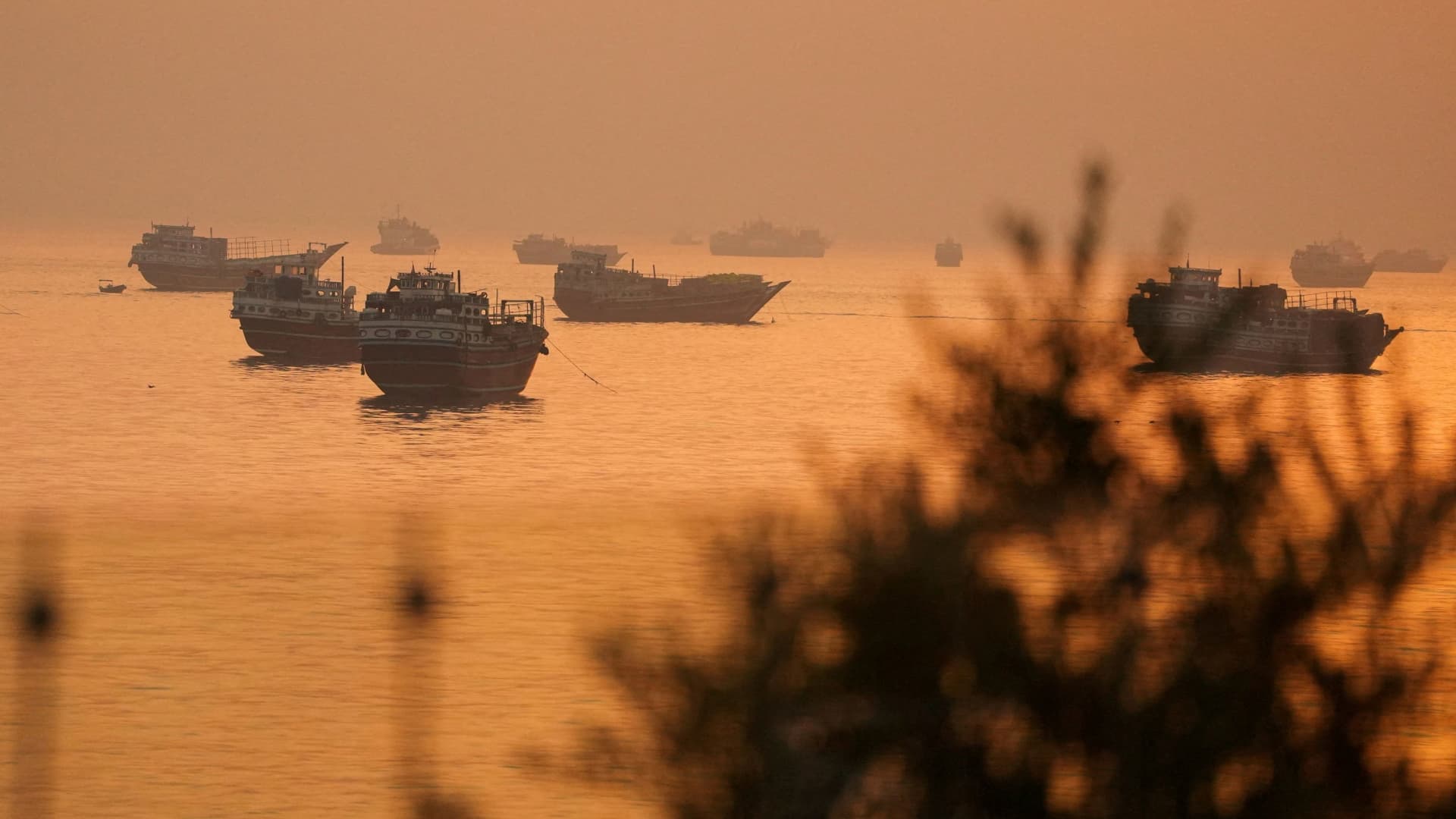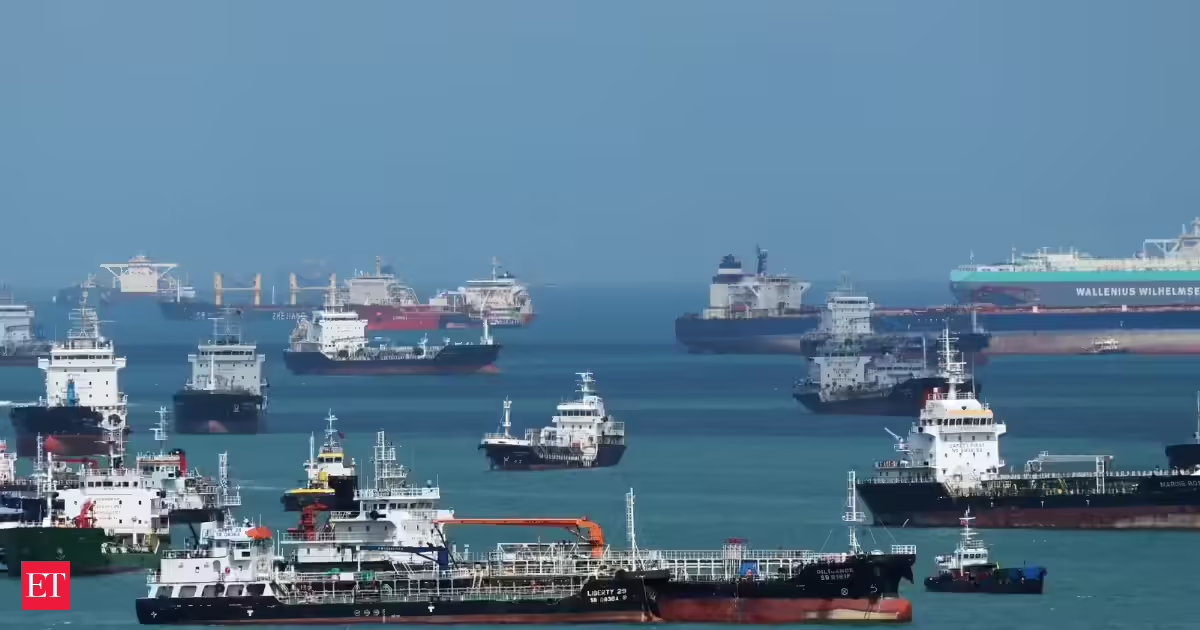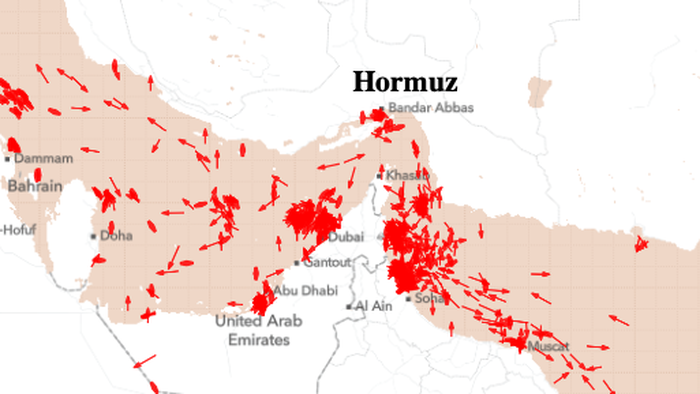
Energy flows through the Strait of Hormuz are beginning to restart on Thursday after the interim U.S.-Iran peace deal, with several Saudi-controlled supertankers transiting the critical waterway and exiting the Persian Gulf.There is a massive backlog of crude and LNG tankers in the Persian Gulf, preparing to exit the Hormuz chokepoint bound for Asia. Bloomberg says 31 supertankers, carrying about 62 million barrels of crude, could soon exit. The actual number of crude and LNG tankers preparing to exit could be much higher, as some tankers may turn off their transponders. Once exited, many of those tankers are slated for ports in East Asia and will take roughly three weeks to arrive.One of the key developments overnight was that three Saudi-controlled supertankers, including Bahri-controlled Saudi VLCCs Shaden, Jaham, and Awtad, switched on their transponders and began exiting the Persian Gulf.Maritime traffic remains far below normal levels and could take many months to return to normal."There are certain practical steps that we believe are necessary before the vessels that have been stranded in the Gulf for the last 110 days can resume transiting the Strait of Hormuz," Sheila Cameron, CEO, and Neil Roberts, head of marine and aviation at the Lloyd's Market Association, told Bloomberg in a statement.Cameron continued, "The main requirement for recovery is stability and certainty for shipowners and insurers. The road to recovery in the Gulf will be a long and complicated one. It will take months for some sort of normality to return to international shipping with vessels in the wrong place and supply chains distorted."Daan Struyven, Goldman Sachs' co-head of Global Commodities Research, told clients, "We now assume that Persian Gulf exports normalize to pre- war levels by the end of July."On Thursday morning, Brent crude futures fell below $78, while West Texas Intermediate was near $74. Traders are already pricing in the coming flood of seaborne crude.Dubai and Murban crude futures curves have flipped into contango, Oman crude is trading at a discount to Dubai, and some diesel cargoes are trading below benchmark levels after commanding lofty premiums.The first signs of normalization are already visible, following President Trump's acknowledgment on Wednesday at the G7 Summit that the interim peace deal with Iran to reopen Hormuz was signed as the U.S. was nearing the point of "running out of reserves in about four weeks."*Trump Says `We Run Out of Reserves in About Four Weeks'
Hormuz Normalization Begins As Saudi Supertankers Exit And A Flood Of Persian Gulf Oil Heads For Asia
Goldman: "We now assume that Persian Gulf exports normalize to pre- war levels by the end of July."
813 words~4 min read