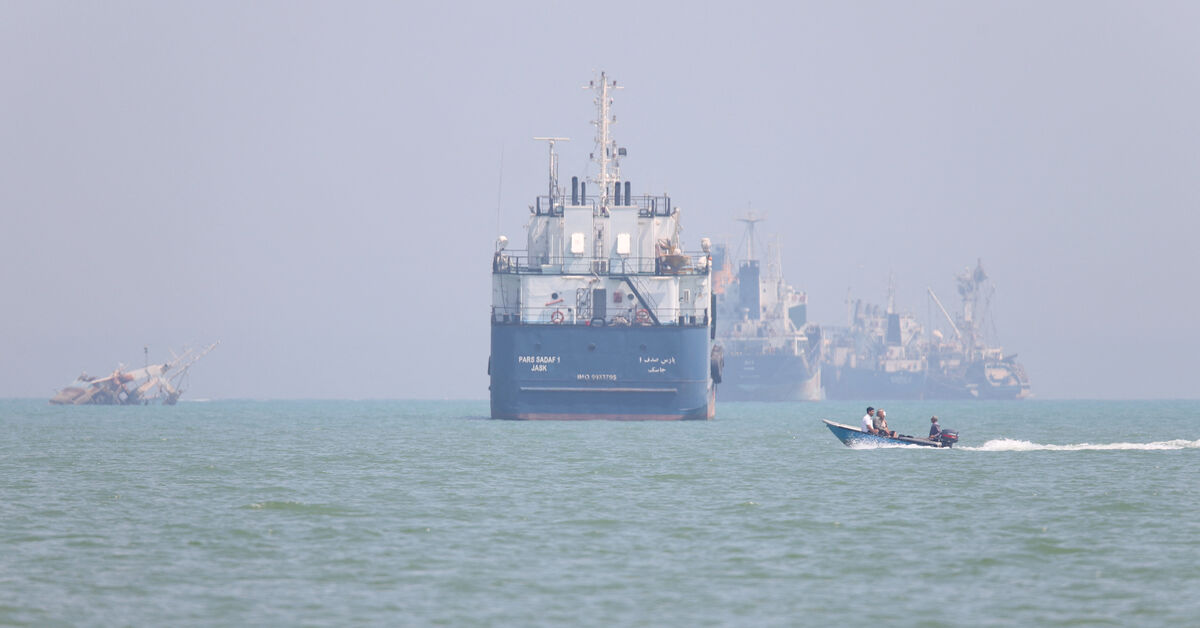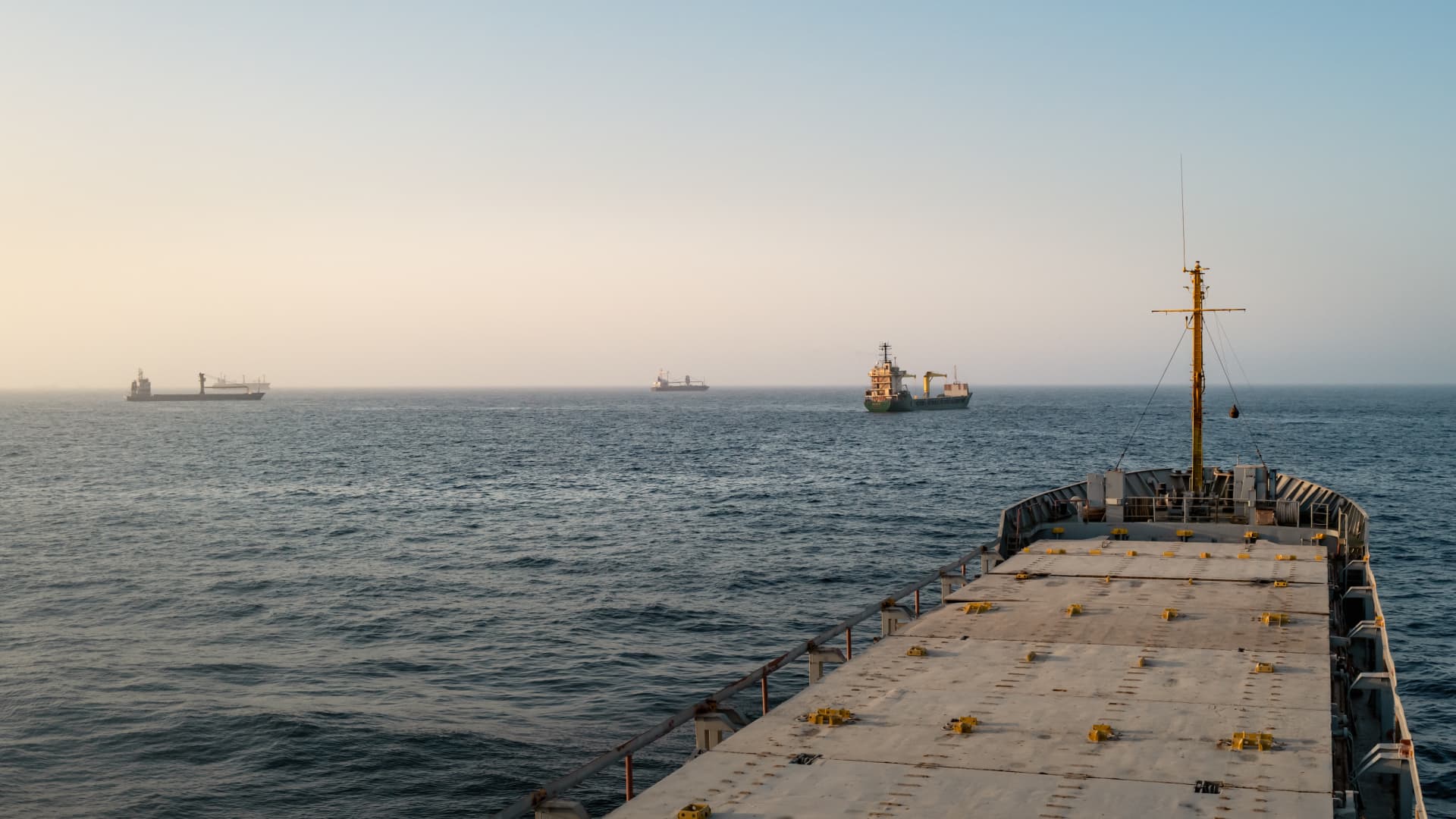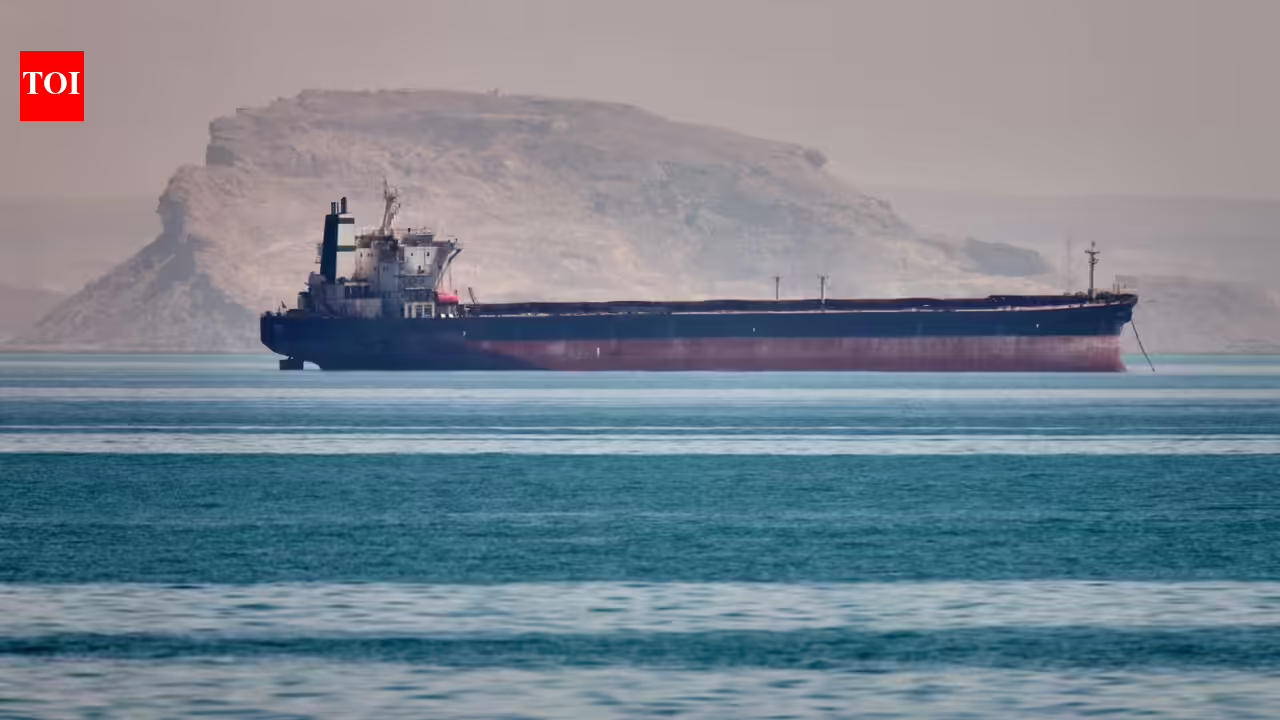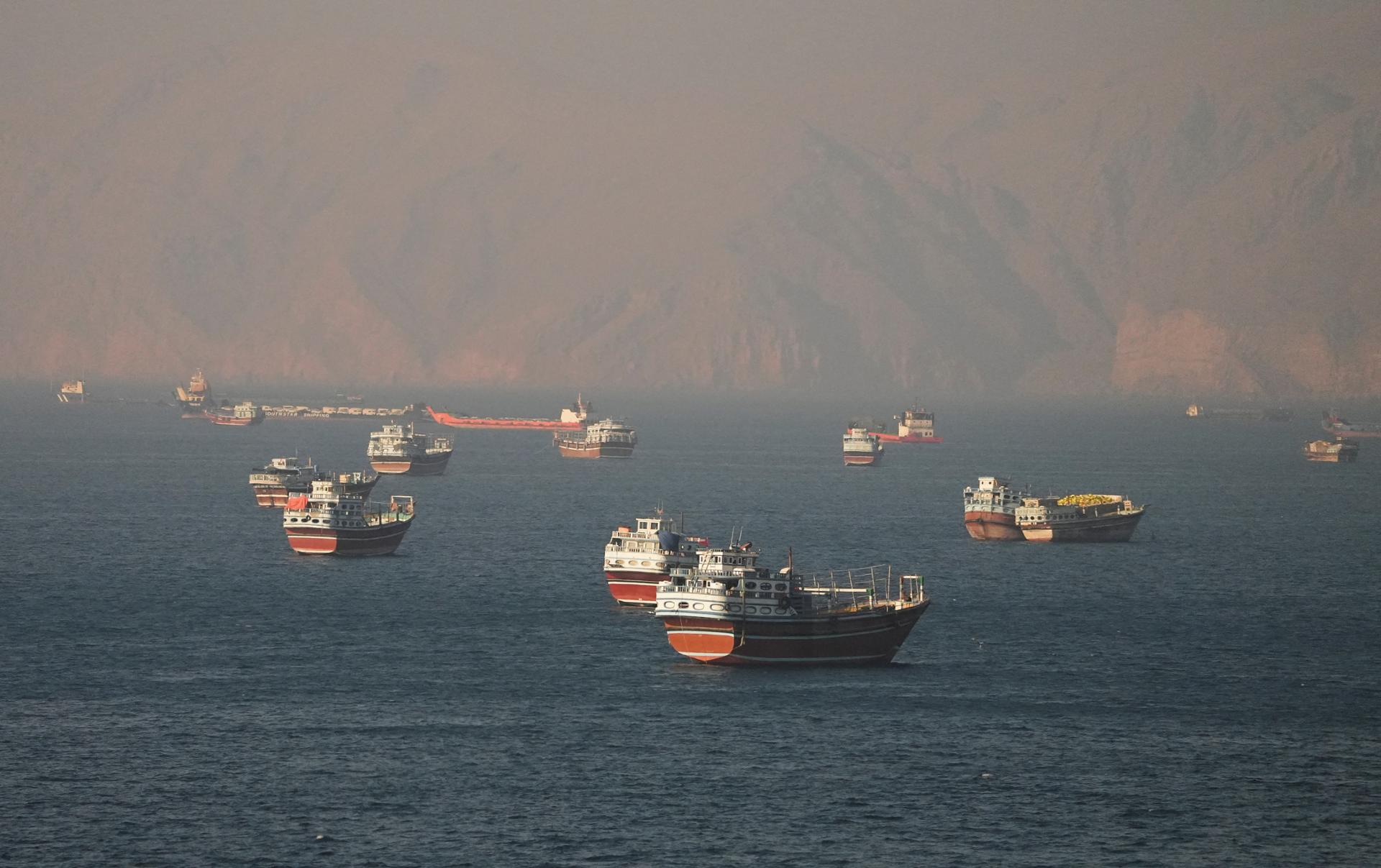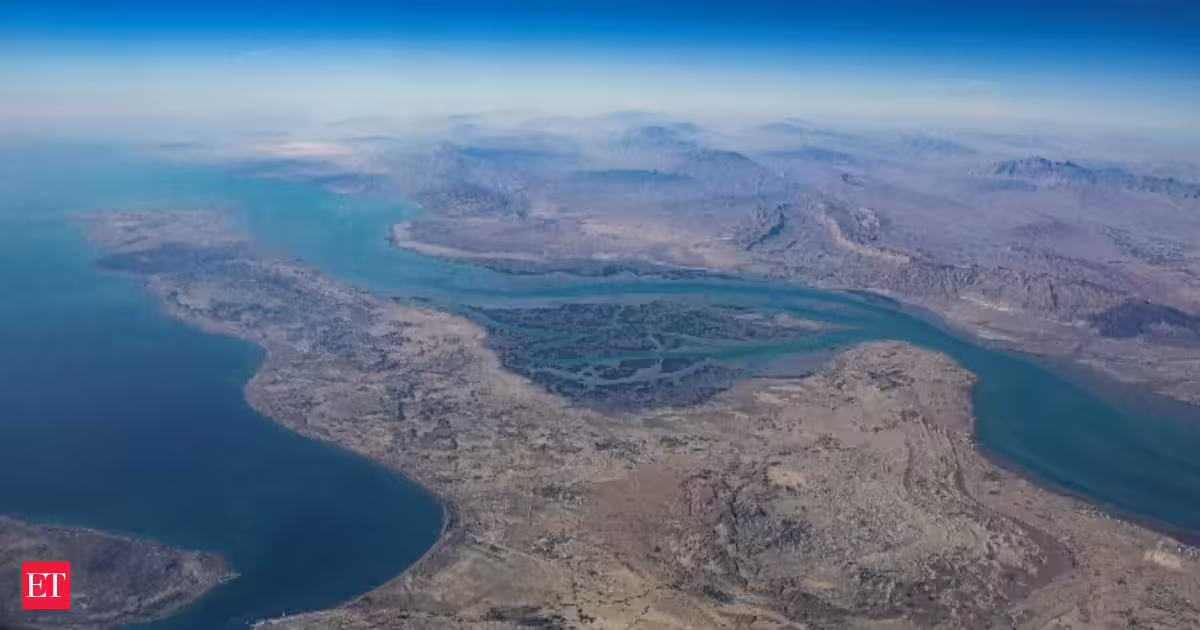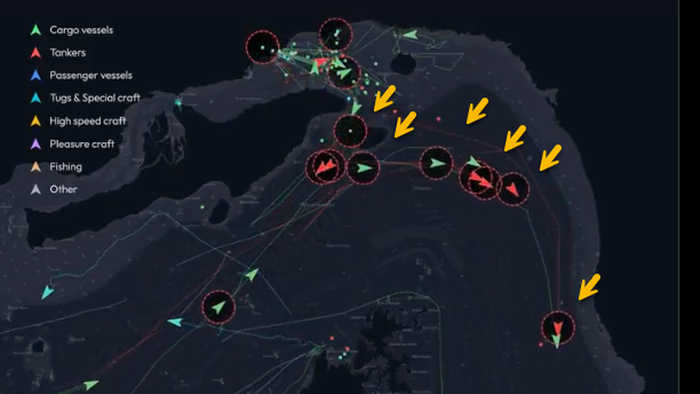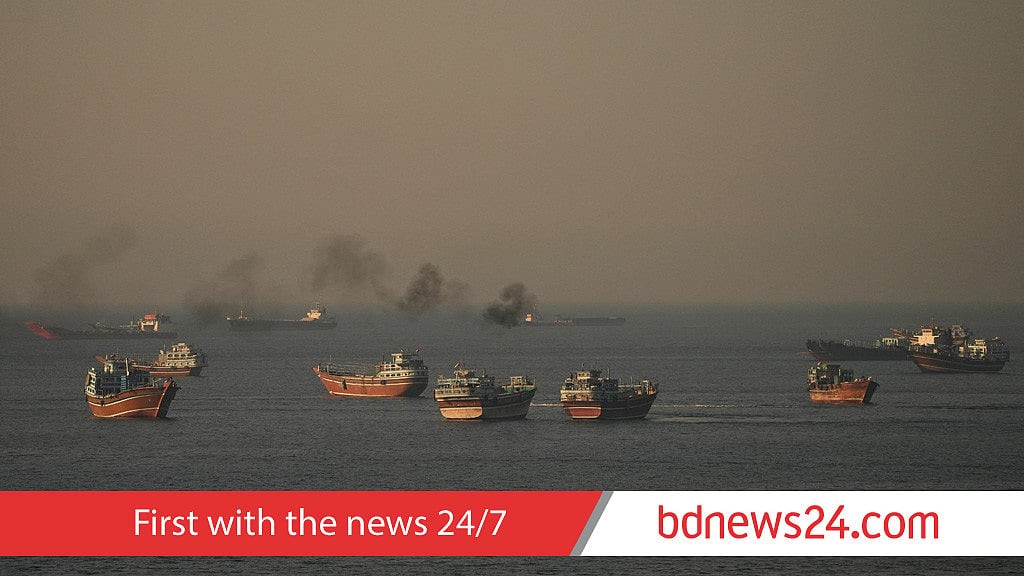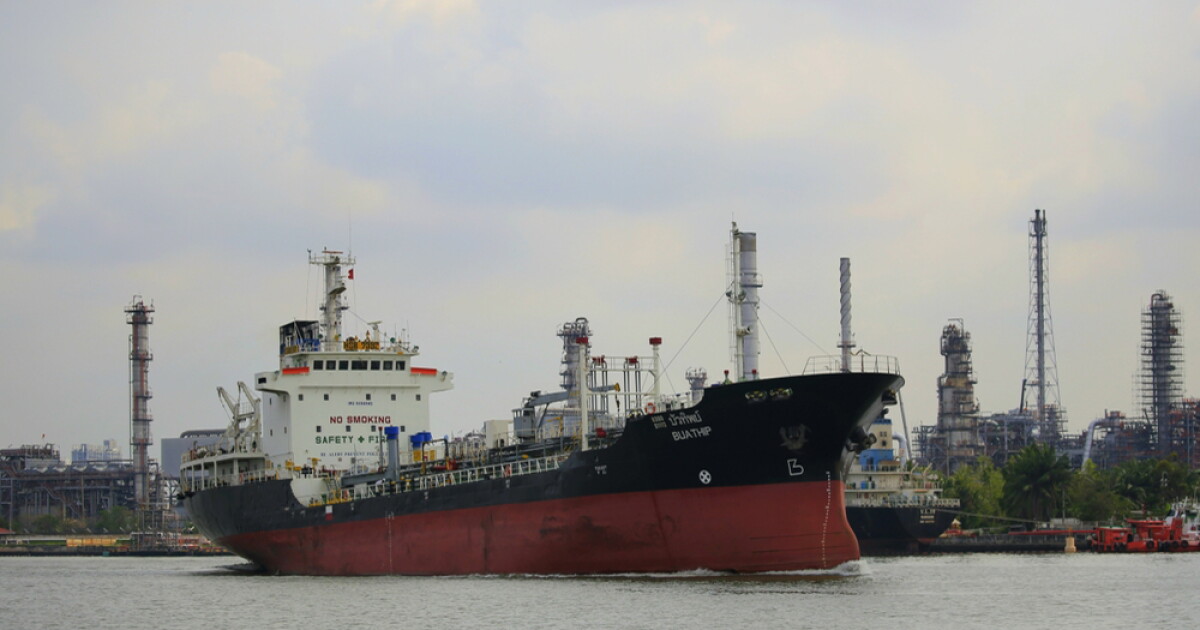
As shippers prepare for a resumption of regular traffic through the Strait of Hormuz, experts warn it will take weeks and even months before transits and flows of crude oil and refined products can return to levels seen before the US and Israel first attacked Iran on Feb. 28. Under the memorandum of understanding (MOU) signed this week by the US and Iran, both sides will "immediately" allow for the free movement of tankers and other vessels through the strait, prompting more crossings amid sighs of relief from increasingly strained oil markets. Global benchmark Brent crude has fallen by close to 9% this week on news the MOU had been finalized. Still, deep uncertainties remain around the logistics of Hormuz transits, both near term and long term, and around the durability of the MOU itself, as 60 days of difficult negotiations kick off. While some adventurous tanker operators had been testing the strait even before news of the MOU emerged late last week, most have remained cautious. However, post-MOU signing, traffic does appear to be edging up, although estimates of transits vary widely between tanker-tracking firms. Data from Kpler, for instance, shows three tankers exiting the strait on Jun. 16 and three entering. On Jun. 18, Kpler data showed nine tankers had exited the strait and five had entered for the day by press time — a sign, Kpler said, that "tanker operators are regaining confidence following the US-Iran MOU signing." The data analytics firm anticipates a gradual increase in Hormuz tanker traffic over the next 30 days after an initial surge, estimating an average of 12 tankers will be traversing Hormuz daily a month from now, which would be roughly half of prewar transits. Oil flows should increase accordingly. An Energy Intelligence assessment of several tanker-tracking services concluded that around 1.2 million barrels per day leaked out of Hormuz in May, while dueling US and Iranian blockades were still in effect. US Energy Secretary Chris Wright claimed last week that the US had facilitated the passage of as much as 7 million b/d of oil, although that number was not immediately verifiable. Around 20 million b/d of crude and products passed through Hormuz prewar.
Shippers Begin Slow, Cautious Return to Hormuz Transits
Tanker operators appear to be regaining confidence after the US-Iran deal, but it could be months before crude and product flows return to prewar levels.
TL;DRAI
US-Iran MOU reopens Hormuz after Feb. attacks; Brent crude down 9%. Tanker transits resuming—12 daily expected next month vs. 50% pre-war. Gradual recovery reflects supply-chain fragility and sustained energy volatility, pressuring data center costs and operational planning for infrastructure teams.
365 words~2 min read