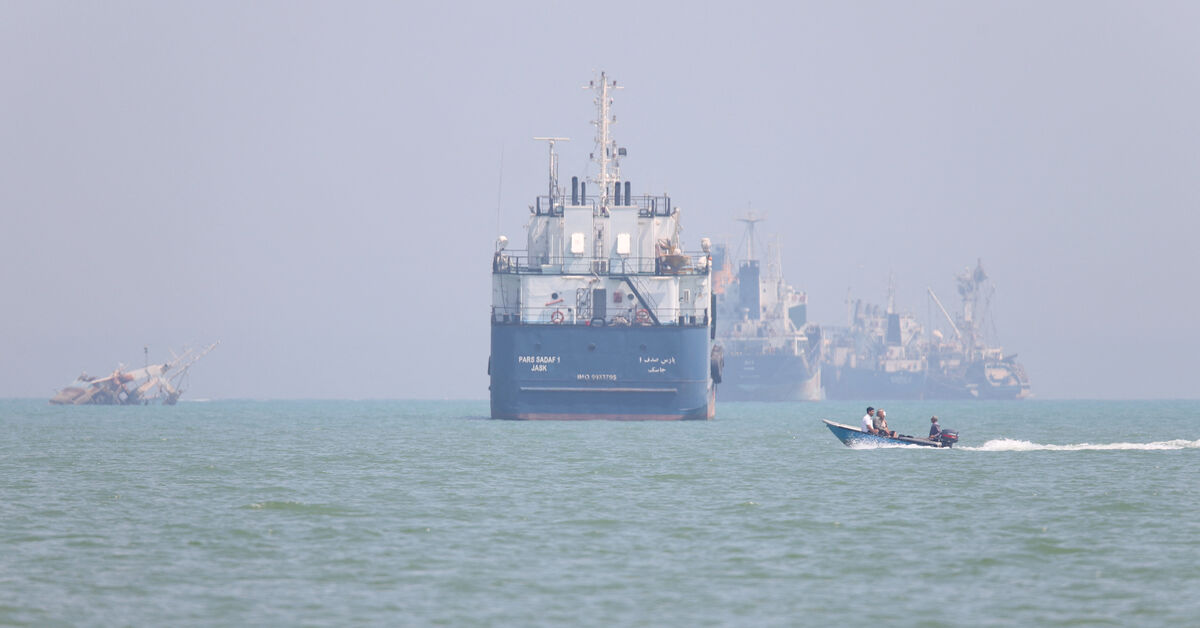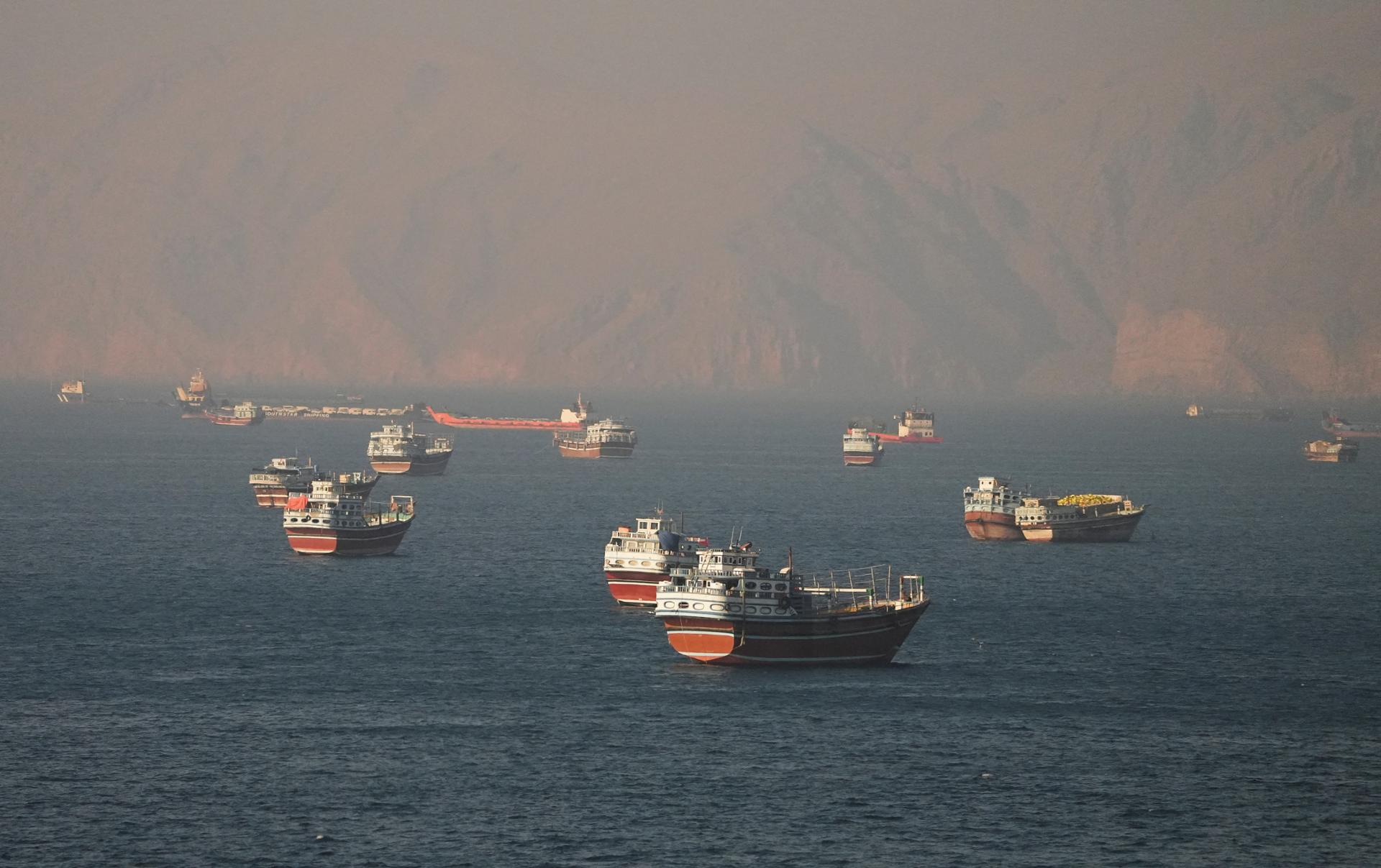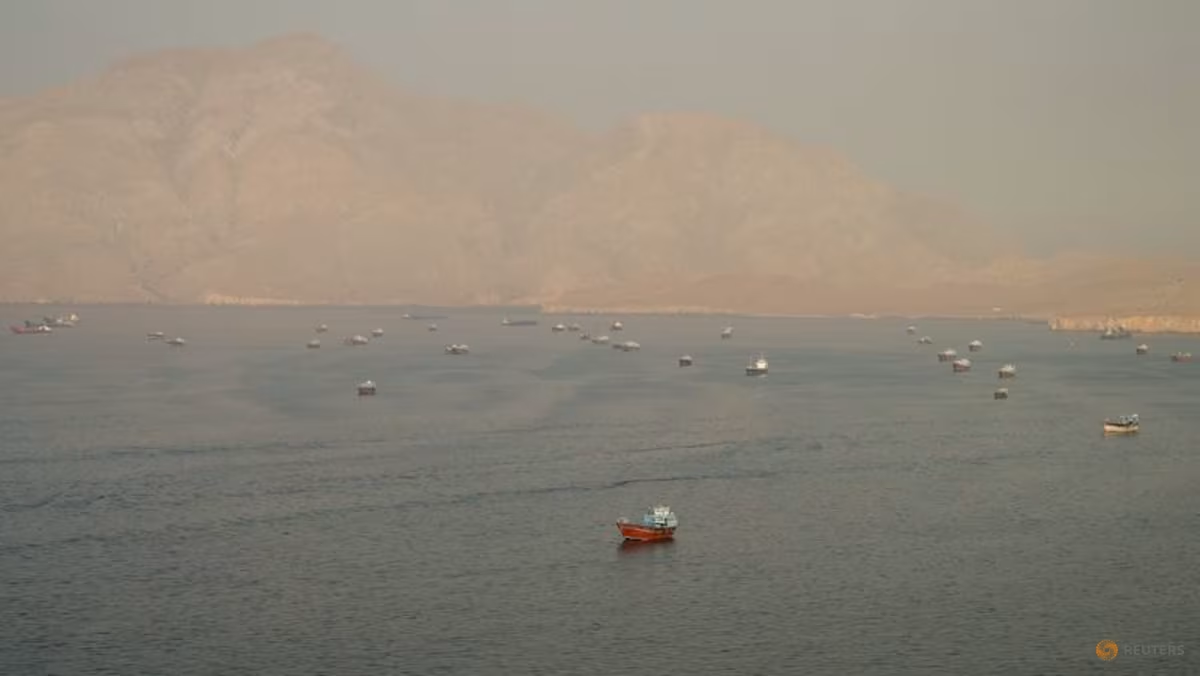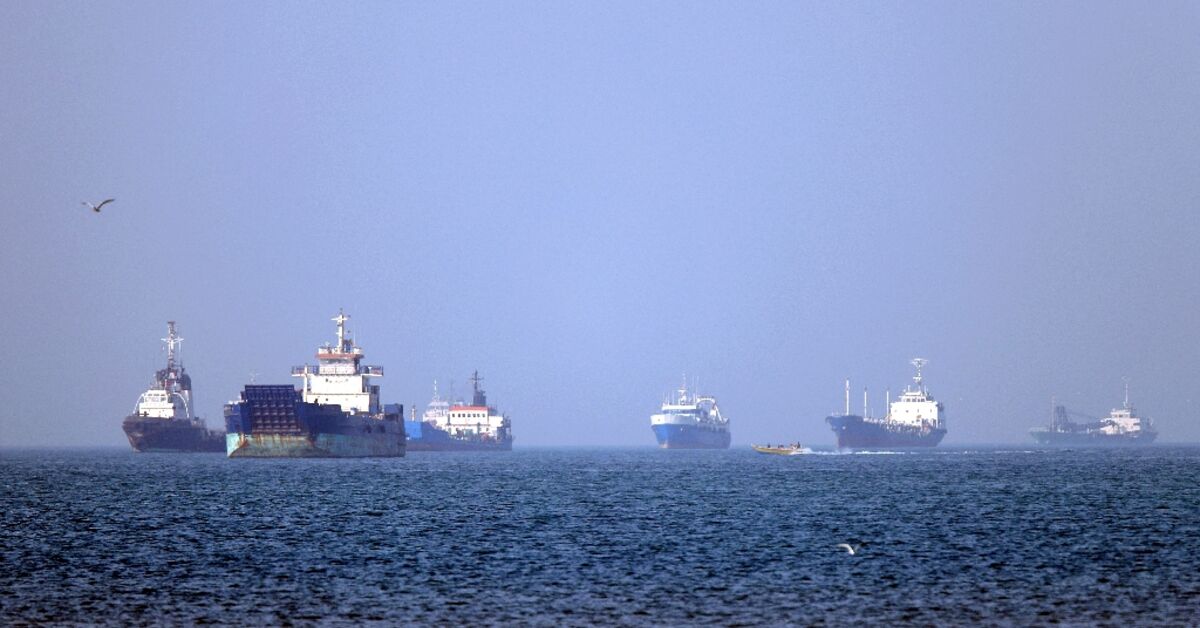
ByREUTERSJUNE 15, 2026 12:07Updated: JUNE 15, 2026 12:08Shippers said confidence in resuming transit through the Strait of Hormuz could take weeks to rebuild, and navigation will only restart once safety is assured, after US and Iran officials said they had agreed on a framework deal to reopen the waterway.The US and Iran are expected to sign a memorandum of understanding to end their war, halt the US blockade of Iran, and reopen the Strait on Friday. Global oil prices fell about 4% on Monday in response.Shippers have welcomed the news of the deal but are still waiting for more details, including mine clearance in the strait."The market is clearly pricing in a return to business as usual, but after months of disruption, (ship) owners and charterers alike will likely remain cautious until ships are consistently moving freely through Hormuz once again," analysts at Sentosa Ship Brokers said in a note.The US-Israeli war with Iran that began on February 28 has largely stopped shipping through the strait, the transit route for roughly a fifth of the world's oil and liquefied natural gas supply, along with vital products such as aluminum and urea.Ships are anchored in the Strait of Hormuz, May 16. Shipping through Hormuz has still not returned to normal. (credit: Majid Saeedi/Getty Images)While traffic along the Strait of Hormuz remains limited, India's Petronet sent the LNG tanker Disha through the strait on Monday, the only visible shipment so far, according to data from Kpler and LSEG.The tanker picked up its cargo at Qatar's Ras Laffan on March 1-2 and had been west of the strait since, with the Dahej terminal in India its eventual destination, according to the data.Petronet did not respond to a Reuters request for comment.Over 100 tankers still stuck inside gulfAn estimated 155 tankers, carrying oil and chemicals, were in the Mideast Gulf area as of June 15, shiptracking data from Kpler showed, down from 201 tankers at the end of May.Oil Brokerage's estimate stood at 215 tankers."We expect free passages will have to be built over the weeks for the wider shipping community to gain confidence," said Anoop Singh, Oil Brokerage's global head of shipping research."Till such time, physical freight rates will likely remain elevated, and trading will remain slow."However, under unrestricted navigation, the traffic pile-up on either side can be resolved within 8-10 days, according to OB's calculations, Singh said."Furthermore, ship owners have positioned nearly 60 more VLCCs (Very Large Crude Carriers) than usual within a few days of sailing to the ports West of Hormuz, in anticipation."Concrete information awaited A spokesperson for the Japanese Shipowners' Association said on Monday that while the group welcomed the peace agreement, it wanted to "wait a little longer for more concrete information" when the US-Iran pact is signed on June 19.There had been news reports that mines had been laid in the area, the spokesperson said, adding: "Given the situation, we cannot simply say, 'Right then, let's go' based on news of the agreement alone."Nippon Yusen, the country's biggest shipper, said it hoped operations would return to normal as soon as possible, but a spokesperson added it was too early to comment on the schedules of Japan-linked vessels stranded in the Gulf.He declined to say how many of the company's ships remain in the Gulf.A Mitsui Lines spokesperson said: "While we are aware of signs of progress towards a ceasefire, our policy remains unchanged; we will only resume navigation once safety has been fully confirmed."Follow us on Google
Shippers wait for guarantee on Strait of Hormuz reopening | The Jerusalem Post
Shippers have welcomed the news of the deal but are still waiting for more details, including mine clearance in the strait.
580 words~3 min read