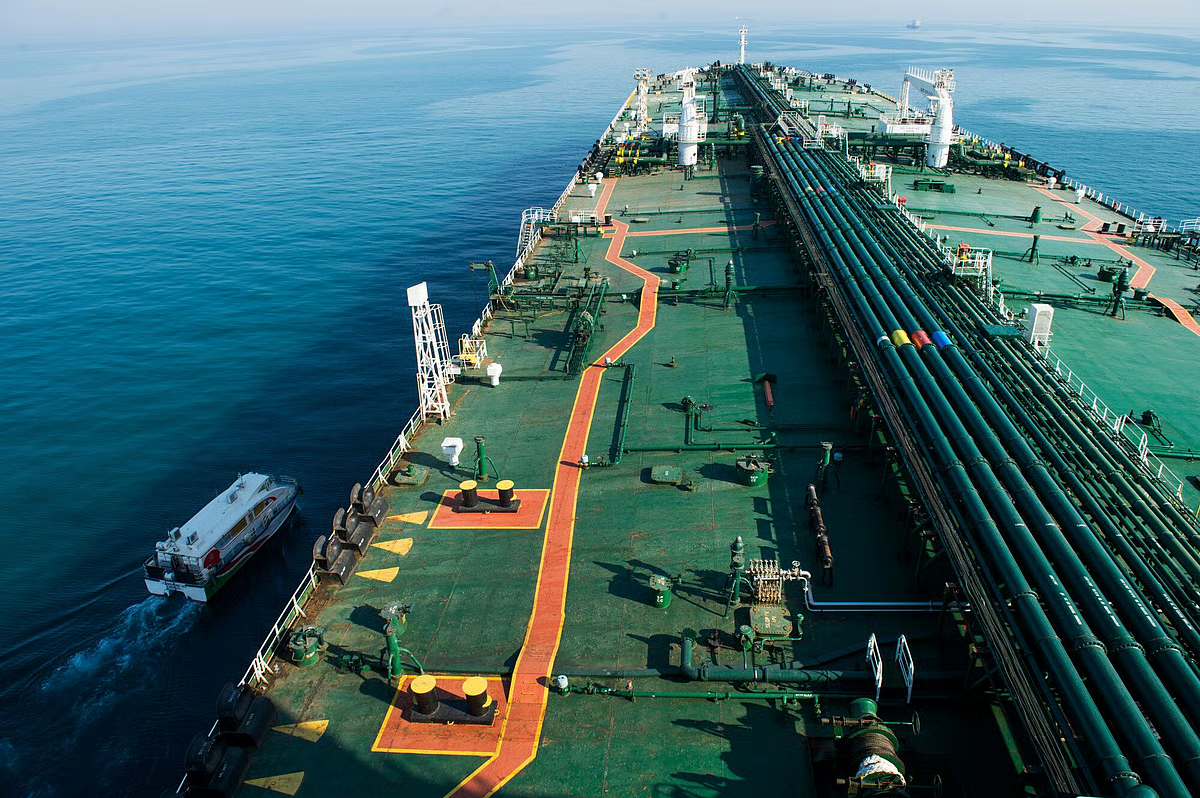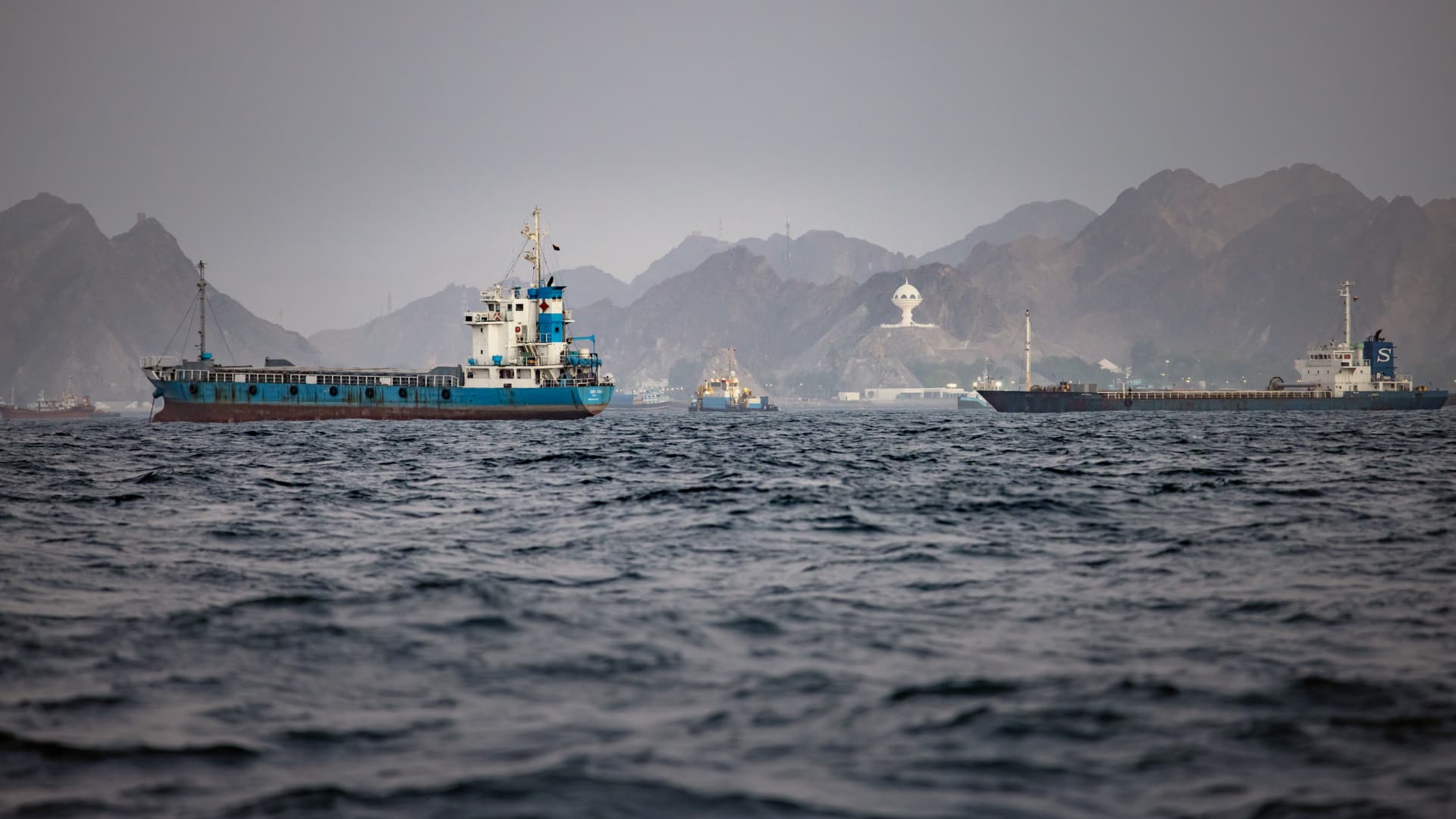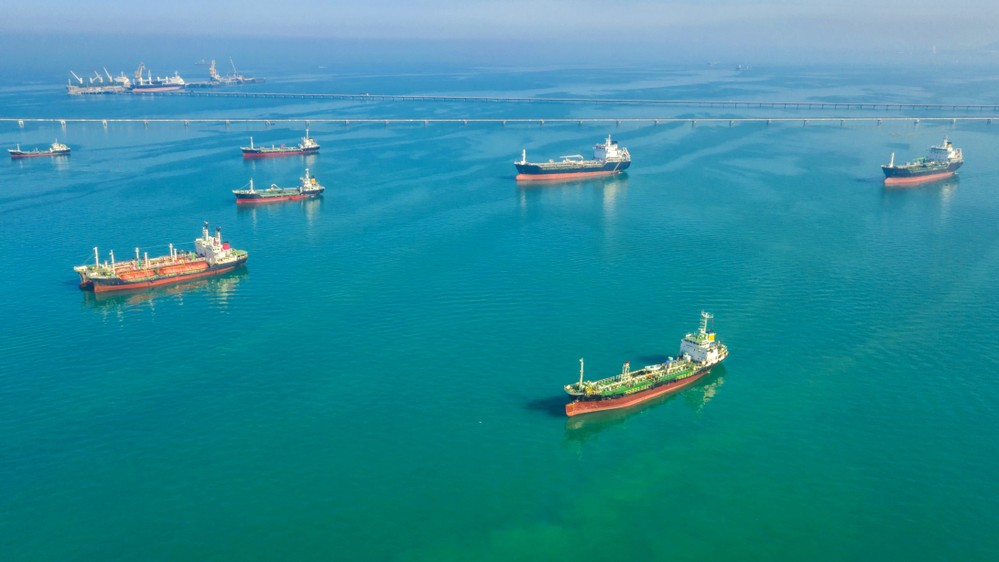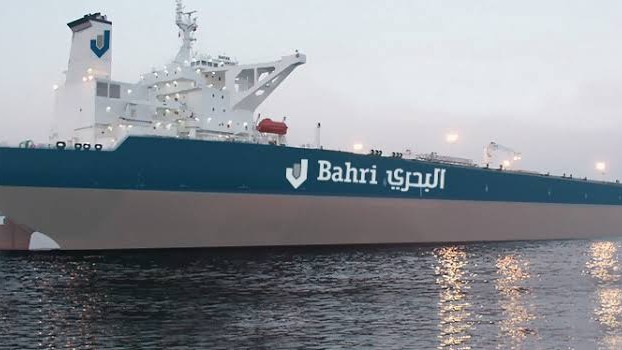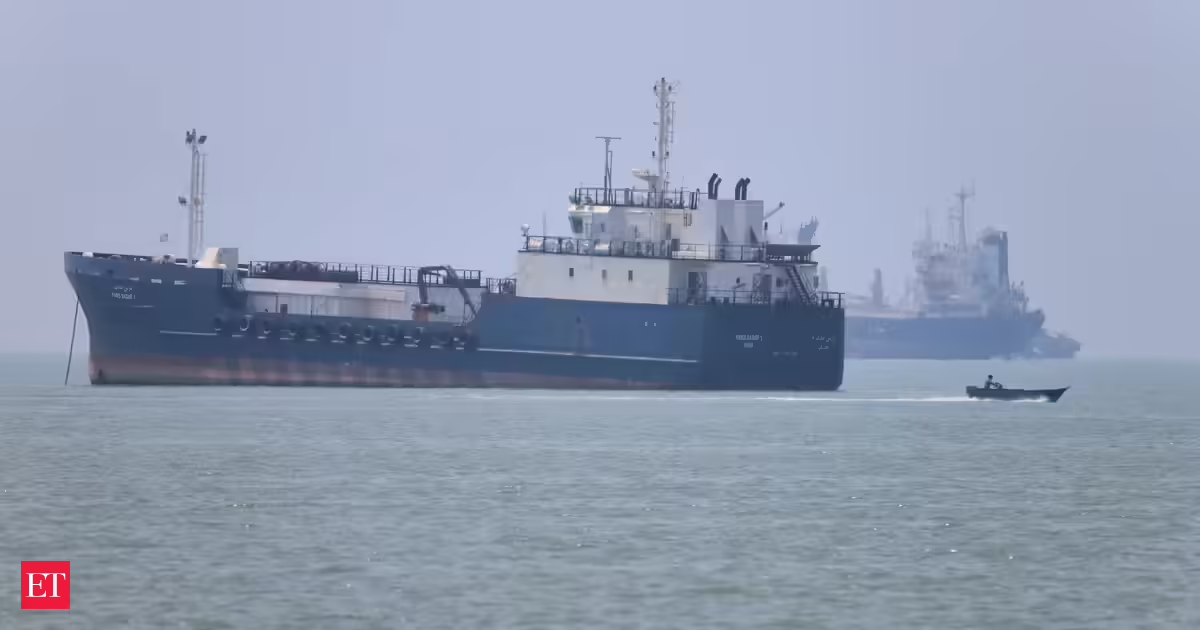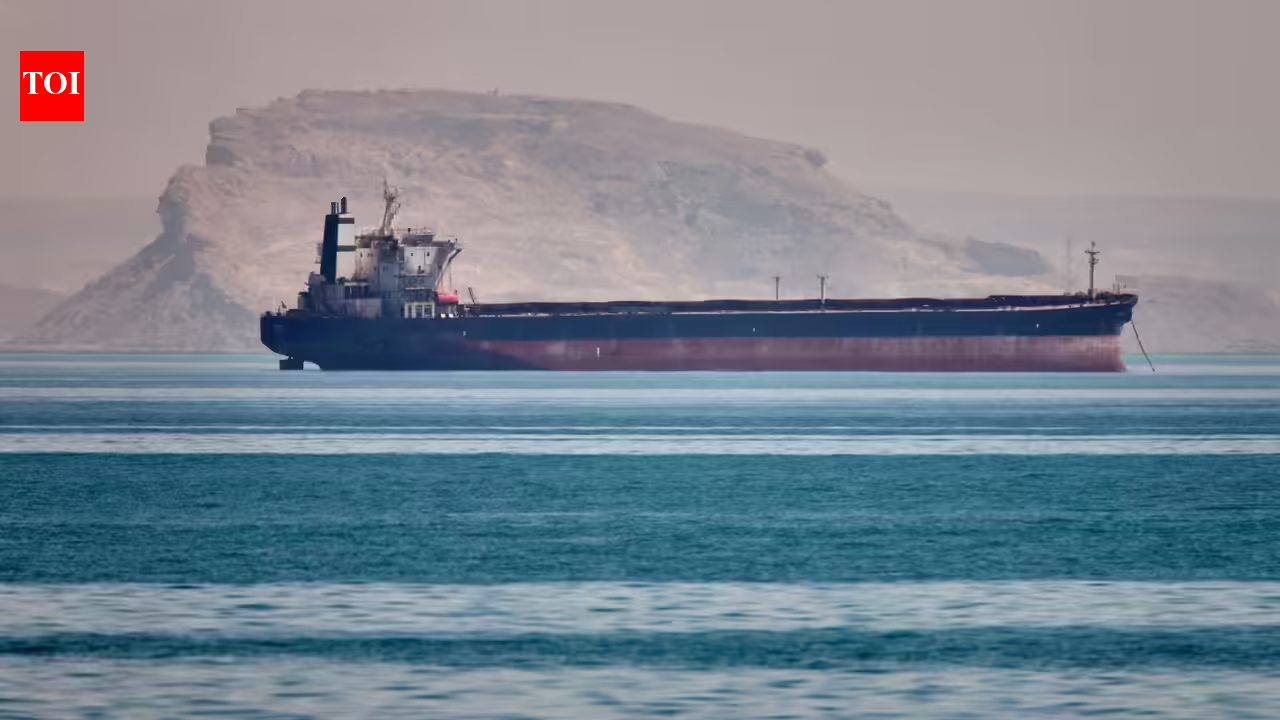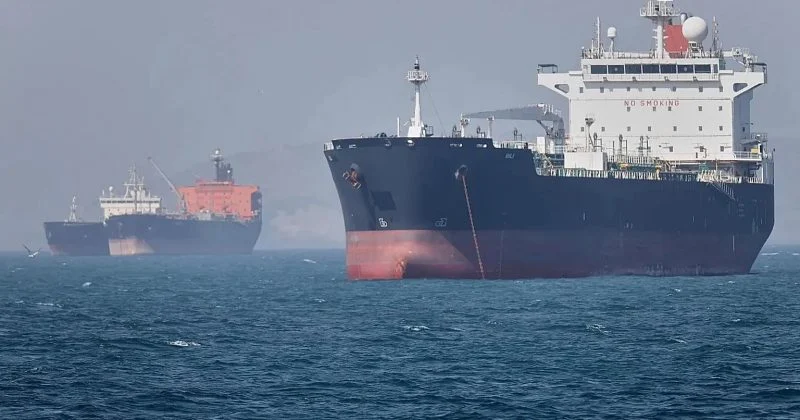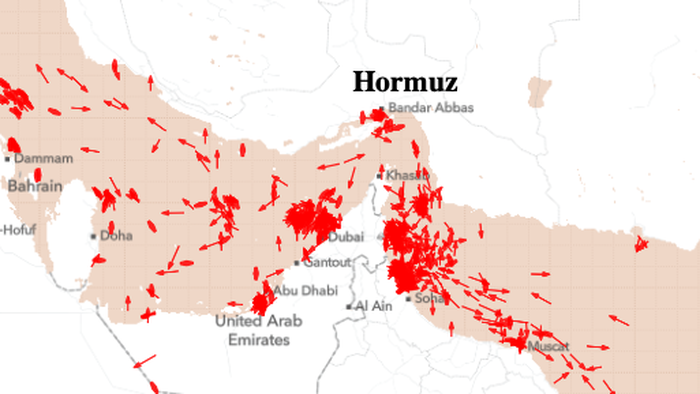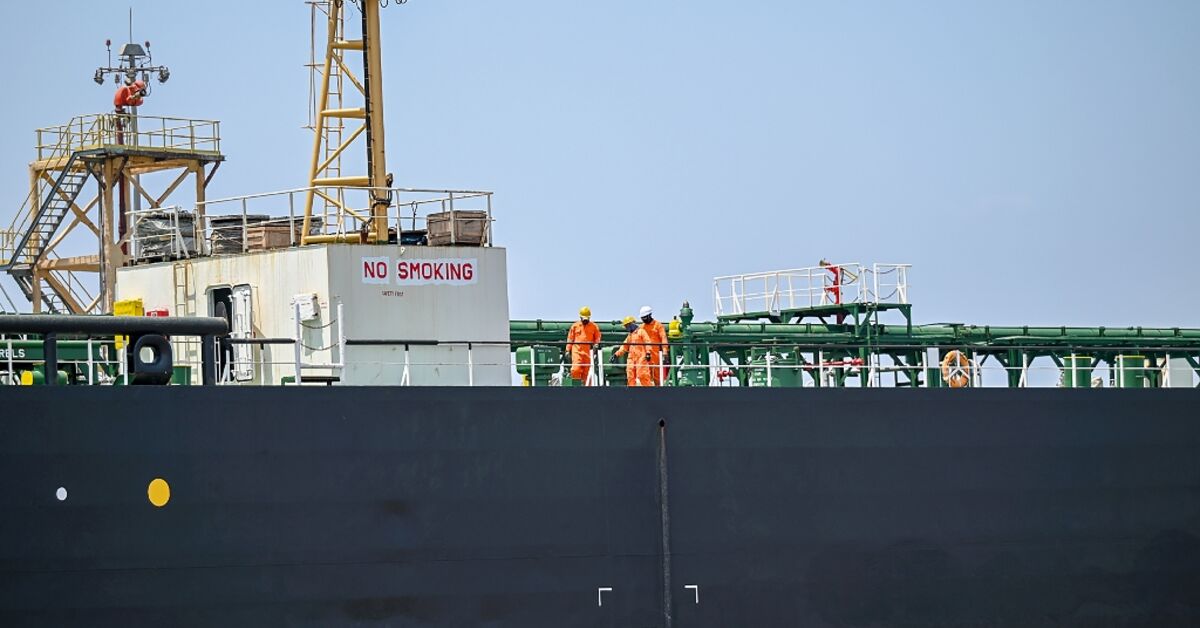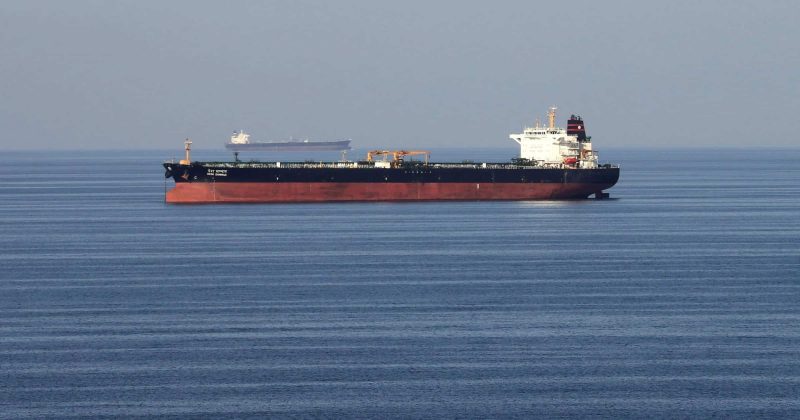
Saudi Arabia has initiated its largest oil flow through the Strait of Hormuz since the U.S.-Iran ceasefire, as supertankers exit the strategic chokepoint. This development follows a preliminary accord signed in June 2026, which partially reopened the passage after months of blockade by Iran. The transit of approximately 6 million barrels of crude marks a significant de-escalation in the ongoing Strait of Hormuz crisis, highlighting the impact of international diplomatic efforts led by Pakistan. While the ceasefire extension is fragile, this move suggests a temporary alleviation of the blockade threat, influencing market dynamics around oil flow and regional stability.
Key Takeaways
The exit of Saudi supertankers through Hormuz appears to indicate a significant increase in oil flow, suggesting a return to more normalized traffic levels.
Market pricing suggests this development may support a YES outcome for the “Strait of Hormuz traffic returns to normal by July 31” market, now priced at 26.5% YES.
The movement of supertankers could indicate a temporary stabilization in geopolitical tensions, consistent with the recent ceasefire extension.