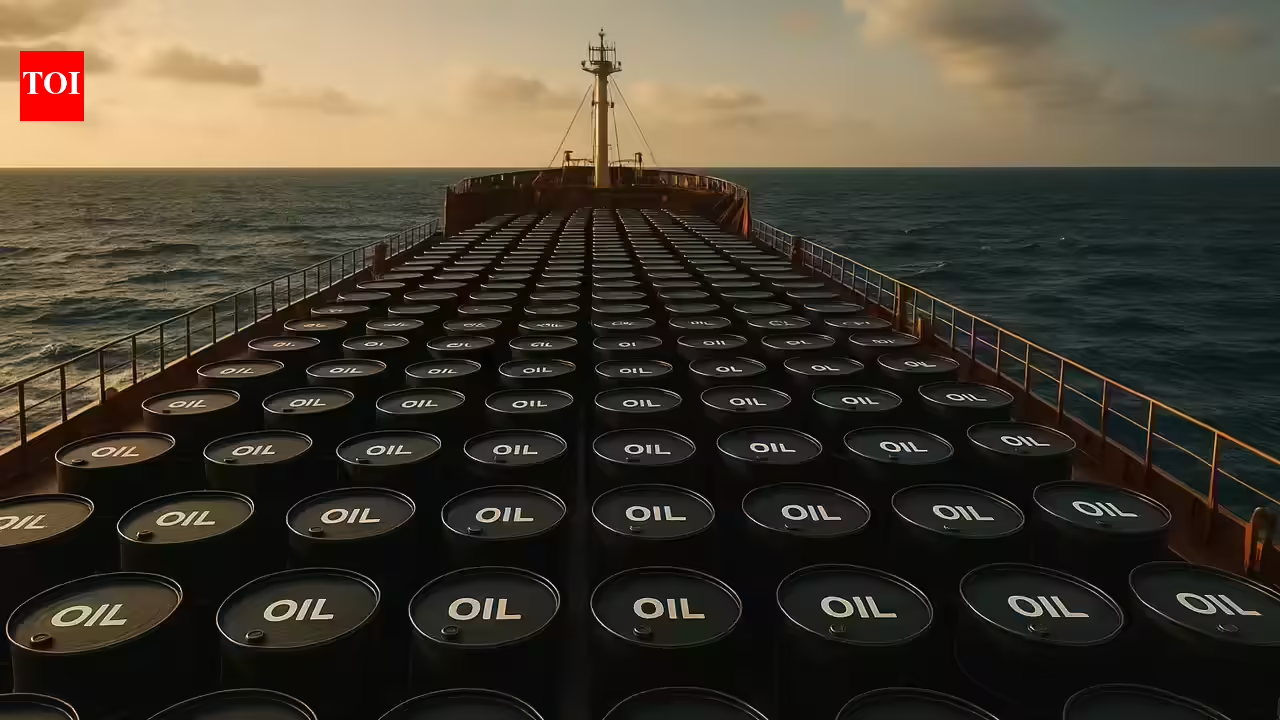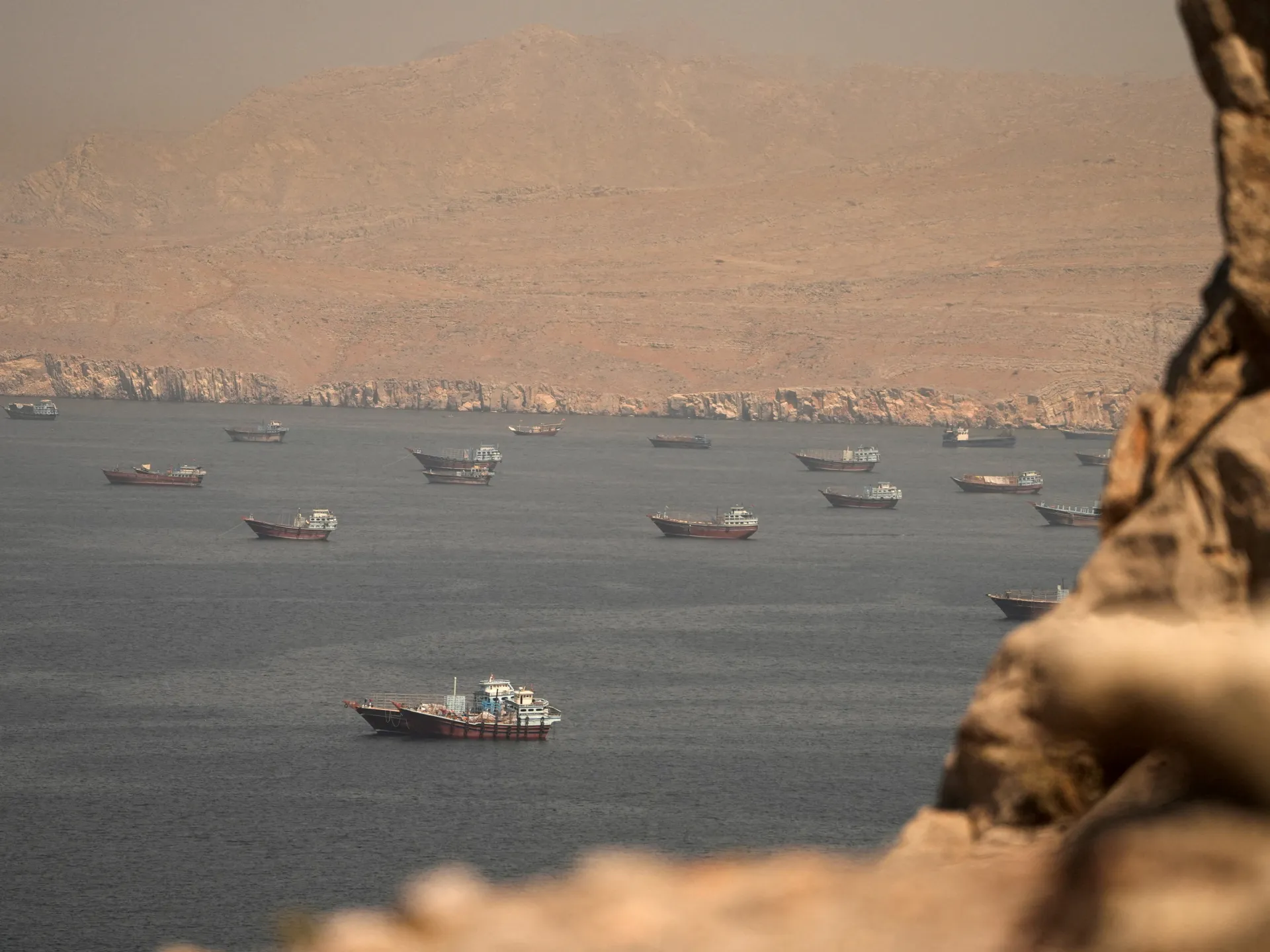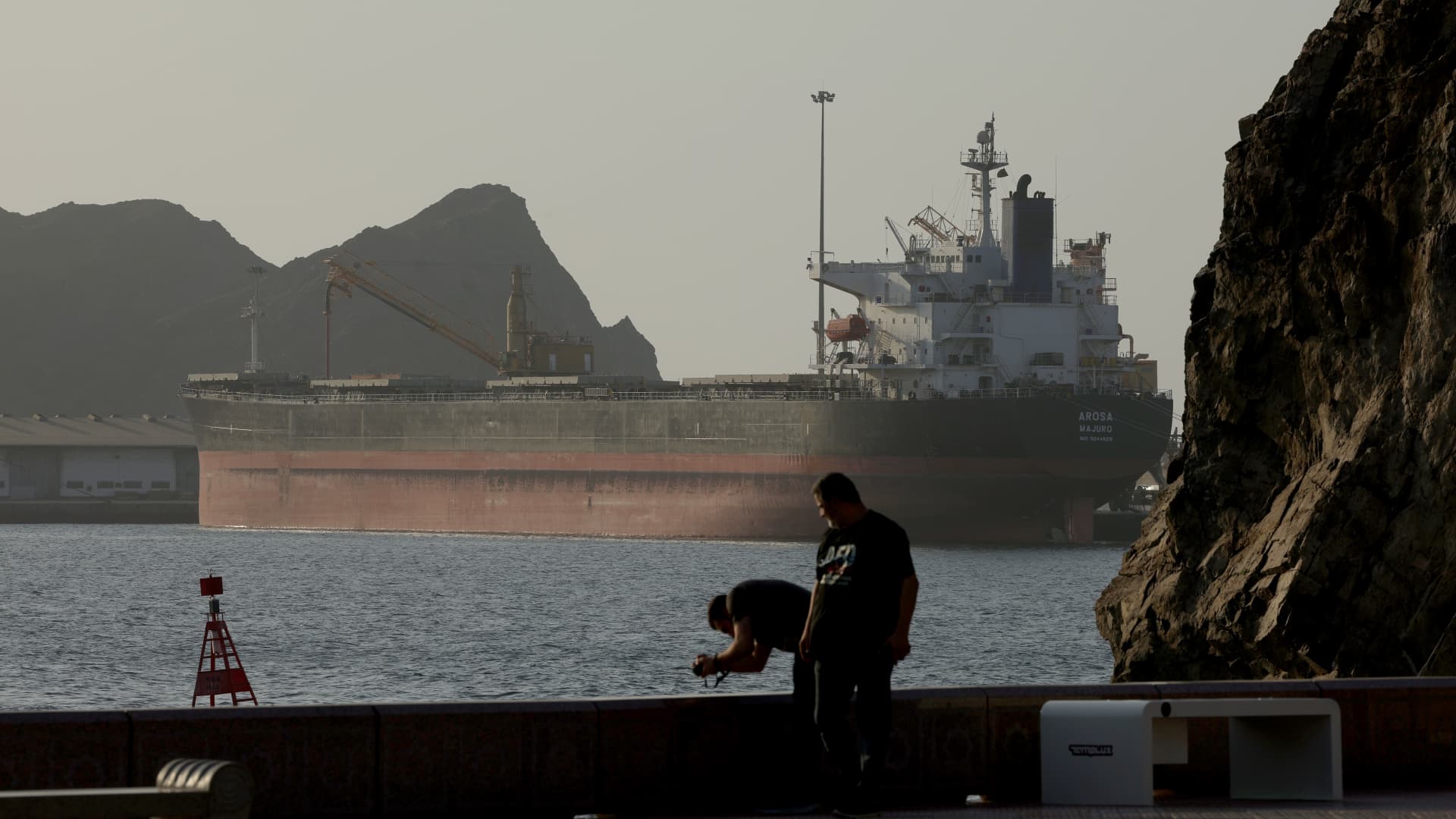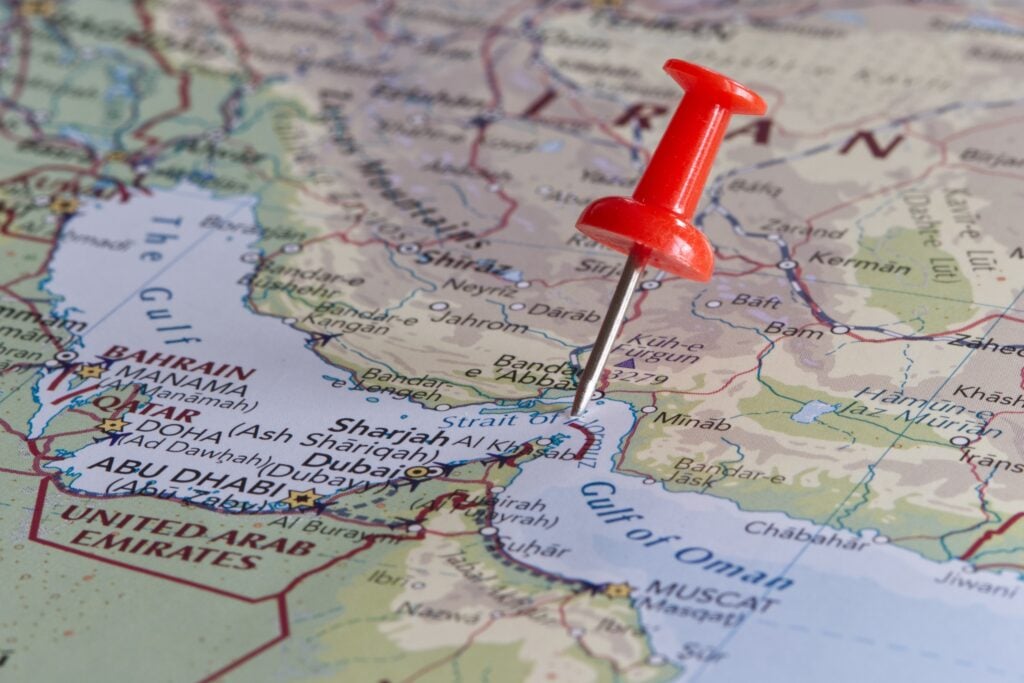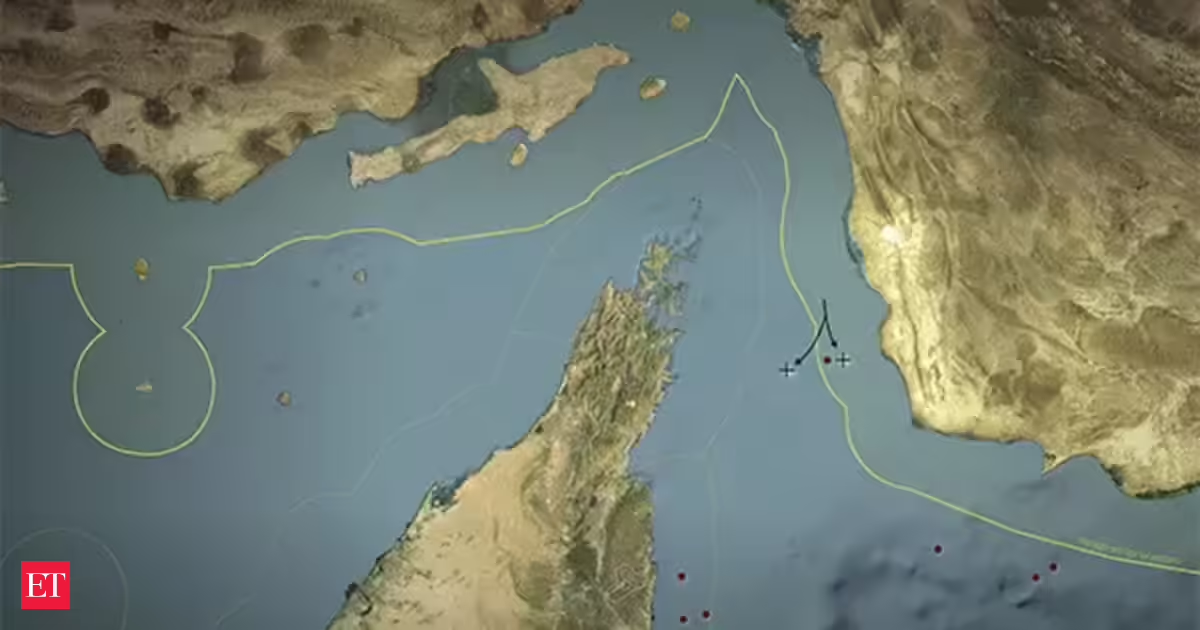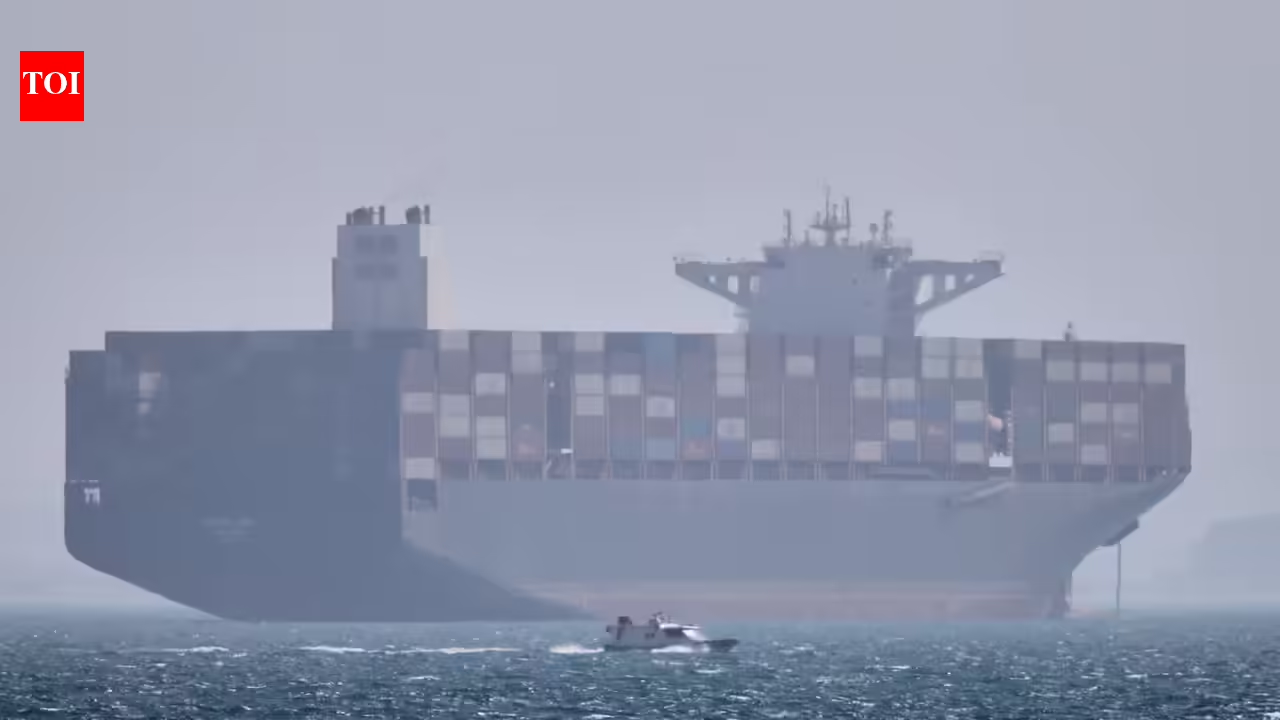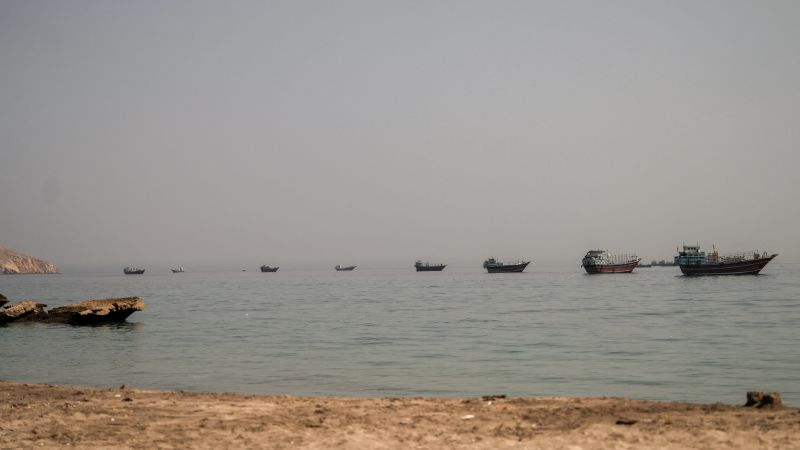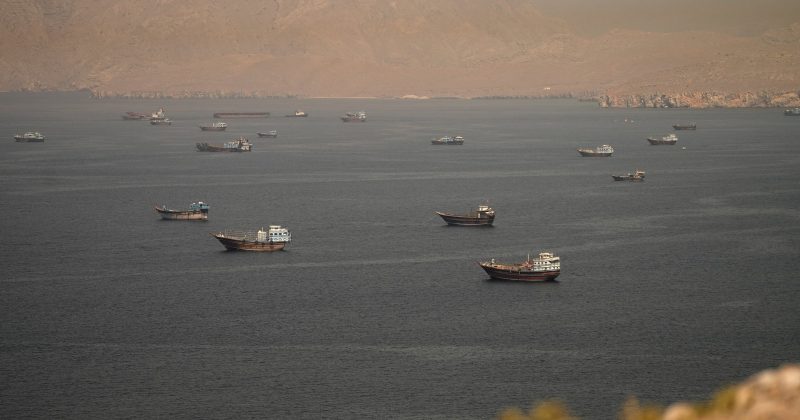
The Strait of Hormuz, which handles roughly one-fifth of all seaborne oil trade, reopened around June 18-20 following a US-Iran peace deal brokered with Pakistan’s help.
The numbers behind the flood
The strait had been closed since February 28, following escalating US-Israel military actions against Iran. That closure resulted in an estimated loss of approximately 1.15 billion barrels of oil globally, leaving inventories at historic lows.
Analysts estimate that around 93 million barrels of non-Iranian crude that had been stranded in the Persian Gulf could be released into markets immediately. If sanctions on Iran are further eased, an additional 72 million barrels could follow. Combined, that’s roughly 165 million barrels of crude looking for buyers in a market that was already struggling with weak refining margins.
The diplomatic breakthrough came in the form of a Memorandum of Understanding signed on June 17 between the US and Iran. Pakistan served as mediator, and the agreement paved the way for the strait’s reopening within days of the signing.