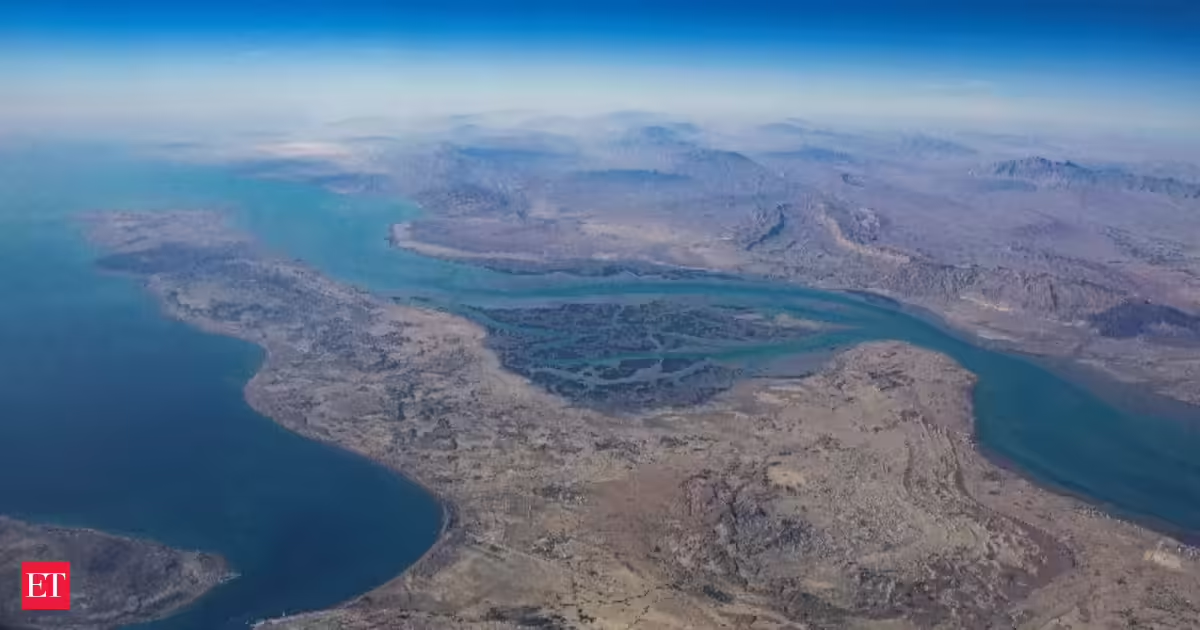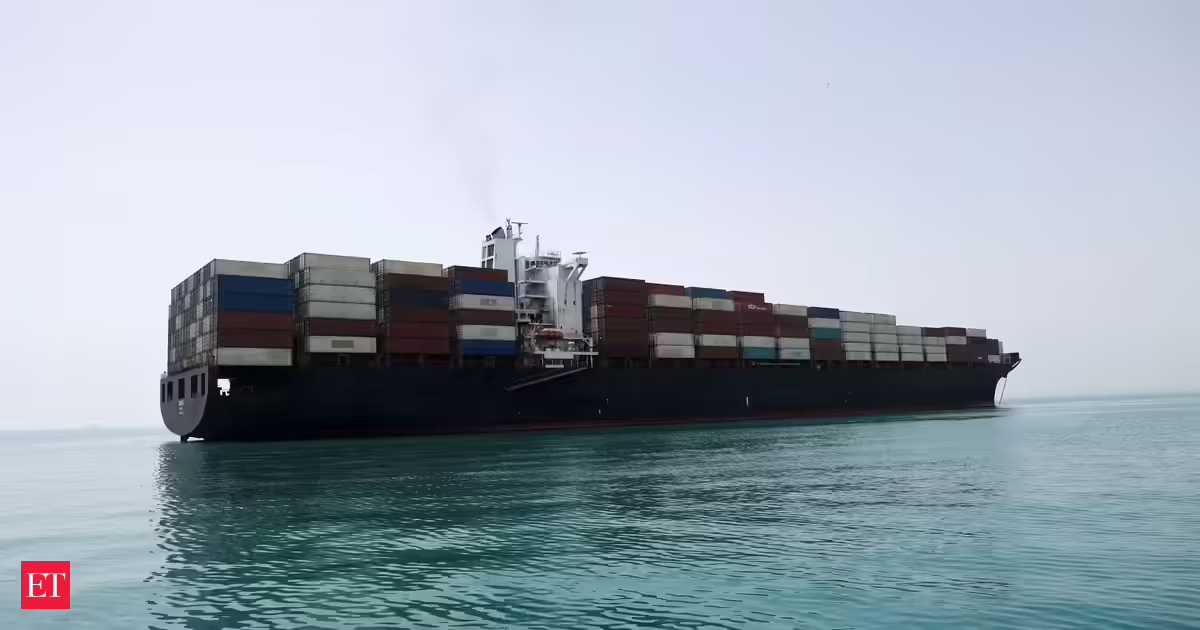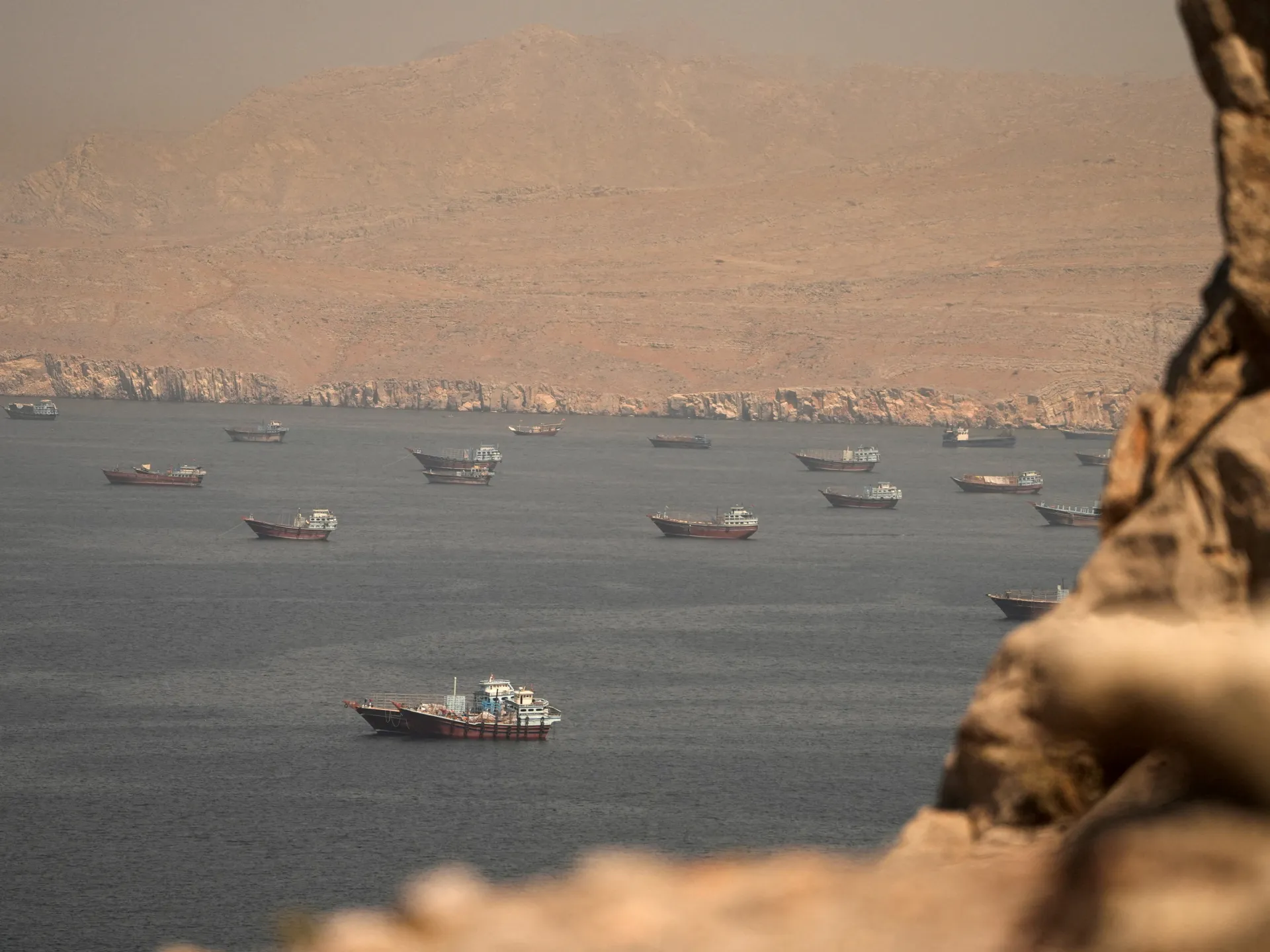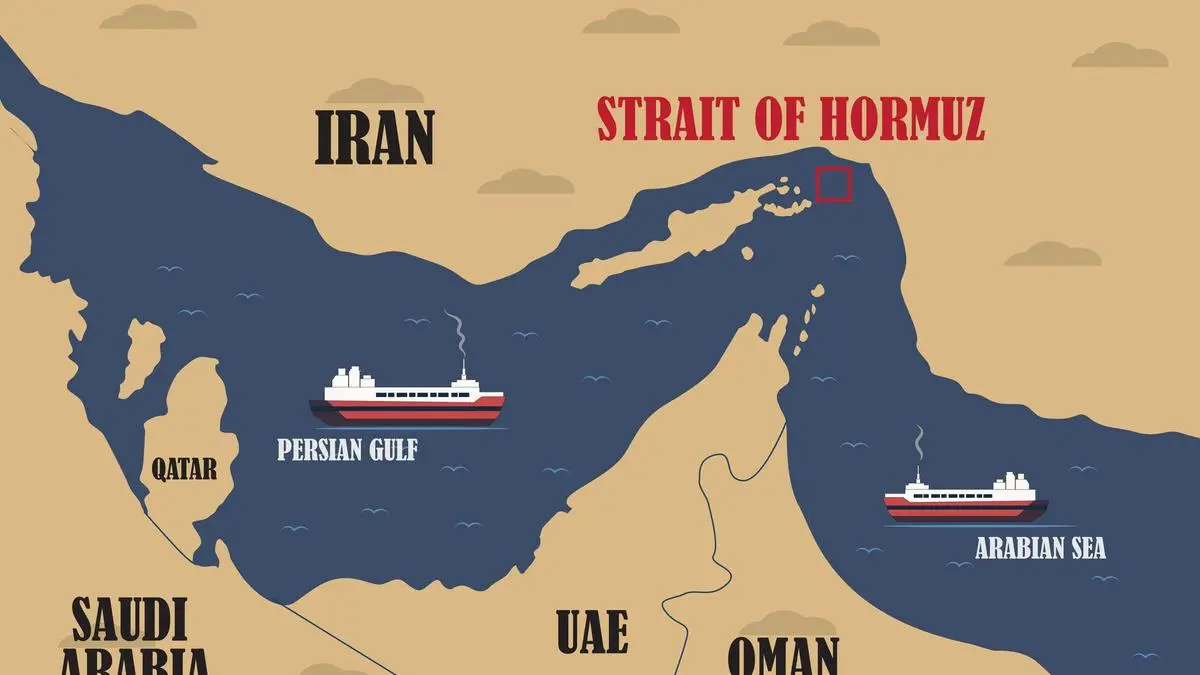
The prospect of a peace agreementbetween the United States andIran is fueling optimism across global financial and commodity markets. At the center of attention is the Strait of Hormuz—one of the world's most important shipping routes and a critical artery for global oil flows.
A large share of traded crude passes through the narrow corridor between the Persian Gulf and the Gulf of Oman. Any disruption pushes energy prices higher, while easing tensions typically stabilizes markets.
If the agreement announced by US President Donald Trump were to materialize and shipping were to fully resume through the Strait, Africa could be among the main indirect beneficiaries. Lower oil prices, reduced freight costs and smoother trade flows would bring relief to economies heavily exposed to imported inflation — particularly in energy, fertilizers and food.
A potential US‑Iran deal could therefore act as a broad stimulus and food security package for many African countries. The greatest gains would likely accrue to energy- and fertilizer-import-dependent economies in East Africa, North Africa and the Sahel. By contrast, oil producers such as Nigeria, Angola and Algeria would benefit less.
The 'best news' for Africa in a long time