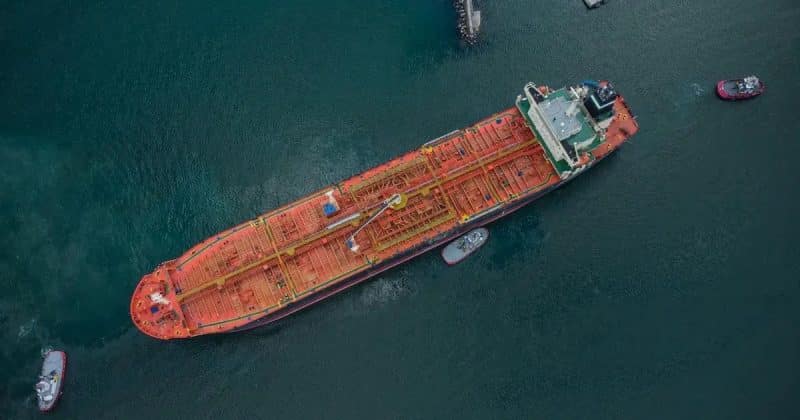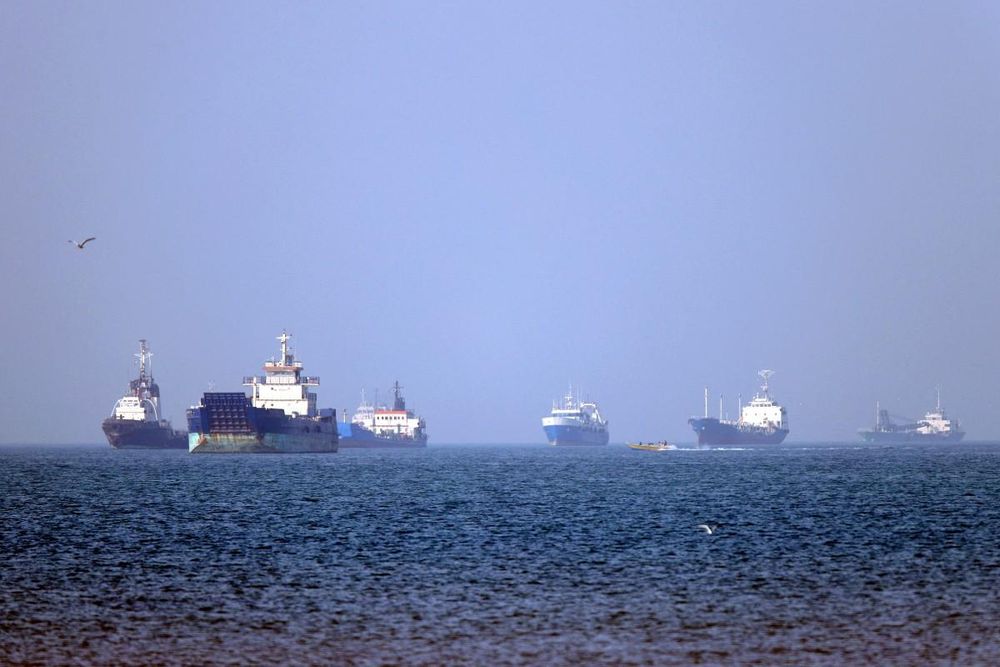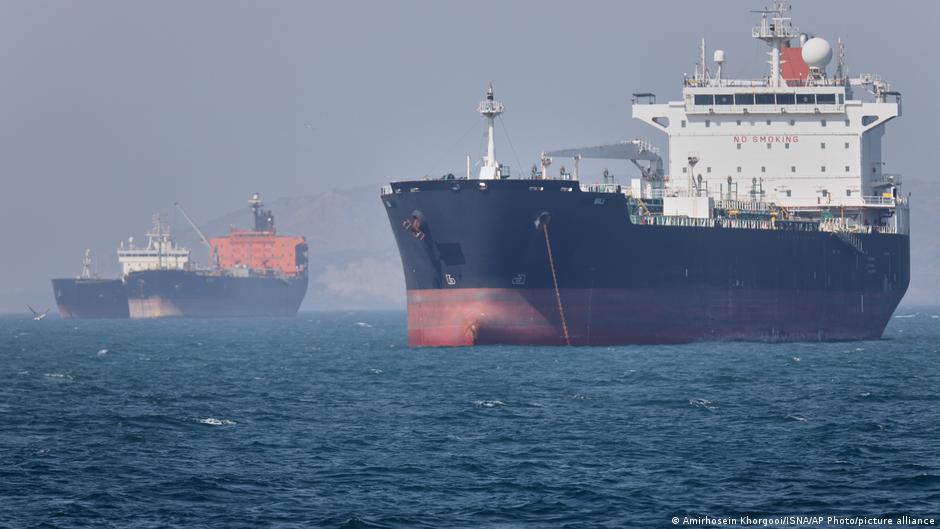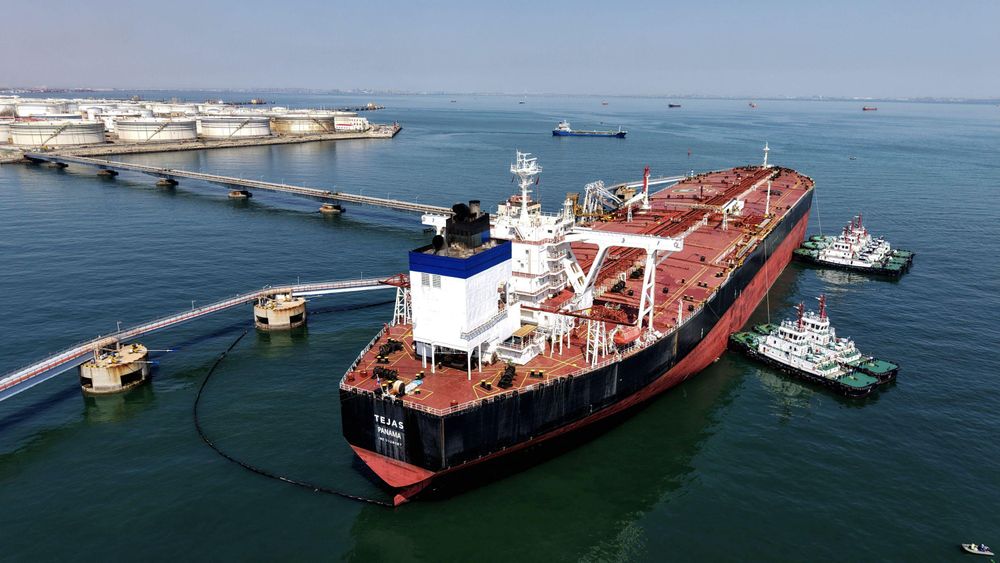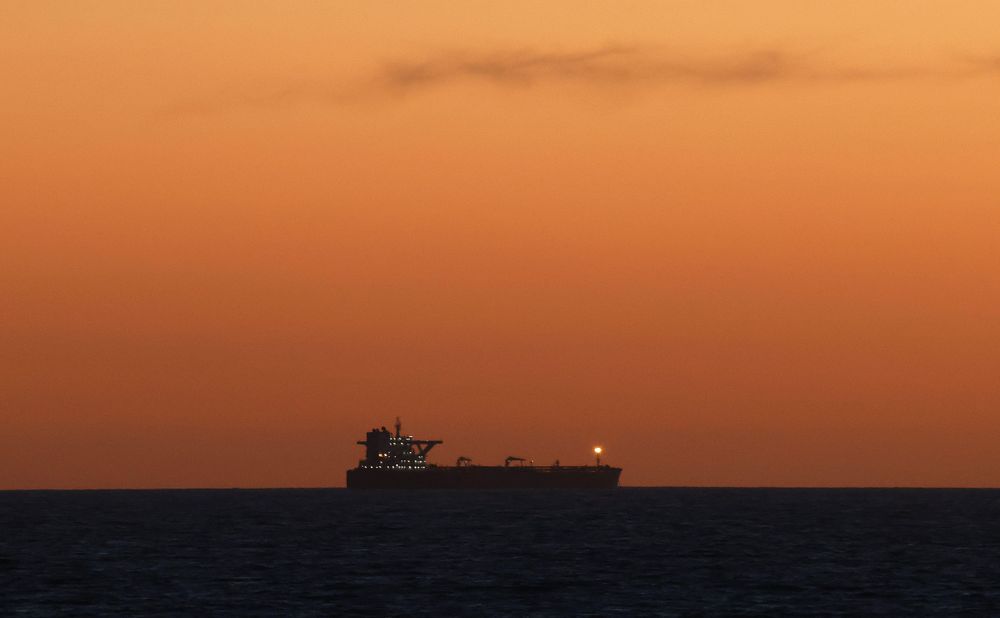
First tankers reportedly exit US blockade in the Strait of Hormuz ahead of US-Iran talks. A sweeping memorandum between the US and Iran could end months of conflict, reopen critical shipping routes and pave the way for hundreds of billions of dollars in economic investment.
RELIEF is finally on the horizon for South African consumers affected by the worst energy crisis in modern history. After months of devastating conflict in the Middle East and a near-total maritime blockade, the signing of the US-Iran peace agreement in Switzerland has opened the way for the reopening of the Strait of Hormuz.
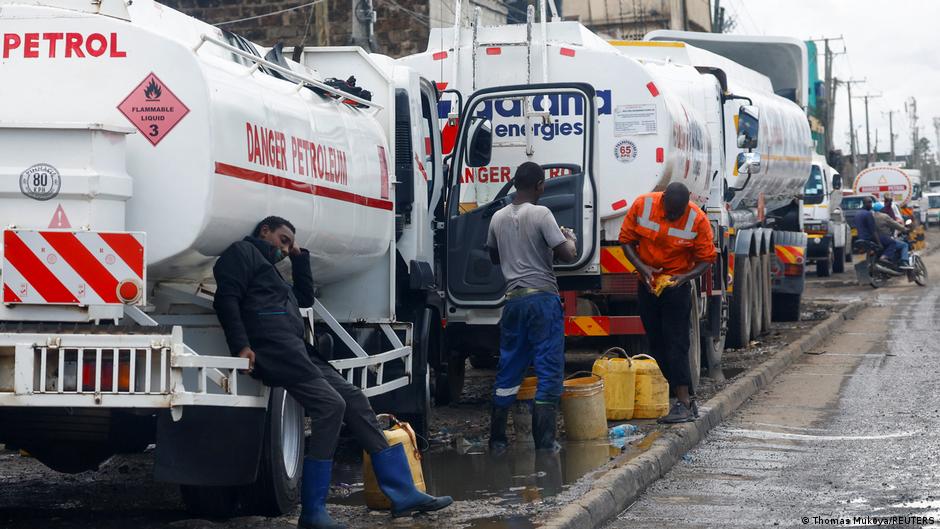
For everyday citizens across our country, this geopolitical breakthrough is not just a distant news story - it is a crucial turning point that will determine whether they can afford to drive to work or provide food for their families next month.
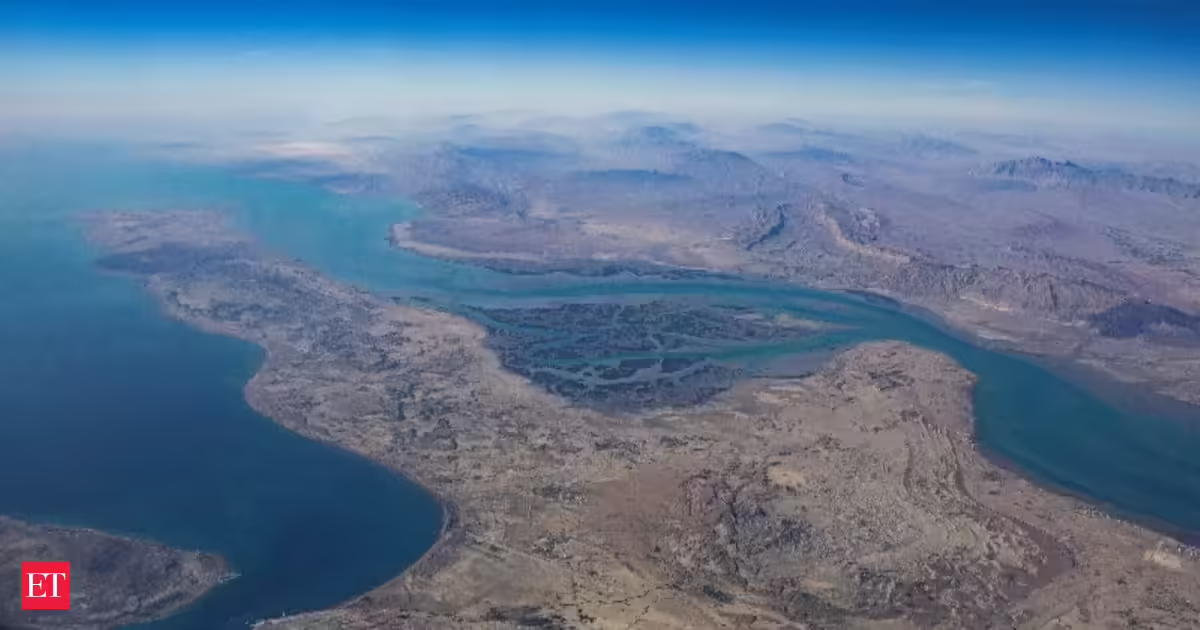
The Strait of Hormuz, a narrow waterway that separates the Persian Gulf from the Gulf of Oman, is the world's most critical oil chokepoint. When conflict erupted earlier this year, the sudden disruption of approximately 20% of global petroleum supplies sent shockwaves through international markets. Global supply plummeted by over 10 million barrels per day, causing the price of Brent crude - the benchmark relevant to South Africa - to surge from a stable $70 per barrel to well over $100 per barrel.