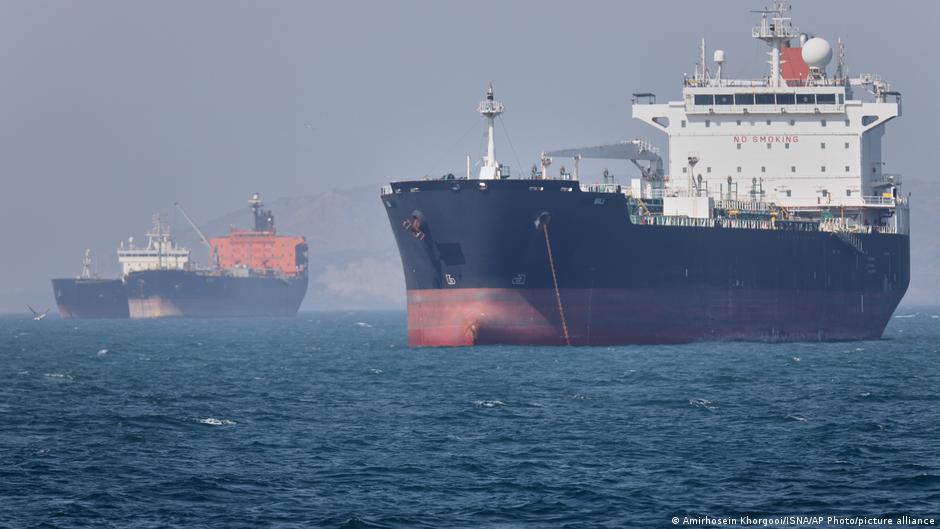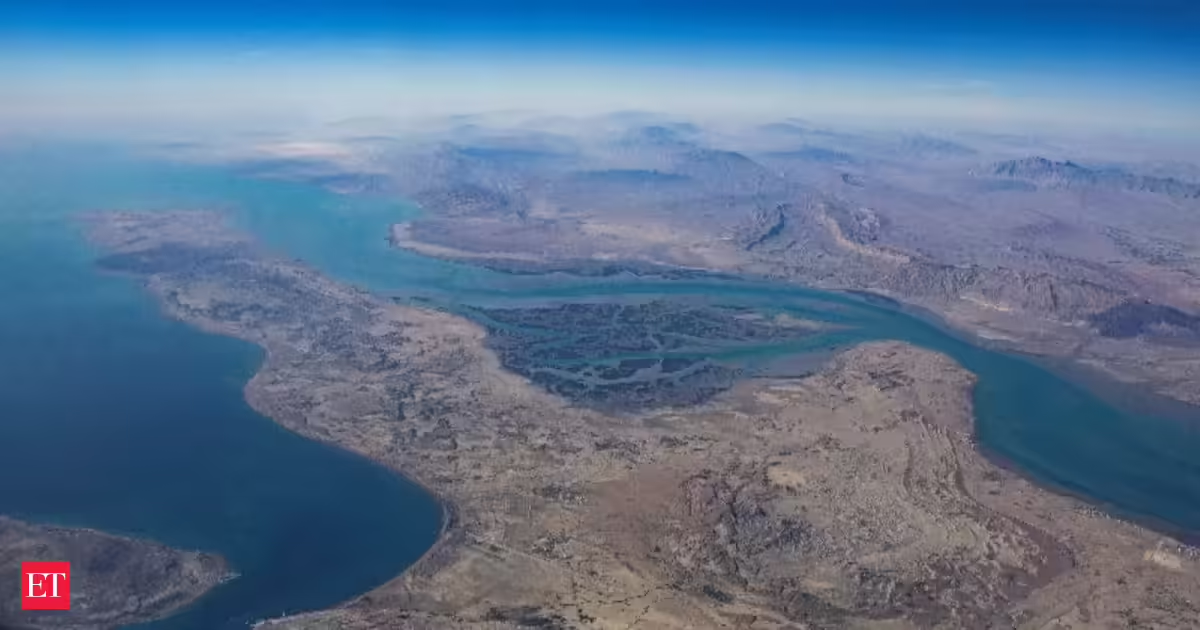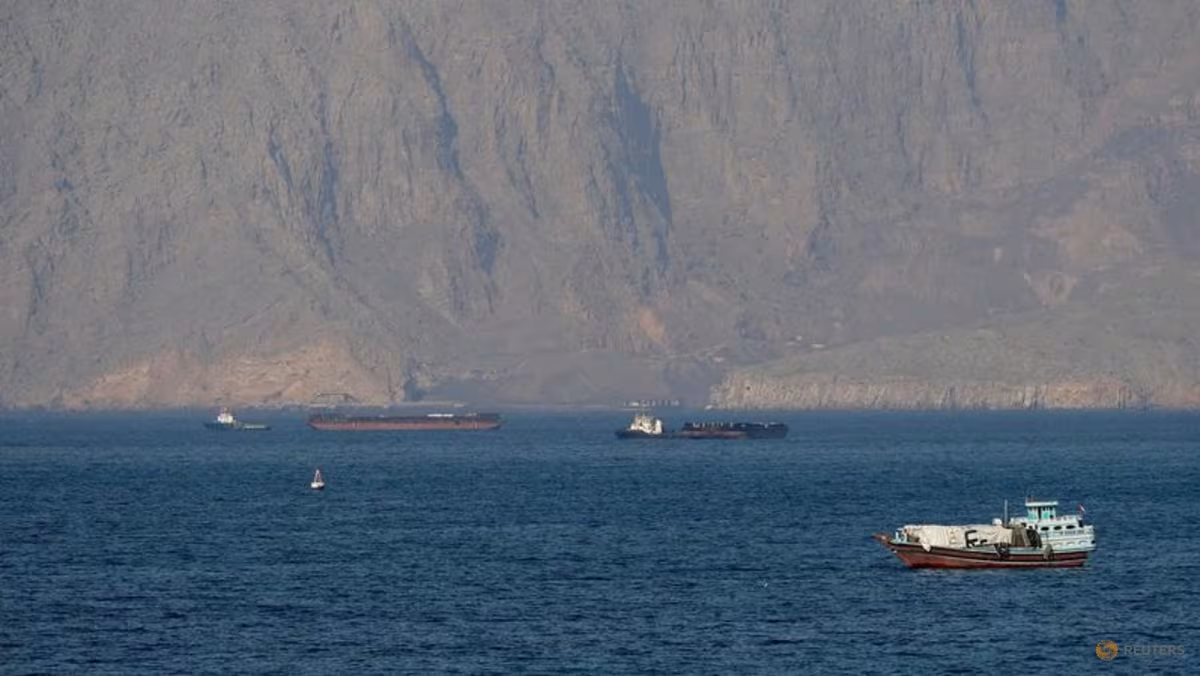
An agreement between the U.S. and Iran that reopens the Strait of Hormuz to shipping promises to knock down oil prices and ease the upward pressure on costs for transport, manufacturing, food and consumer fuels across the world.
But the benefits of a deal would be uneven and take time to filter through. It will take time to clear out the bottleneck in the strait, and shippers said they would need to see an extended period of calm before they are confident enough to sail normally through it.
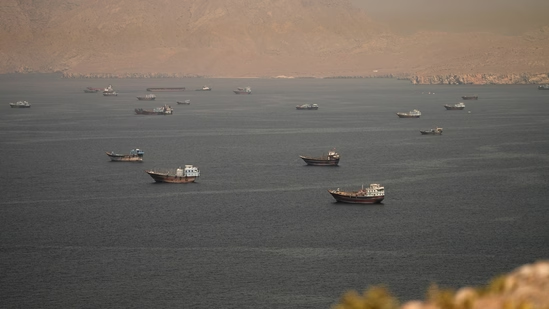
Seafarers said Sunday that some ships stuck in the Persian Gulf already have started moving toward the strait in anticipation of a deal that opens the critical waterway. The route out of the oil-rich Gulf is typically the conduit for about 20% of the world’s petroleum supply. A reopening would reduce inflation pressures, which, in turn, could give central banks more room to hold interest rates steady or revive rate-cut plans, especially in oil-importing economies, while also supporting household spending and corporate margins.
Still, it would be difficult to return energy supplies to their prewar level quickly given the damage to facilities, halted oil production and broader obstacles to shipping through Hormuz, said Hamad Hussain, commodities economist at Capital Economics.