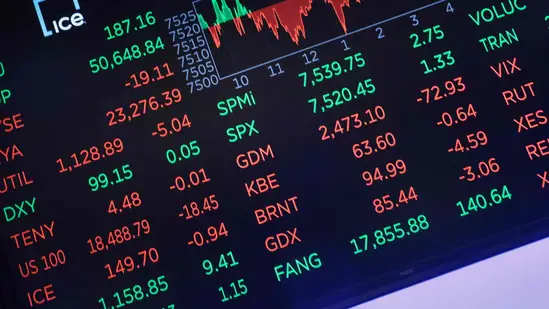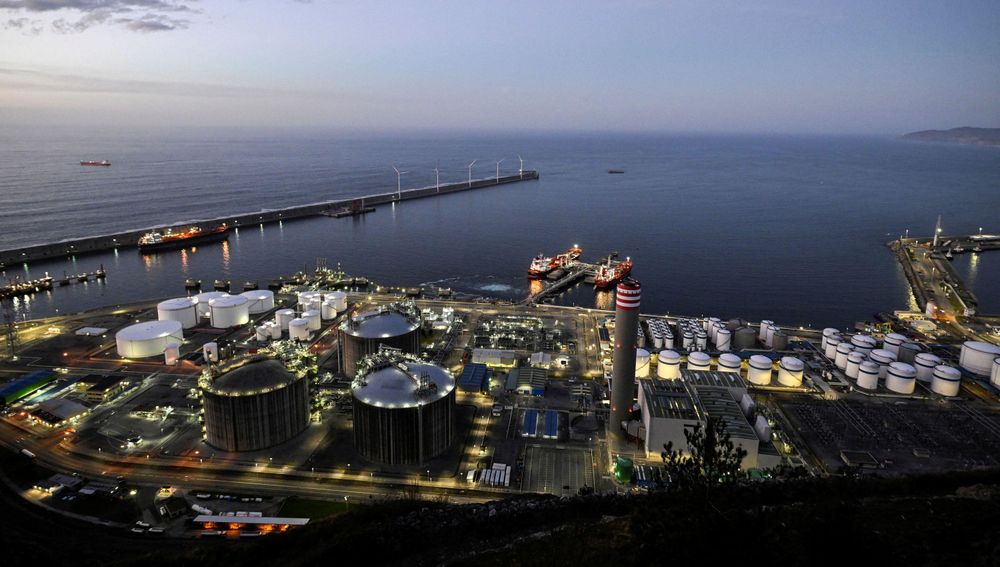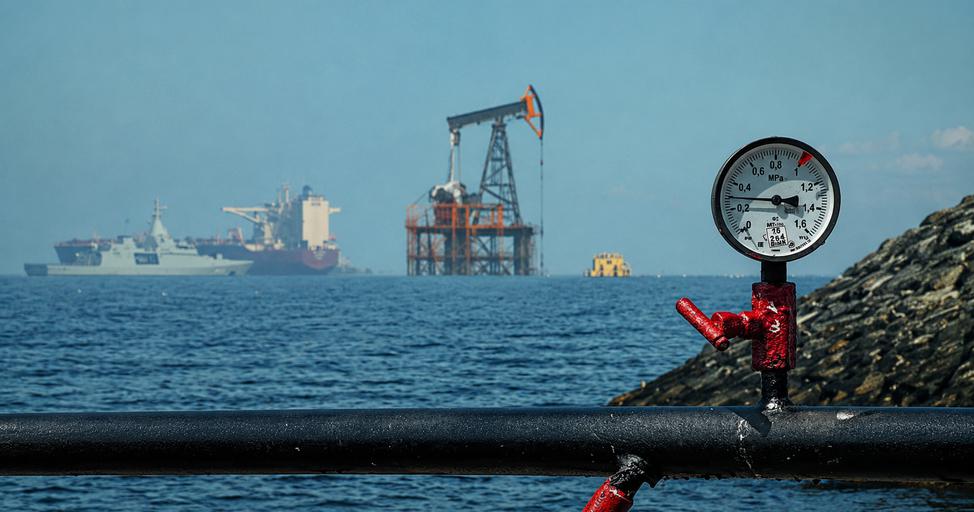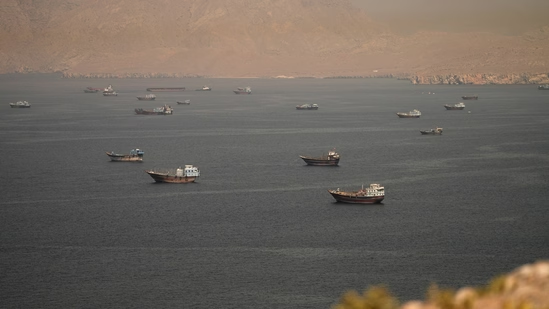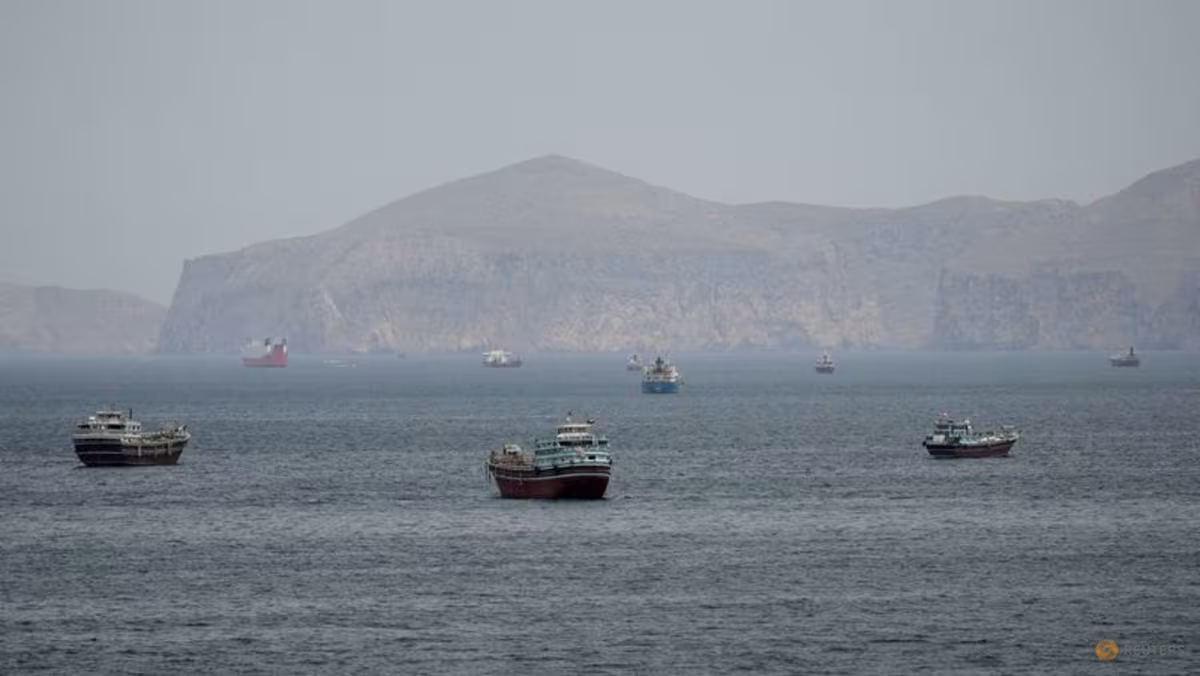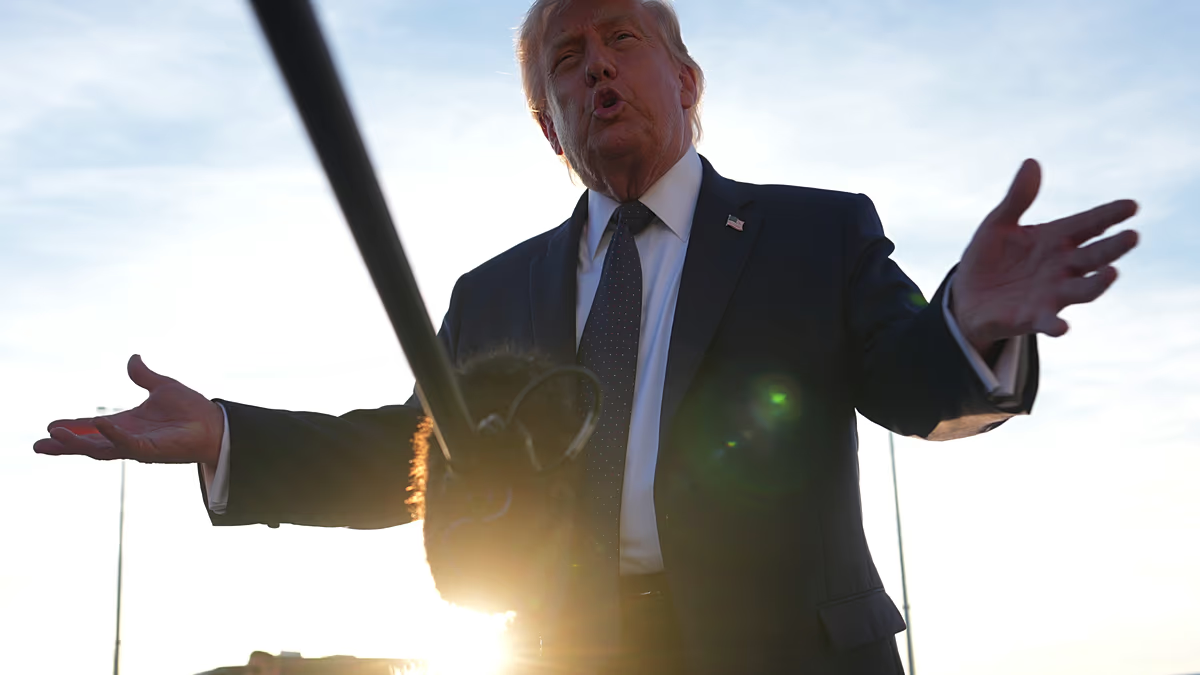
Oil prices were under pressure in early Asian trading on Thursday after the U.S. and Iran formally signed an agreement to reopen the Strait of Hormuz. The speed at which oil markets have changed their tune in recent weeks has been remarkable, with the IEA now warning of an oil glut despite major tightness in today’s market.At the time of writing, Brent crude was trading at $77.64 per barrel, down 2.40% on the day, while West Texas Intermediate had fallen 2.88% to $74.58 per barrel.The agreement, signed by the U.S. and Iranian presidents, extends the existing ceasefire by 60 days while negotiators attempt to reach a permanent settlement. The deal includes the reopening of Hormuz, the lifting of U.S. sanctions on Iran, the unfreezing of Iranian assets, and commitments by Tehran not to pursue a nuclear bomb.Trump made it clear at the G7 summit that the U.S. was ready to resume military action if needed, saying, "We're going to bomb the hell out of them if they violate the agreement".For much of the conflict, analysts had been warning of oil prices soaring, with talk of $200 per barrel as crisis after crisis piled up. Instead, prices have fallen by more than 35% in the last month and remain under pressure.Analysts are divided over these price movements, with some claiming that markets are simply more resilient to disruption than many assumed, drawing parallels to the price spike and then fall following Russia’s invasion of Ukraine. Others are questioning whether markets may have gotten this one wrong, especially the apparent certainty that the current deal will lead to a permanent reopening of the Strait.According to estimates from Kpler, more than 90 million barrels of non-Iranian crude and an additional 70 million barrels of Iranian oil are currently waiting to leave the Gulf region. That estimate seems to be supported by both Dubai and Murban futures flipping into contango - a state in which front-month contracts are priced below deliveries further out.Markets will be watching closely in the coming week to see exactly how much oil begins to flow, especially Iranian oil, which will no longer be sanctioned thanks to the latest ceasefire agreement.Perhaps the most bearish voice in markets at the moment is the IEA, which said on Wednesday that markets could face a significant overhang of crude in 2027 as production growth outpaces demand.As has become the norm in recent years, the IEA’s latest forecast stands in sharp contrast to OPEC’s more optimistic outlook, with the group expecting stronger consumption growth next year.Geopolitical risk may have fallen dramatically in recent weeks, but it remains a major factor, especially with Israel having distanced itself from the provisions in the agreement related to Lebanon and Hezbollah.Only time will tell just how successful this ceasefire deal will be and how quickly oil will return to the market. If the deal is to break down, however, or another supply shock hits the system, it is fair to assume markets might be slightly less resilient next time around. By Josh Owens for Oilprice.comMore Top Reads From Oilprice.comIEA Sees Massive Oil Surplus In 2027 As Middle East Supply ReturnsFalling Murban and Dubai Prices Open Arbitrage to U.S. and EuropePoland Moves To Tax Fuel Windfalls Earned During Iran War
Oil Prices Slide After U.S. and Iran Sign Ceasefire Agreement | OilPrice.com
Oil prices fell after the U.S. and Iranian presidents signed an interim agreement aimed at reopening the Strait of Hormuz, increasing expectations of additional crude supplies and easing geopolitical concerns.
541 words~2 min read