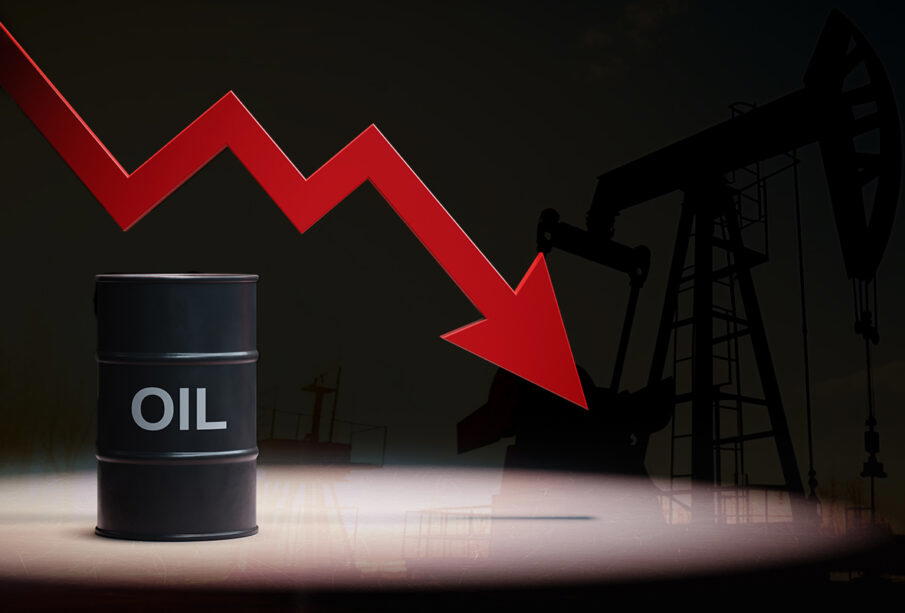
Following the announcement of a memorandum of understanding signed between the United States and Iran to ease regional tensions, the price of Brent crude oil in global markets has experienced a remarkable collapse, falling from its wartime peak of $127 per barrel to the $79.90 range.
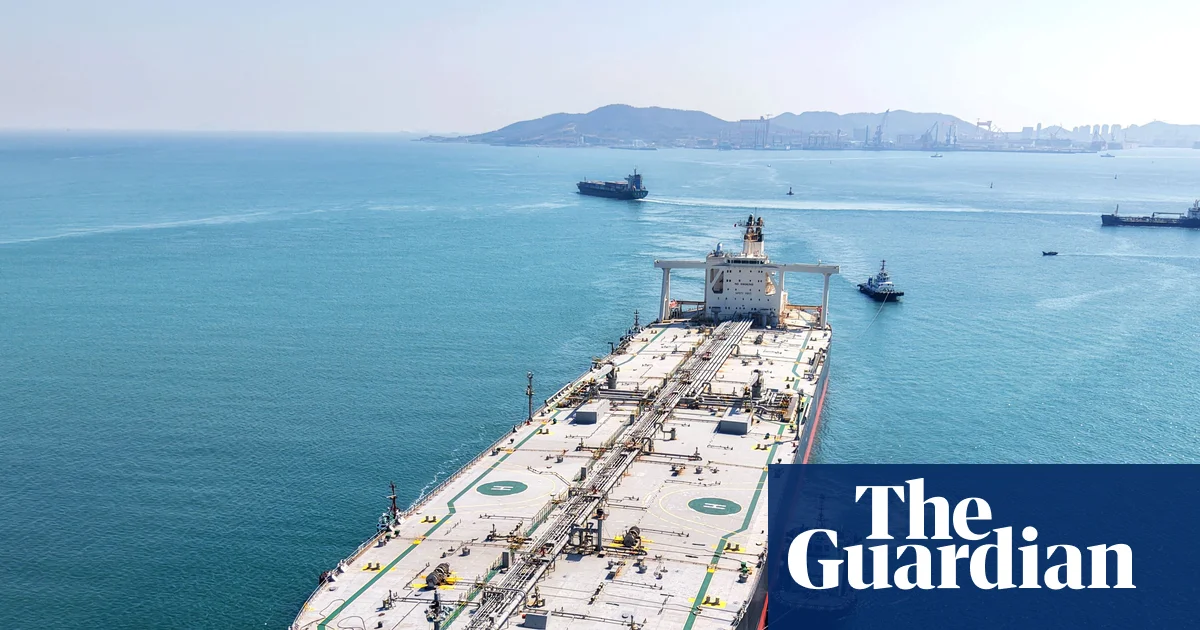
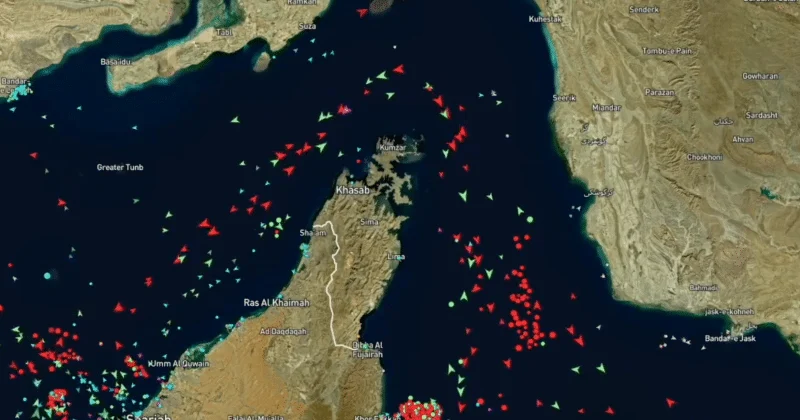
This roughly 60% retreat in oil prices is primarily driven by high trader optimism surrounding an increase in oil supply, fueled by the anticipated reopening of the Strait of Hormuz and the resumption of tanker transits. However, maritime shipping industry operators warn that this optimism may be premature.
Optimistic Traders vs. Cautious Analysts
With the signing of the memorandum between the United States and Iran, trader optimism regarding a surge in oil supply went so far as to push oil prices down by about 60% from their peak during the recent war. Nevertheless, the majority of analyses published by major global financial institutions and international shipping giants show that experts believe the market has reacted more to a best-case scenario - the rapid reopening of the Strait of Hormuz and a sudden spike in oil supply - than to reality. Any delay in implementing the agreement or a resurgence of tensions could trigger severe market volatility.