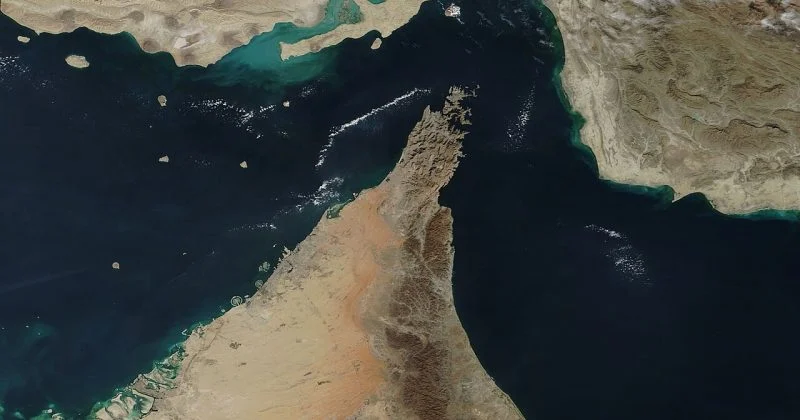
Oil prices plunged in early Monday trading in Asia after the U.S. and Iran announced a deal to reopen the Strait of Hormuz more than 100 days after its closure.At the time of writing, Brent crude had dropped 3.95% to trade at $83.88 per barrel, while WTI had fallen 4.62% to $80.96 per barrel. Oil prices, which peaked in mid-May, have been slowly but surely trending downward in recent weeks on rumors of a deal, even after multiple escalatory strikes.On Sunday night, President Trump declared that a deal with Iran was complete, writing on social media that “oil will flow” through the Strait of Hormuz once the deal is signed on Friday. Iranian Deputy Foreign Minister Kazem Gharibabadi confirmed that the text of a memorandum of understanding had been finalized and that a formal signing ceremony would take place in Switzerland on Friday. Pakistan and Qatar, the two lead mediators in the deal, also confirmed the agreement.While details of the deal are yet to be confirmed, semi-official Iranian state news outlet Mehr News Agency published details from a source “close to Iran’s negotiating team”. Those details include an end to the war in Lebanon, the suspension of sanctions on Iranian oil, the release of $24 billion in frozen Iranian funds, and an affirmation that Iran will not produce nuclear weapons. The release of funds and the broader lifting of sanctions on Iran are set to take place during the ceasefire period, although reporting by Mehr News Agency suggested that $12 billion would be made available to Iran before negotiations begin.Importantly for oil markets, Iran will be able to resume crude exports during the 60-day ceasefire period while broader nuclear negotiations continue. The diplomatic breakthrough was nearly foiled at the eleventh hour when Israel conducted an air strike on southern Beirut, with Trump saying the attack “should not have happened”. The President took to social media immediately after the attack to say “all sides should stand down” and added that there should be no more attacks by Israel anywhere in Lebanon.While the agreement represents the most serious diplomatic breakthrough since the war began, markets will remain on edge until the Strait is cleared of mines, the deal is signed, and normal shipping flows resume. After more than three months of war, traders are finally beginning to price in the possibility of peace and a return to normal. Whether that peace holds, and just how long a return to normal will take, remains to be seen.By Josh Owens for Oilprice.comMore Top Reads From Oilprice.comUK Sets January 2027 Deadline for Ban on Fuel Made From Russian CrudeNorway Pitches Arctic Resources as Key to EU Energy SecurityRussian Governors Rush to Deny Fuel Crisis as Rationing Spreads
Oil Prices Plunge as U.S. and Iran Reach Deal to Reopen Strait of Hormuz | OilPrice.com
Oil prices fell sharply after the U.S. and Iran announced a deal to reopen the Strait of Hormuz.
452 words~2 min read