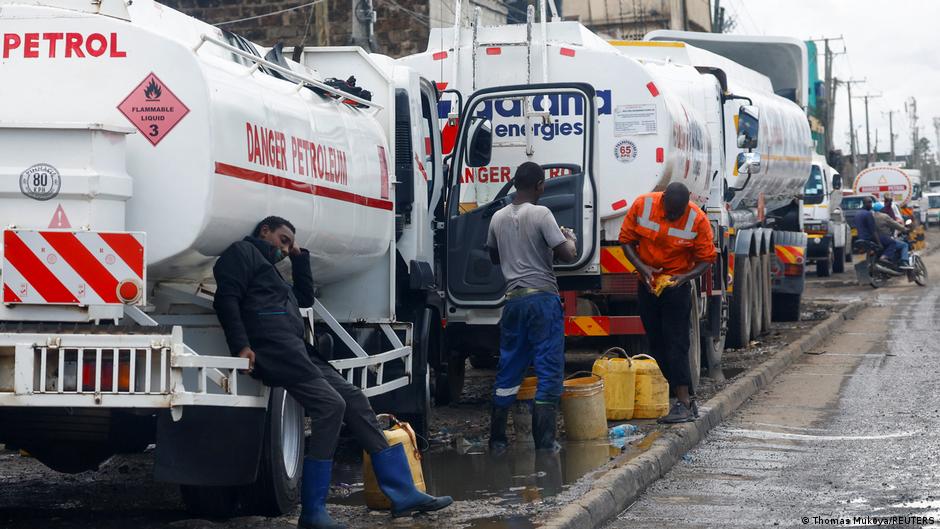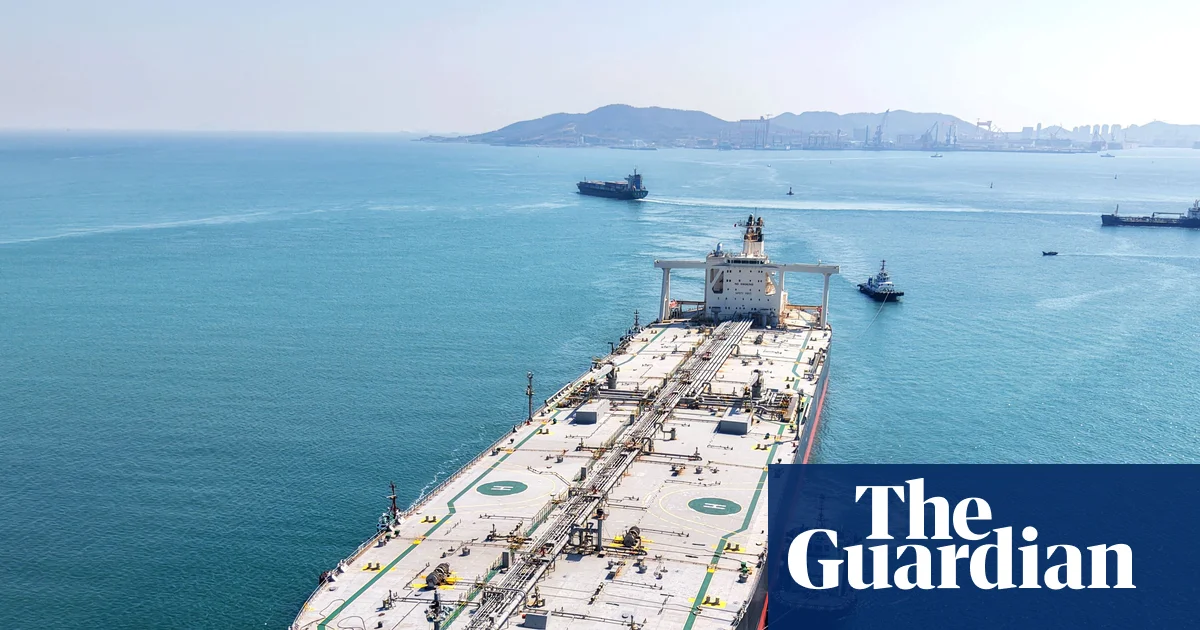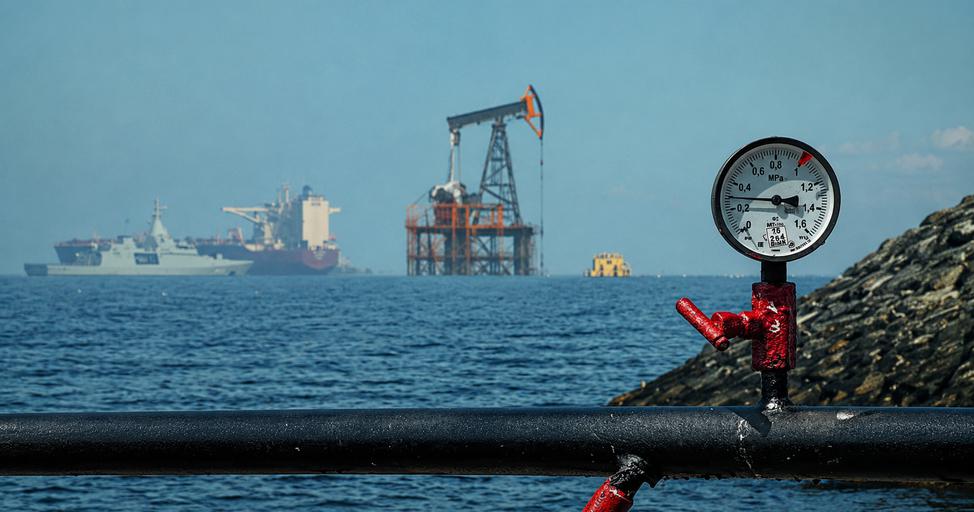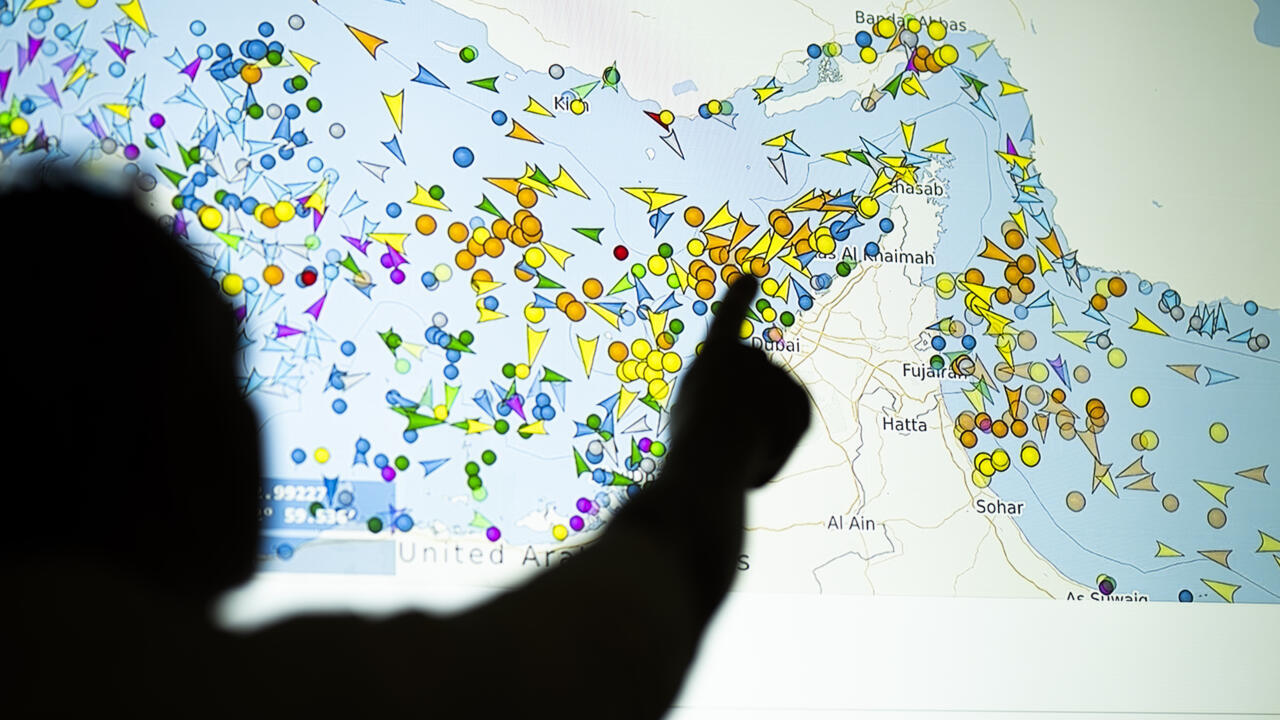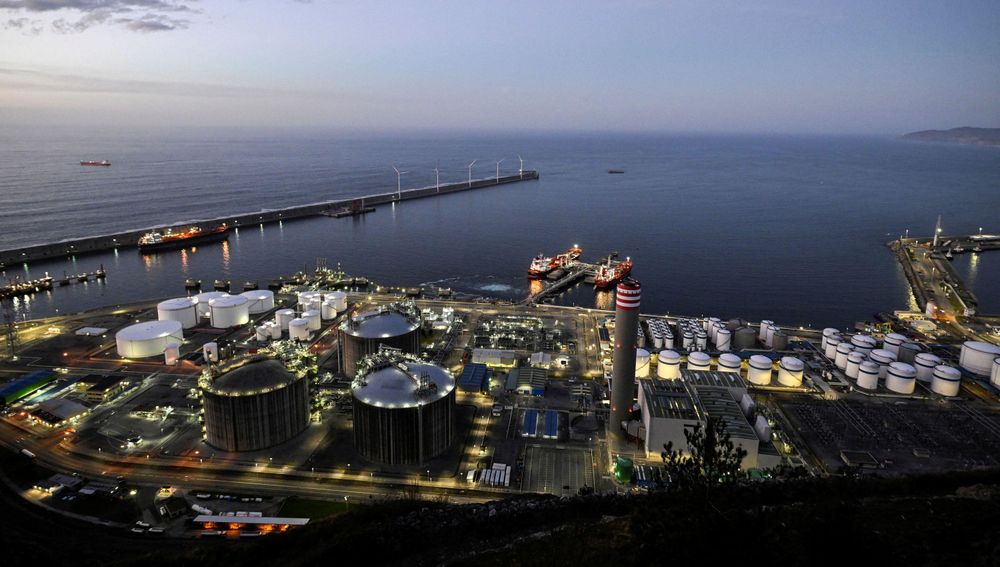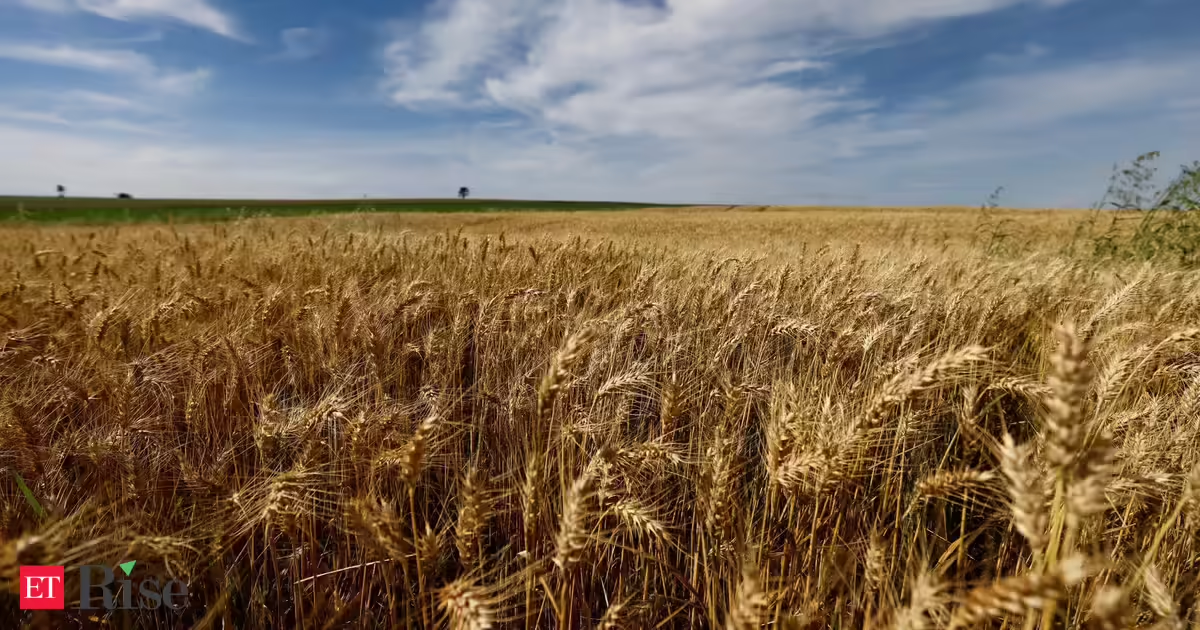
Grain and vegetable oil futures declined on expectations that a potential reopening of the Strait of Hormuz would improve access to vital crop inputs, easing the threat of food inflation from the months-long war in the Middle East. The US and Iran said they reached an interim agreement to reopen the waterway, potentially halting a conflict that killed thousands of people and disrupted global trade. Officials from the two countries will meet in Switzerland on June 19 to formally sign the agreement, suggesting aspects of the deal may be unresolved.Hormuz is a key conduit for fertilizer and fuels used by farmers, and its shutdown boosted crop prices. The United Nations’ Food and Agriculture Organization had warned in May that a severe global food price crisis could set in within six to 12 months due to the strait’s closure. “It is modestly bearish for agricultural prices and supportive for crop supply,” Tobin Gorey, a strategist at the Commonwealth Bank of Australia, said by phone. However, it remains unclear whether this is a lasting resolution or another step in the negotiating process so “markets will want evidence, not just announcements.”Some of the war-driven price premium had already begun to fade across crop markets in recent weeks, partly due to ample global stockpiles and a decline in fertilizer costs.BloombergMonday’s losses extended that drop, with wheat and corn and futures down more than 1% in Chicago. Soybeans notched smaller declines and palm oil fell as much as 0.8% in Kuala Lumpur.The rally in crude oil and fuel prices triggered by the war has boosted demand for biofuels such as ethanol that are made from crops. The peace deal could reverse that trend. In Brazil, millers can choose to make either sugar or ethanol from their cane, depending on what’s more attractive. Lower oil prices tend to erode the biofuel’s competitiveness, increasing the incentive to produce more sugar and adding to global supplies. Soybean oil is also affected by a reduction in the profitability of turning it into biodiesel, said Anilkumar Bagani, head of research at Mumbai-based Sunvin Group.White sugar prices in London dropped. Soybean oil and rapeseed traded on the Paris exchange dropped more than 2%. Food InflationThe decline in palm oil futures was limited as the market was awaiting certainty over a higher biofuels policy mandate by major producer Indonesia, said Gnanasekar Thiagarajan, head of trading and hedging strategies at Kaleesuwari Intercontinental. Demand could resurface as access to the Middle East improves, he added.The reopening of Hormuz to shipping could help ease food inflation, potentially reducing pressure on interest rates and fueling a recovery in agricultural commodity demand, Thiagarajan said.“However, 2026 is still going to be an El Niño year, which can hurt production due to below-normal rains” in some areas, said Sonal Varma, Nomura Holding Inc.’s chief economist for Asia ex-Japan. “So we are not completely out of the woods, but this is incrementally positive news for food inflation.”
Crop prices drop as Hormuz reopening to ease farm-input shock
The development, stemming from an interim US-Iran agreement, could alleviate food inflation fears fueled by the Middle East conflict.
487 words~2 min read