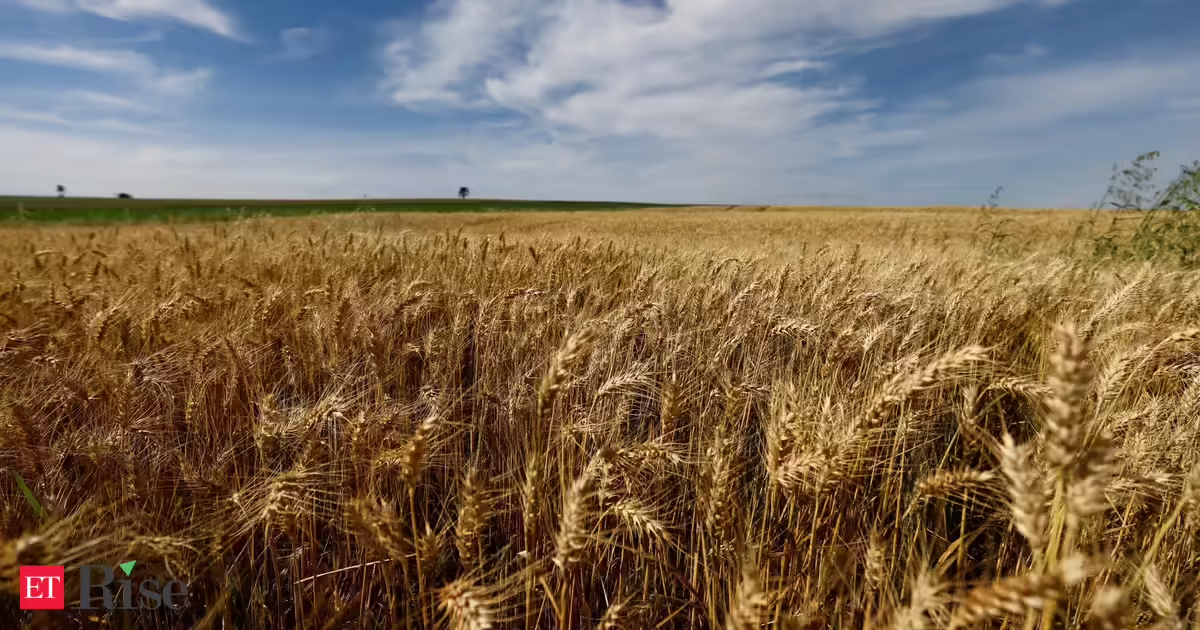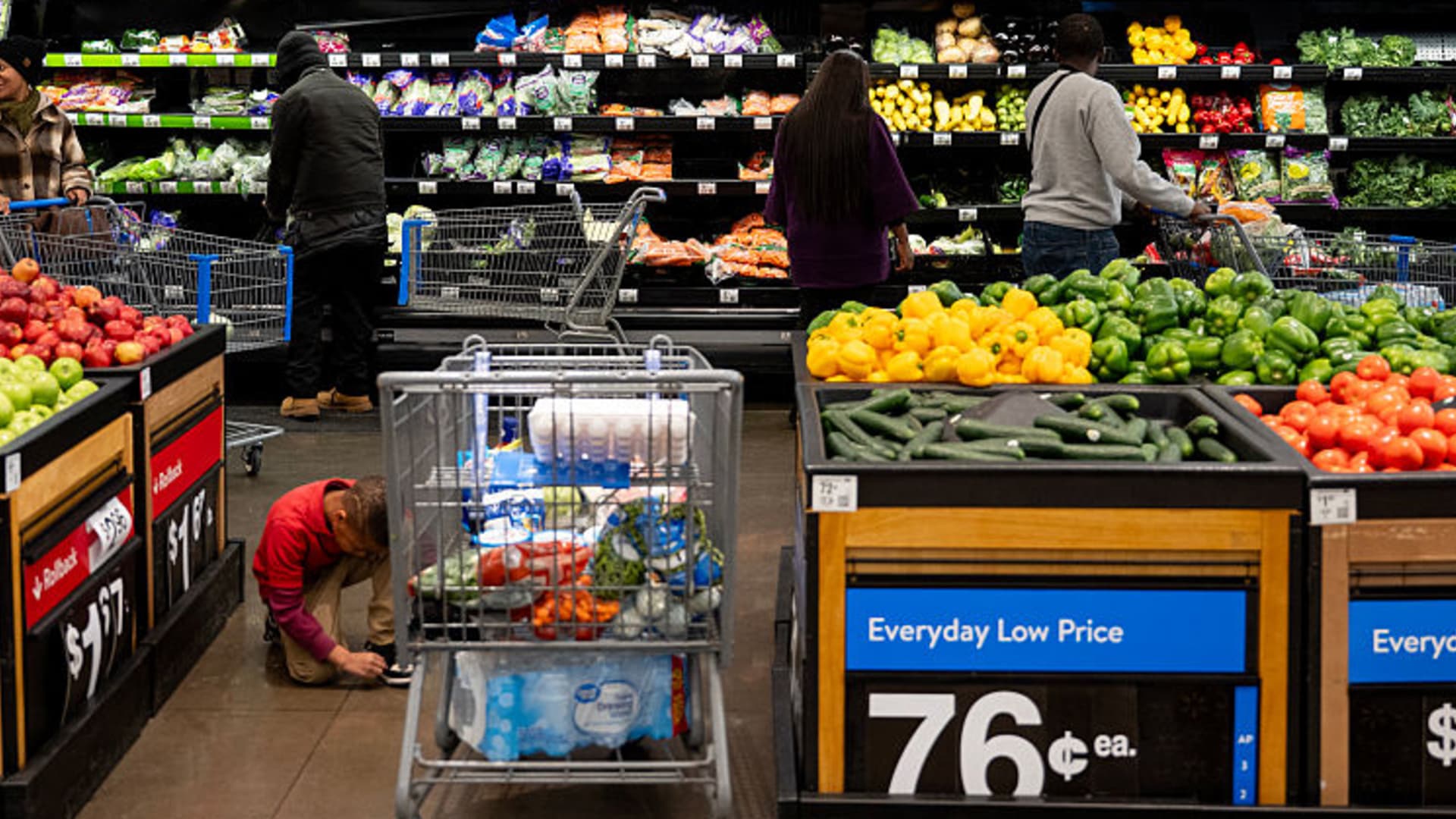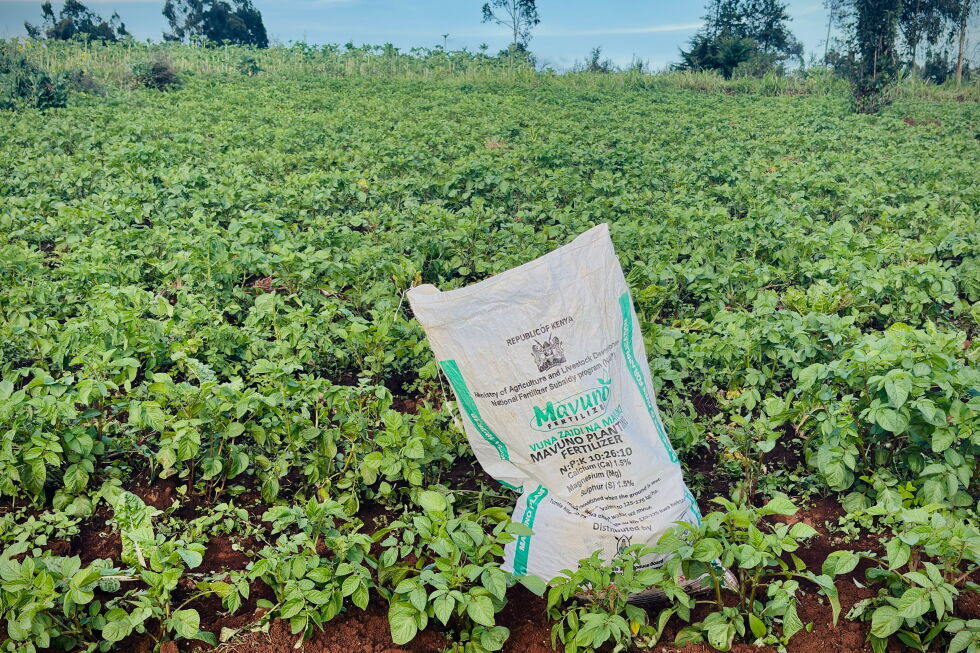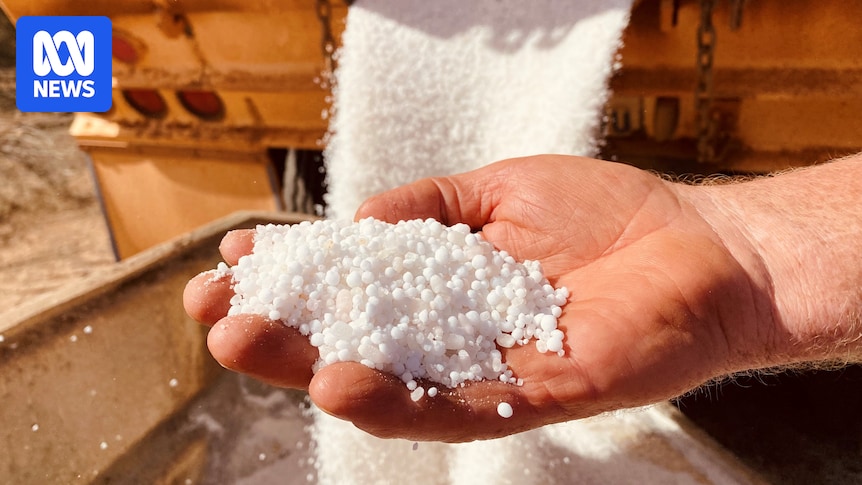
The months-long standoff between the US and Iran choked off one of the world’s most critical shipping lanes, sent oil prices screaming past $120 per barrel, and made fertilizer so expensive that farmers started sweating through their spreadsheets. Now, with a ceasefire in place and the Strait of Hormuz reopened, global food prices are finally starting to ease.
What happened, and why your grocery bill cares
The US-Iran conflict escalated in February 2026 and effectively shut down the Strait of Hormuz, through which roughly a fifth of the world’s oil supply passes daily. Brent crude spiked above $120 per barrel, and fertilizer prices surged approximately 40% as key shipments ground to a halt.
The Food and Agriculture Organization’s global food price index reflected multiple months of increases during the disruption, with vegetable oils alone jumping 6% in a single reporting period.
The ceasefire, reached around June 15 to 19, triggered an immediate 5% drop in oil prices. From their March highs, crude has now fallen roughly 33%, stabilizing around $80 per barrel.