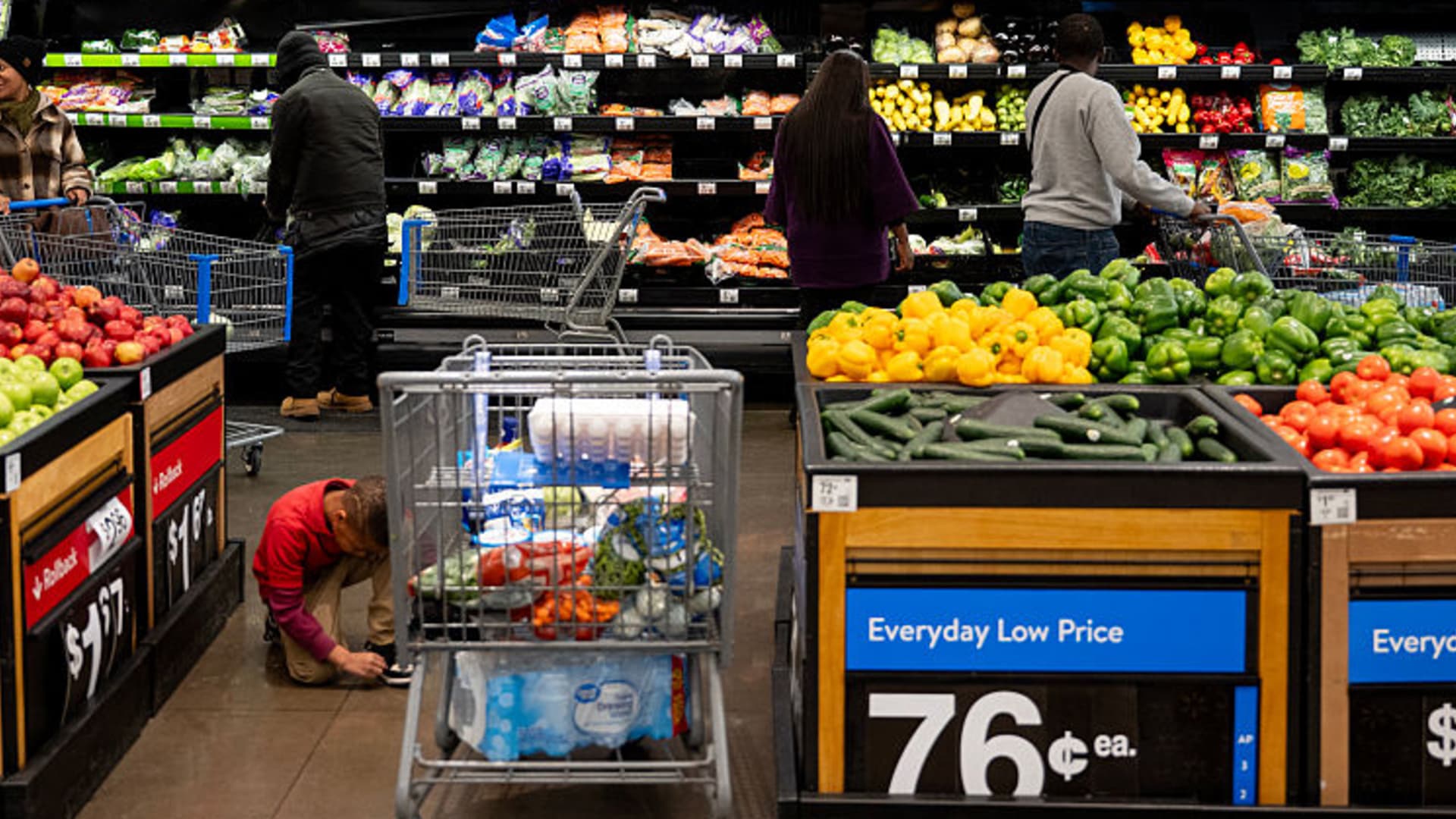
The war in Iran could raise global food prices as the conflict disrupts fertilizer shipments through one of the world’s most critical trade routes.
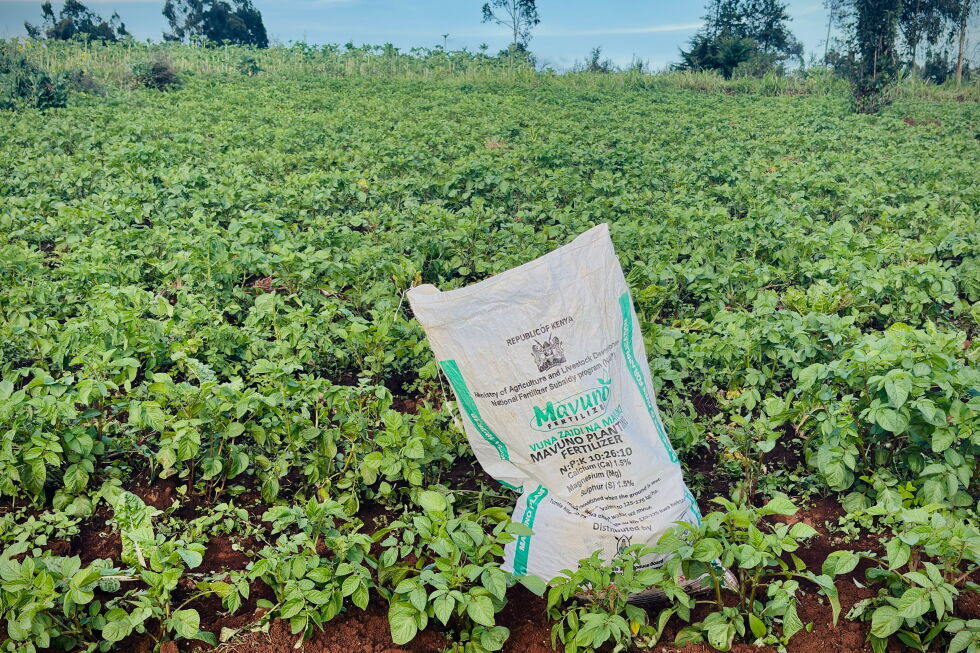
While energy markets have focused on oil supply risks, analysts say threats to fertilizer supply chains through the Straight of Hormuz may also bring long-term economic issues through food inflation.
“Beyond energy, another risk receiving less attention is the potential knock-on effect on food prices, as fertilizer shortages push agricultural costs higher,” said Wolfe Research chief economist Stephanie Roth in a note written on Tuesday.
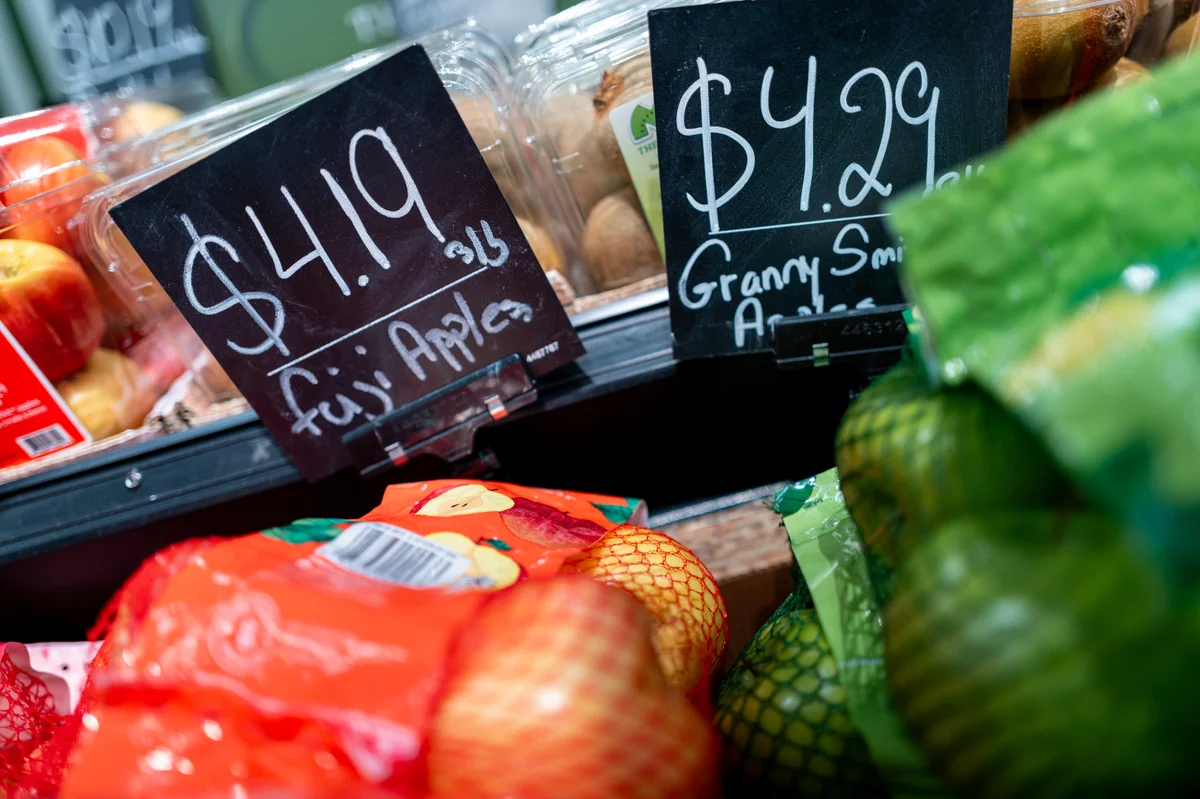
Roth estimates the disruption could raise “food-at-home” inflation by roughly 2 percentage points, adding about 0.15 percentage points to headline inflation in the U.S., on top of roughly 0.40 percentage point increase from energy.
Those potential price hikes come as U.S. consumers face a sustained stretch of higher prices for food, housing and energy. Inflation for food at home climbed 2.4% year over year in February, the Bureau of Labor Statistics said Wednesday.