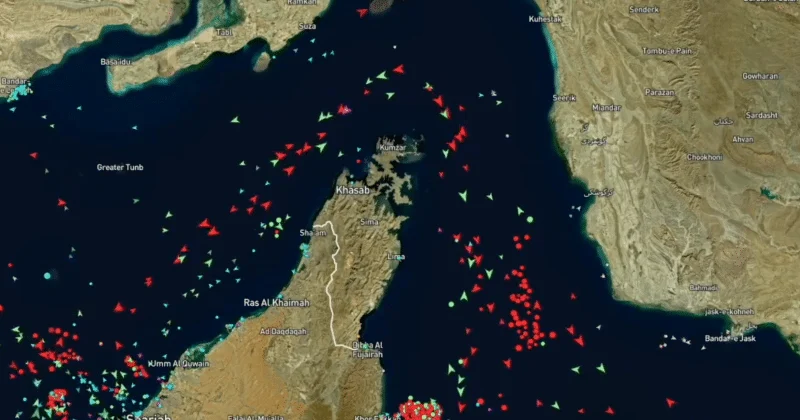
Americans could see some relief at the gas pump after oil prices tumbled Monday on news of a tentative agreement to reopen the Strait of Hormuz.U.S. crude oil futures have fallen to under $80 a barrel, their lowest level since March. The impact of oil prices extends beyond gasoline. As a rough rule of thumb, every 10% sustained increase in oil prices adds as much as a third of a percentage point to annual inflation over the following year, according to Christopher Hodge, an economist at Natixis CIB Americas.But lower oil prices don't mean other costs will fall right away. While gasoline prices tend to respond relatively quickly to changes in crude oil, lower energy costs can take much longer to show up in groceries, household goods and other everyday expenses. "Consumers can expect relief at the gas pump... but they shouldn't expect broad price reductions across the economy," says Stephen Kates, a financial analyst at Bankrate.For one thing, there's no guarantee crude prices will stay low, even if the Strait reopens. Oil supplies may take time to recover, and countries that tapped strategic reserves during the crisis will need to replenish them, creating additional demand, Kates says.And even if energy costs continue to ease, consumers may not see the benefits right away, says David Ortega, a food economist at Michigan State University. "Prices shoot up quickly when there is a shock but tend to fall much more slowly, especially when there is uncertainty."Why falling oil prices don't immediately lower everyday costsGasoline prices tend to respond relatively quickly to changes in crude oil because fuel is refined directly from petroleum. If lower oil prices persist, drivers could begin seeing lower gasoline prices within roughly a week, Ortega says. Beyond gasoline, oil also affects the cost of transporting goods, manufacturing products and producing food."On how oil moves through the economy, it really travels along different tracks," Ortega says.Some grocery categories, particularly fresh produce, may respond more quickly than many packaged foods. That's because products with shorter shelf lives and faster inventory turnover can adjust more rapidly to changing costs, he says.As a rough rule of thumb, it can take upwards of six months from the start of an oil-price shock for the full effect to show up in grocery prices. Any relief tends to arrive just as gradually, Ortega says.For many other goods and services, the timeline may be even longer. Even if oil prices stabilize, elevated freight rates, risk premiums and refinery disruptions could keep some prices elevated for months, says Tammy Kulesa, senior director of supply chain execution at Blue Yonder, a supply-chain software company. Airfares, appliances and some household goods may continue to reflect higher fuel, shipping and manufacturing costs even after oil markets stabilize, she says."The rate of inflation may level off and cool through the summer, but the price of most goods and services will not fall," says Kates. "Most prices will only rise more slowly." Want to get ahead at work? Then you need to learn how to make effective small talk. In CNBC's new online course, How To Talk To People At Work, expert instructors share practical strategies to help you use everyday conversations to gain visibility, build meaningful relationships and accelerate your career growth. Sign up today!
As Hormuz crisis eases, gas prices may drop—other costs like groceries and home goods could stay high for a while
Oil prices are falling after a tentative agreement to reopen the Strait of Hormuz, but broader relief from higher prices may take time.
544 words~2 min read