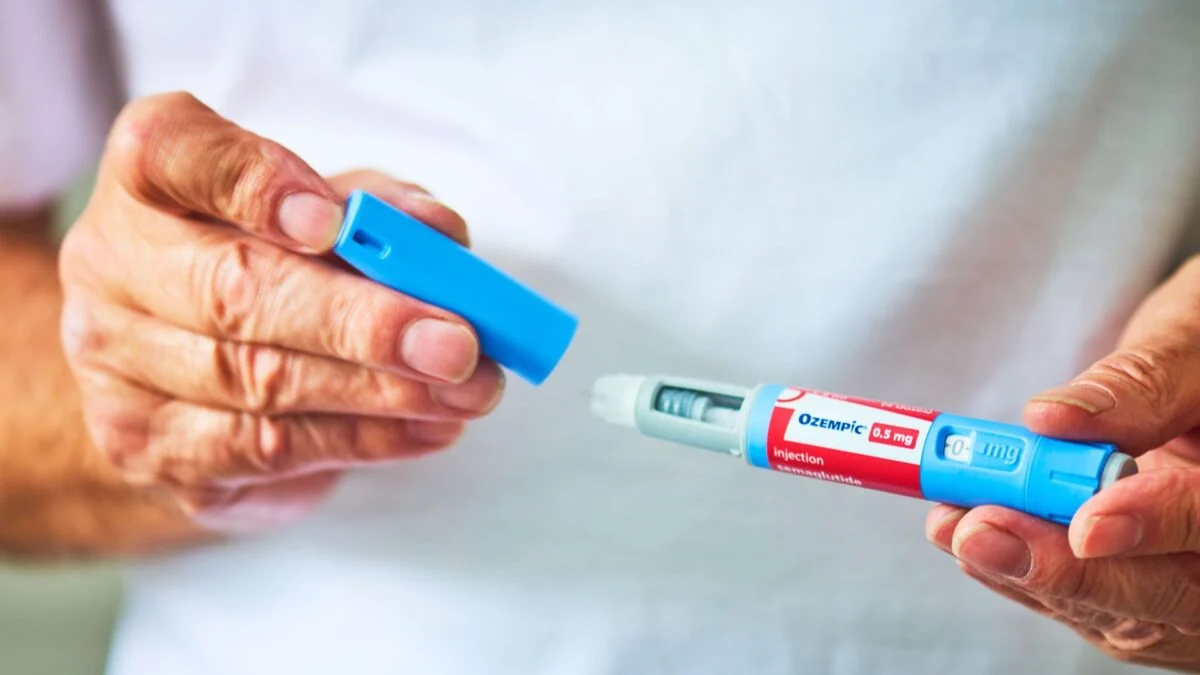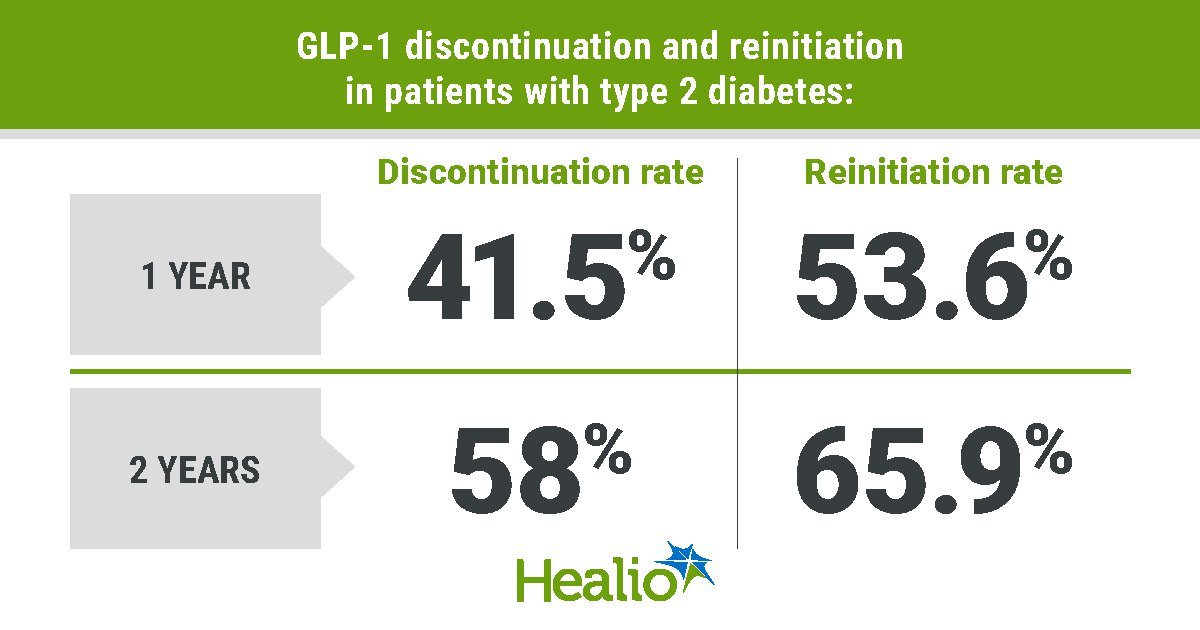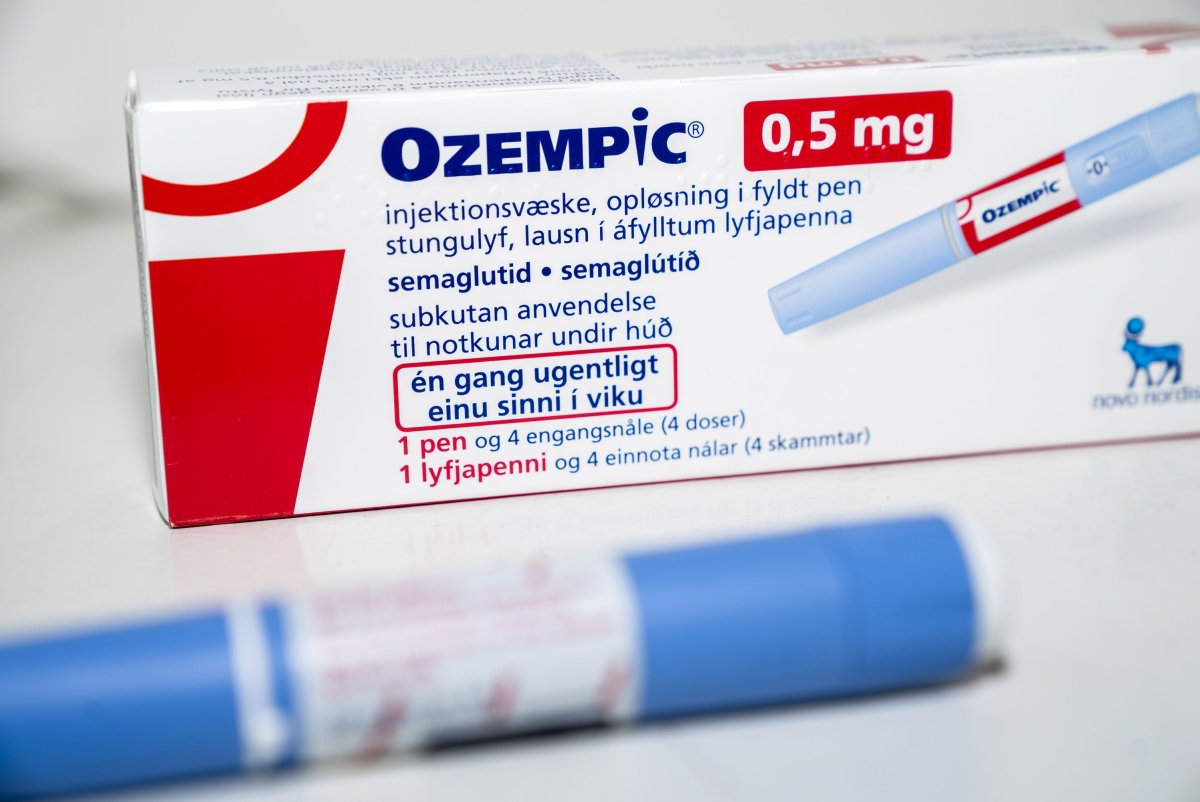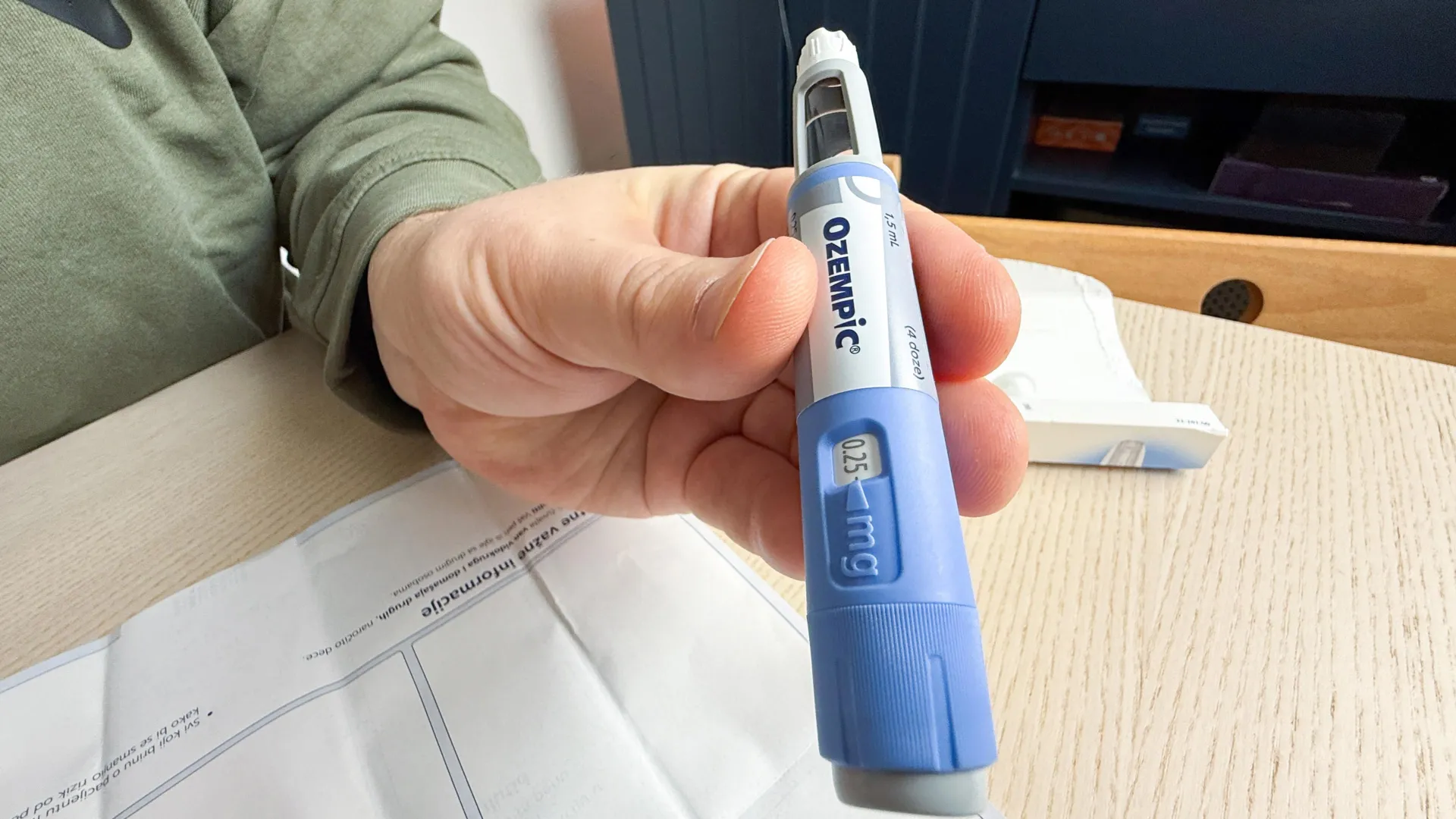
People taking GLP-1 medications for type 2 diabetes (liraglutide, semaglutide, or tirzepatide) may be more likely to stop and later restart treatment than many people realize, according to research presented Sunday at ENDO 2026, the Endocrine Society's annual meeting in Chicago, Ill.
The study examined two questions that have received limited attention so far.
"Our study asked two questions that haven't been well answered until now: How many people with type 2 diabetes taking GLP-1 medications actually stop using them? And how many restart them?" said Sainikhil Sontha, M.S., a research associate at Boston University School of Public Health in Boston, Mass.
Researchers analyzed Komodo Health U.S. claims data (January 2019 to June 2025) in a retrospective cohort study. The analysis included adults ages 18 to 64 with type 2 diabetes and a BMI ≥25 kg/m2 who had started treatment with liraglutide (Victoza), semaglutide (Ozempic), or tirzepatide (Mounjaro). Participants had been enrolled during the previous year and had more than 6 months of follow-up data available.
The team defined discontinuation as a gap of more than 60 days between prescription refills. Restarting treatment after such a gap was classified as reinitiation.