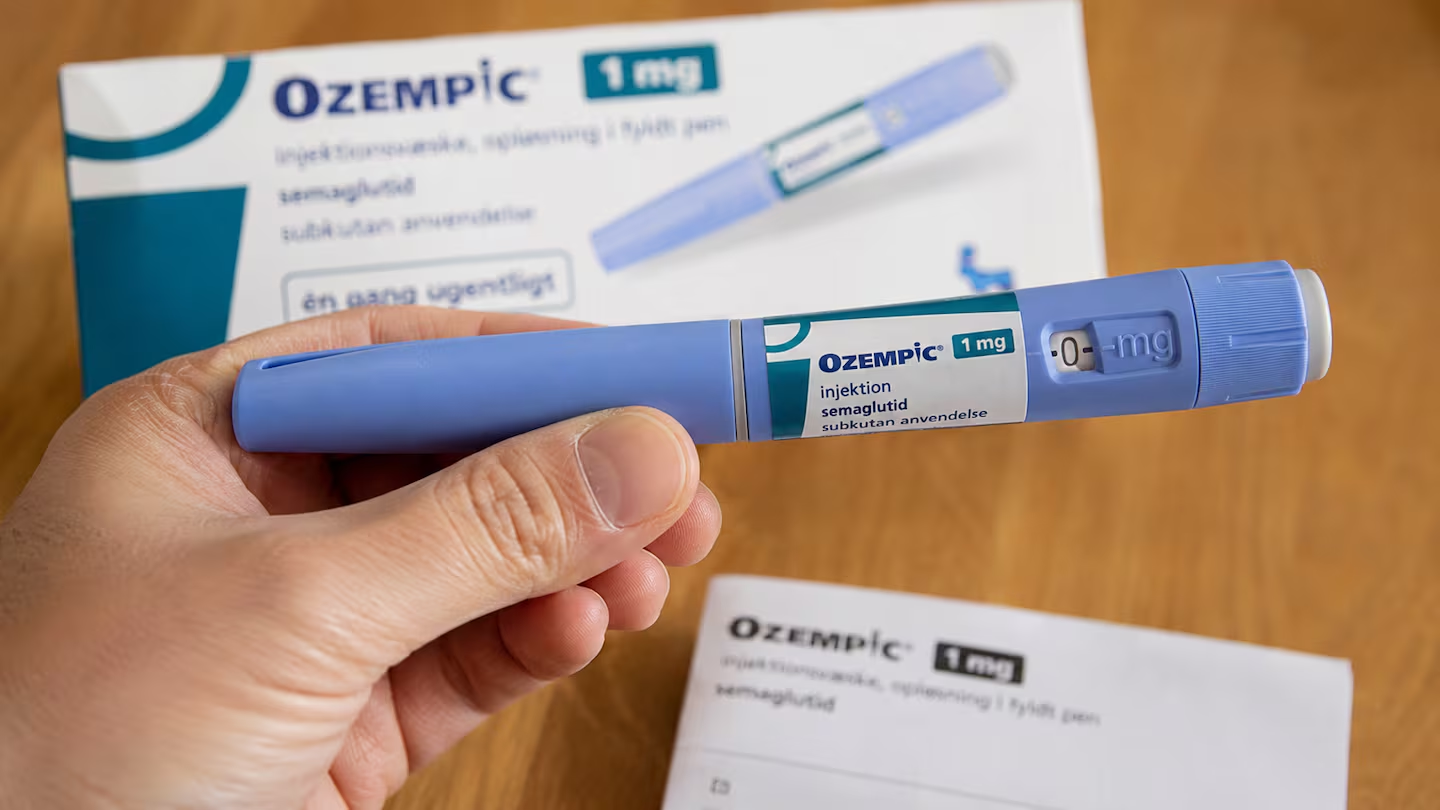
More than one-quarter of people with Type 2 diabetes now use GLP-1 receptor agonists, a class of medications that includes Ozempic. But new research from Stanford Medicine and international collaborators suggests these widely prescribed drugs may be less effective for some patients because of their genetics.
The study found that about 10% of people carry genetic variants linked to a phenomenon known as GLP-1 resistance. Individuals with these variants appear to produce higher levels of the hormone GLP-1 (glucagon-like peptide-1), which helps regulate blood sugar, yet the hormone does not seem to work as effectively in their bodies.
Researchers focused on blood sugar control and did not reach firm conclusions about weight loss effects. Drugs such as Ozempic and Wegovy are typically prescribed at higher doses for obesity treatment than for diabetes management, and more research is needed to determine whether the same genetic factors influence weight loss outcomes.
Published in Genome Medicine, the study brought together scientists from multiple countries over a period of 10 years. The work included experiments in both humans and mice, along with analyses of data from clinical trials involving diabetes medications.