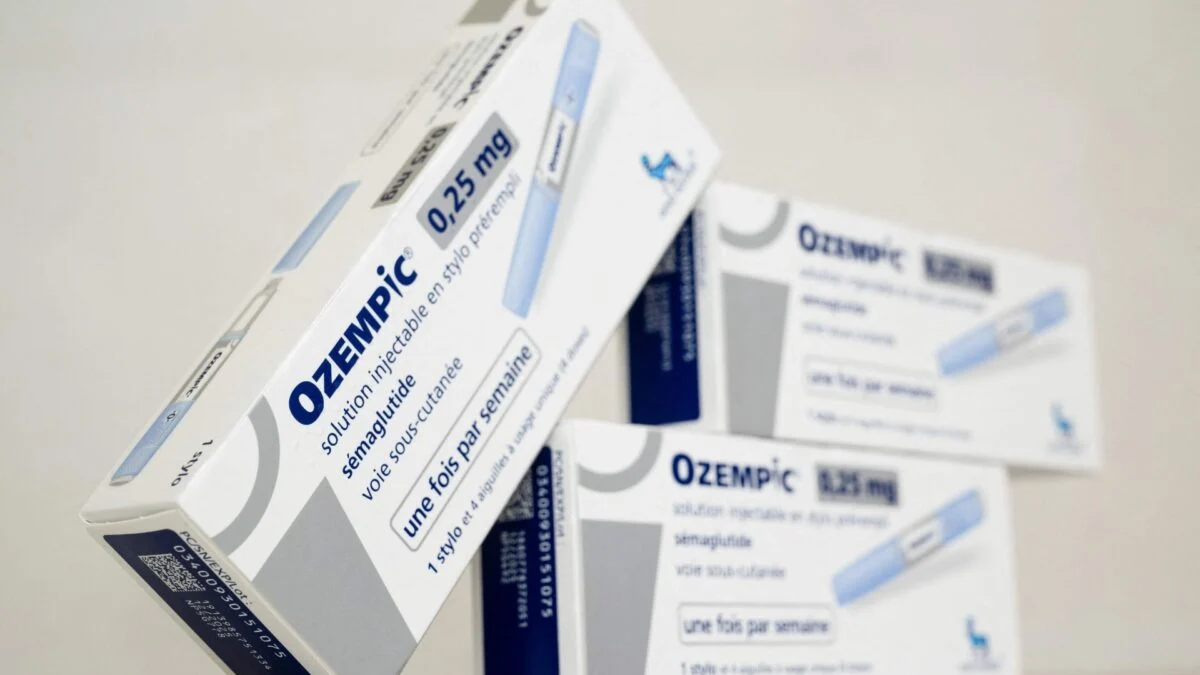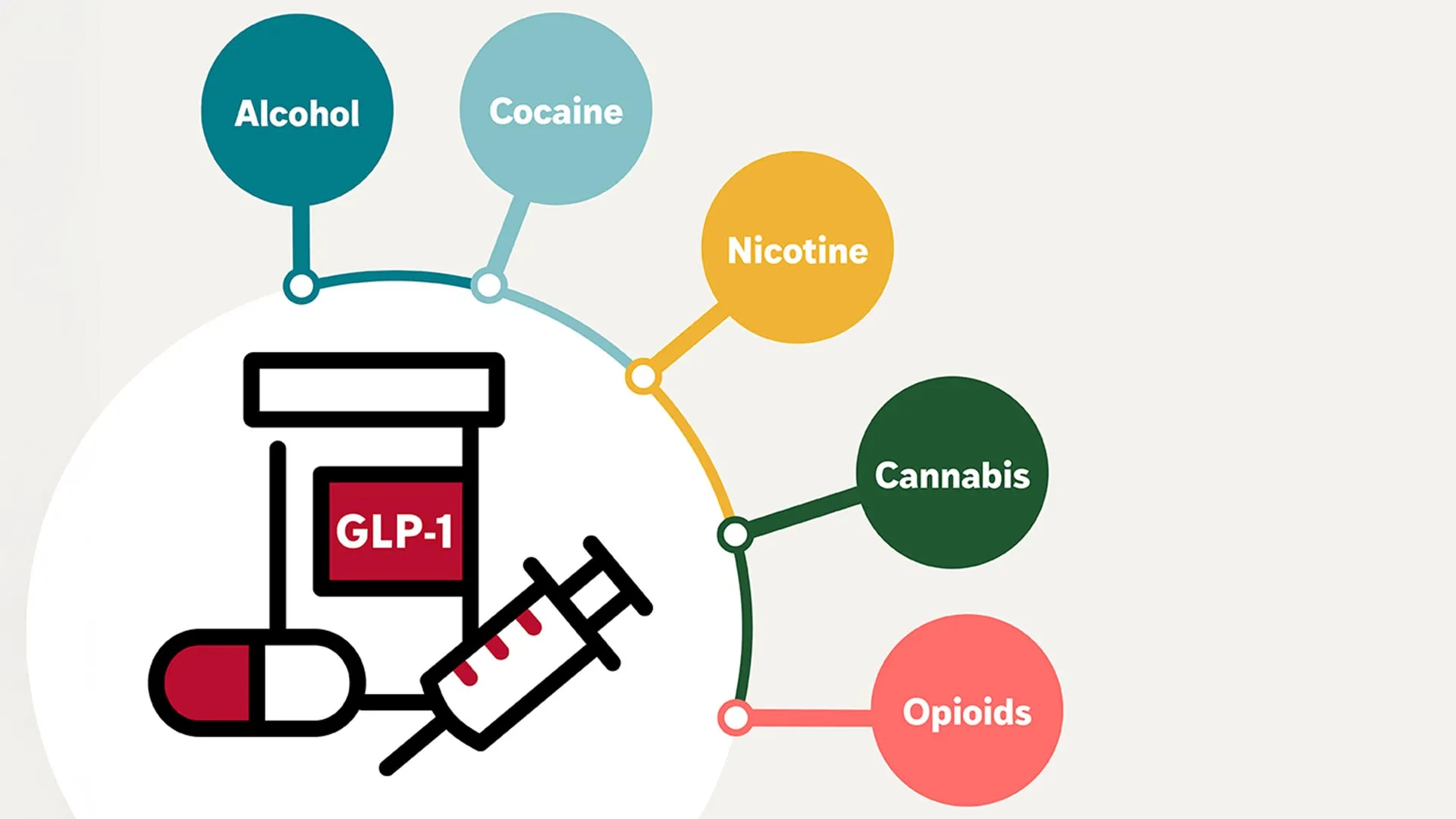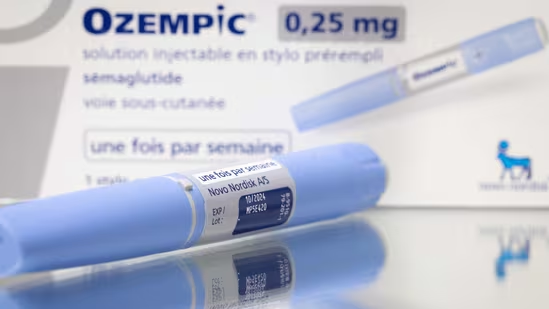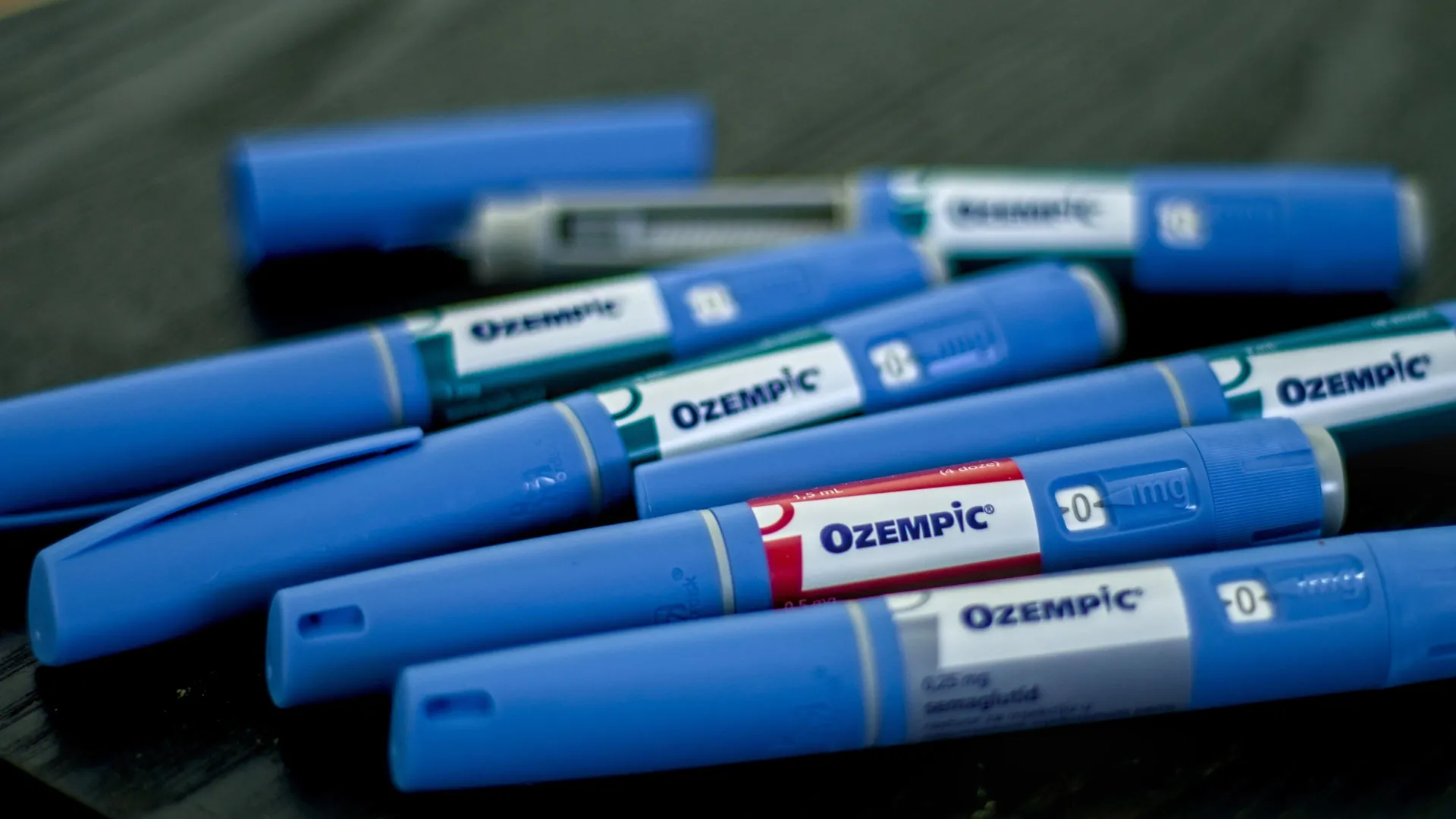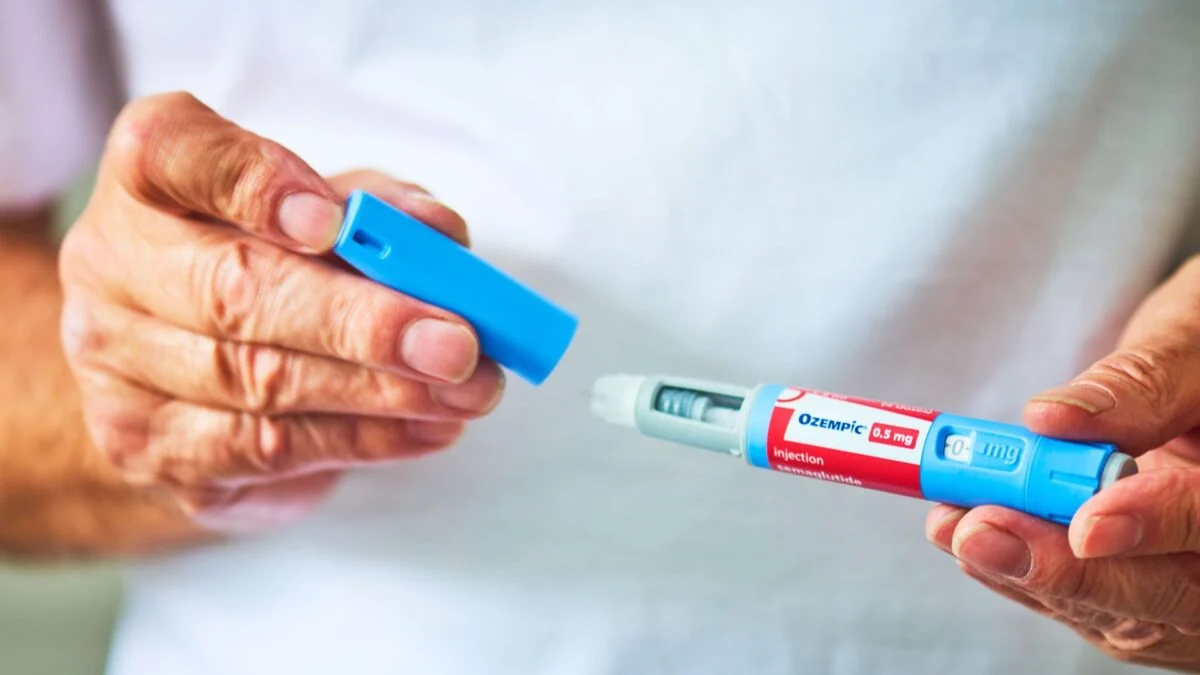
Semaglutide (the active ingredient in Ozempic and Wegovy) and other GLP-1 medications have rapidly become some of the most popular drugs in the world. Originally developed for type 2 diabetes, GLP-1s are now better known for treating obesity. In the near future, though, these drugs could have yet another vital use as treatments for alcohol addiction and other substance use disorders. Over the past few years, a growing base of evidence has suggested that GLP-1s can tamp down people’s unhealthy urges for alcohol, cocaine, and even vices like gambling. And earlier this month, researchers in Denmark published data from the first double-blinded, randomized, and placebo-controlled trial of semaglutide for alcohol use disorder in The Lancet. Over a 26-week period, the study found that people on semaglutide consumed less alcohol than those given a placebo and experienced noticeably fewer heavy drinking days when they did drink. © siamionau pavel via Shutterstock There are other similar studies underway, including in the United States. Some are testing semaglutide for other kinds of substance use disorder, like opioids. Others are testing newer drugs like tirzepatide (a dual agonist that pairs GLP-1 with the hunger-related hormone GIP).
Can Ozempic Treat Alcoholism? Here's What You Should Know
A recent trial is the latest to suggest that GLP-1s aren't just for treating diabetes and obesity.
TL;DRAI
A first Lancet RCT (26 weeks, n=100) found semaglutide reduced alcohol consumption and heavy drinking days vs placebo. The shared dopamine mechanism implies GLP-1s could address multiple addictions, reshaping Novo Nordisk's pipeline beyond obesity.
916 words~4 min read