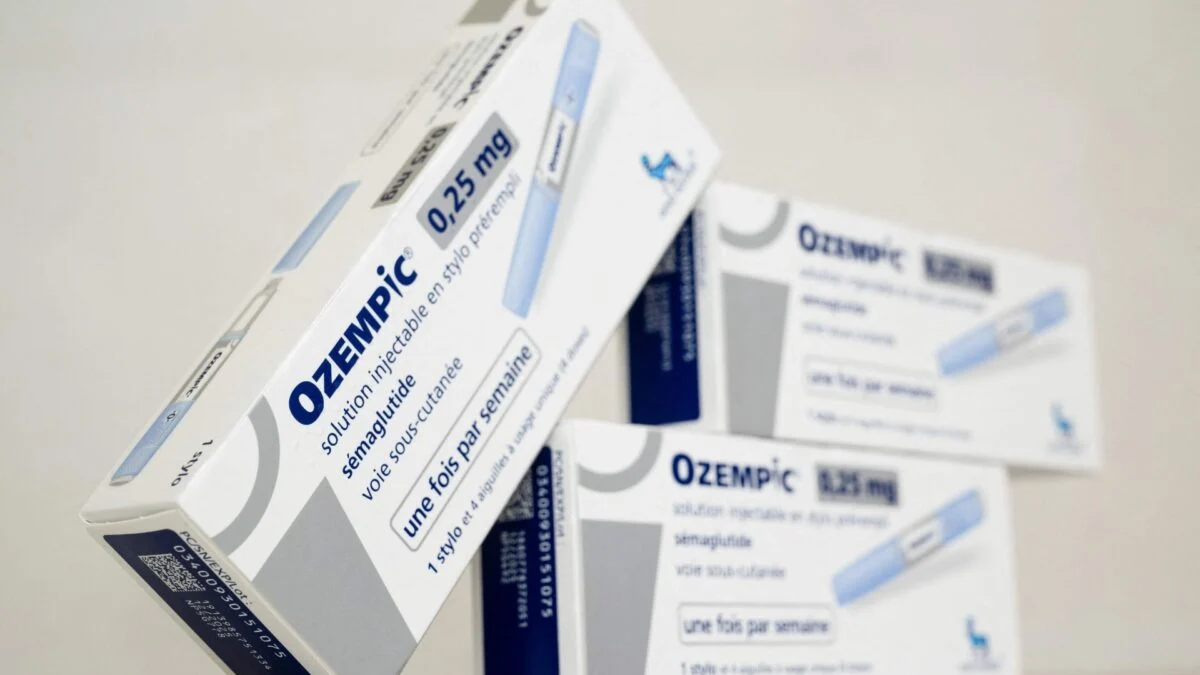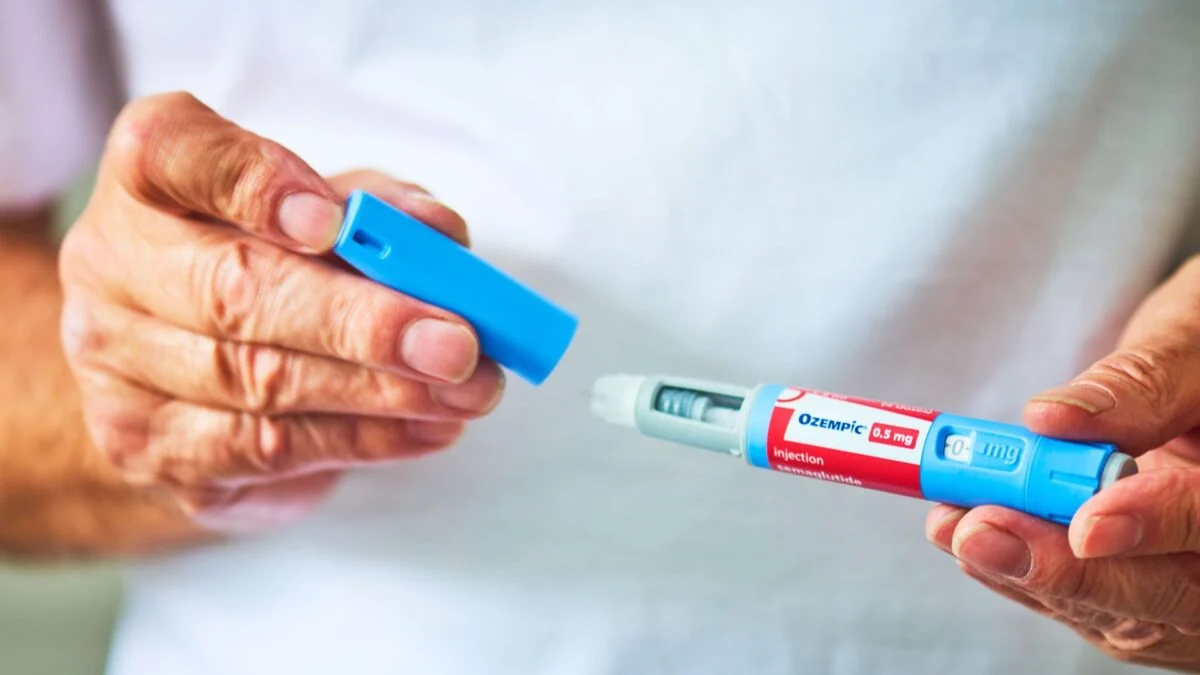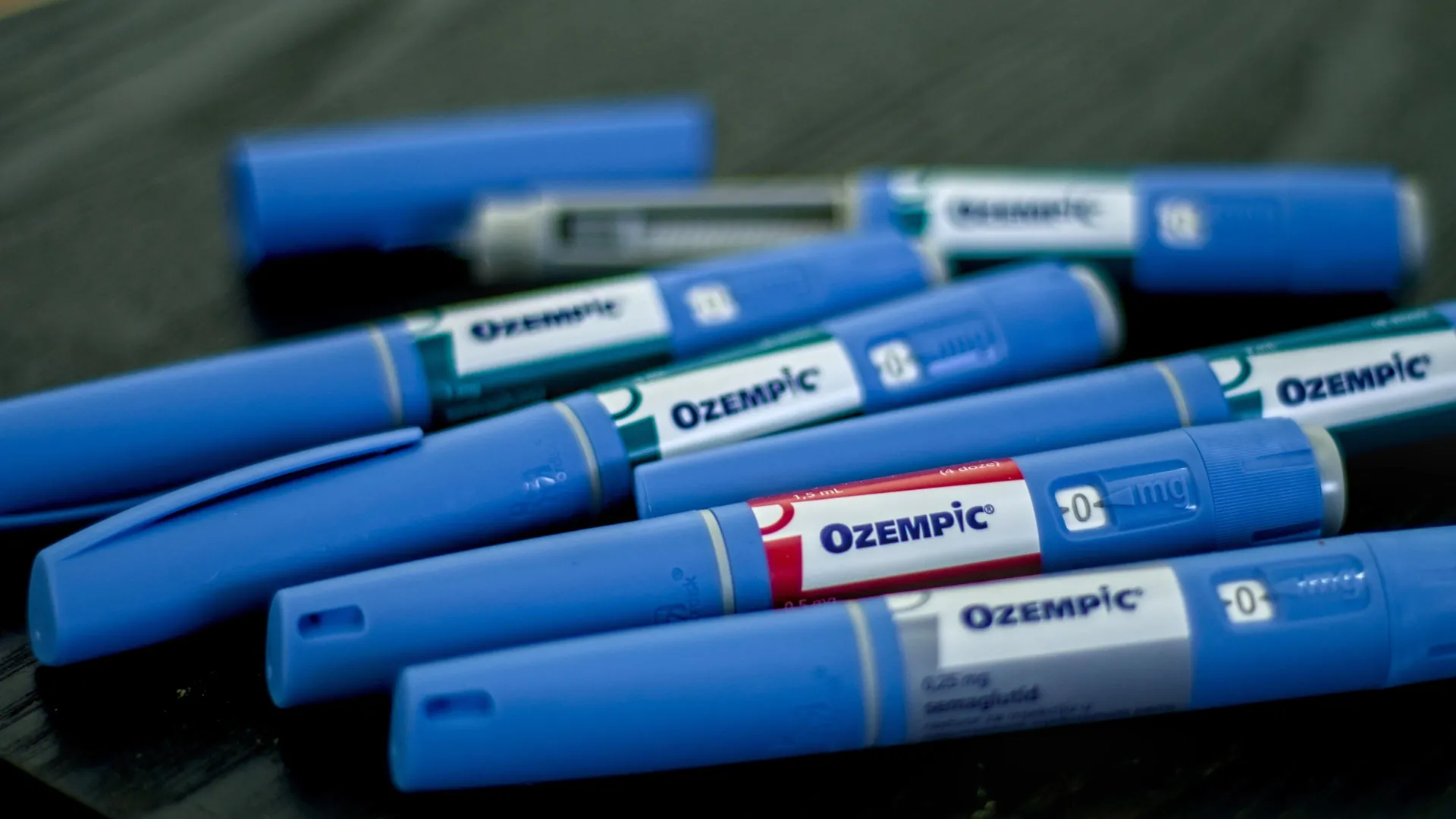
The popularity of GLP-1 medications such as semaglutide (Ozempic, Wegovy, and Rybelsus) and tirzepatide (Mounjaro and Zepbound) has dramatically reshaped the way obesity is treated. However, specialists say these drugs are only one piece of the puzzle when it comes to managing one of the most widespread chronic health conditions in the United States.
A new commentary in the American Gastroenterological Association journal Gastroenterology revisits the influential POWER (Practice Guide on Obesity and Weight Management, Education, and Resources) framework, originally introduced in 2017. Titled "Revisiting POWER in the GLP-1 Age," the update reflects major developments in obesity care, from the arrival of highly effective weight loss medications to advances in endoscopic therapies, broader use of bariatric surgery, and the growing role of precision medicine.
Obesity Treatment Is Expanding Beyond Medication
According to the authors, GLP-1 receptor agonists have significantly changed the obesity treatment landscape. At the same time, they emphasize that obesity care is becoming increasingly comprehensive, combining medications with endoscopic procedures and surgical options when appropriate.