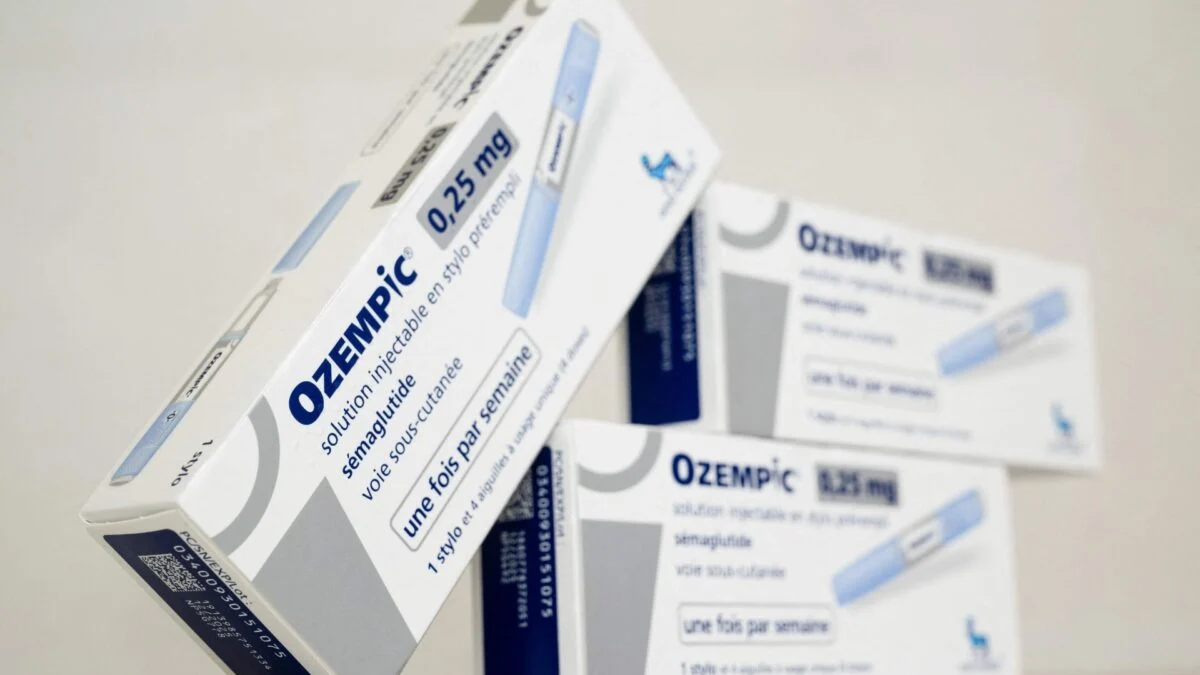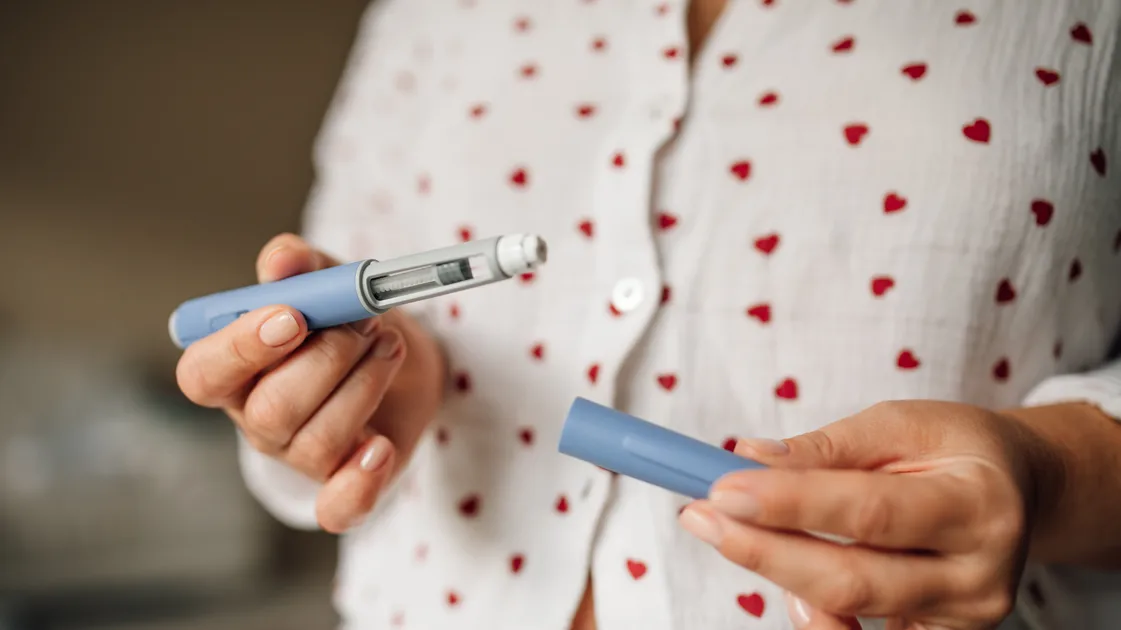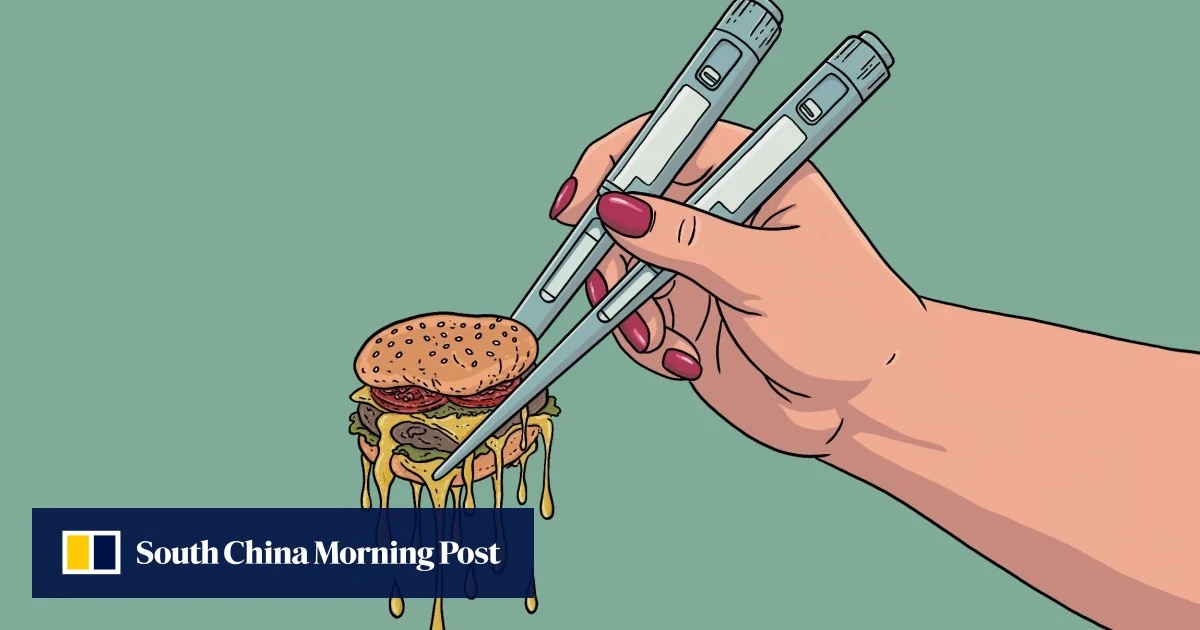
Not long ago, nobody was talking about GLP-1 receptor agonists. Most of us did not even know what they were – natural hormones that regulate appetite, helping to reduce hunger and calorie intake. Today, GLP-1 drugs like semaglutide and tirzepatide are prescribed in their thousands and have altered global health.This pharmaceutical success has sparked an intense obsession, triggering aggressive online marketing for “skinny pens” – self-injectable pens containing the medication.Since April, these sought-after drugs have even been available in oral form for those needle-averse, making them more accessible than ever.This has raised red flags among healthcare professionals. A UK news investigation in early 2026 found that people with a healthy BMI could easily obtain prescription-only injections from online pharmacies by submitting AI- or photo-edited images that made them look larger. Three out of six pharmacies sent jabs based on a single altered photo.Hong Kong family medicine specialist Dr Ivan Chow explains that these drugs were developed for type 2 diabetes because of their effect on blood sugar.After the US Food and Drug Administration (FDA) approved the first GLP-1 drugs for type 2 diabetes in 2005, doctors began to notice that these drugs led to substantial weight loss – a discovery described as “totally serendipitous”.How GLP-1 drugs work
How GLP-1s are more than just weight-loss wonders – but not without risk
Research suggests GLP-1s like Ozempic may help with more than just weight loss and type 2 diabetes, but experts warn of risks from abuse.
207 words~1 min read