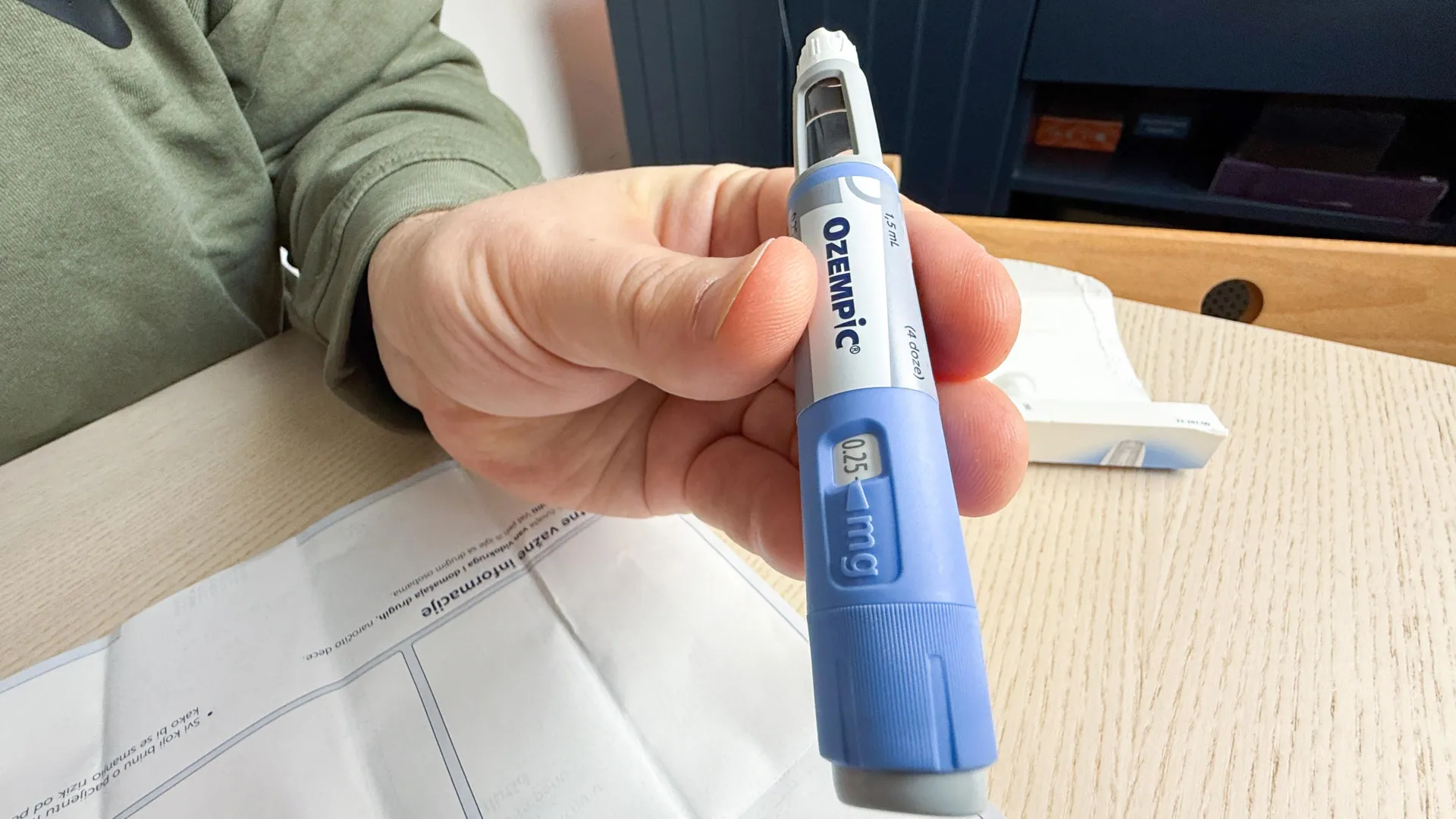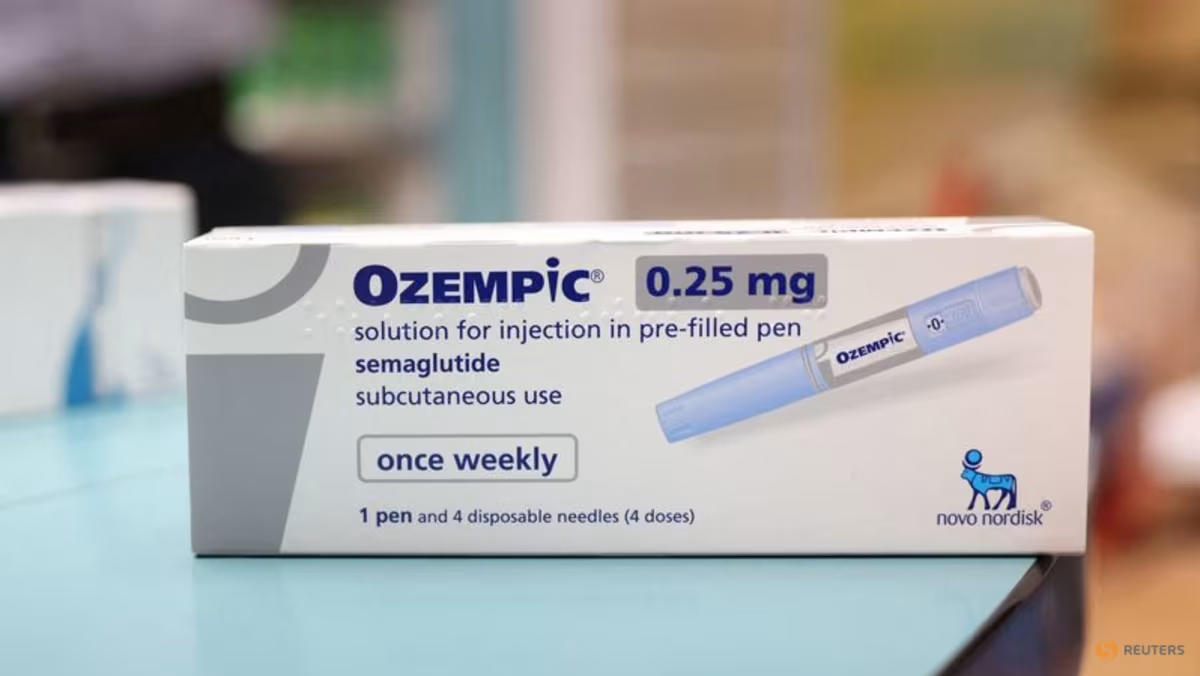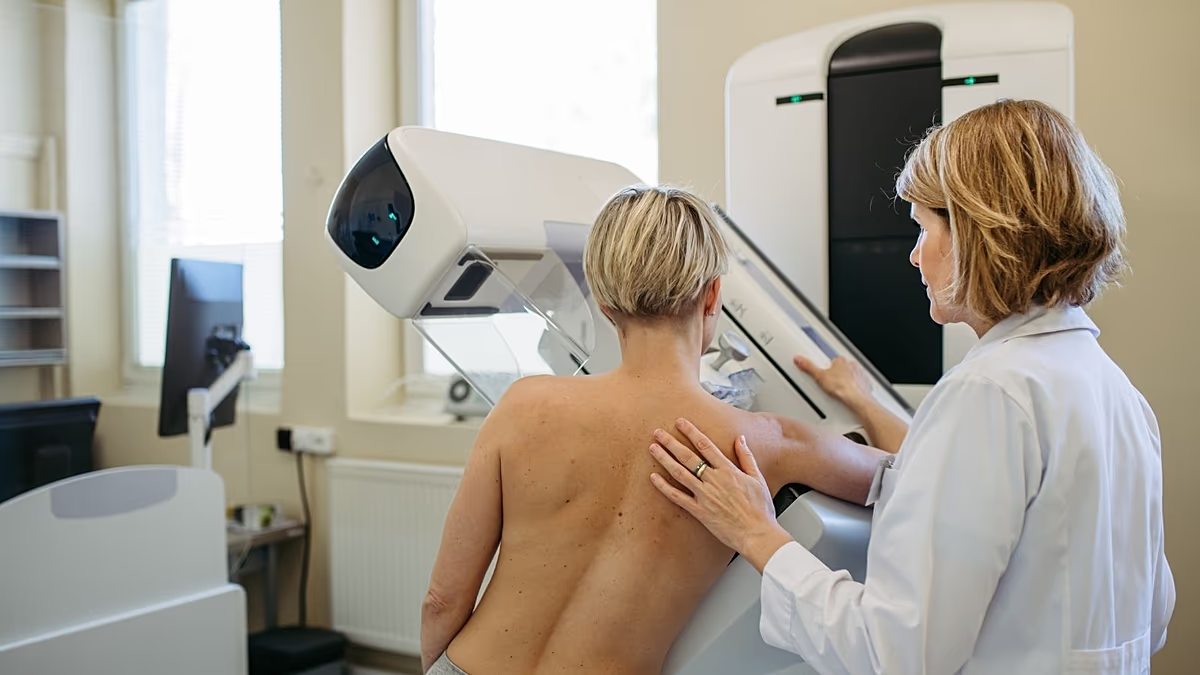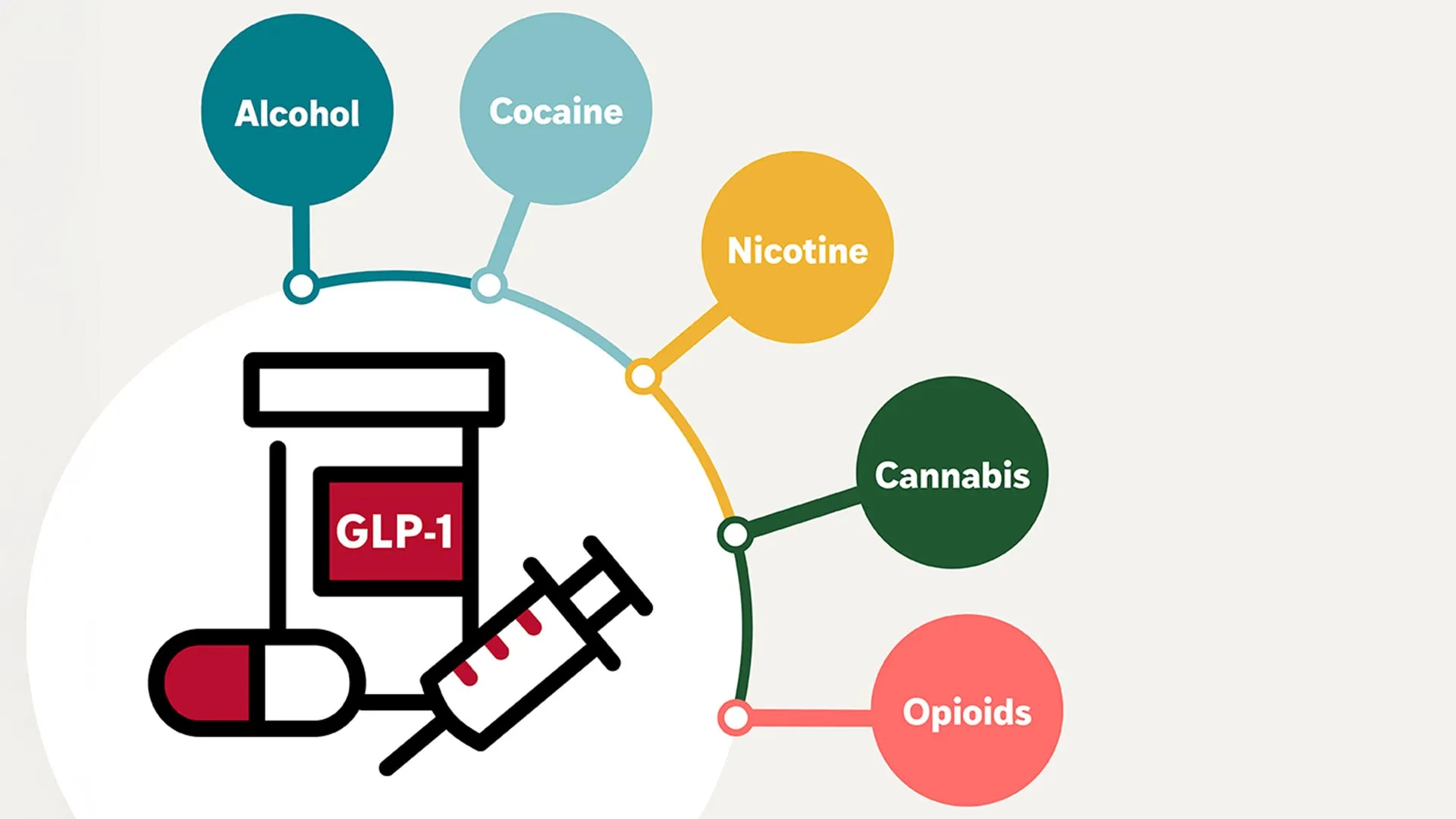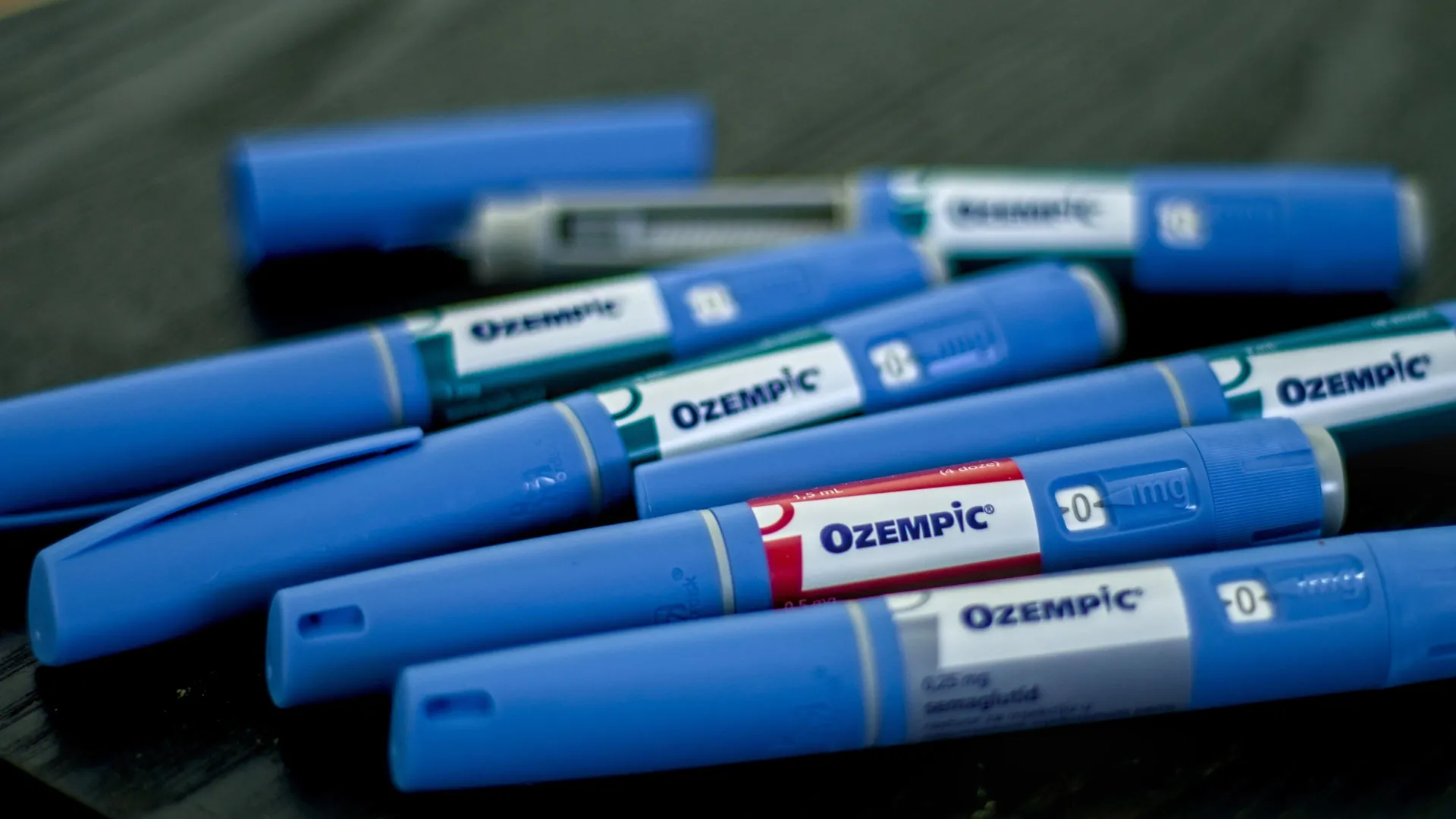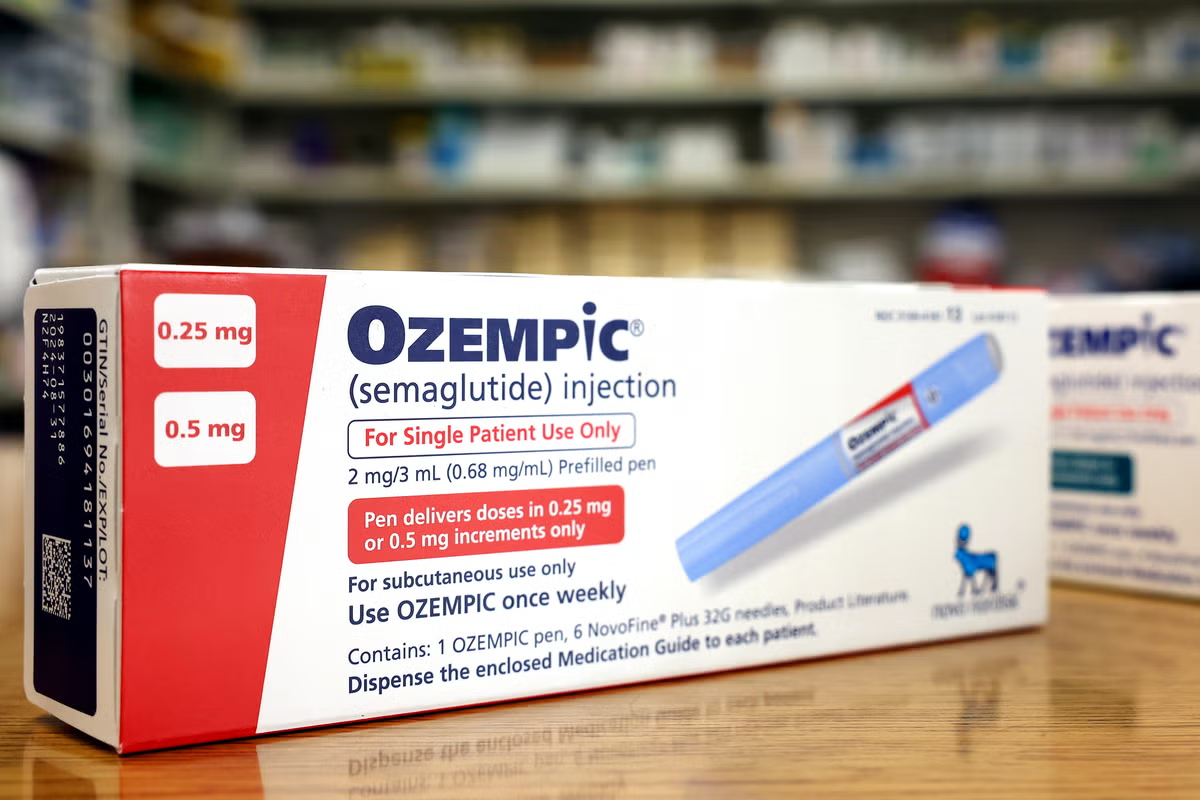
The potential benefits of GLP-1 drugs, like Ozempic or Wegovy, are stacking up.These novel medications were originally designed to treat diabetes, and now, millions more use the injections to help with weight loss.But the perks may extend far beyond the metabolism.As GLP-1s like semaglutide and liraglutide explode in popularity, scientists are noticing a striking pattern:People taking these drugs tend to have lower rates of disease, such as brain disease, kidney disease, heart disease, liver disease, and even cancer.Now, three new observational studies suggest there are perks for breast cancer, specifically.Their results suggest that not only do people who take GLP-1 medications have 30 percent lower odds of developing breast cancer, but those who are diagnosed are also half as likely to see their breast cancer spread and 6 percent less likely to die of the disease.These hopeful outcomes were shared ahead of publication at the annual meeting of the American Society of Clinical Oncology (ASCO) in Chicago.The results of the first study were presented by Elizabeth McDonald, a practicing breast radiologist at the University of Pennsylvania.She and her team considered health data from more than 110,000 women aged 45 to 80 with a BMI of 25 or higher (considered the "overweight" threshold).Of the women enrolled between 2022 and 2025, nearly 14 percent had documented prescriptions for GLP-1 medication.The study did not account for how long participants used GLP-1 drugs; however, it found that anyone who had taken the drugs was 30.5 percent less likely to be diagnosed with breast cancer.This was true even when accounting for age, race, ethnicity, BMI, breast density, and diabetes status."Our study was observational and does not definitively confirm an association between GLP-1 medications and reduced breast cancer incidence," explains McDonald."It does add to the growing body of evidence suggesting that it's worth investigating these weight loss drugs as potential cancer prevention tools."McDonald and her collaborators are now working on a clinical trial to test whether these drugs can lower breast cancer incidence in women who are at high risk.
Popular Weight Loss Drugs Linked to Lower Risk of Breast Cancer
The potential benefits of GLP-1 drugs, like Ozempic or Wegovy, are stacking up.
760 words~3 min read