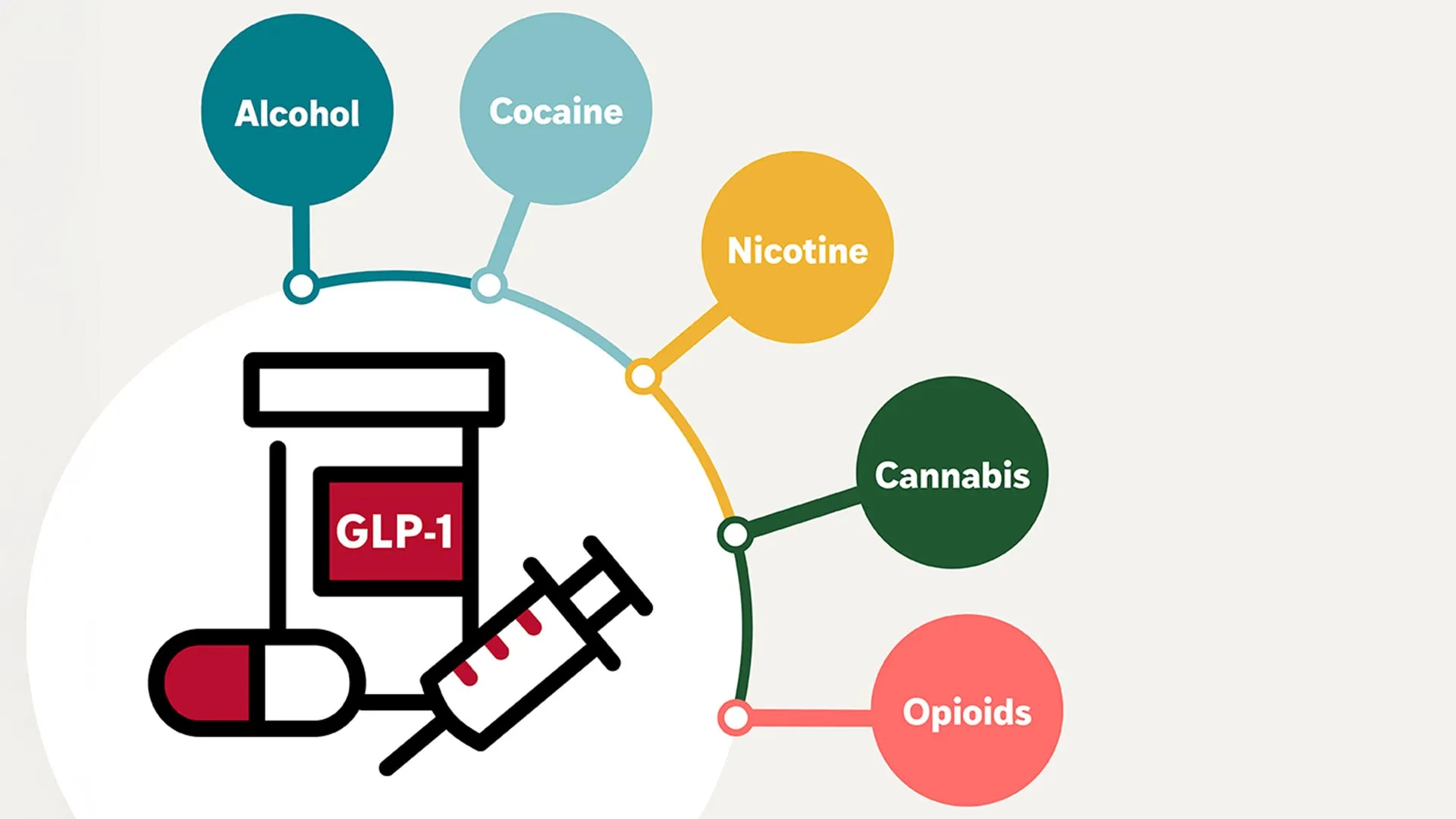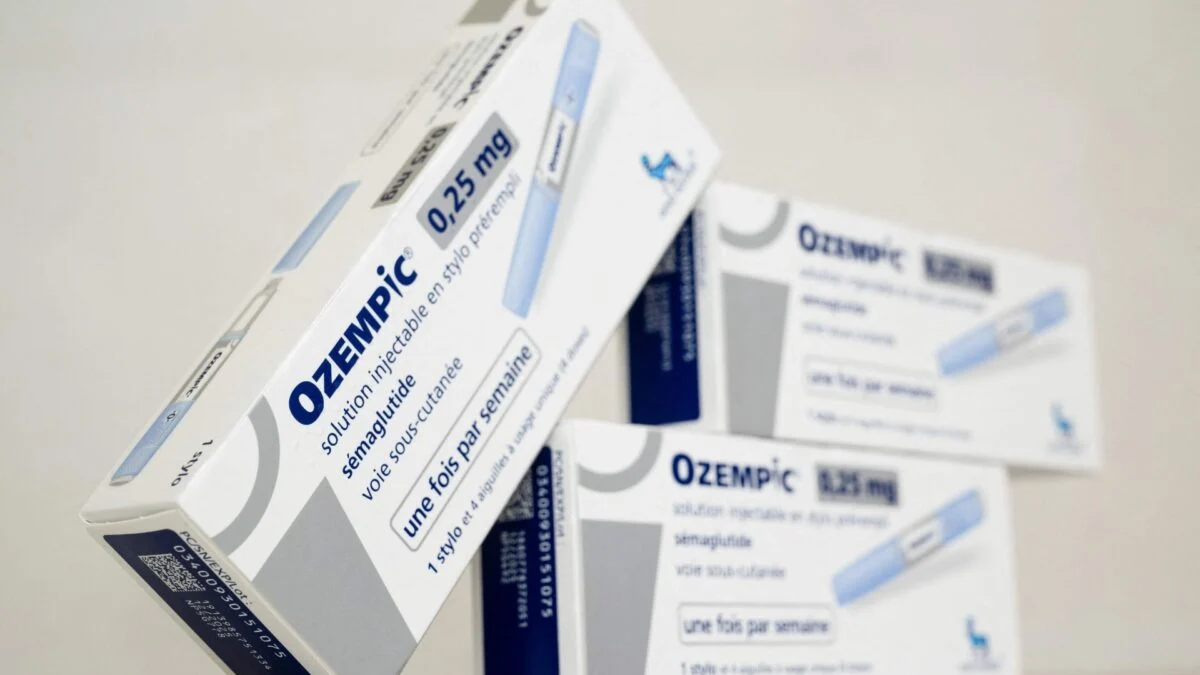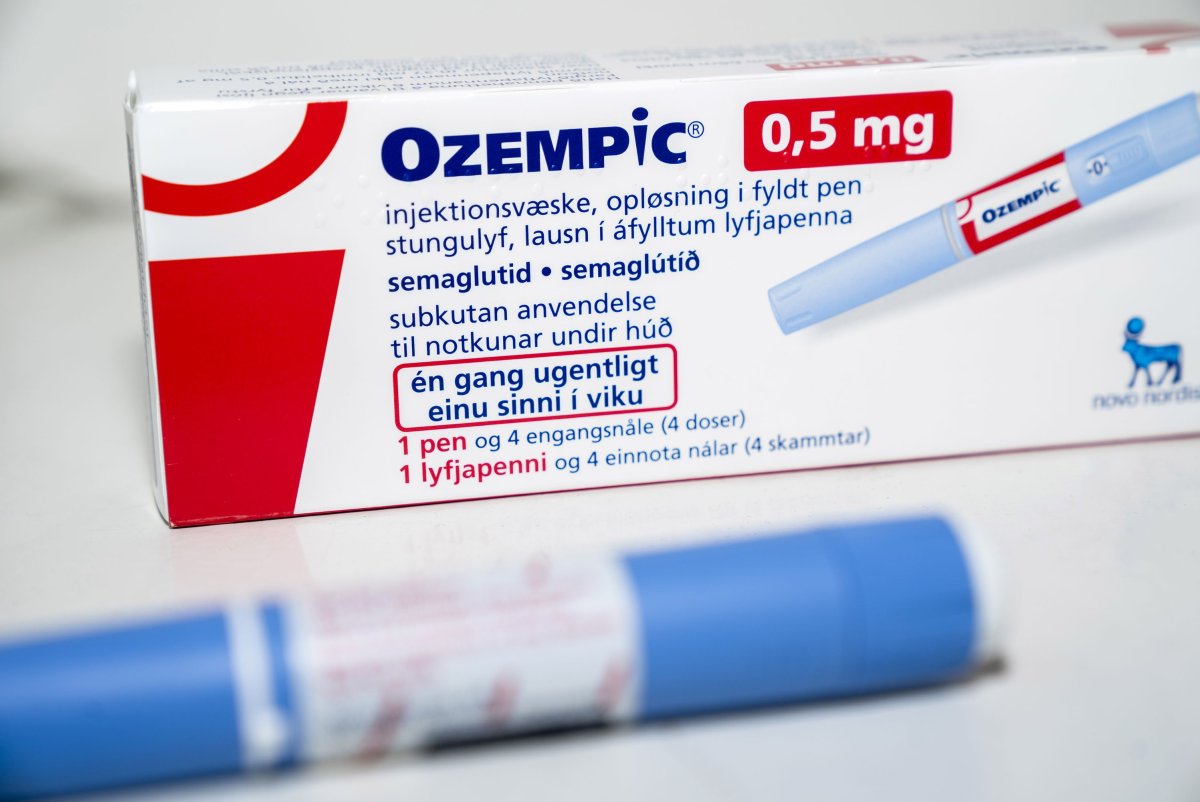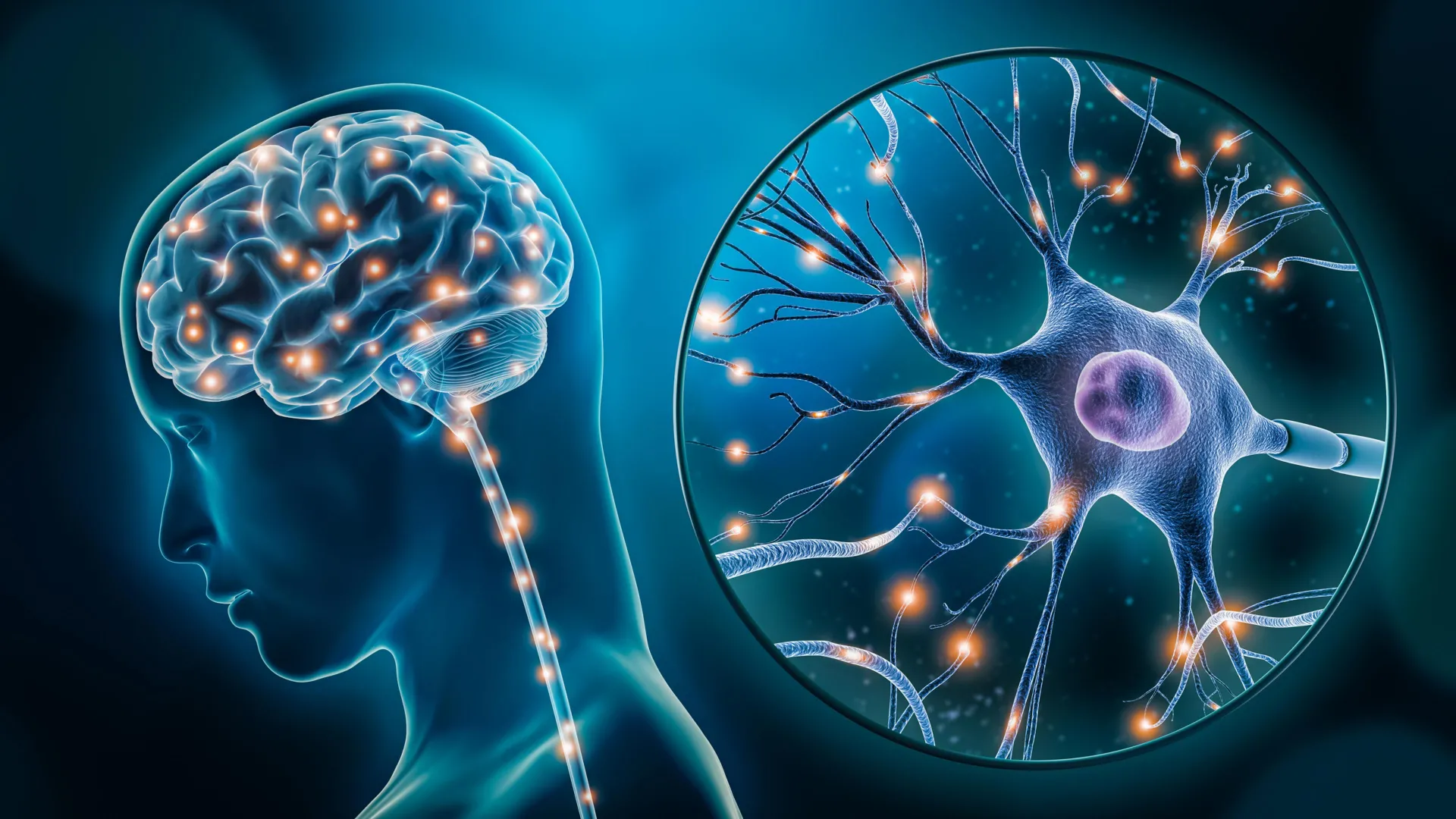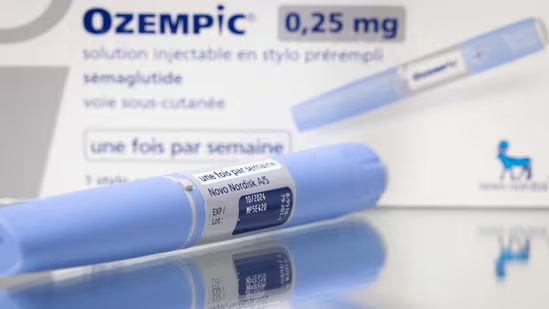
Ozempic and other GLP-1 drugs that are widely used as a quick fix for obesity and diabetes treatment might be reshaping parts of the brain.The photograph shows the anti-diabetic medication "Ozempic", one of two flagship treatments made by Danish pharmaceutical company "Novo Nordisk". (Photo by JOEL SAGET / AFP)The GLP-1 drugs, which acts like hormones controlling hunger, metabolism and blood sugar, might be directly affecting the brain and reshaping the nervous system, a researcher at the University of Colorado Anschutz has suggested.The revelation was made when the researches, Allison Shapiro, an assistant professor at the institute, scanned the brains of 13 teenagers and young women before and after taking the GLP-1 drug. In a matter of few months, the brain connections, which helps target attention had multiplied, The Washington Post reported.GLP-1 drugs are a recent scientific breakthrough in medication that mimic the hormones involved in appetite, blood sugar and digestion. Weight loss drugs, Ozempic or Mounjaro, are common GLP-1 with additional compounds.Also Read: HT Health Talk: Is there minimum and maximum age for Ozempic? Bengaluru doctor answers 10 FAQs about weight loss drugsHow Ozempic, GLP-1 drugs are reshaping brainsOzempic and other GLP-1 drugs were initially introduced as a medicine for blood sugar. Its impact on metabolism and its ability to mimic hormones evolved it into drugs targeting hunger, weight and obesity.However, millions of people now taking these medications around the globe may unknowingly be part of the drug’s largest unplanned neuroscience experiment, according to the report.The report said that the patients taking the medication have reported positive outcomes apart from reduced hunger and food cravings.But several others have reported a type of brain fog and a sort of a strange emotional flattening, which is hard to define.The patients said they experienced less pleasure, less motivation, decreasing interest in hobbies and even decreased sexual desire, according to The Post.GLP-1 drugs impact on addiction, Alzheimer's and stressThe GLP-1 drugs, including its wide variety of improvised drugs, target hormones and receptors that stretch far beyond stomach, including in the heart and within the brain. The drugs help regulate hunger, blood sugar and digestion.Also Read: Ozempic approved for use in India: All you need to know about its benefits, risks and priceScientists are still probing how GLP-1 drugs affect neural networks. That leaves room for a bigger question: To what extent are these drugs affecting the brain or reshaping the nervous system?Researchers believe that it may be a two-way impact. The drugs may reduce inflammation in brain, resist stress and help a person function more effectively. Its impact on controlling addiction, reducing Alzheimer's and regulating stress hormones is being studied.On the other hand, the medicines may contribute to damage and cognitive degeneration over time.The drug appears to curb addiction and cravings, making some patients less likely to drink alcohol. It could also ease anxiety, compulsive thinking and emotional distress. Some early research have suggested that it could be used as a possible treatment for addiction.Scientists are also exploring whether GLP-1 may be beneficial to delay or prevent diseases like Alzheimer's. Early studies have also shown that GLP-1 drugs might slow the loss of brain volume in frontal, temporal and parietal lobes, parts involved in planning, memory, emotion and sensory integration.
Less stress, addiction, brain fog: Ozempic, GLP-1 drugs may be impacting patients' brain, neural networks
GLP-1 drugs may curb addiction and craving, making some patients less likely to drink alcohol. It could ease anxiety, compulsive thinking and emotional distress | World News
536 words~2 min read