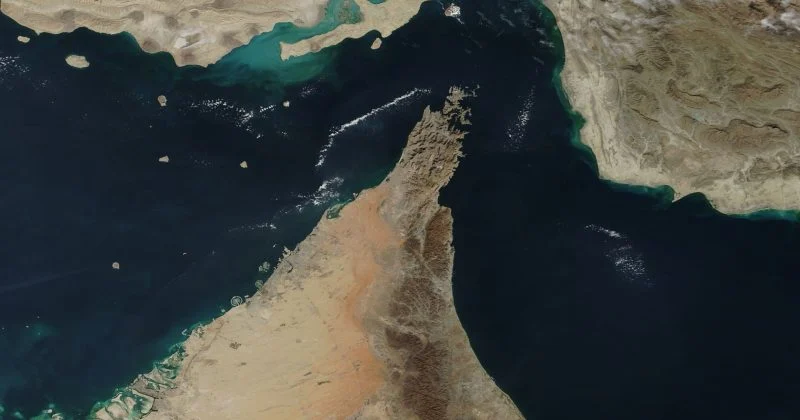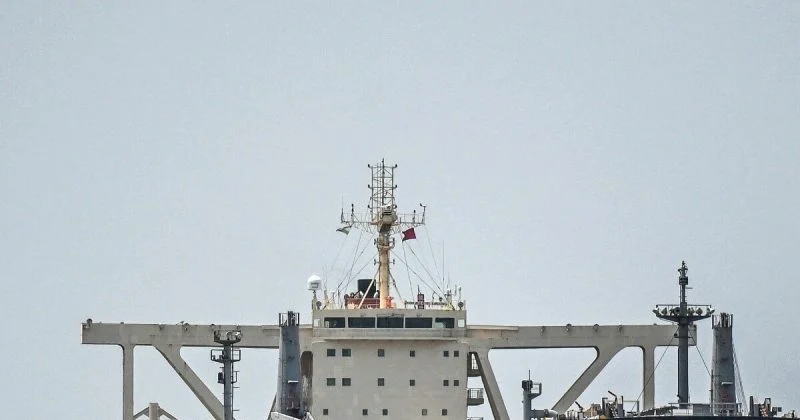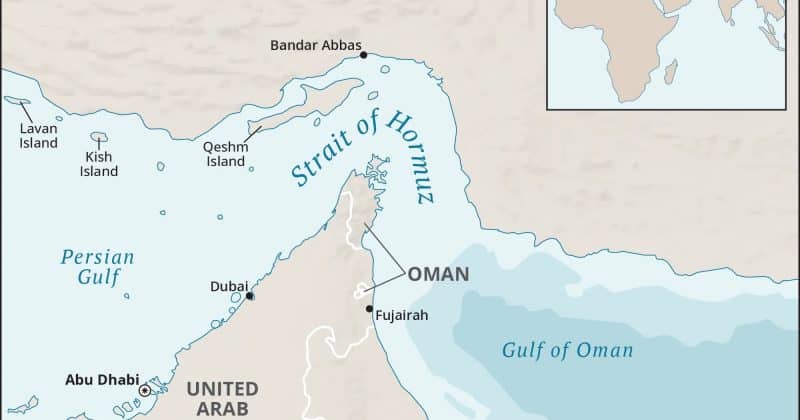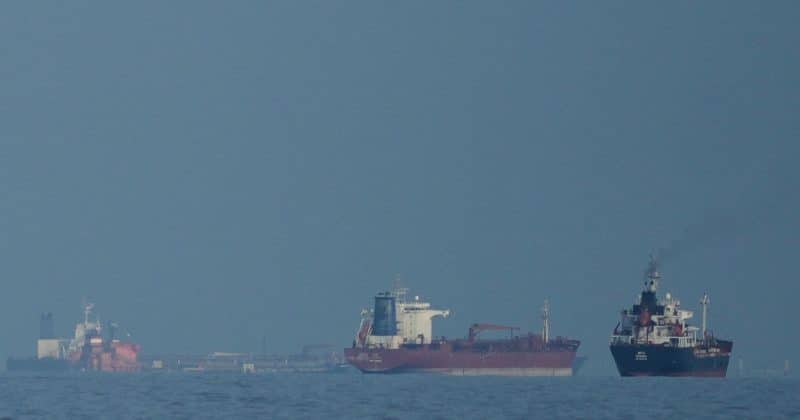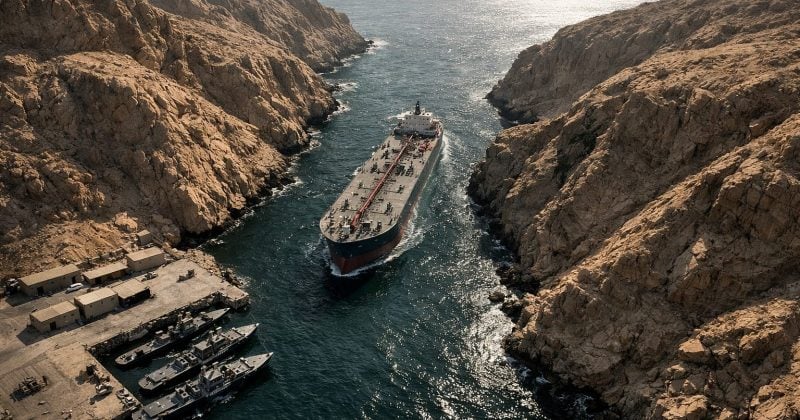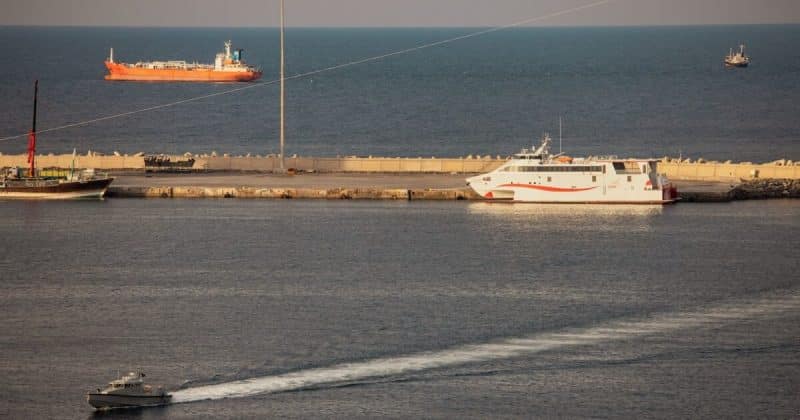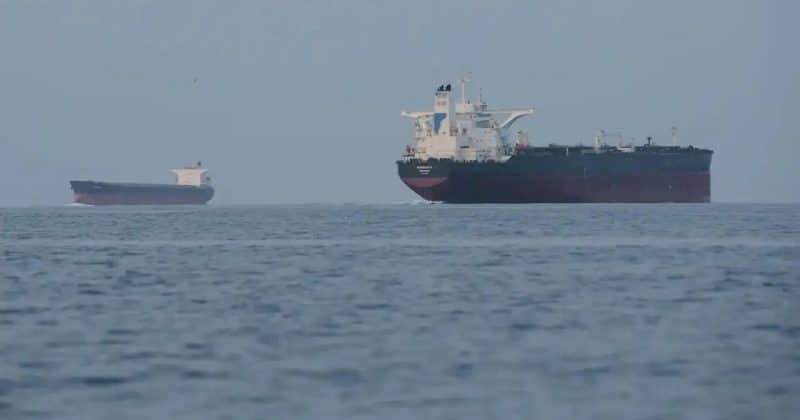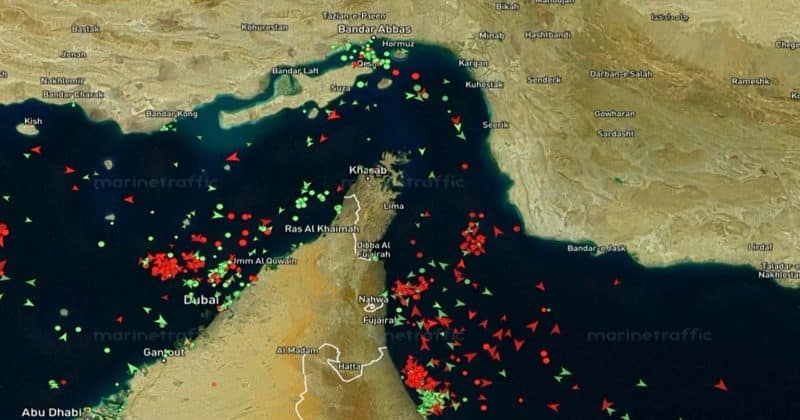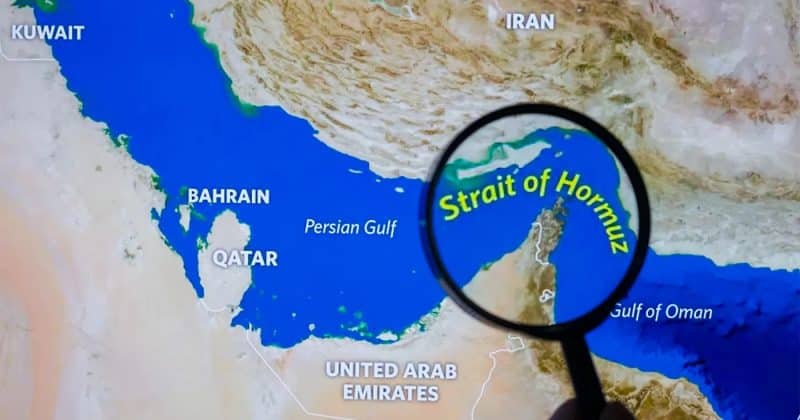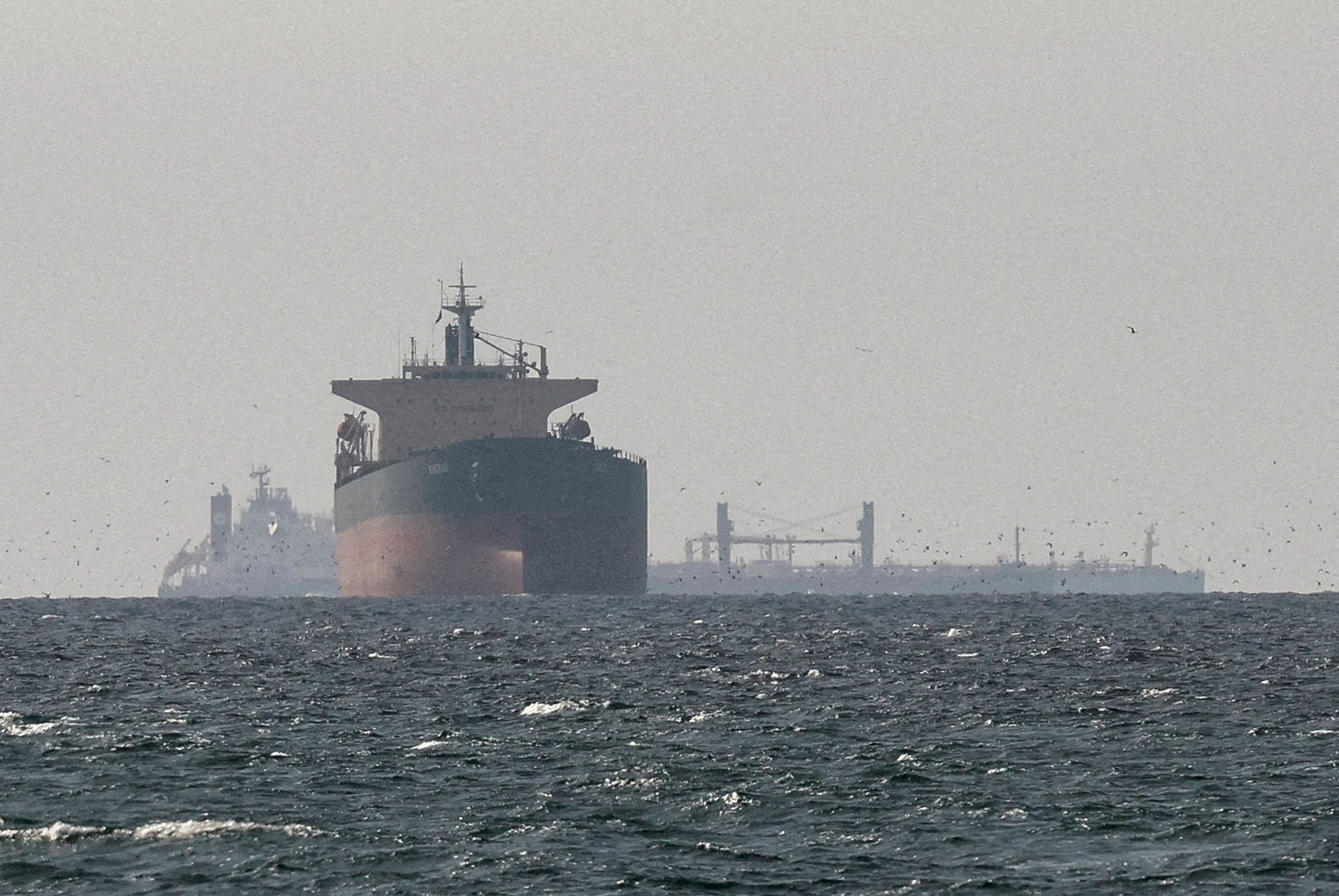
In March 2026, Iran’s Islamic Revolutionary Guard Corps (IRGC) began charging transit tolls in Chinese renminbi and cryptocurrency to ships seeking passage through the Strait of Hormuz. While many treated this as wartime improvisation or geopolitical theatre, the strategy is the first observable case of a state deliberately bundling a physical chokepoint with a demand to transact outside the dollar system — and possessing the institutional infrastructure to operationalise that bundling.
The financial rails enabling this were assembled well before the first strike on 28 February 2026.
History offers lessons on chokepoint crises, but geography and finance have usually interacted through US leverage over the dollar system rather than through attempts to build alternatives. Egypt’s nationalisation of the Suez Canal in 1956 triggered a geopolitical showdown, but Washington ultimately used dollar pressure against the United Kingdom and France to compel de-escalation.
The extended closure of Suez after 1967 simply rerouted shipping without any parallel financial architecture in place. The Houthis’ Red Sea attacks in 2023–24 likewise disrupted trade, but the Houthis acted as a non-state proxy with no access to impose an alternative payment regime. In each case, the physical chokepoint and financial system largely operated on separate tracks. But in 2026, Iran is explicitly trying to bundle the two.