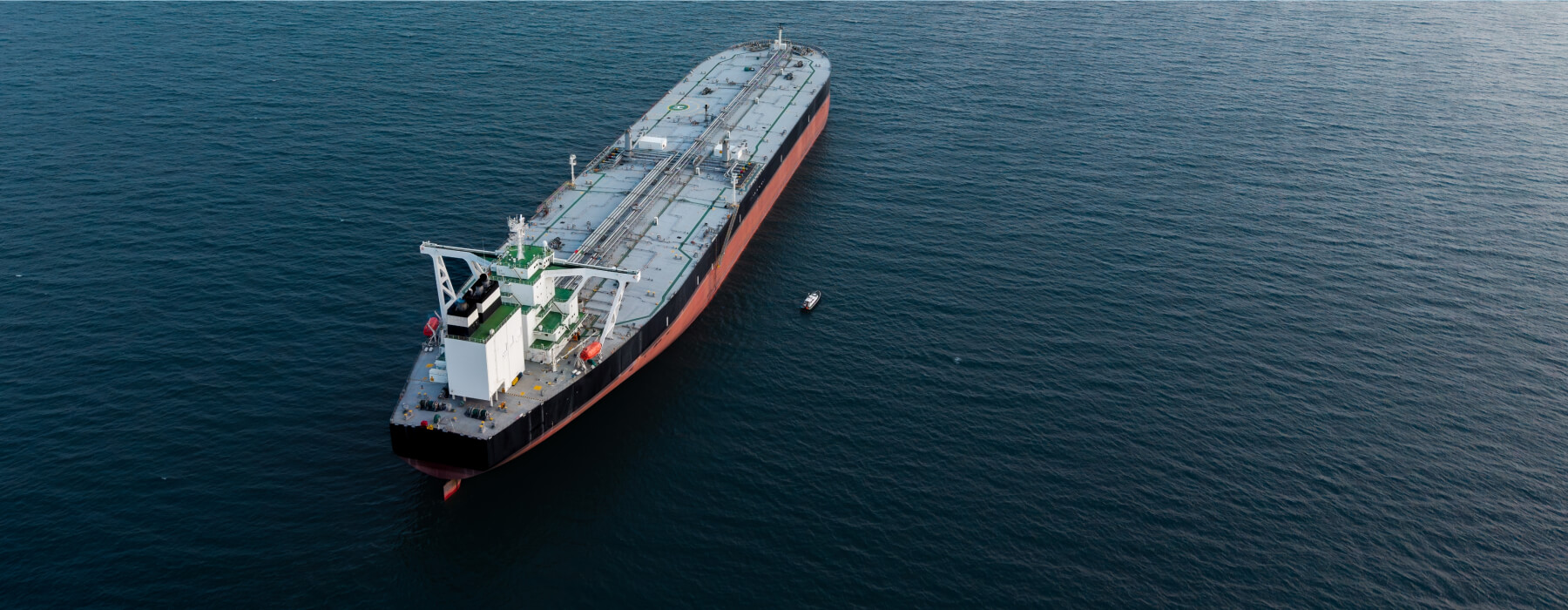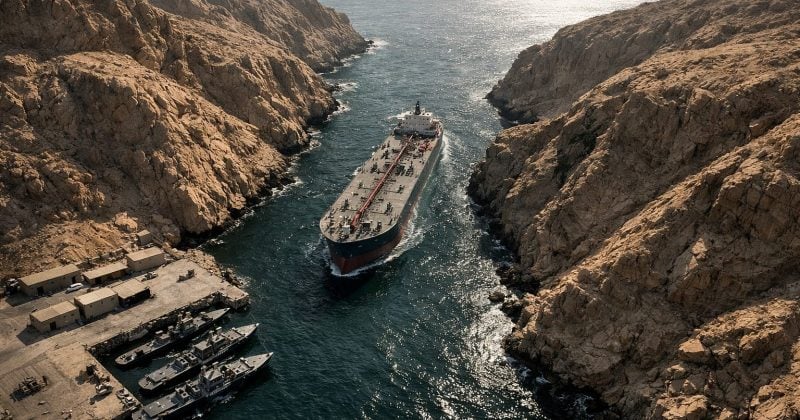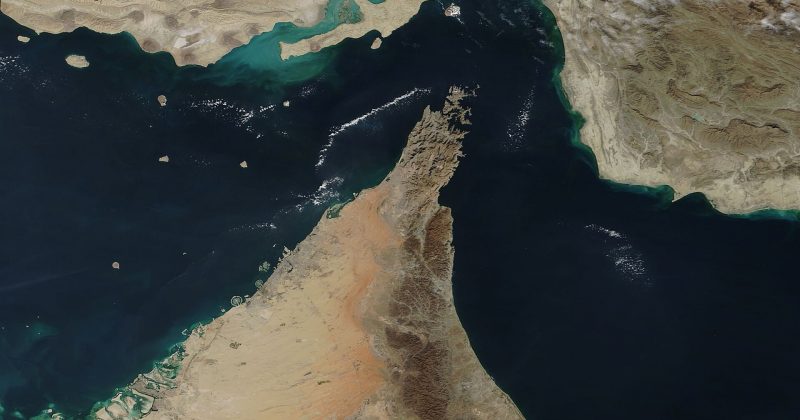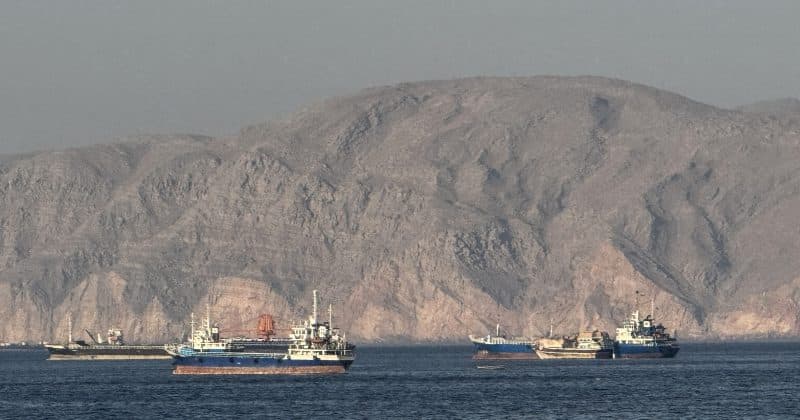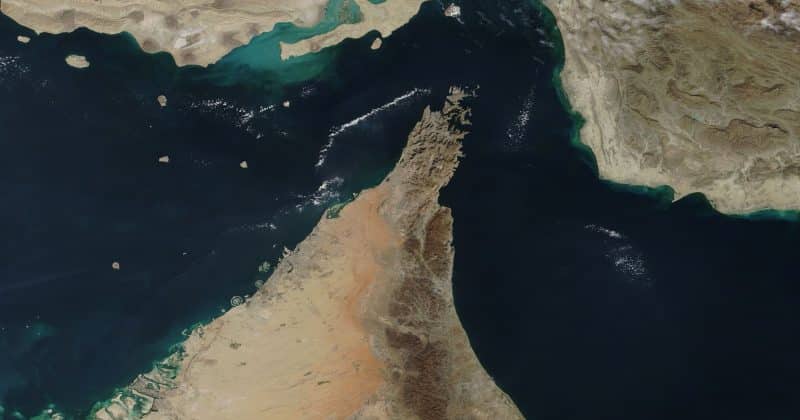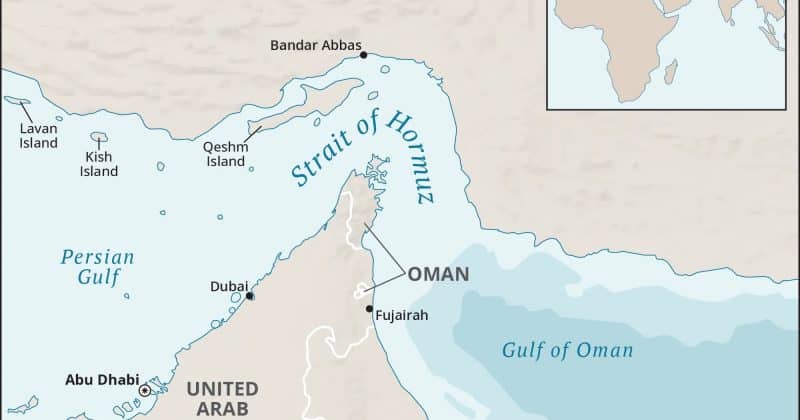
The Islamic Revolutionary Guard Corps Navy declared the Strait of Hormuz closed to all vessel traffic effective June 10, 2026, citing repeated US violations of a ceasefire agreement and what it called an ongoing naval blockade of Iranian ports. Every tanker captain in the Persian Gulf just got the maritime equivalent of a “road closed” sign, except this road carries roughly 20-25% of the world’s oil and liquefied natural gas shipments.
Iran has been quietly building a parallel toll system for the strait, one that accepts payment in Bitcoin, stablecoins, and Chinese yuan. The IRGC is essentially running a crypto-denominated tollbooth on the most important waterway in global energy.
A pattern of closures and escalation
This latest shutdown isn’t an isolated incident. Iran reportedly closed the strait on at least two prior occasions in 2026, including a closure from March 2-4 and another on April 18.
In early June 2026, Iranian forces seized two ships transiting the strait. During the worst stretches of the crisis, shipping traffic dropped to near-zero levels.