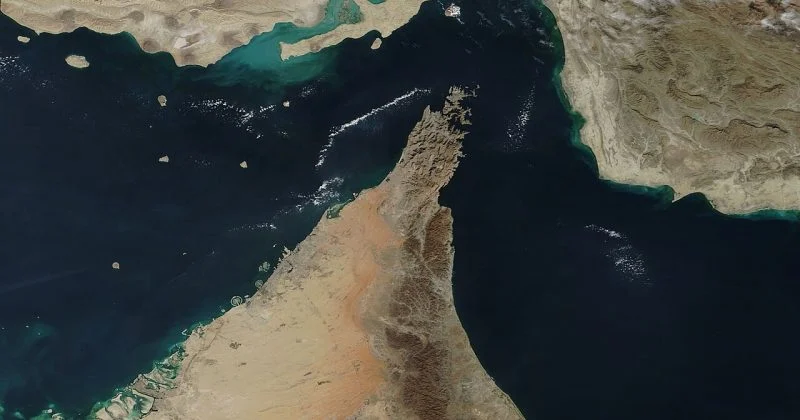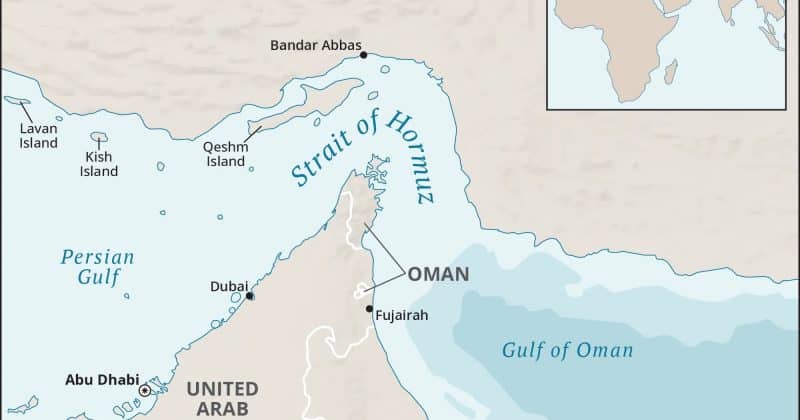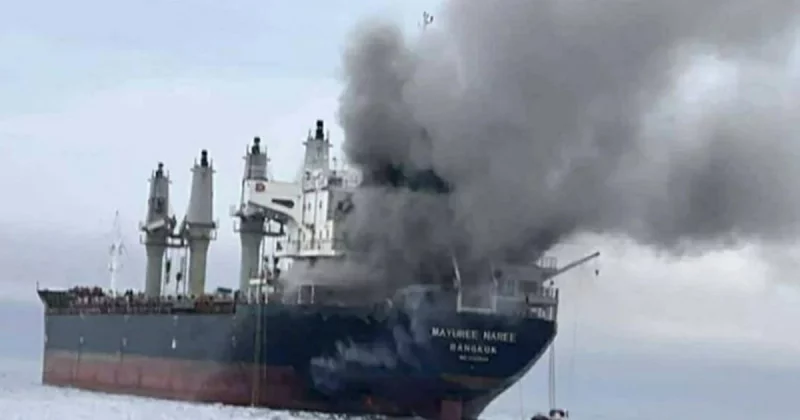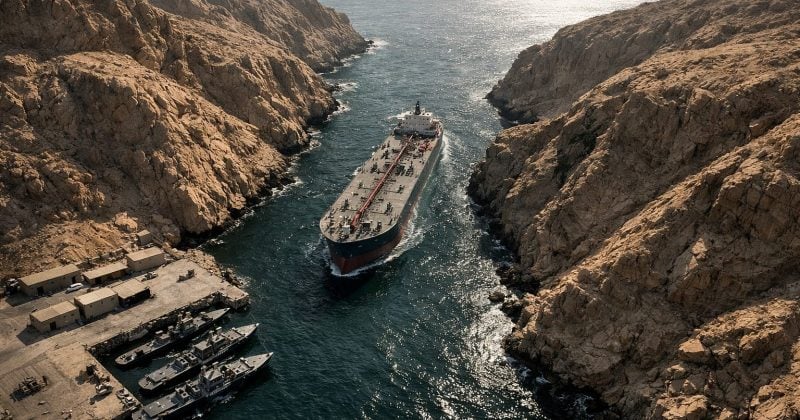
Iran’s parliament has passed a bill claiming sovereign control over the Strait of Hormuz, the narrow waterway that handles roughly 20% of global oil trade. The legislation bans “hostile ships” from passage and codifies a toll system that accepts payment in yuan, Bitcoin, and stablecoins.
The crisis timeline
The roots of this legislation trace back to late February 2026, when Iran imposed a blockade on the strait. That move kicked off what’s now being called the 2026 Strait of Hormuz crisis. A ceasefire in June offered a brief reprieve. By early July, Iran’s Revolutionary Guard Corps resumed aggressive operations in the waterway, targeting commercial vessels on what Tehran deemed “unapproved” routes.
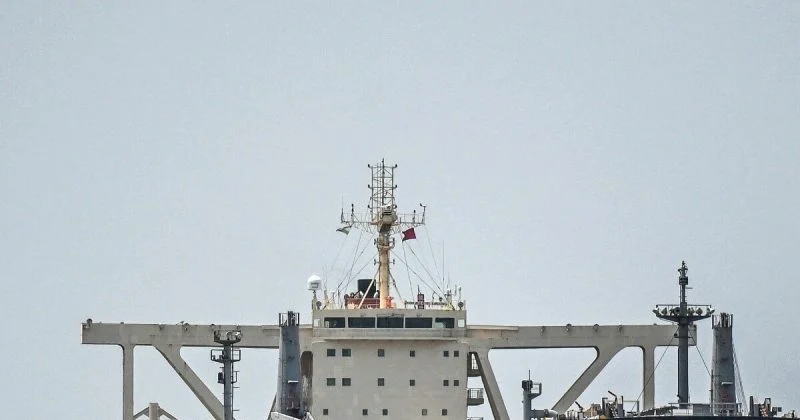
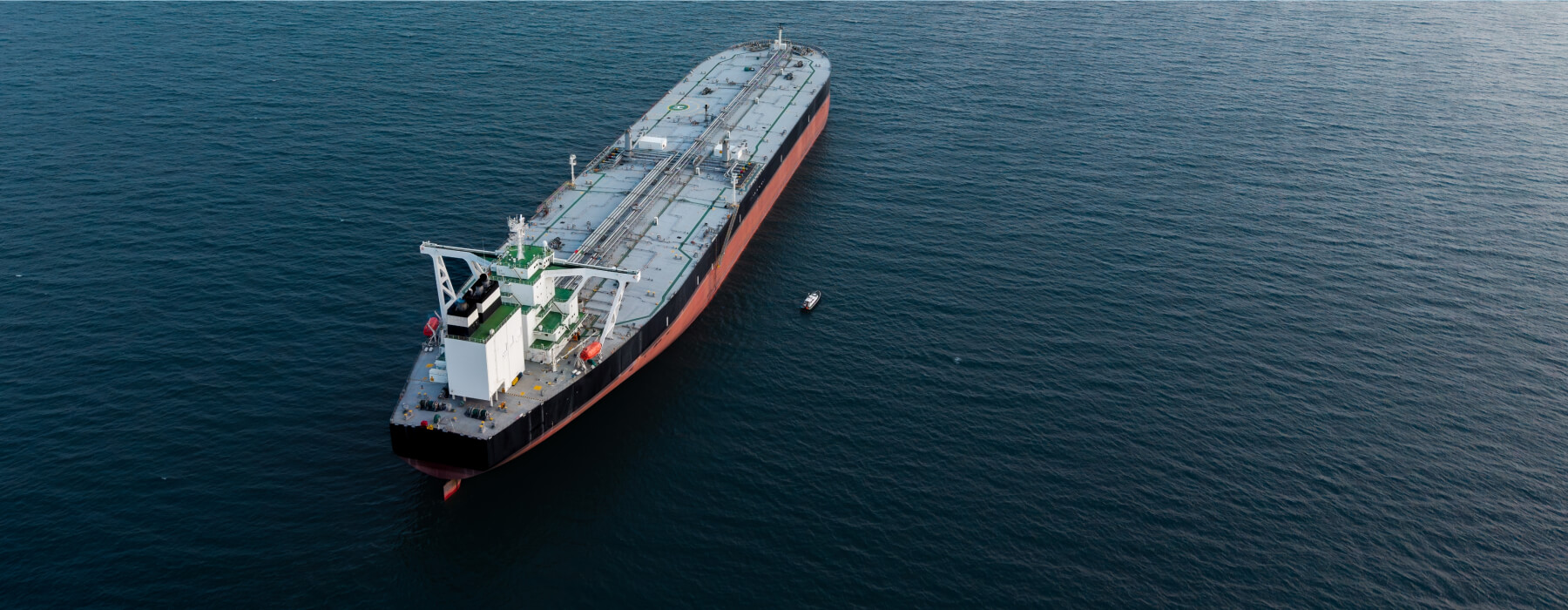
On July 13, Iranian forces attacked commercial tankers, including UAE-owned vessels, killing at least one crew member.
During ceasefire periods reported in April 2026, Iran had already been extracting transit tolls of approximately $1 per barrel from passing vessels, accepted in yuan, Bitcoin, or stablecoins.