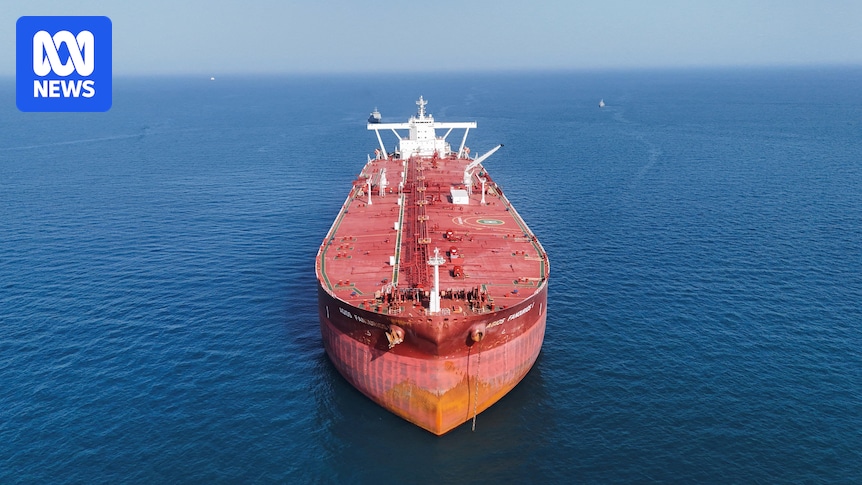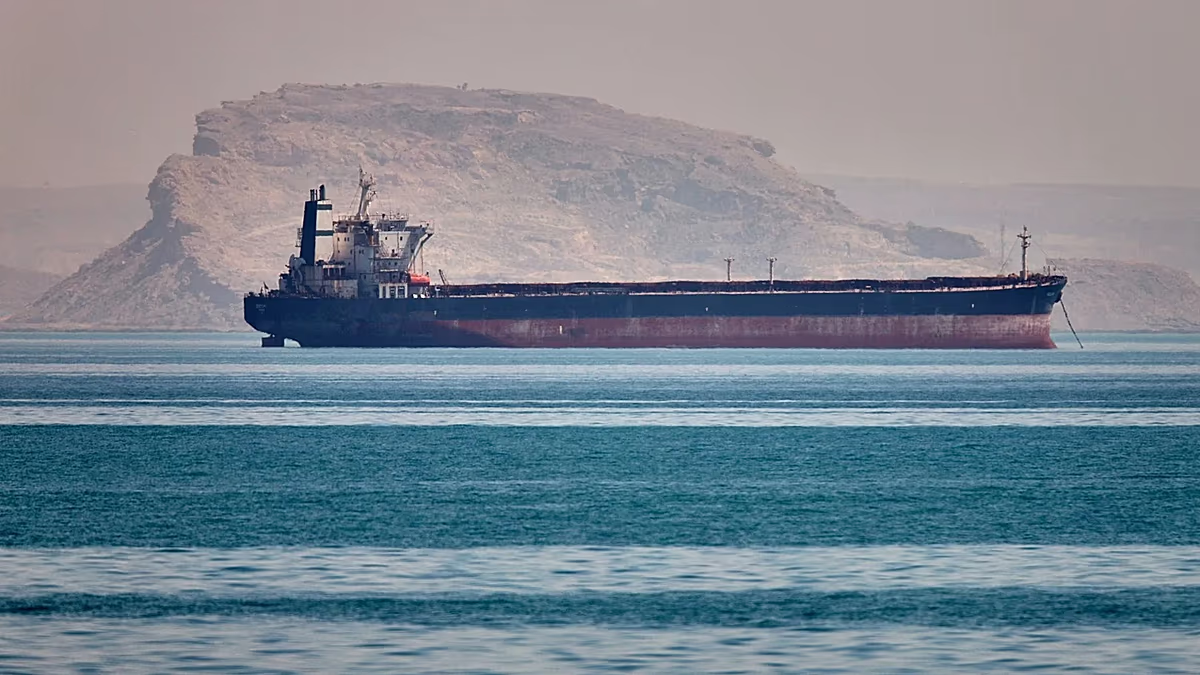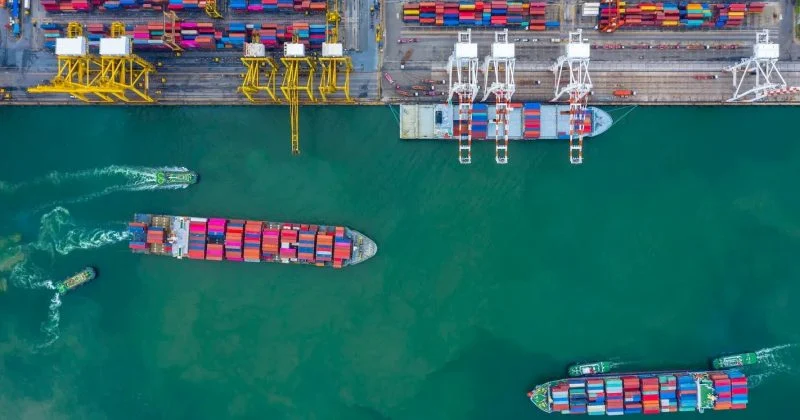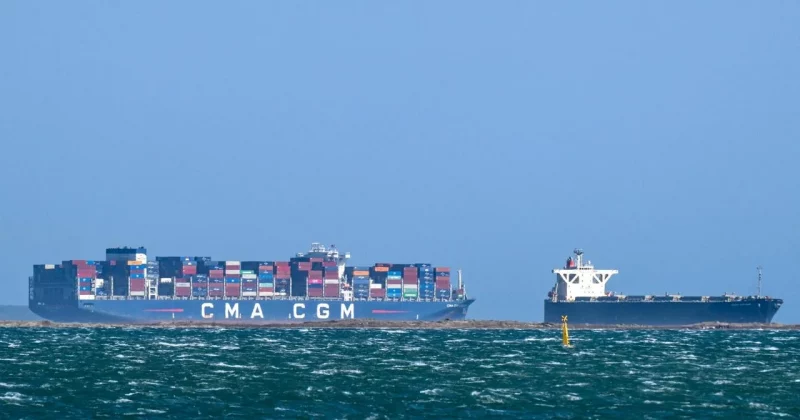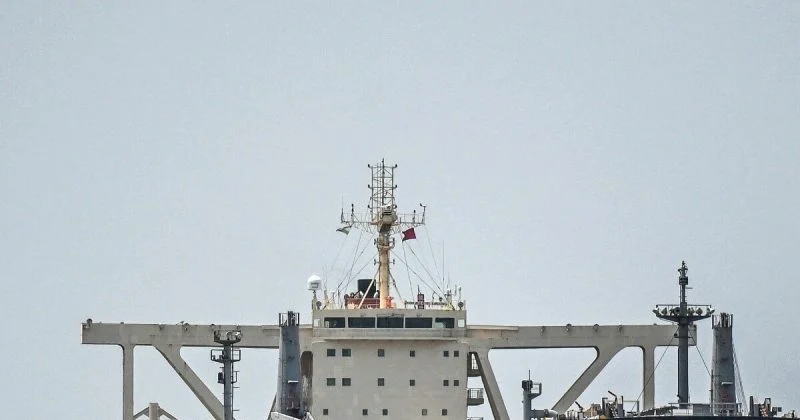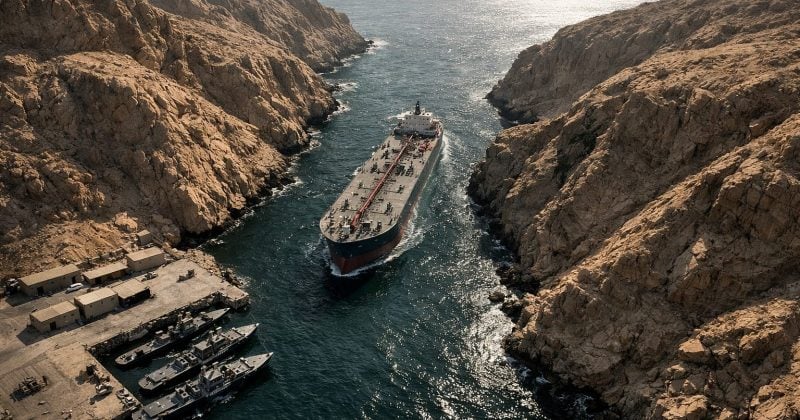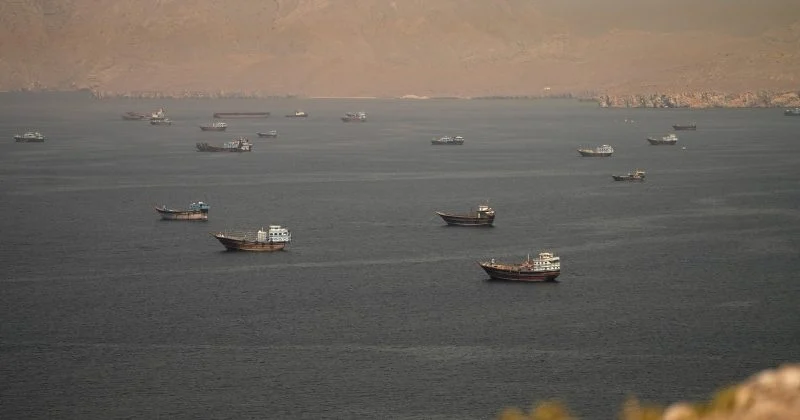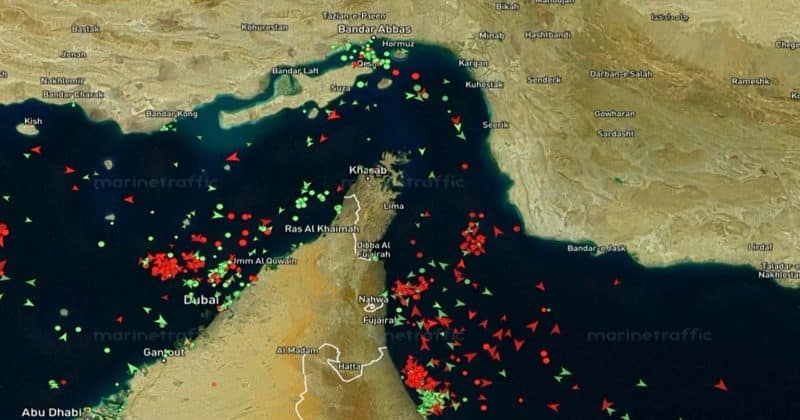
Iran has effectively turned the Strait of Hormuz into a toll road. A new multi-tiered transit system, managed by the freshly established Persian Gulf Strait Authority and enforced by the Islamic Revolutionary Guard Corps (IRGC), now governs passage through one of the most consequential shipping lanes on Earth. Roughly 20% of the world’s oil supply flows through these waters. The system prioritizes vessels linked to Russia and China, gives secondary preference to ships tied to India and Pakistan, and subjects everyone else to stringent vetting, escorted convoys, and fees that can reach as high as $2 million per vessel.
How the new regime works
Ships seeking passage must now obtain permits from the Persian Gulf Strait Authority, submit detailed documentation, and receive clearance before entering designated transit corridors under IRGC escort.
As of May 20, 2026, only 26 vessels were authorized to transit in a single 24-hour period. Fees are tiered based on affiliation. Non-allied ships face charges ranging from $150,000 to $2 million, with new toll proposals reportedly set at $1 per barrel of cargo. Some of those payments are being made in yuan, Bitcoin, and other digital assets.
The sanctions angle and crypto payments