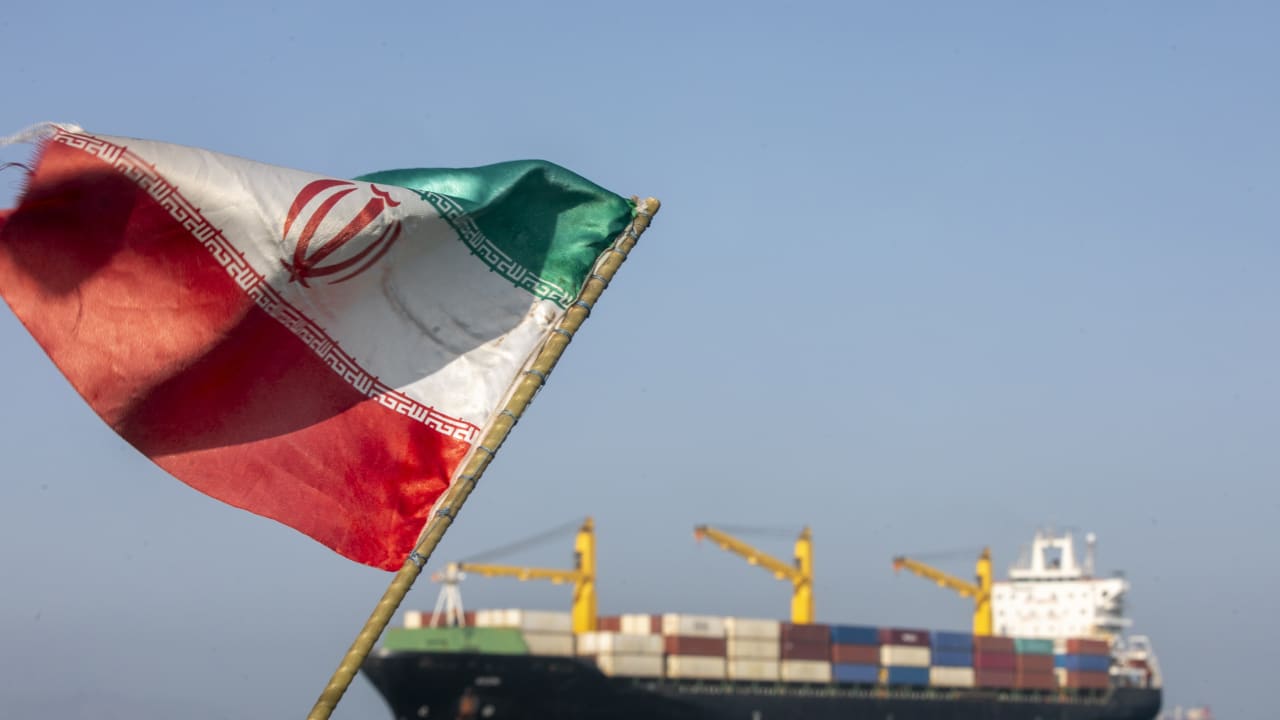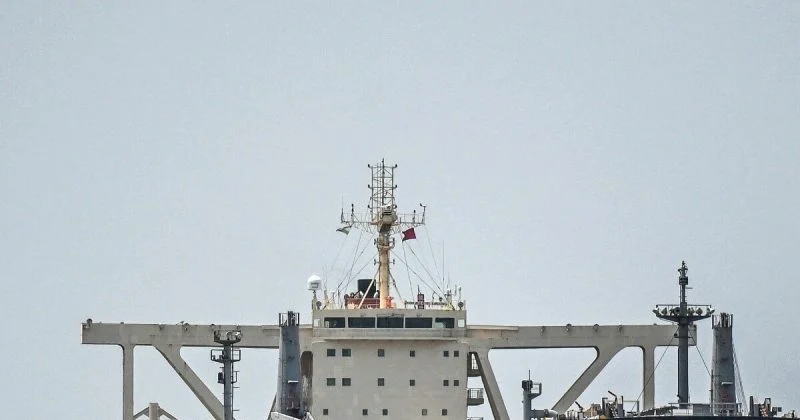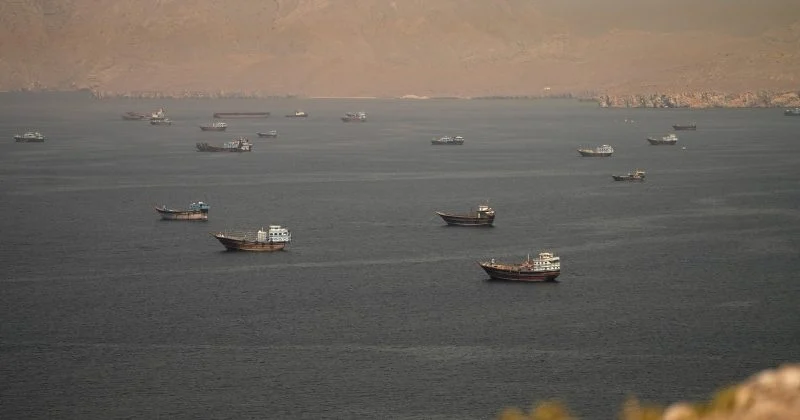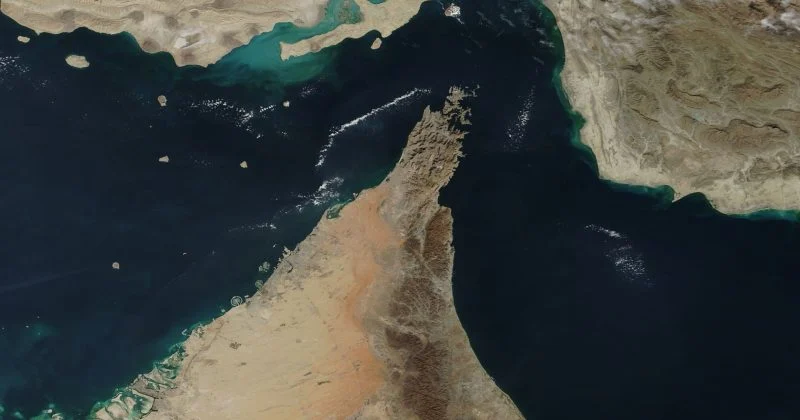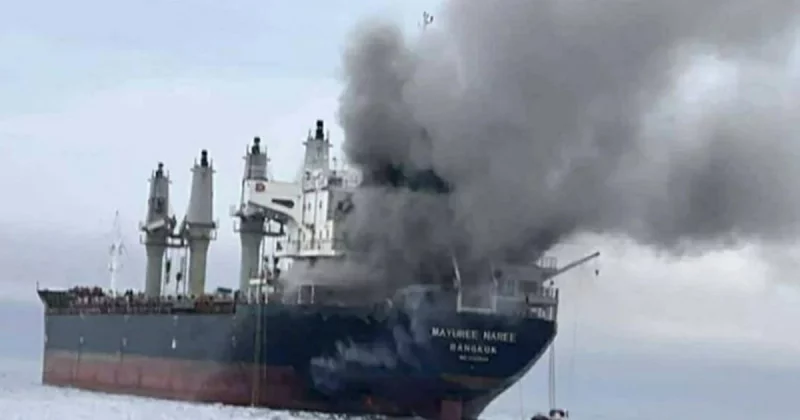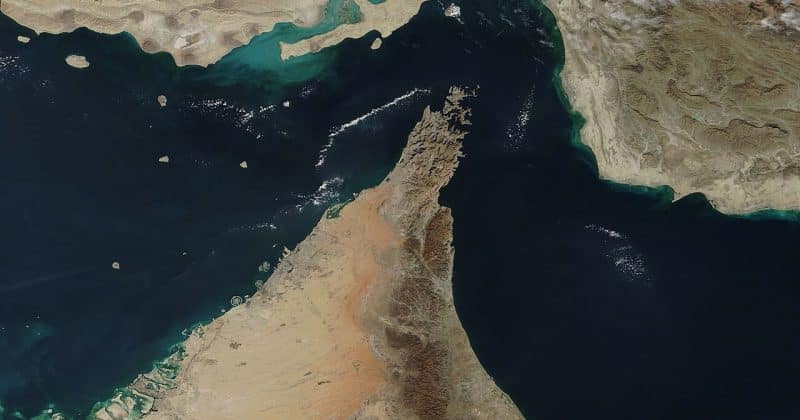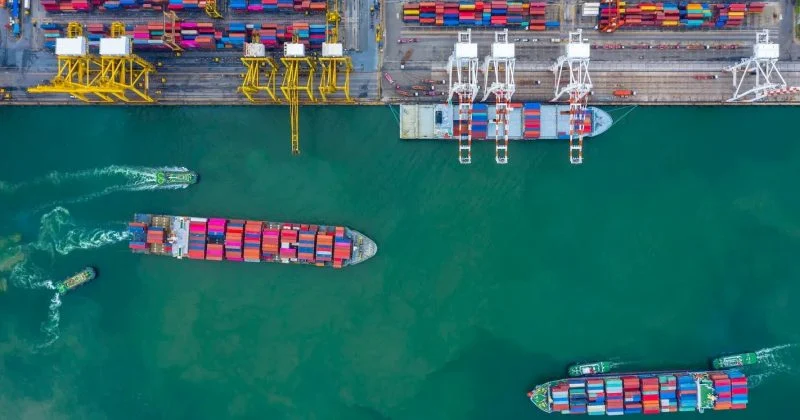
Iran has started charging ships to pass through the Strait of Hormuz, the narrow waterway through which roughly a fifth of the world’s oil supply flows daily. The government says it expects to pull in $40 billion a year from the tolls. Here’s the thing: the math doesn’t come close to working out.
The toll system, which went live in mid-March 2026, charges vessels for what Iran describes as security and escort services. Payments are accepted in cash, goods, Chinese yuan via the Cross-Border Interbank Payment System (CIPS), and, notably, digital assets including Bitcoin and USDT.
The gap between ambition and reality
Iran’s government has projected potential annual revenues ranging from $40 billion to over $100 billion, assuming maritime traffic through the strait returns to pre-conflict levels.
As of mid-April 2026, only about 5 to 6 cargo ships were transiting the strait daily. For context, typical pre-conflict traffic ran around 150 tankers per day. That’s a 96% drop in volume.