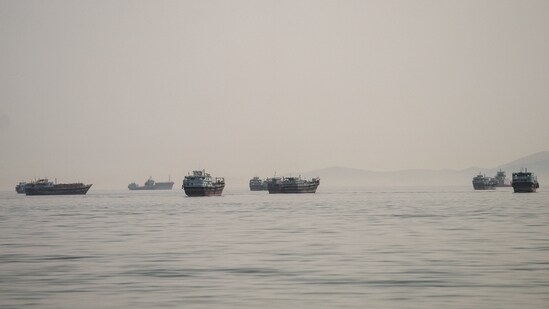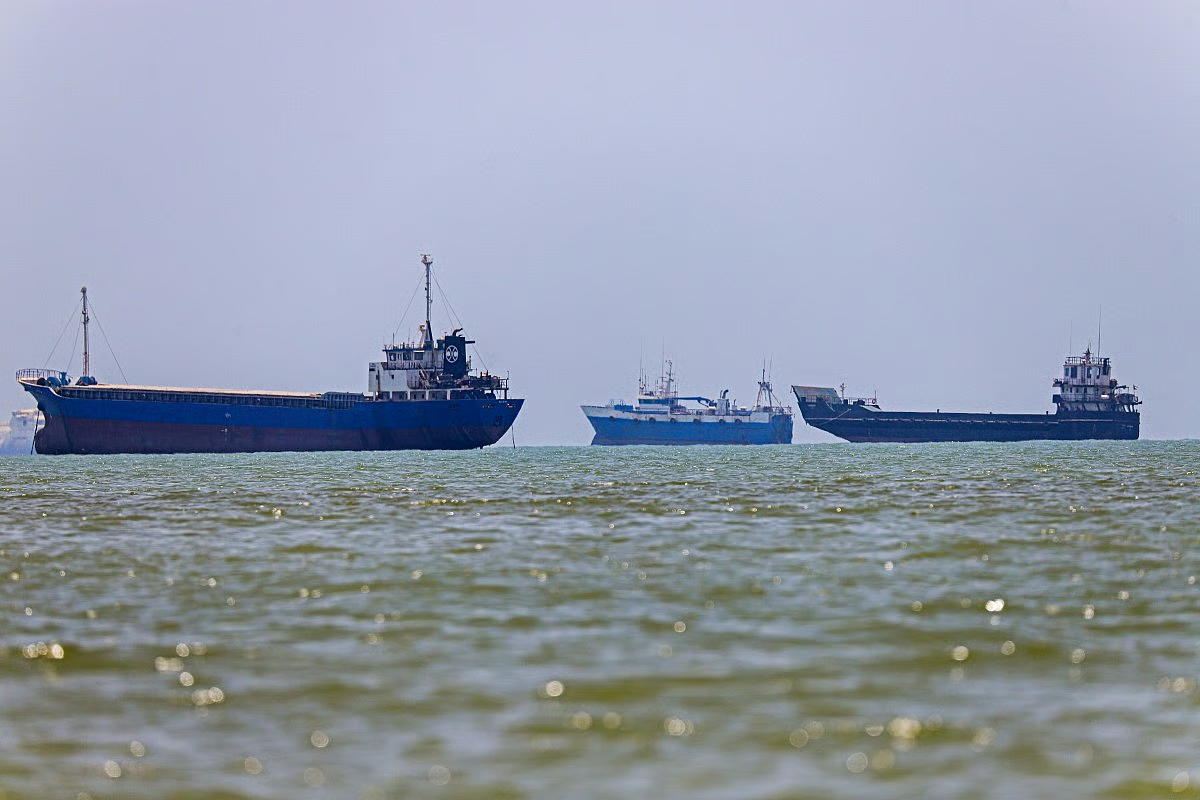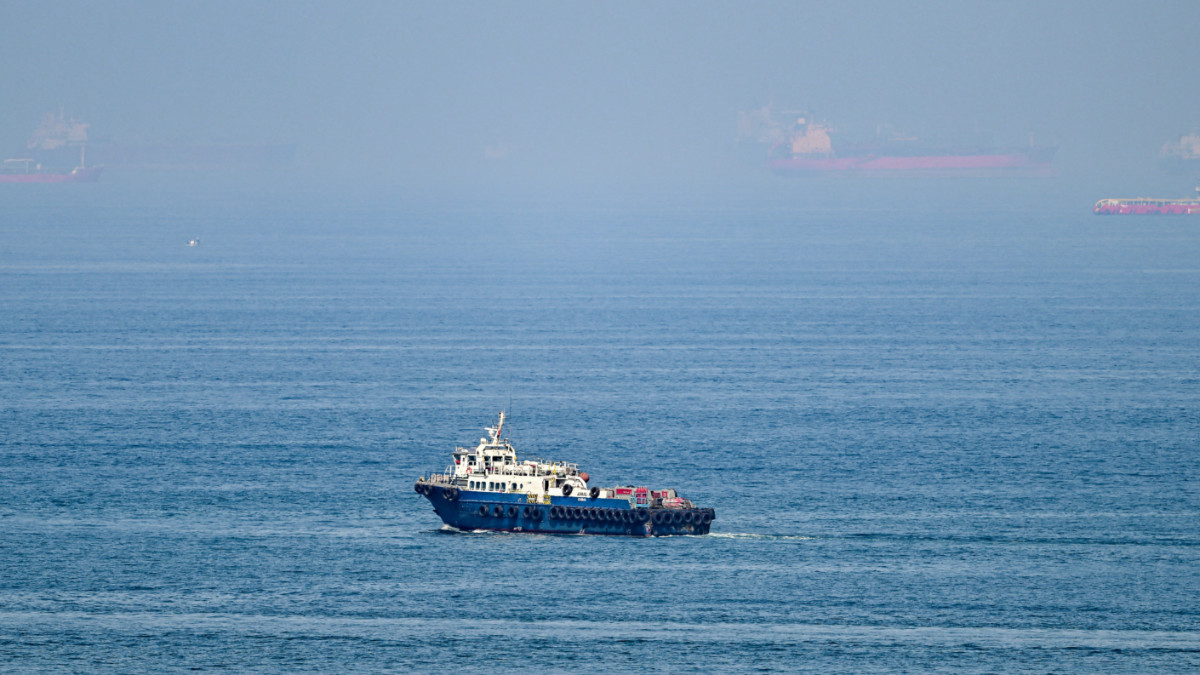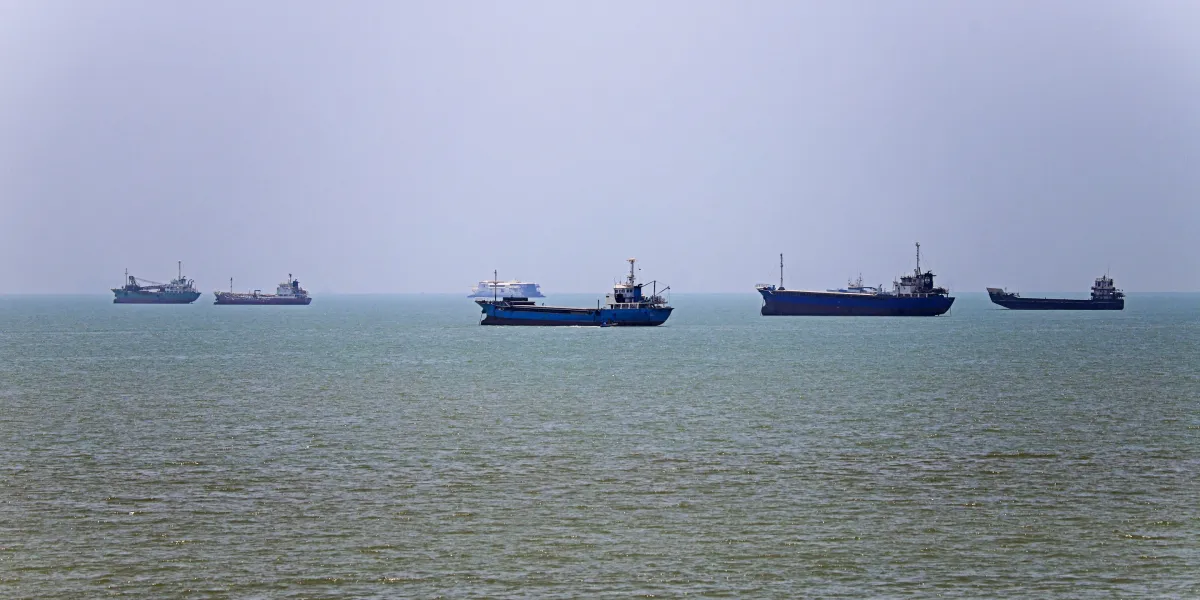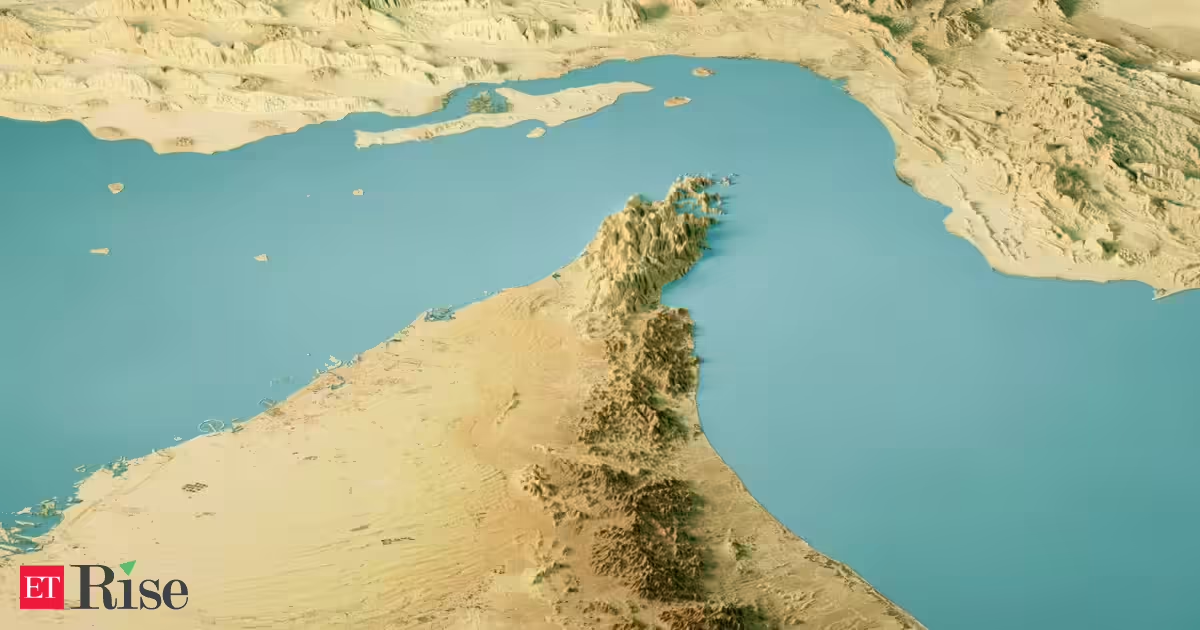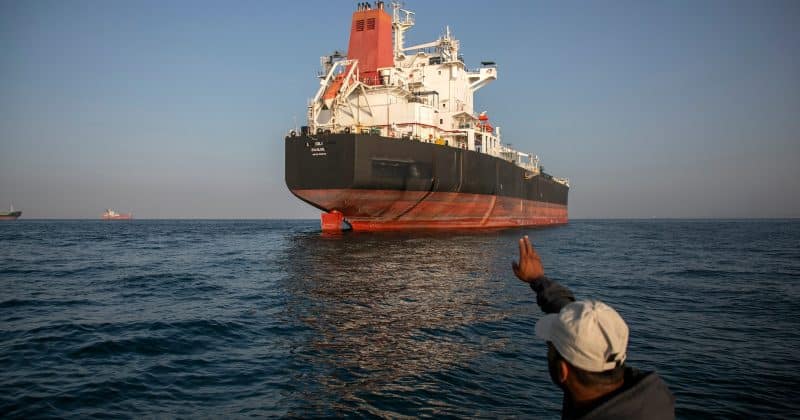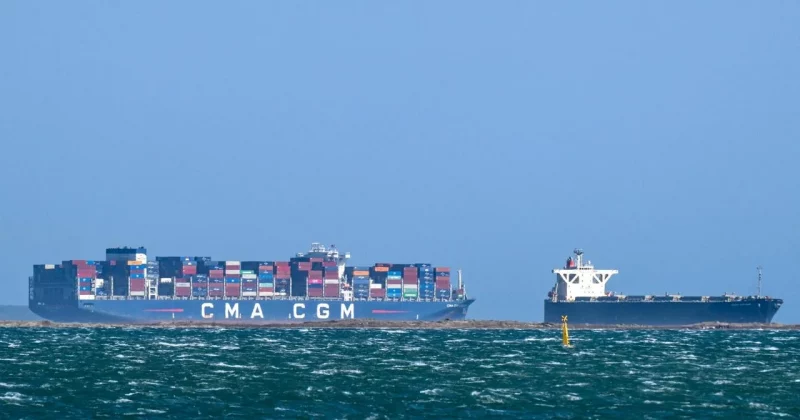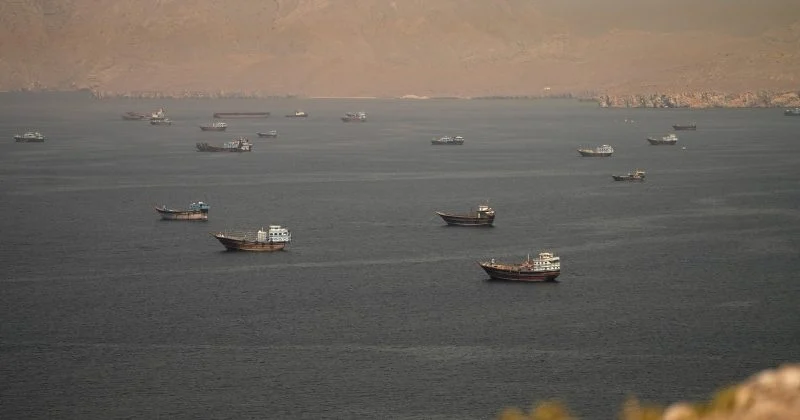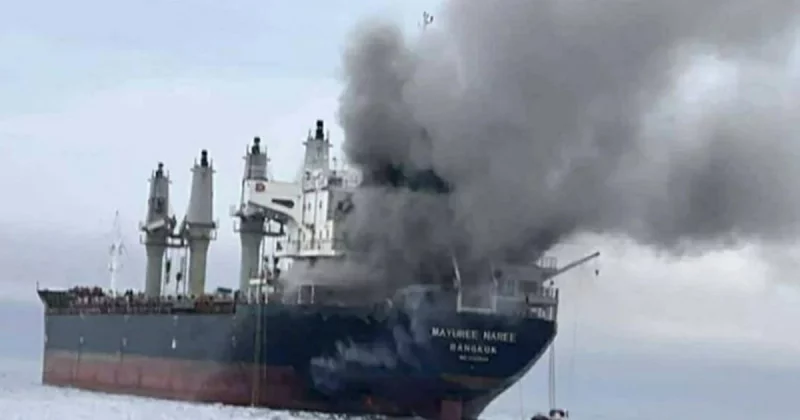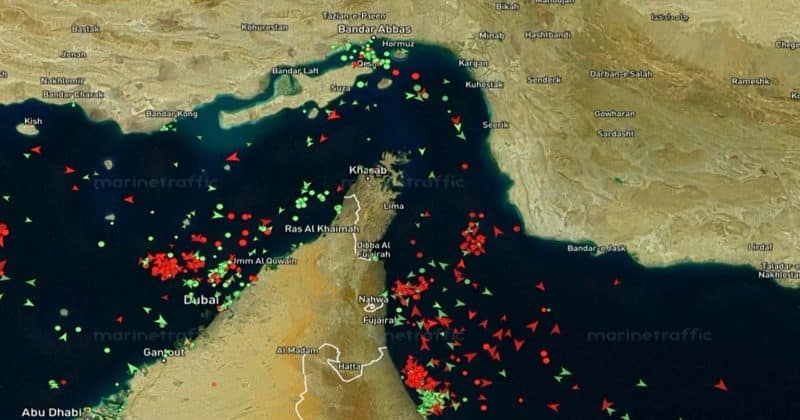
Roughly 20% of the world’s oil passes through a narrow chokepoint between Iran and Oman every single day. Iran just decided to put a toll booth on it, though it’s very careful not to call it that.
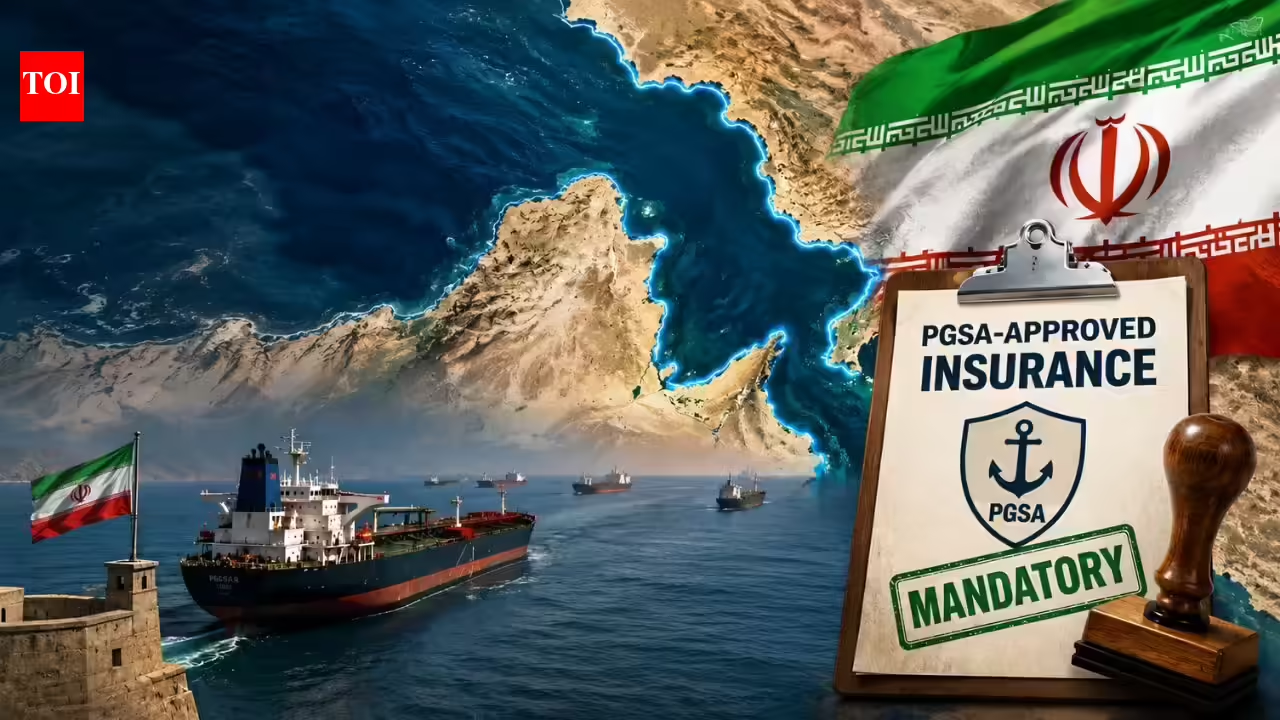
Tehran has announced that all ships transiting the Strait of Hormuz will be required to obtain insurance coverage approved by its newly created Persian Gulf Strait Authority, or PGSA. The mandate kicks in after a 60-day grace period beginning around June 18, 2026. And in a twist that makes this story relevant well beyond shipping desks, Iran has floated a Bitcoin-settled insurance platform called Hormuz Safe that could funnel over $10 billion in revenue through cryptocurrency rails.
The fee that isn’t a toll
Here’s the thing about international maritime law: you can’t just charge tolls on natural straits. The United Nations Convention on the Law of the Sea guarantees the right of “transit passage” through straits used for international navigation. Iran knows this, which is why it’s framing its charges as “insurance fees” and “fees for services” rather than formal tolls.
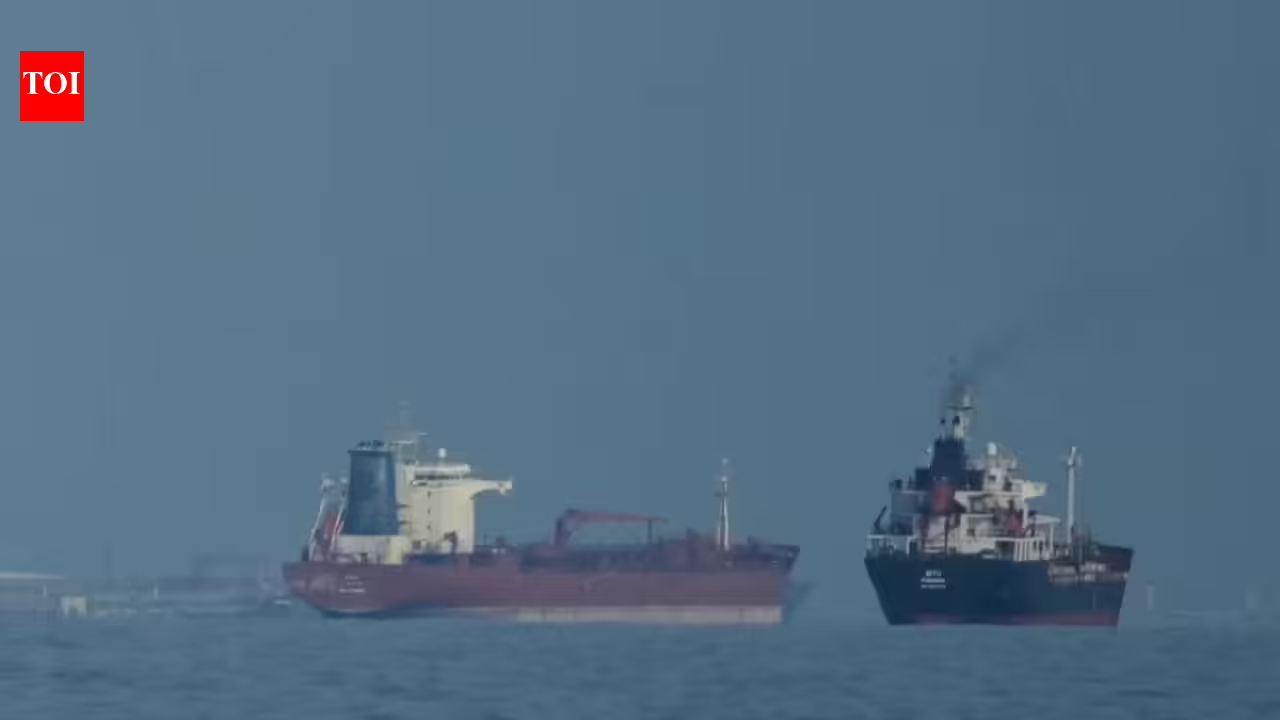
During the escalation of the US-Israel conflict with Iran that began on February 28, 2026, transit fees reportedly reached as high as $2 million per voyage. War-risk insurance premiums for vessels transiting the strait surged from a baseline of 0.15% to 0.25% of hull value up to 5% to 10% following the February 28 conflict escalation. For a supertanker valued at $100 million or more, that math gets ugly fast.