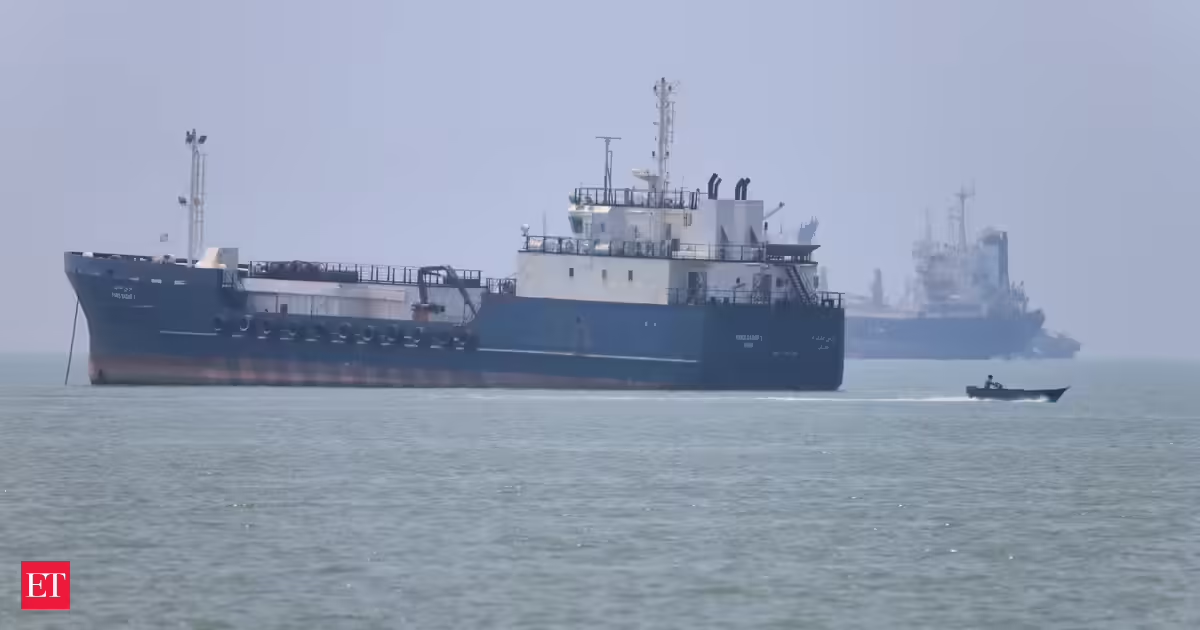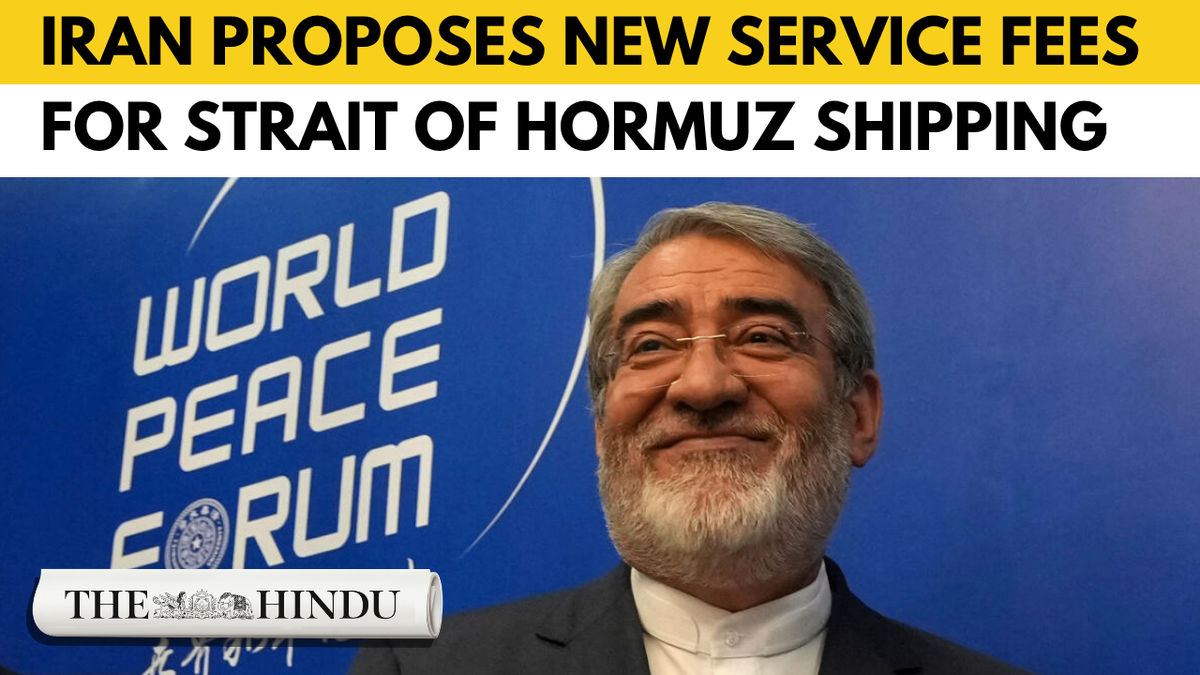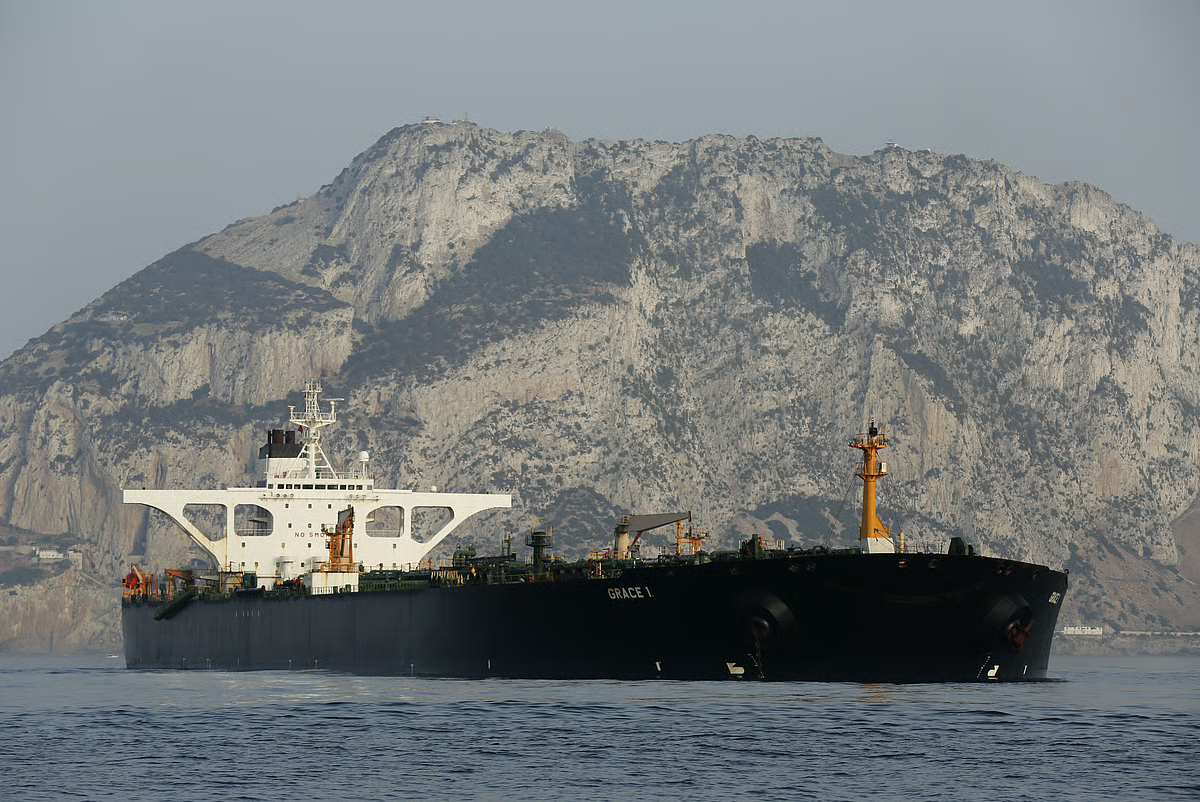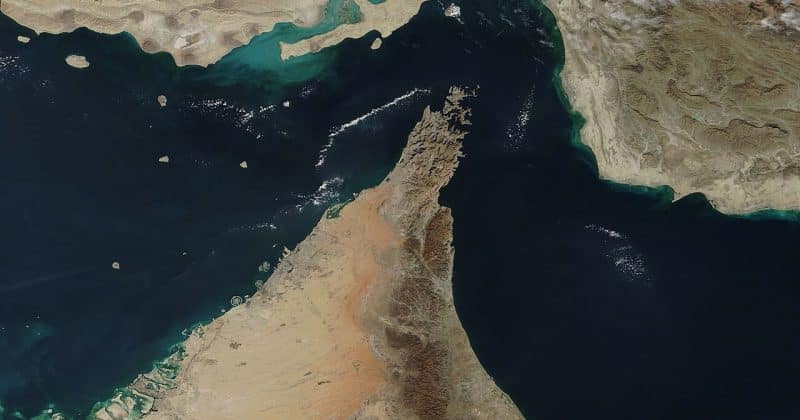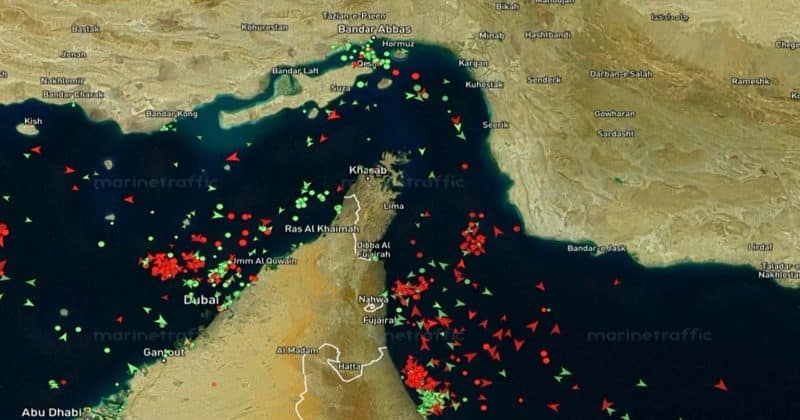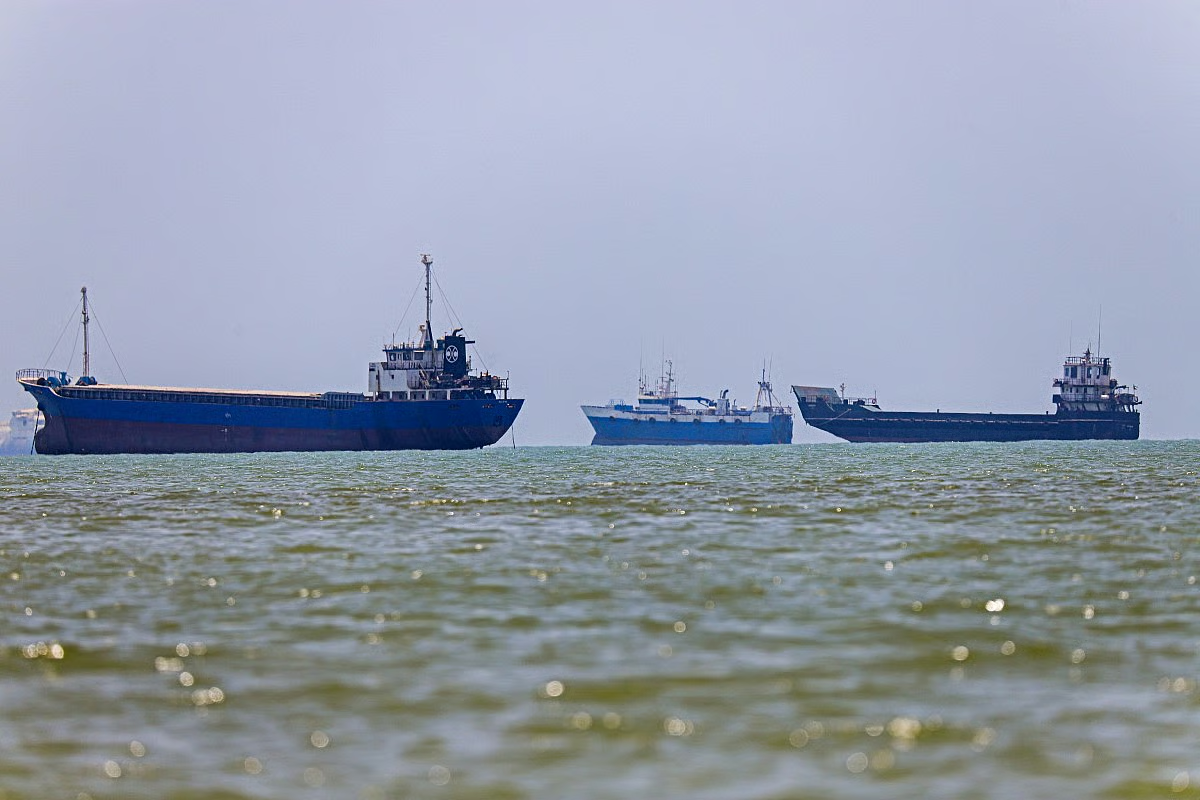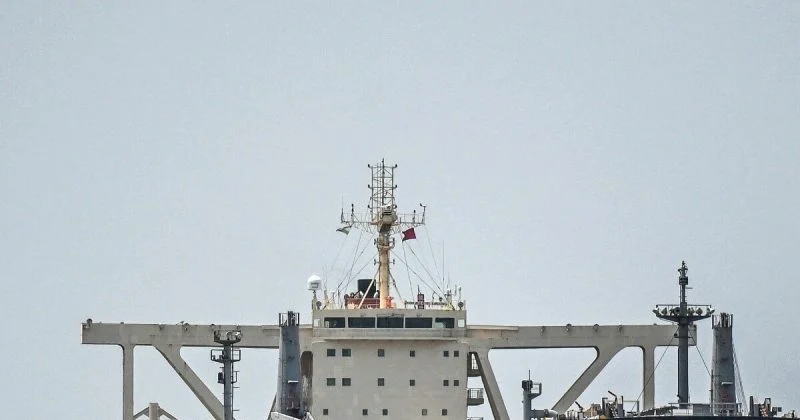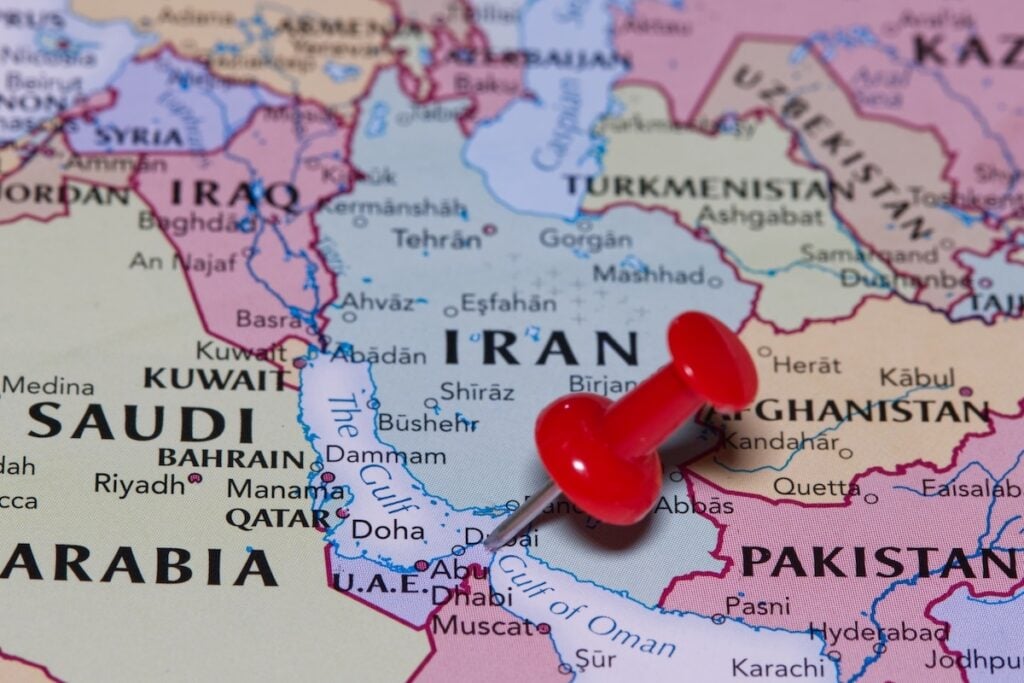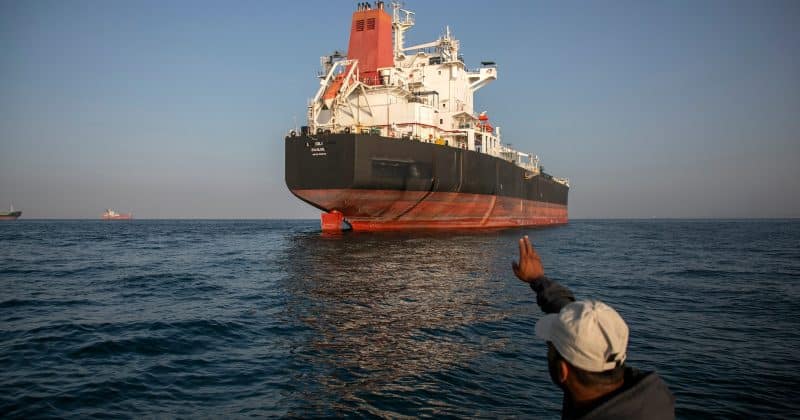
Iran plans to start charging commercial vessels for transiting the Strait of Hormuz once a 60-day free-passage window expires, a move that has already drawn pushback from Washington and could ripple through global oil and shipping markets. Tehran is simultaneously rolling out a Bitcoin-settled insurance platform for ships making the passage.
What’s actually happening
The backdrop here is a US-Iran memorandum of understanding struck in mid-June 2026 that guaranteed toll-free commercial transit through the Strait for 60 days. That window is set to close around mid-August, and what comes after is where things get complicated.
Iran established the Persian Gulf Strait Authority back in May 2026 specifically to oversee “safe passage permits” and collect service fees tied to navigation and environmental measures. The Iranian foreign ministry has been careful to label these as “maritime service fees” rather than tolls, a distinction that matters under international maritime law.
Washington rejected the proposed fee structure outright, arguing it could disrupt established international shipping norms. Roughly 20% of the world’s oil supply passes through the Strait of Hormuz on any given day. Shipping giant Maersk has voiced concerns that Iran’s fee structure could set a harmful precedent for international shipping.