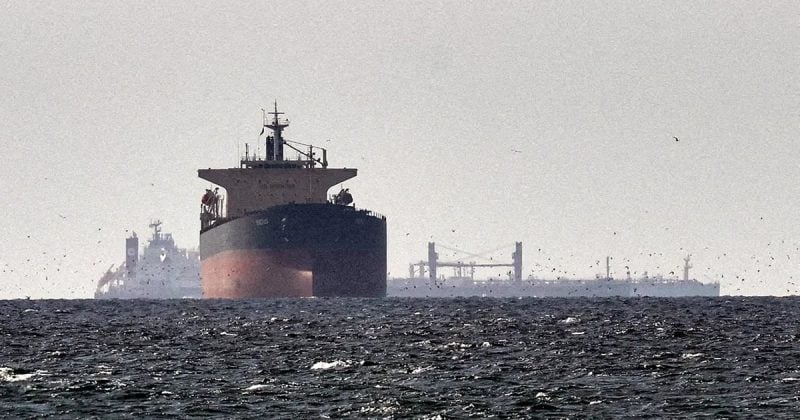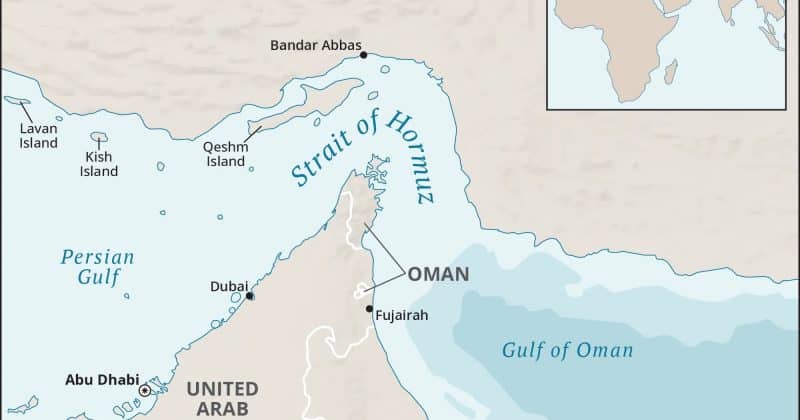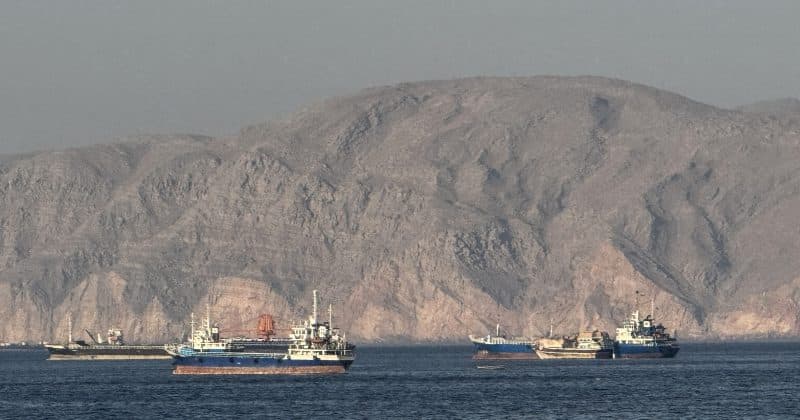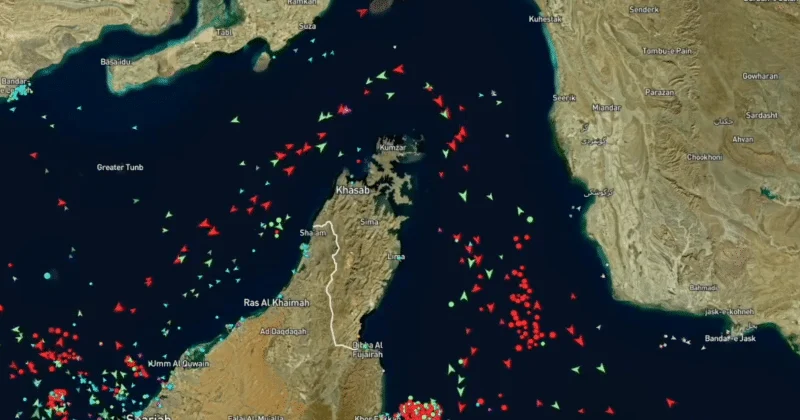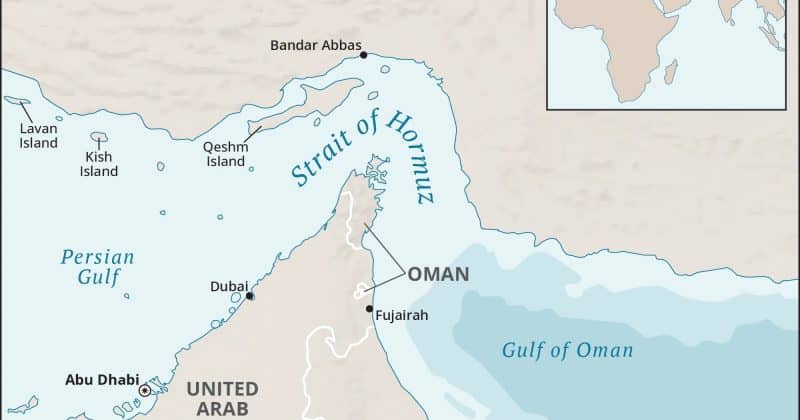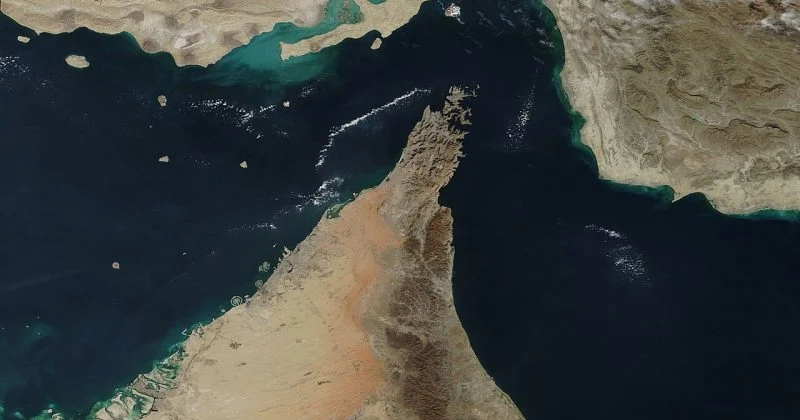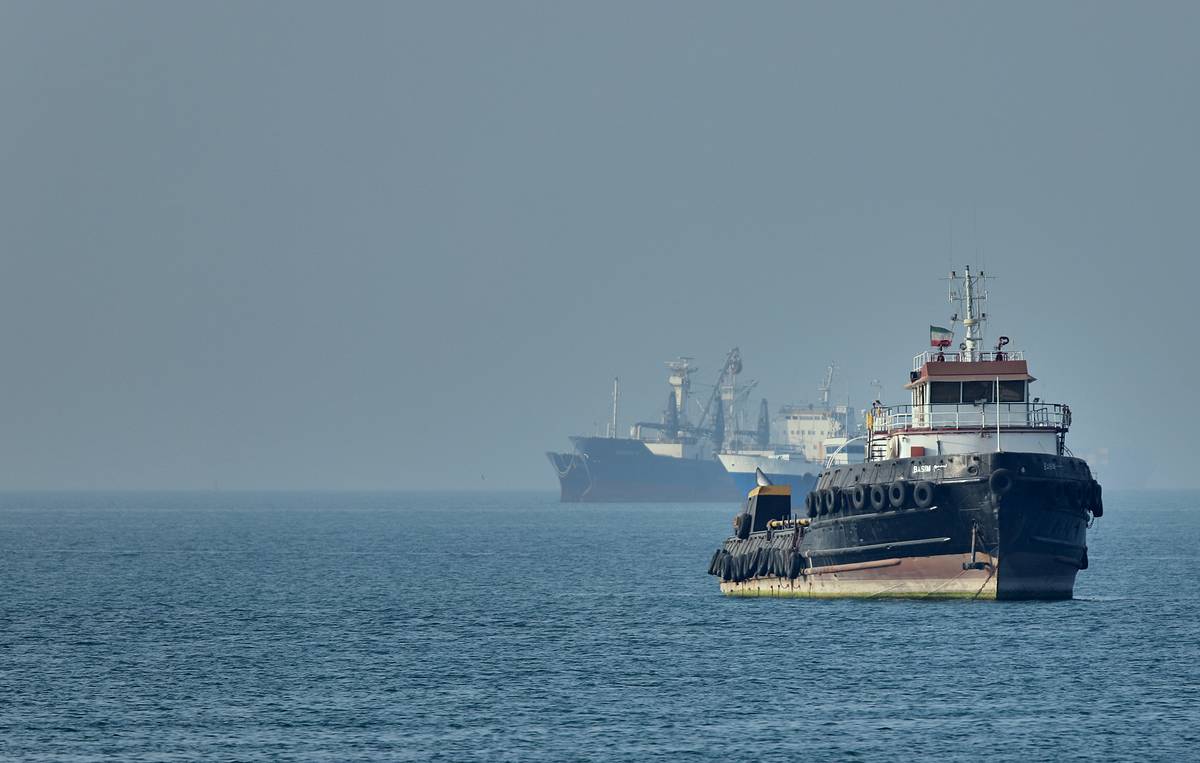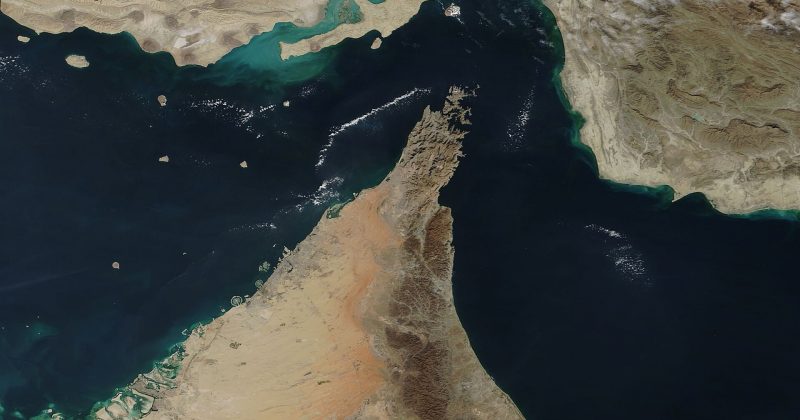
The Islamic Revolutionary Guard Corps Navy announced the closure of the Strait of Hormuz on July 11, 2026, after firing a warning shot at a commercial vessel that allegedly failed to follow prescribed shipping routes. The narrow waterway, which typically handles 20-25% of global oil shipments, is now effectively shut to maritime traffic until further notice.
If you’re wondering why a naval incident in the Persian Gulf matters to crypto, here’s the thing: Iran has been quietly accepting Bitcoin and stablecoin payments for transit tolls through the strait since mid-March, running the operation through a platform called “Hormuz Safe.” When a nation under heavy sanctions builds crypto payment rails into one of the world’s most critical shipping chokepoints, the implications ripple far beyond the oil tanker deck.
A chokepoint under pressure
This isn’t Iran’s first attempt at leveraging the strait as geopolitical currency. The IRGC has announced closures in March, June, and now July 2026, each time ratcheting up tensions with the US and Israel. Tanker traffic through the waterway has dropped sharply since late February 2026, when earlier disruptions began taking hold.
The energy market math is brutal. Brent crude peaked at $126 per barrel back in March 2026 during a previous round of shipping declines. A sustained closure now, during what was already a fragile period for global energy supply, could push prices well beyond that benchmark.