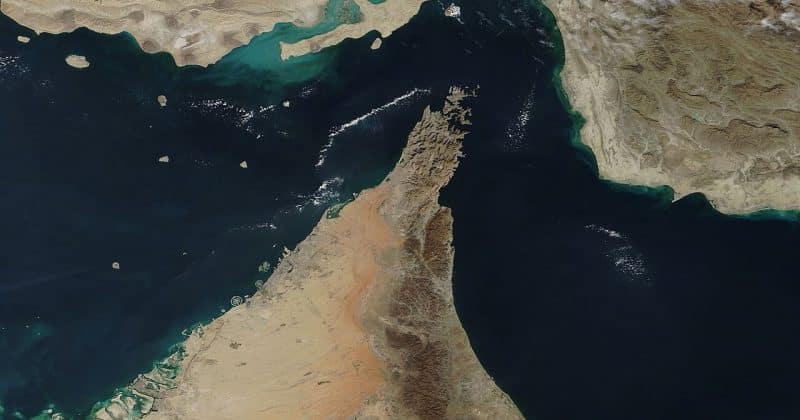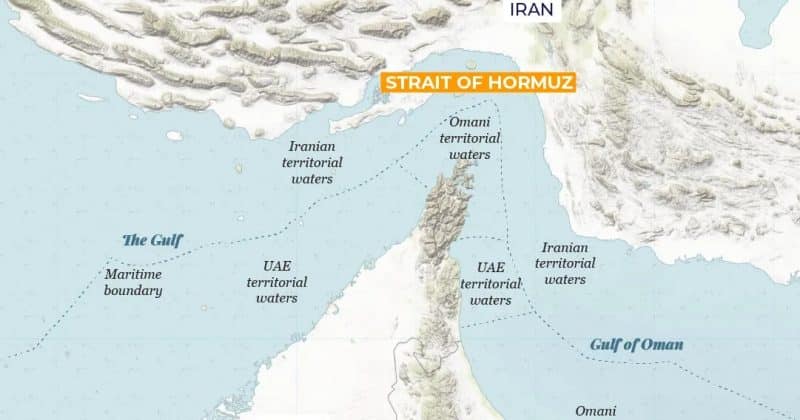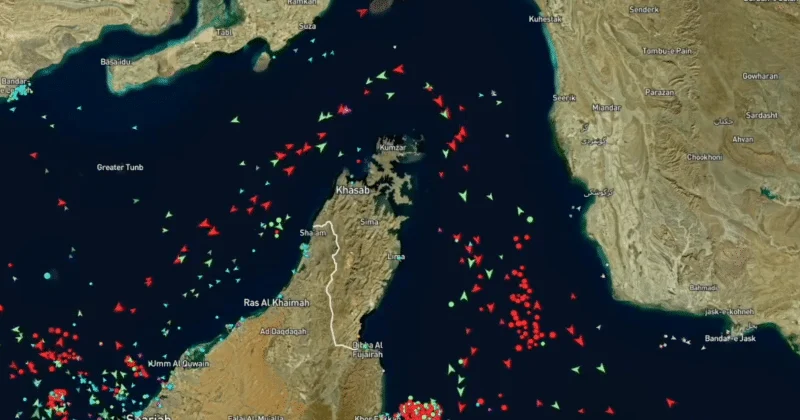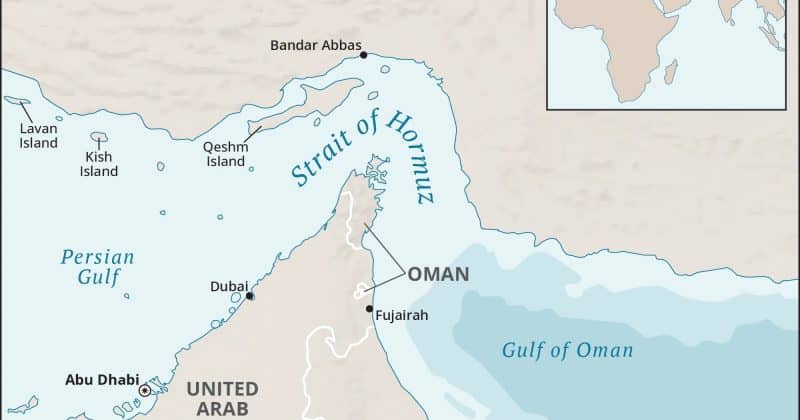
Iran’s Islamic Revolutionary Guard Corps declared the Strait of Hormuz closed to maritime traffic on June 20, and the numbers tell the story. Vessel transits through the world’s most strategically important oil chokepoint have plummeted, matching the near-zero movement patterns that defined the worst periods of the ongoing conflict earlier this year.
Just three days before the announcement, on June 17, traffic had briefly climbed to 55 vessels entering the strait. That was the highest figure seen in months, a flicker of normalcy after a short-lived ceasefire. Then the IRGC pulled the plug again, citing alleged Israeli ceasefire violations in Lebanon and US failures to honor recent agreements.
From 130 vessels a day to almost none
Before the conflict began on February 28 with US-Israeli strikes against Iran, roughly 130 vessels transited the Strait of Hormuz on an average day. Since then, daily traffic has generally ranged between 10 and 40 vessels, a reduction of 70% or more during the worst stretches. At various points during the crisis, over 150 vessels have been reported anchoring outside the strait entirely.
The strait carries 20-25% of all seaborne oil traded globally. The human cost has been considerable too. Thousands of seafarers have been stranded by the severe disruptions to shipping. Cargill, one of the world’s largest commodity traders, has publicly announced commercial disruptions stemming from the conflict.