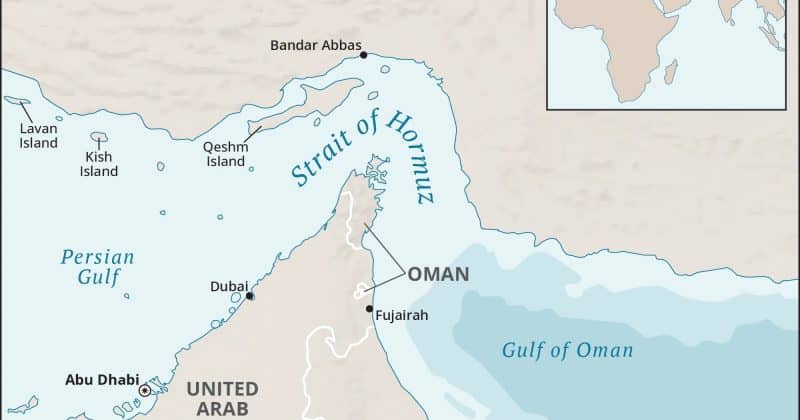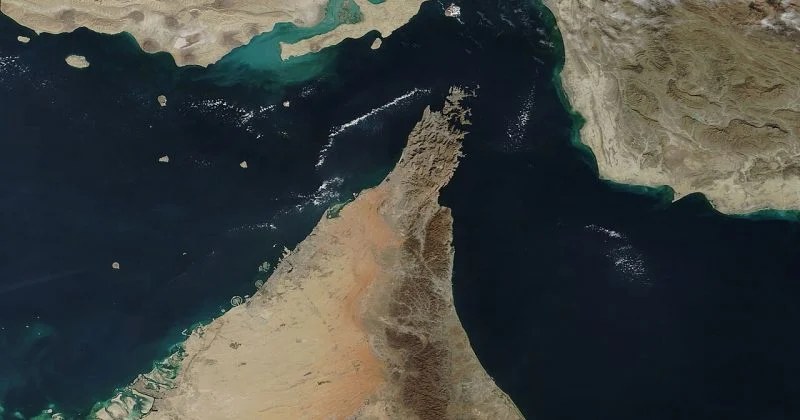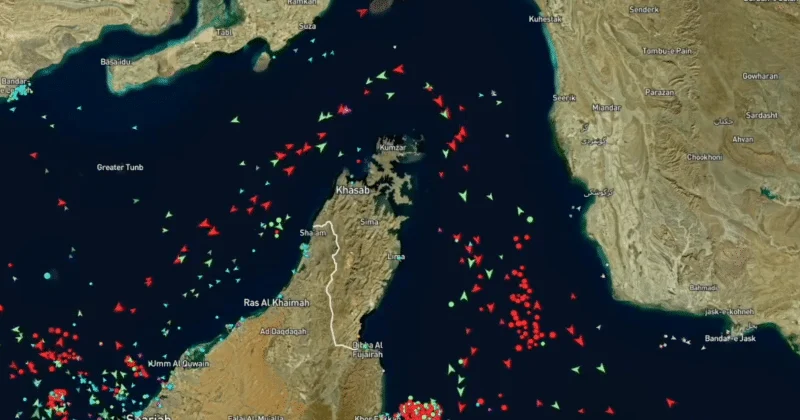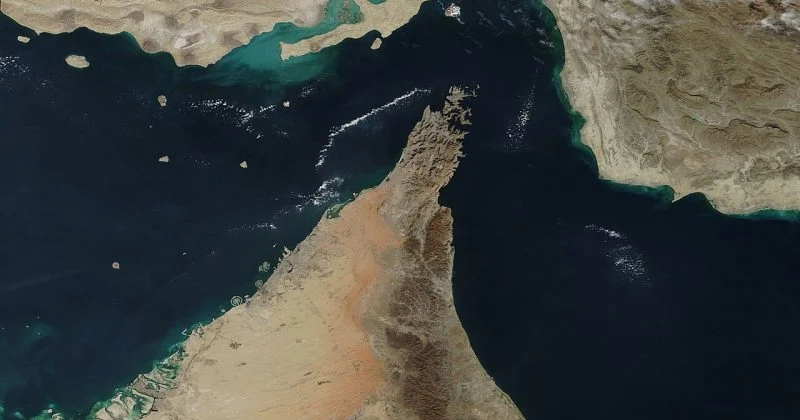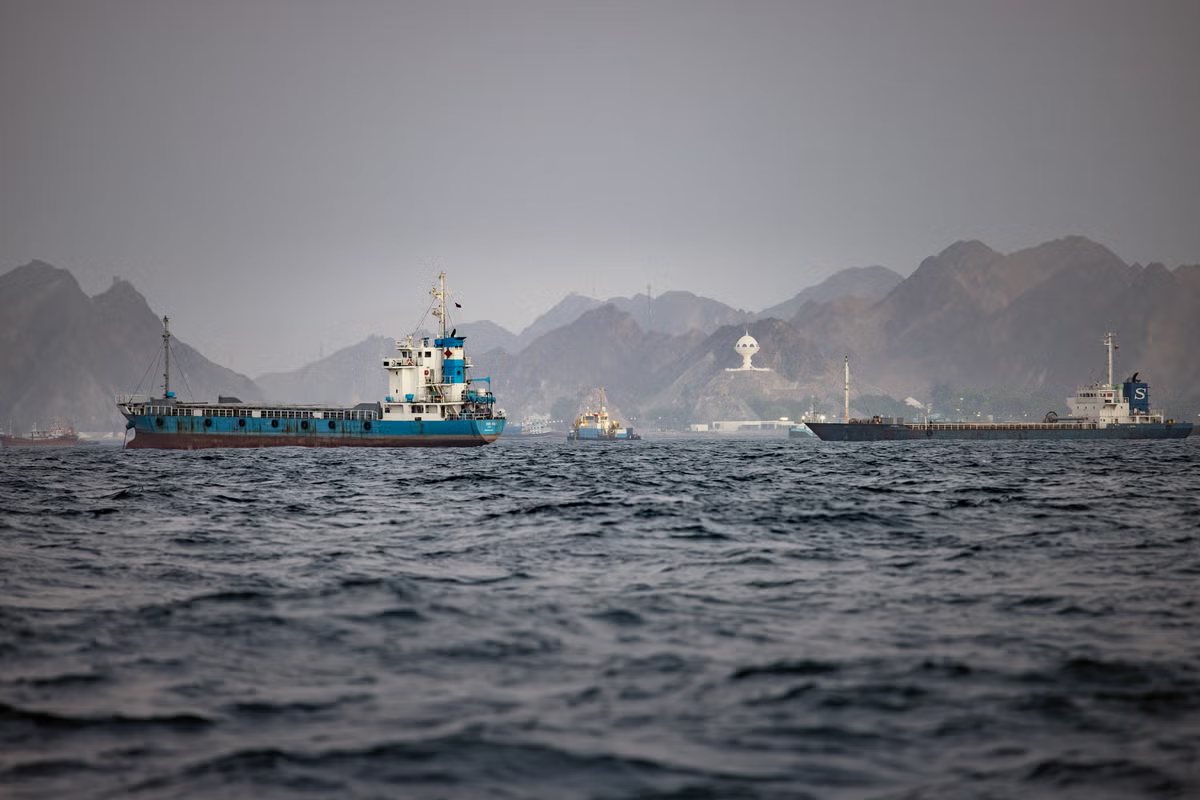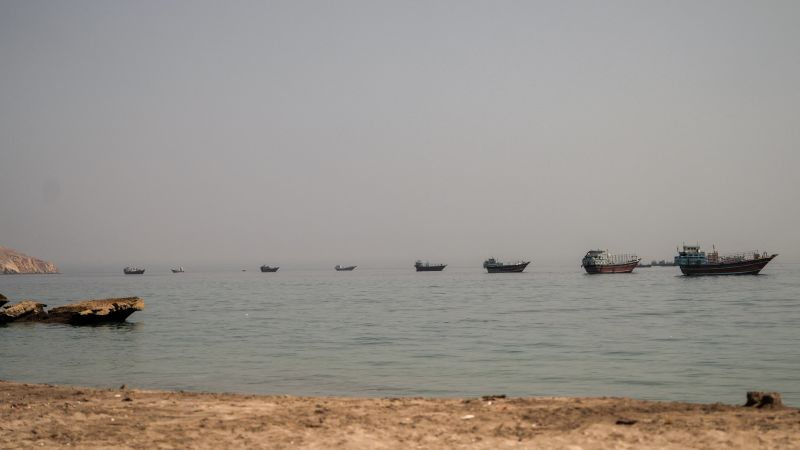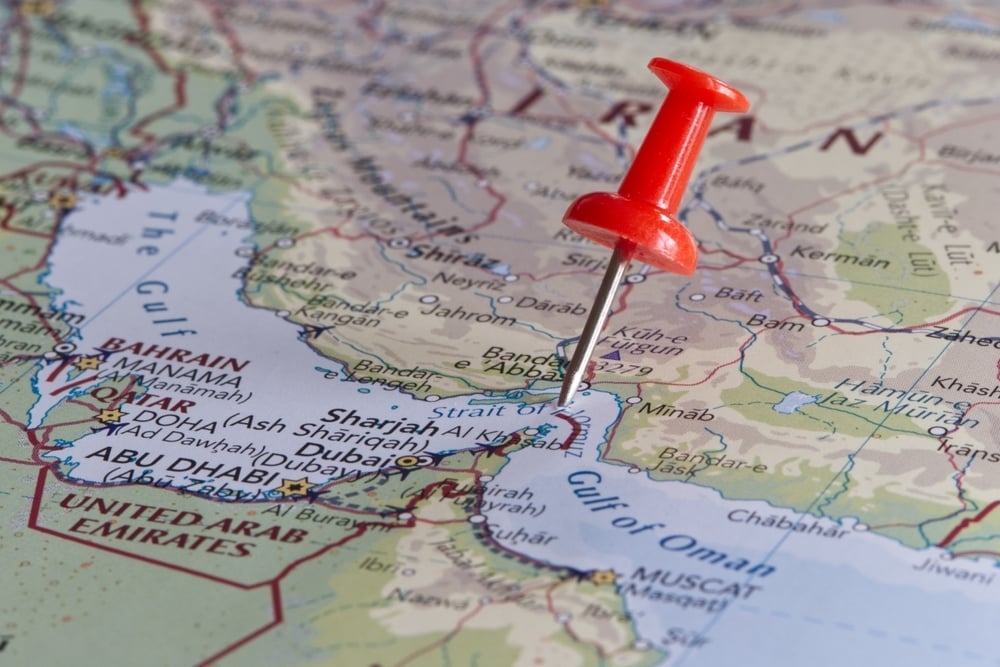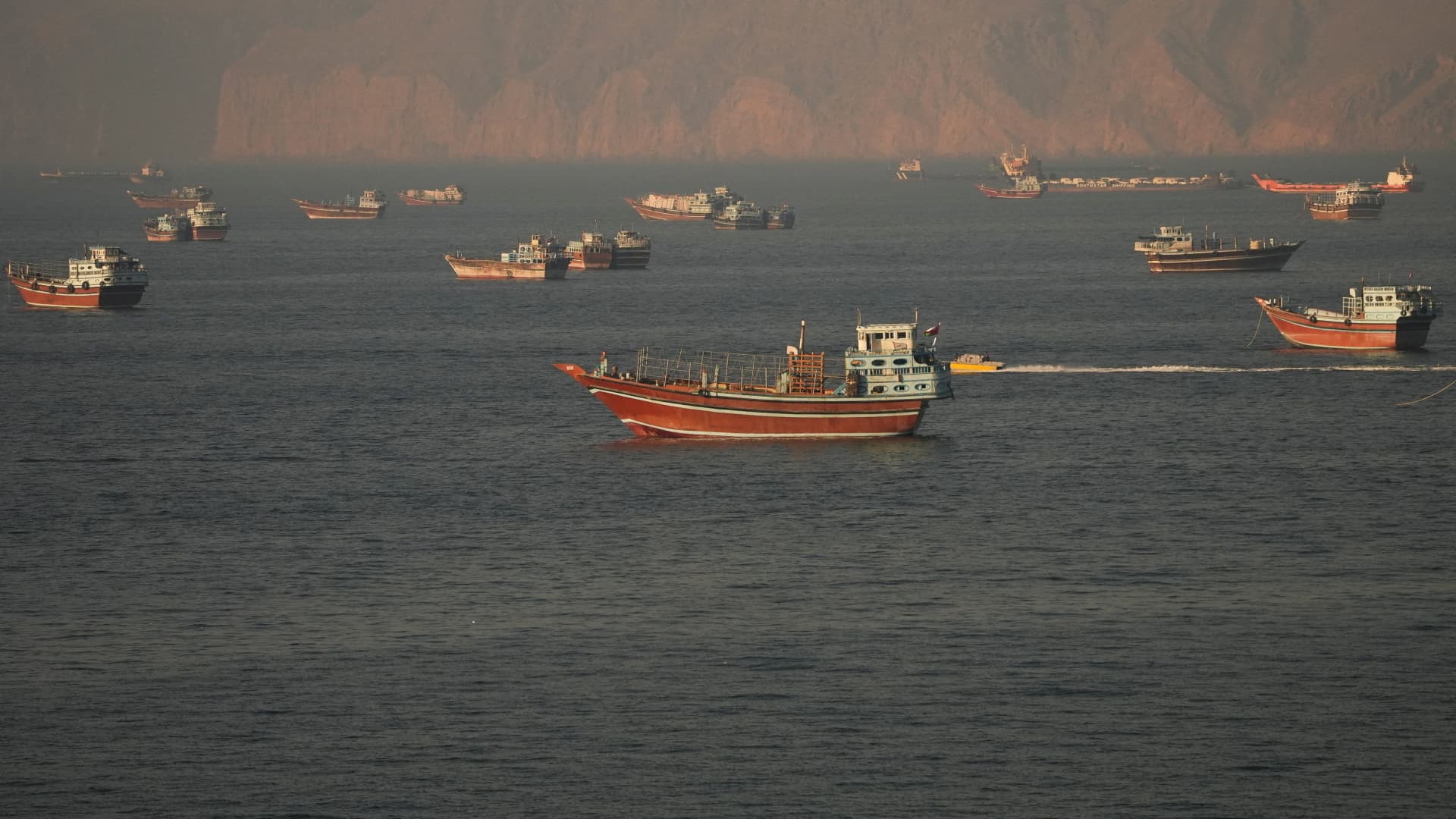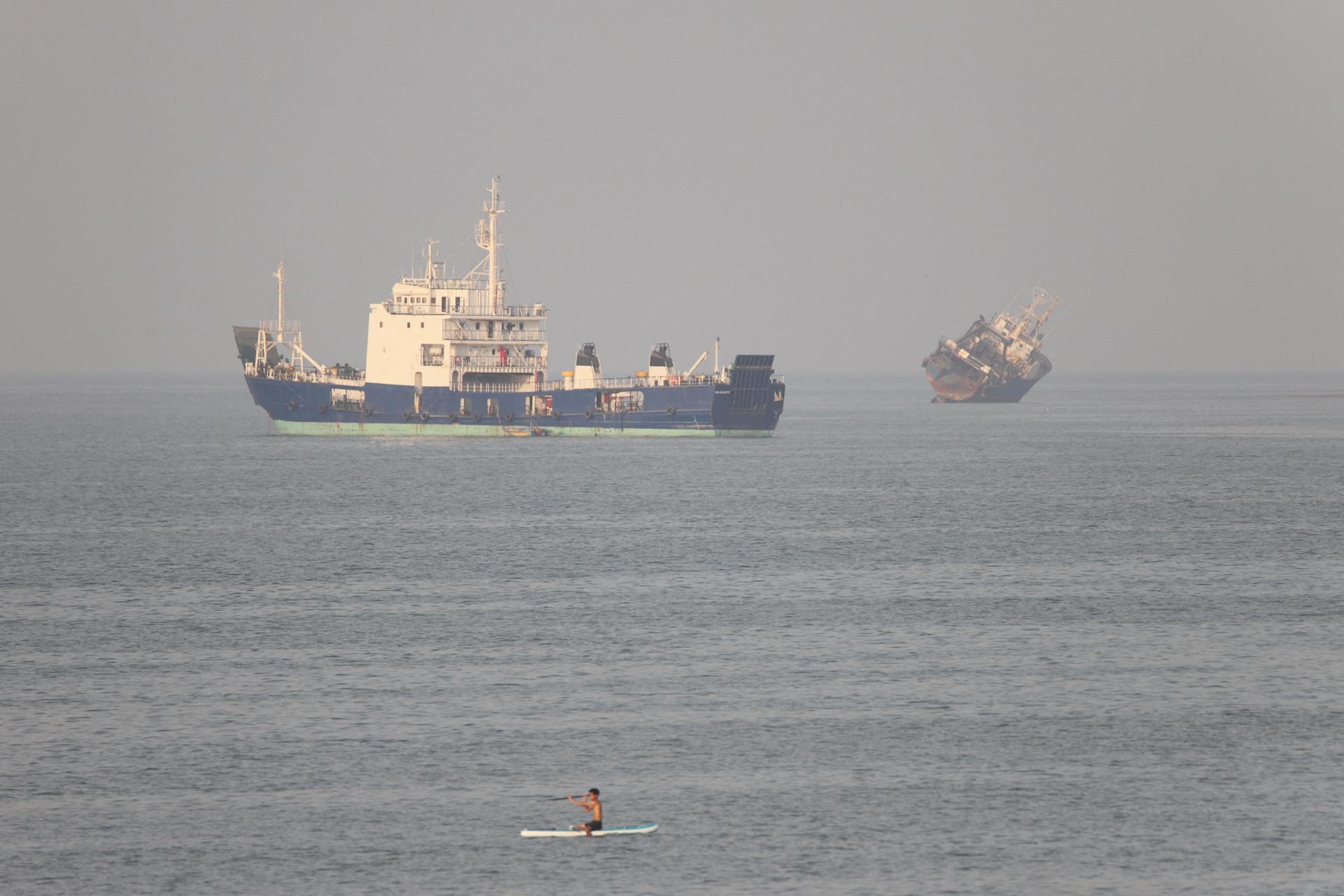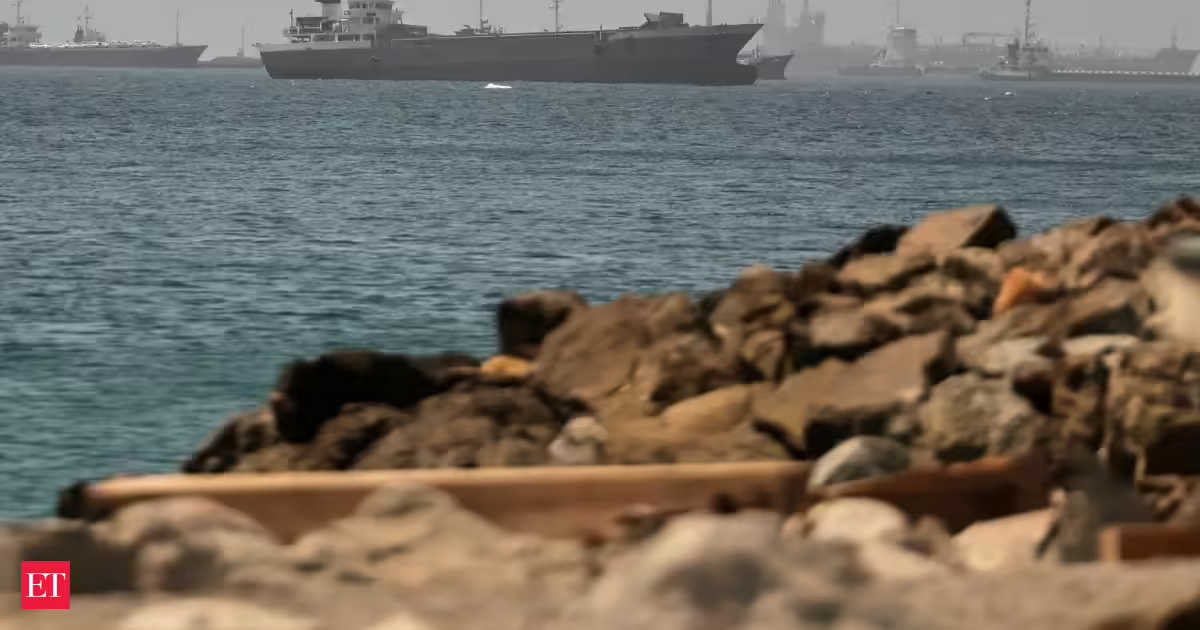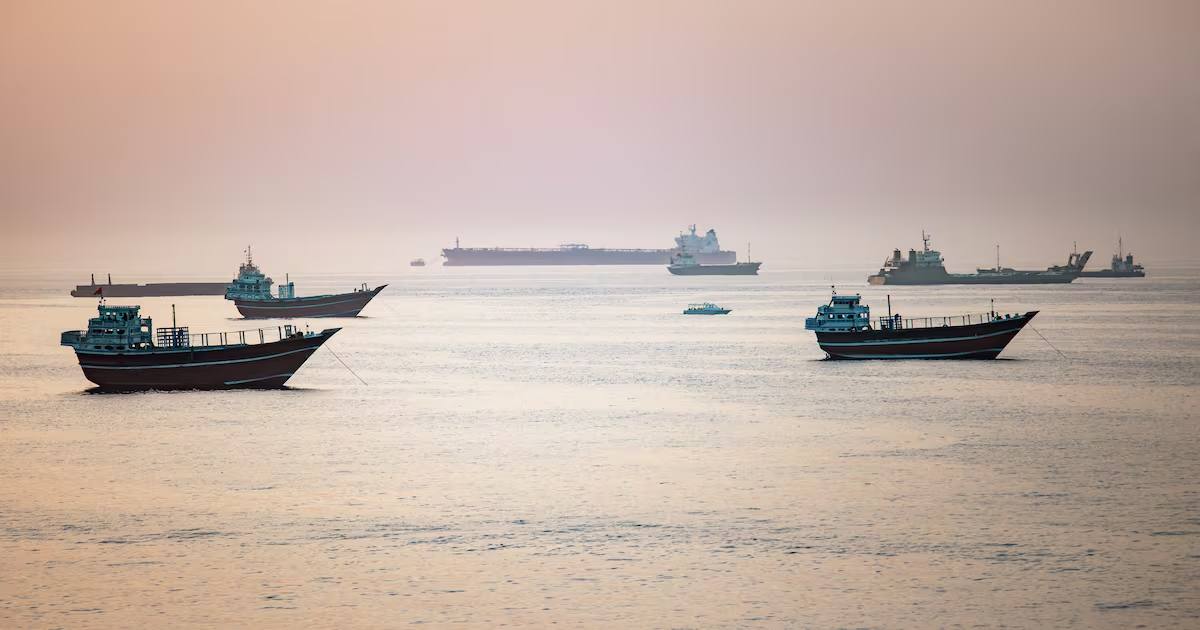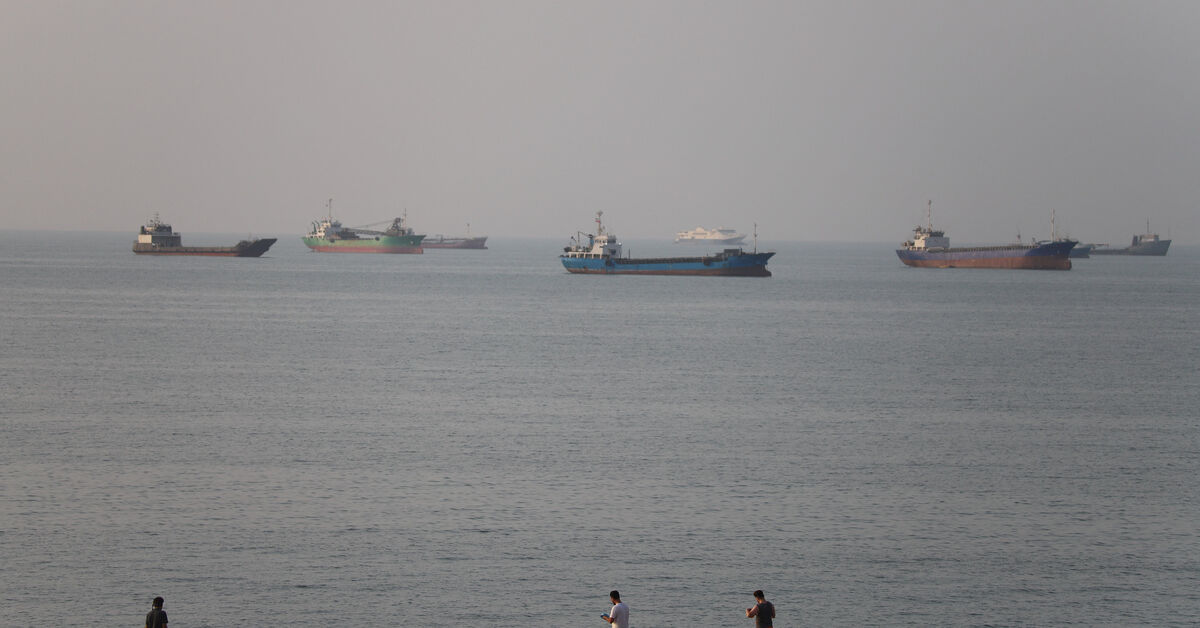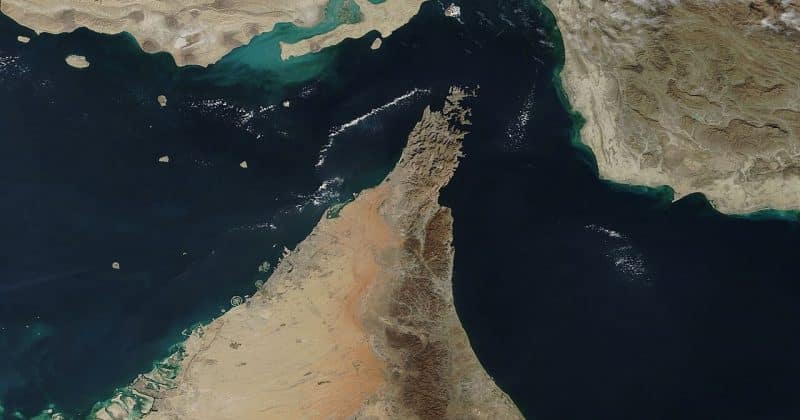
Iran’s Islamic Revolutionary Guard Corps closed the Strait of Hormuz on June 19-20, choking off the narrow waterway that carries roughly one-fifth of the world’s seaborne oil trade. Commercial shipping through the passage has collapsed, with transit volumes occasionally dipping below 10% of pre-conflict levels.
The closure was reportedly triggered by what Tehran called violations of a 60-day ceasefire due to Israeli attacks on southern Lebanon. It follows months of escalating hostilities that began with US and Israeli strikes on Iran on February 28, carried out in the aftermath of the assassination of Supreme Leader Ali Khamenei. His successor, Mojtaba Khamenei, took office on March 8, and the new leadership has shown no inclination to de-escalate.
Since the conflict’s opening phase in early March, shipping companies have been steadily pulling back from the region. Iranian warnings and direct threats to commercial vessels accelerated the retreat. While the US Navy says it continues to monitor traffic in the area, most commercial operators have simply stopped trying to pass through.
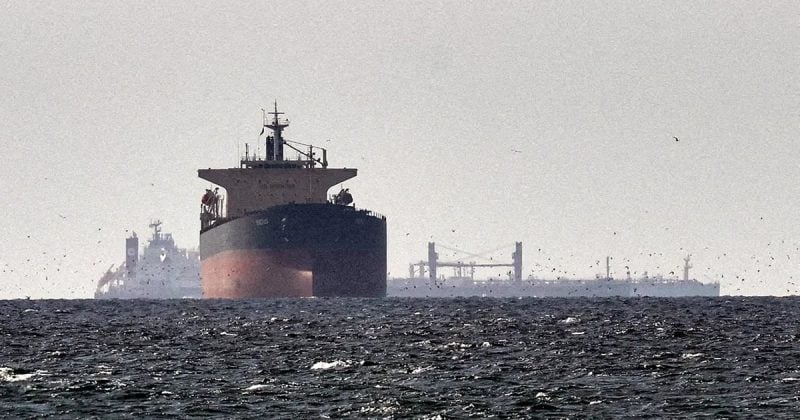
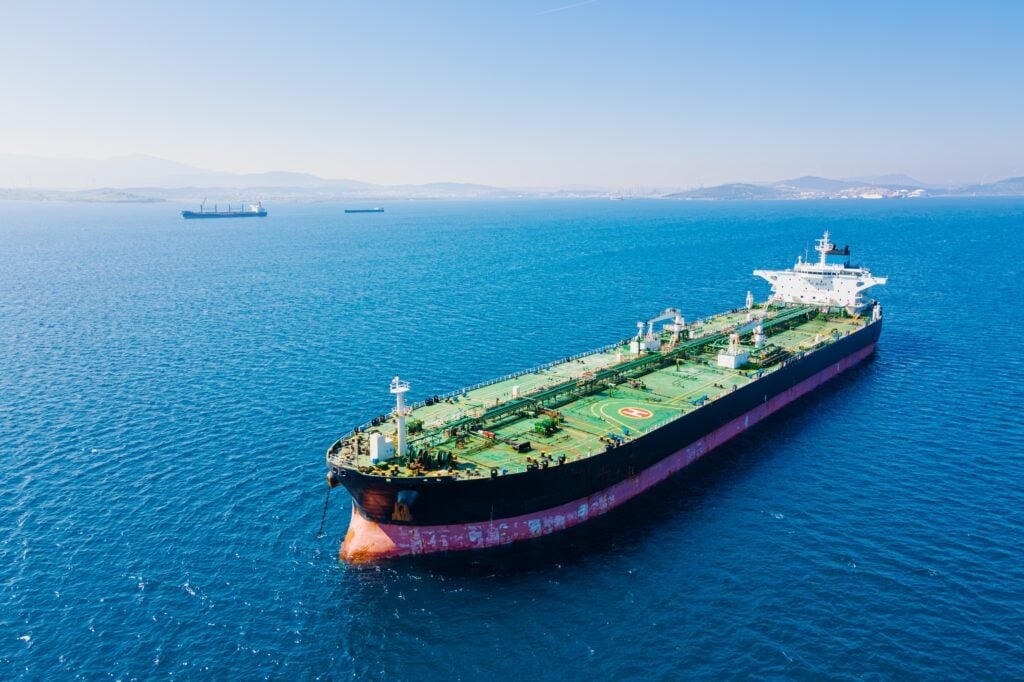
Tankers that would normally transit the Strait are either rerouting around the Cape of Good Hope, adding weeks and significant cost to their journeys, or sitting idle while their operators wait for clarity.