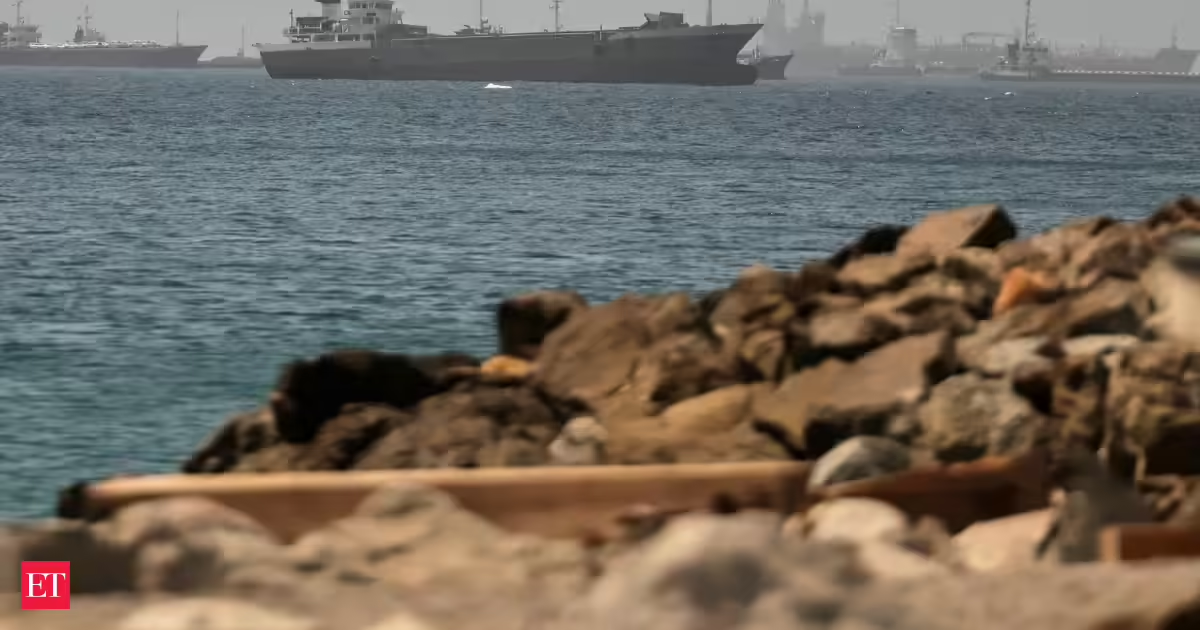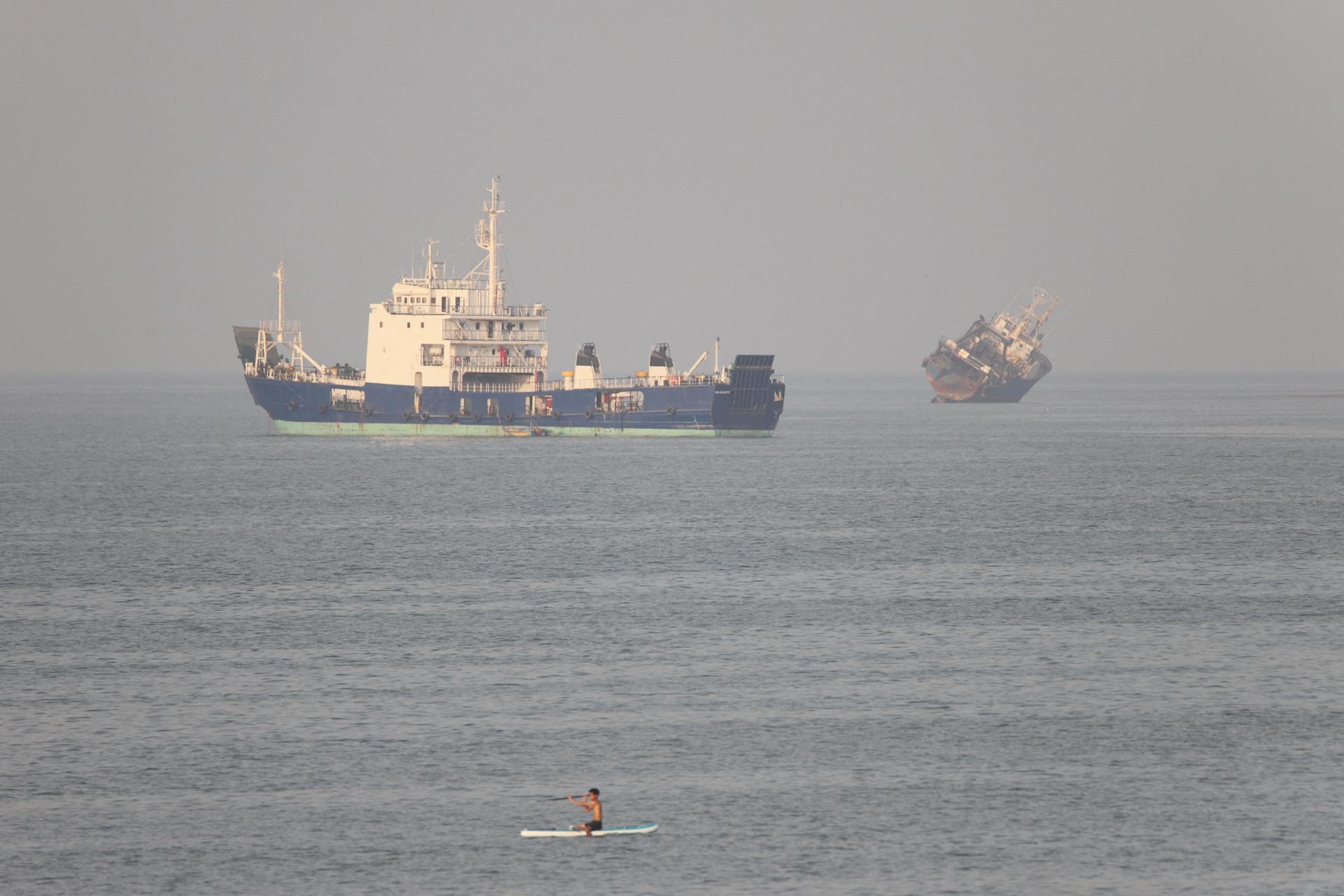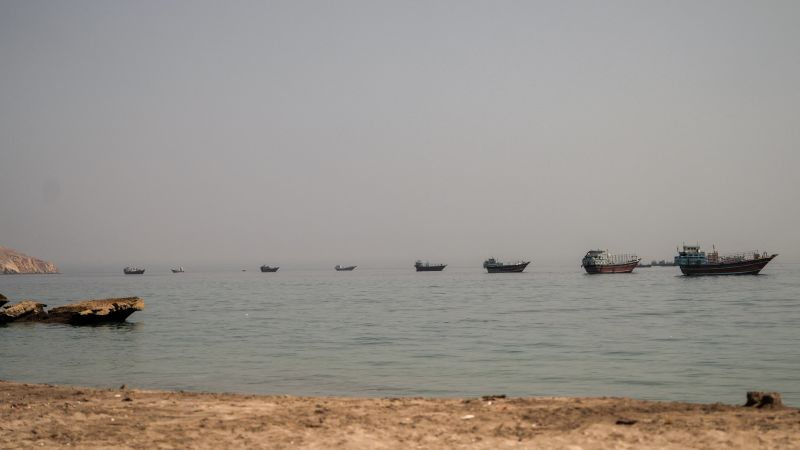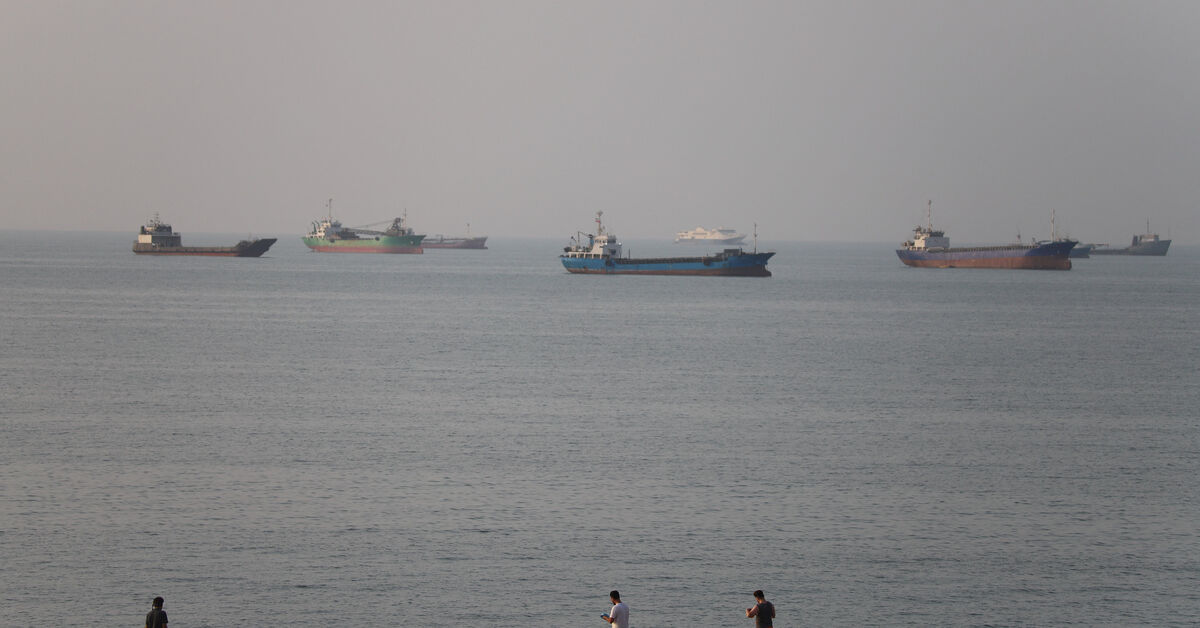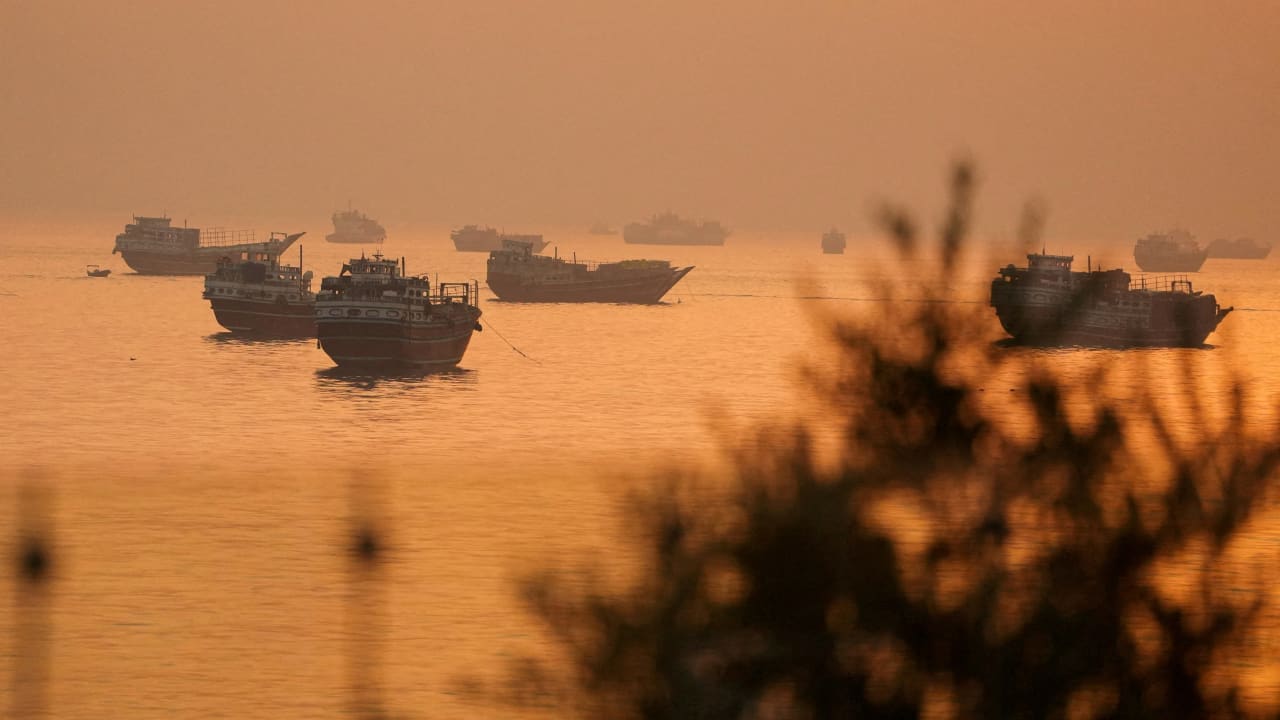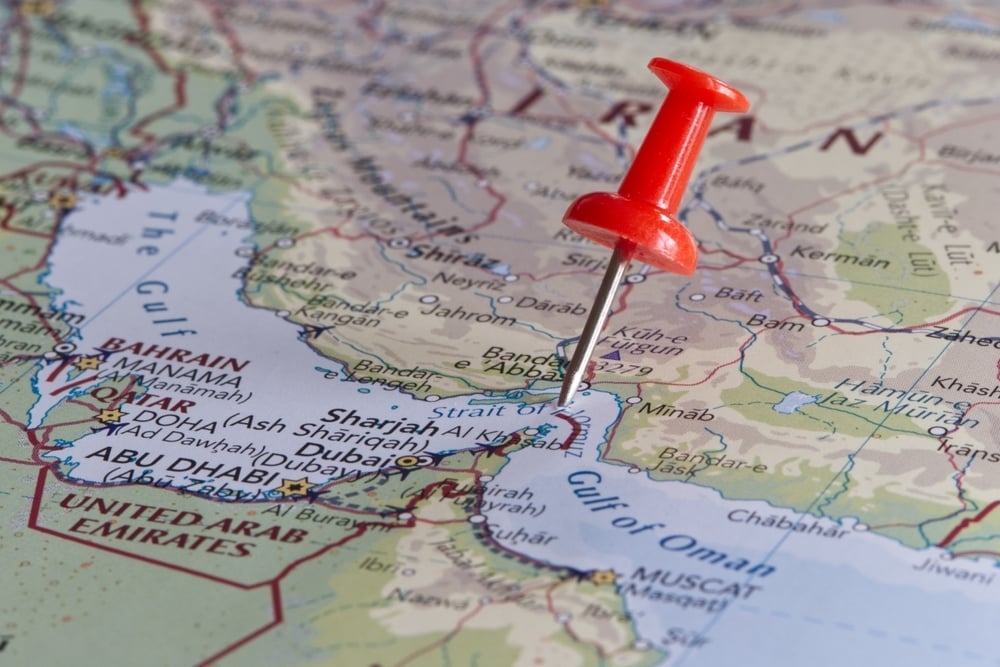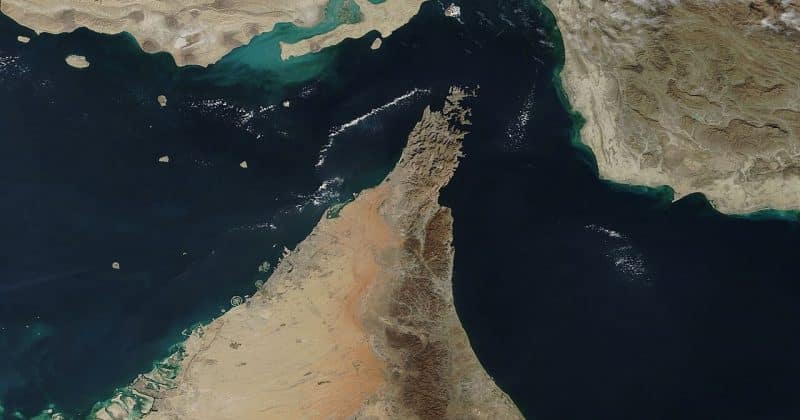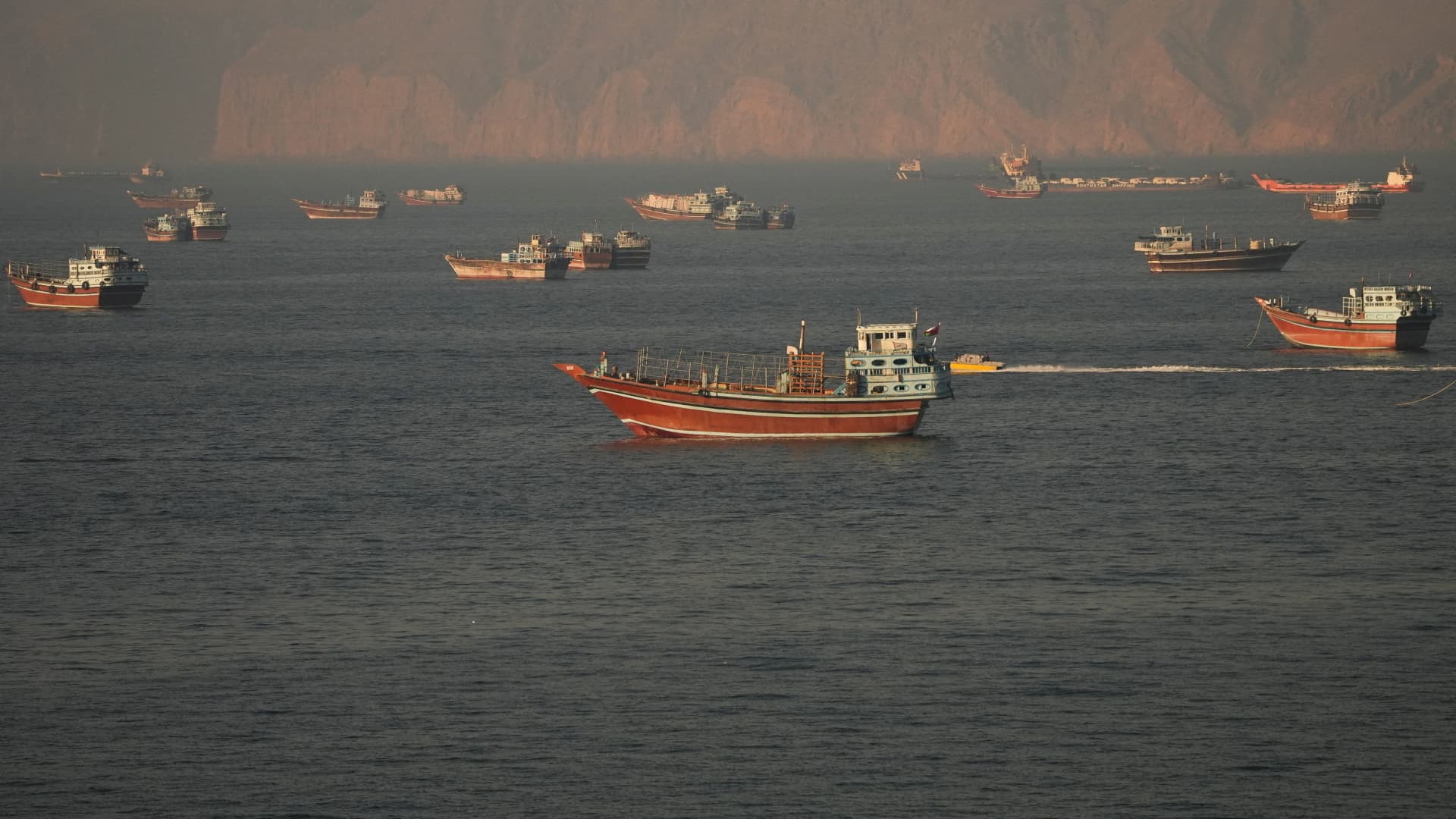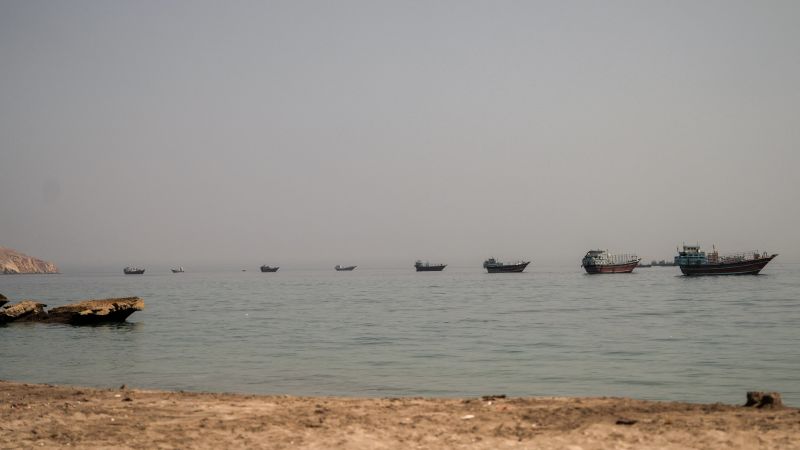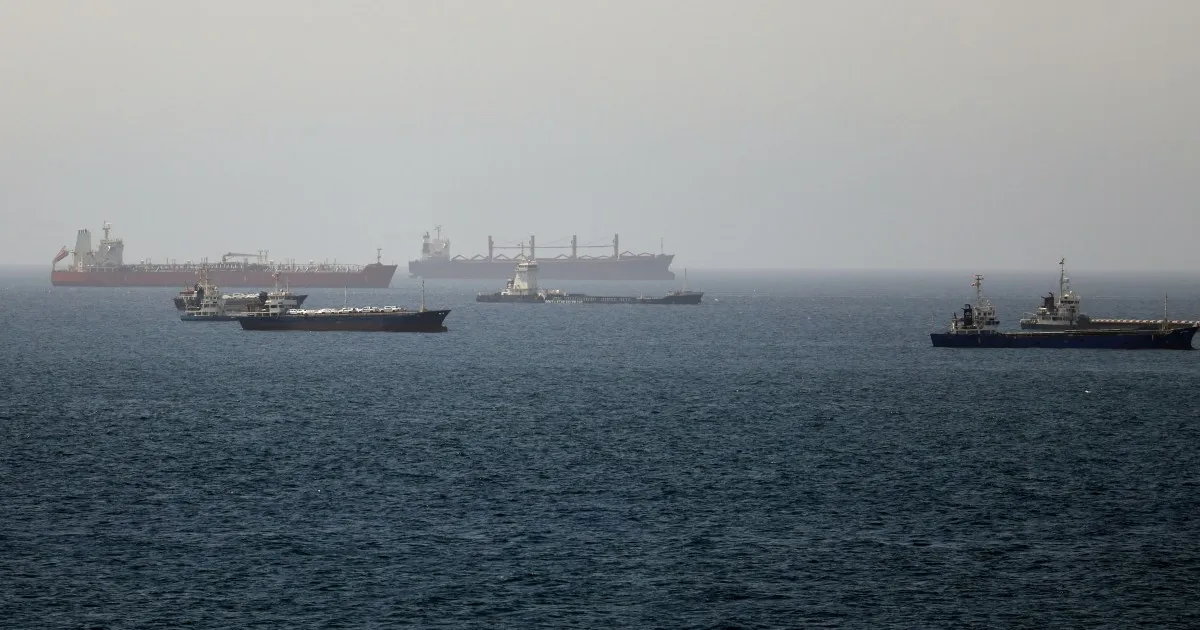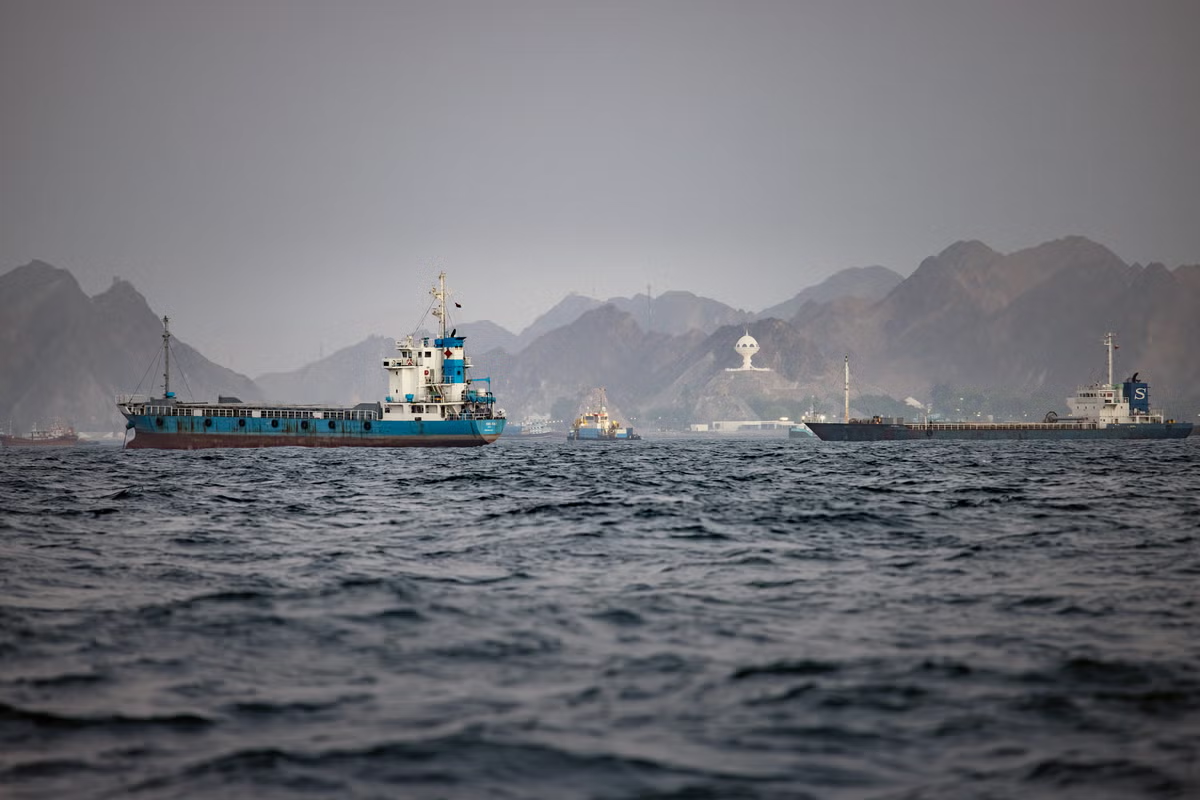
Traffic in the Strait of Hormuz has plummeted after Iran declared the vital waterway closed again - although a handful of ships appear to still be attempting to transit the route. Five vessels were seen heading into the Strait of Hormuz on Monday morning, two days after Iran’s Revolutionary Guards said that the channel would be closed due to Israel’s continued attacks in Lebanon.Five ships also crossed on Sunday, down from 26 spotted a day earlier, according to ship tracking data from analytics firm Kpler.Uncertainty surrounds the situation on the waterway, however, after US Centcom denied the strait was shut and said 55 commercial ships had transited on Saturday - a figure still far lower than the 130 prewar average.And industry experts still fear there could be as many as 80 underwater mines in the strait, which could take weeks to clear.Another closure of the Strait of Hormuz deterred traffic over the weekend (oil tankers off Oman on Sunday pictured) (Getty)On Monday, four Qatari tankers - Wadi Al Sail, Mekaines, Al Sadd and Mesaimeer - entered the strait via the Iranian route for the first time since the war began in February, according to Kpler.The Marshall Islands-flagged dry bulk vessel Summit Success also entered the Gulf on Monday, LSEG data showed.Sunday’s crossings included three Very Large Crude Carriers carrying two million barrels of Saudi crude and fuel oil each.There were some discrepancies in figures reported by monitors, and analysts say there could still be more ships crossing the strait with their transponders switched off.Maritime intelligence company Windward reported a handful of ships were entering with their Automatic Identification Systems (AIS) off.“The current traffic profile: dark, sanctioned, Iranian-linked, resembling the late-blockade baseline more than a functioning open strait,” Windward wrote on social media.Israel has continued to attack Hezbollah in Lebanon, drawing fury from Iran (Natabieh pictured on Saturday) (AFP/Getty)Hopes of an end to the Iran war and the stabilisation of global energy prices were briefly buoyed last week as the Islamic Republic lifted its effective blockade to allow for negotiations.But that optimism lasted only a matter of hours before the IRGC declared the channel shut again over Israel’s clashes with Hezbollah, despite a commitment in the bilateral US-Iranian agreement to end the conflict.US president Donald Trump reportedly threatened to “take over” Iran unless they reopen the Strait of Hormuz, with inflated energy prices still weighing on his popularity at home.Speaking to Fox News, Trump said he had told Iranian officials: “You close the strait and you won’t have a country. You won’t even make it back to your f****** country, we’ll take over the rest of the country.”A convoy leaves the Buergenstock Resort, after U.S. and Iran concluded high-level talks, in Stansstad, Switzerland, June 22 (Reuters)Despite public outbursts from both sides, negotiators met in Switzerland on Sunday to begin talks aimed at resolving some of the long-standing issues.The parties agreed to a mechanism to end the fighting in Lebanon and opened a communications line to help ensure safe passage for commercial ships through the Strait of Hormuz, according to the joint statement.Oil prices fell nearly 2% after the announcement with Brent crude futures last at $79.09 a barrel.
Number of ships passing through Strait of Hormuz plummets again
The waterway was officially closed on Monday but a handful of ships are still getting through
527 words~2 min read