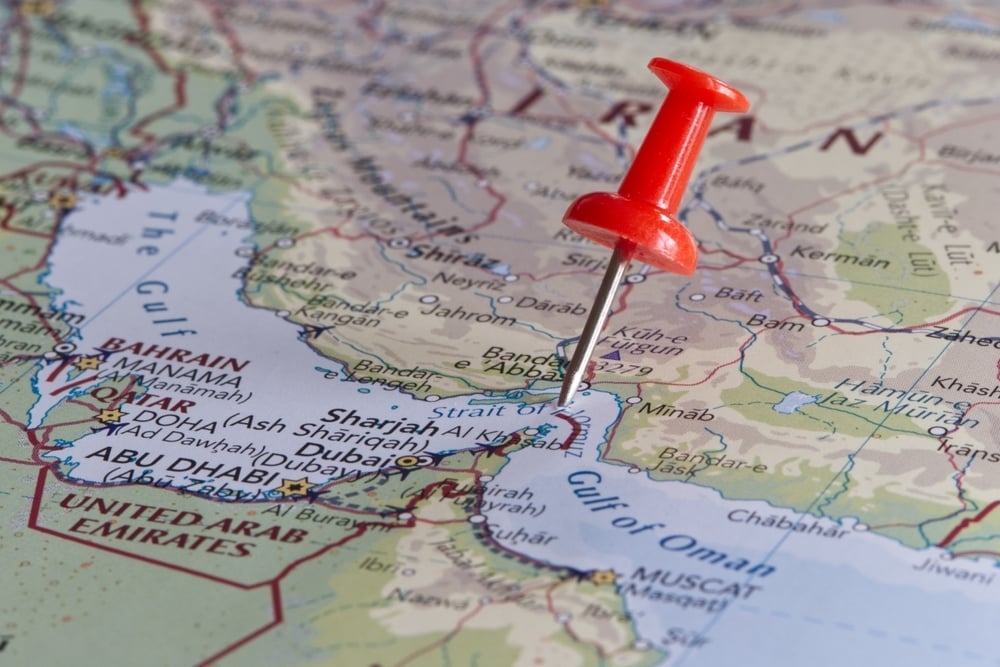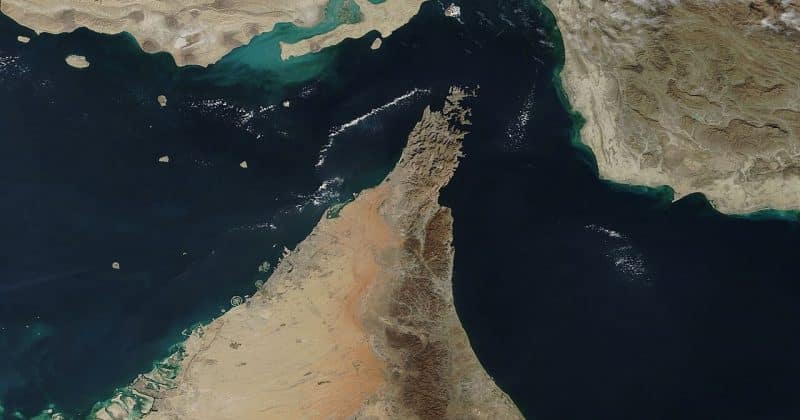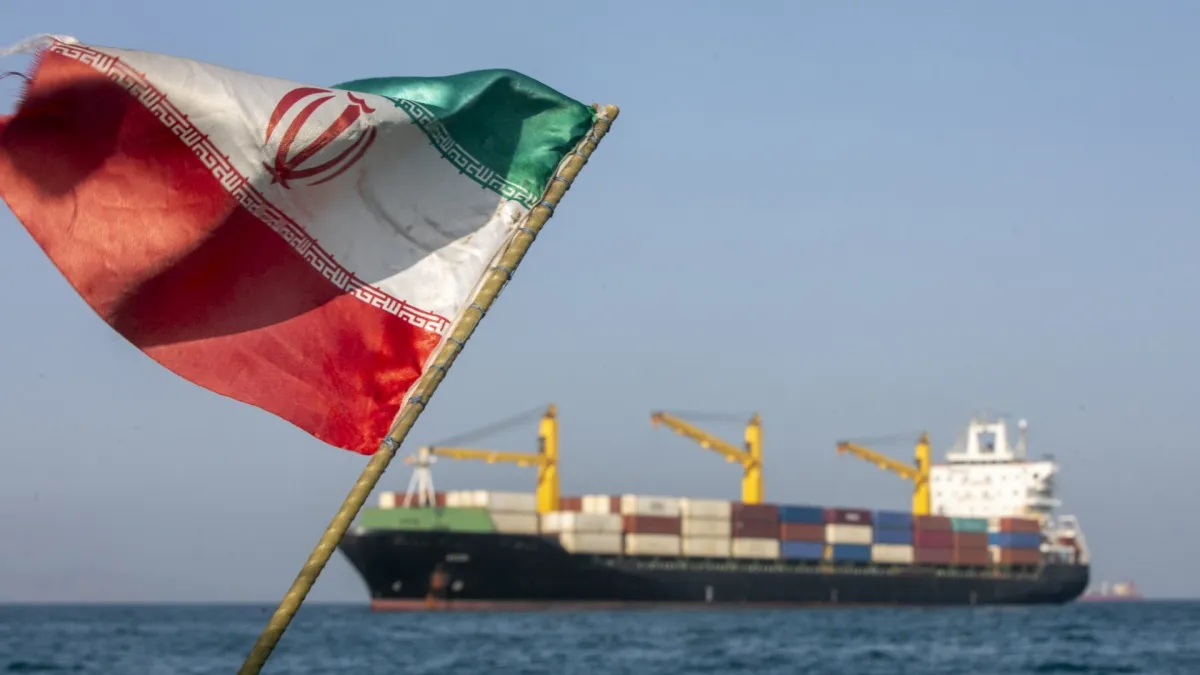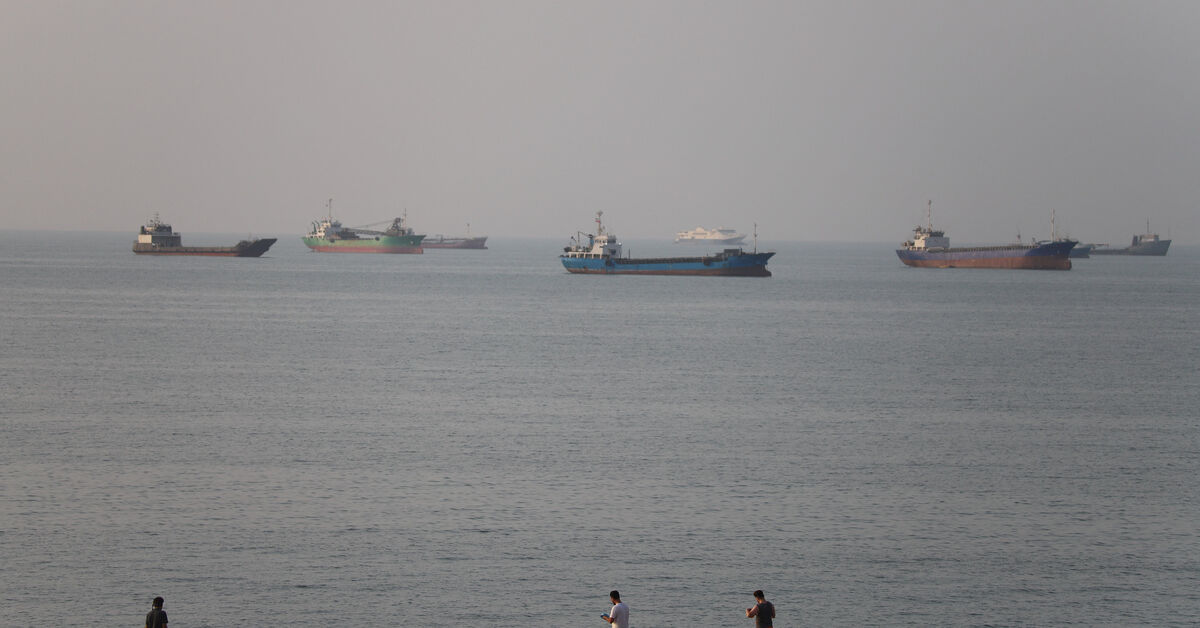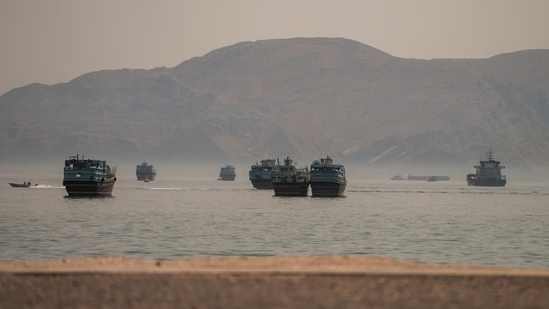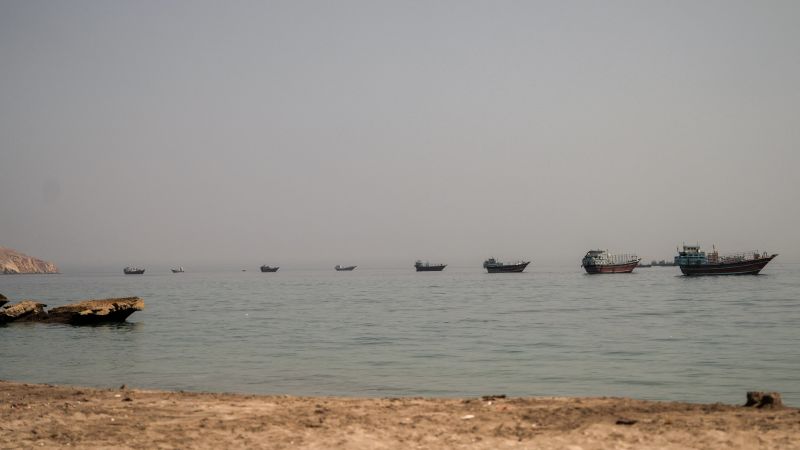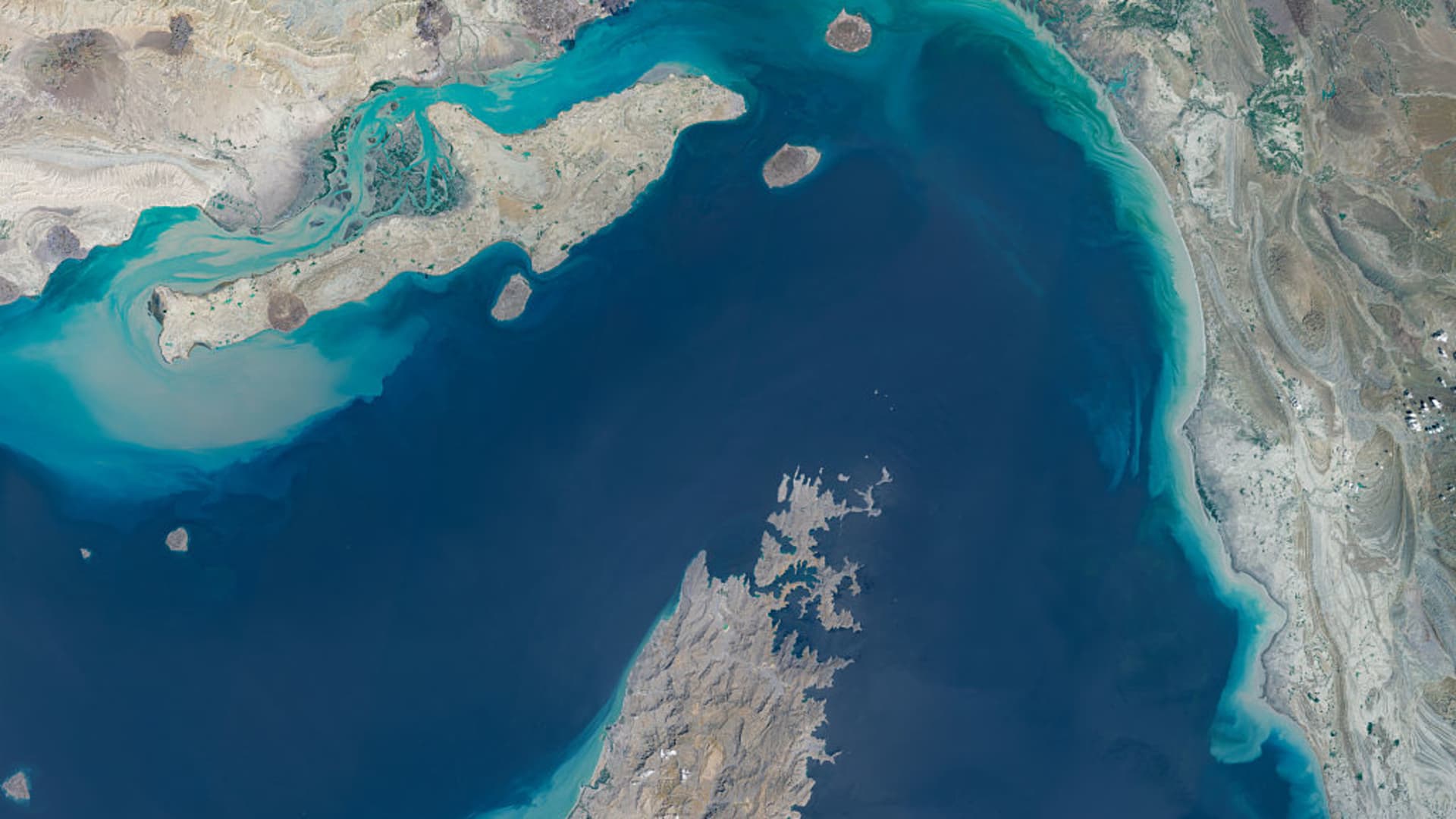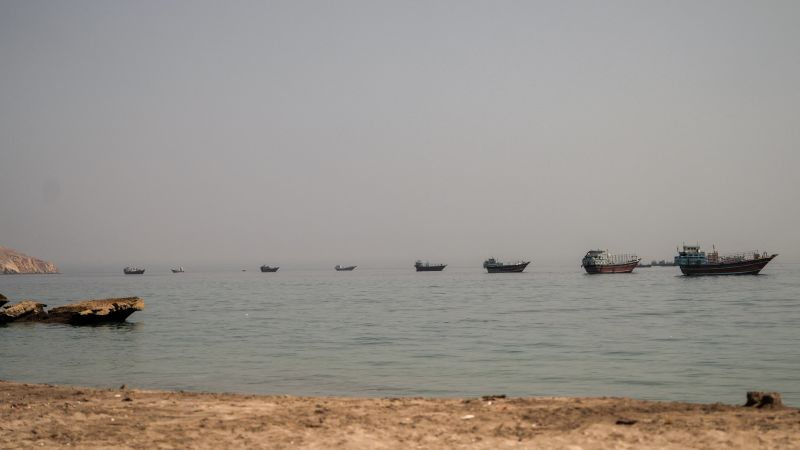
Even before Iran announced Saturday that the Strait of Hormuz was again closed, ship operators had pulled back on sailings through the critical channel.
Twenty-five ships traveled through the critical channel on Thursday, according to data from marine intelligence firm Kpler. However, lead oil analyst Matt Smith told CNN the number of tankers fell back to single digits on Friday after the first round of talks between Iran and the United States to work out the details of their agreement was canceled.
“It’s not like you’re suddenly seeing a mass exodus,” Smith said. “You’re seeing a pickup in traffic… but not material. We are still not at the point where a ‘first mover’ is emerging.”
Thursday’s vessel traffic was the highest since mid-April, when Iran briefly opened the Strait to commercial traffic. However, it was still a fraction of the 100 to 120 tankers that sailed through the passage between Iran and Oman daily before the war, said Smith.
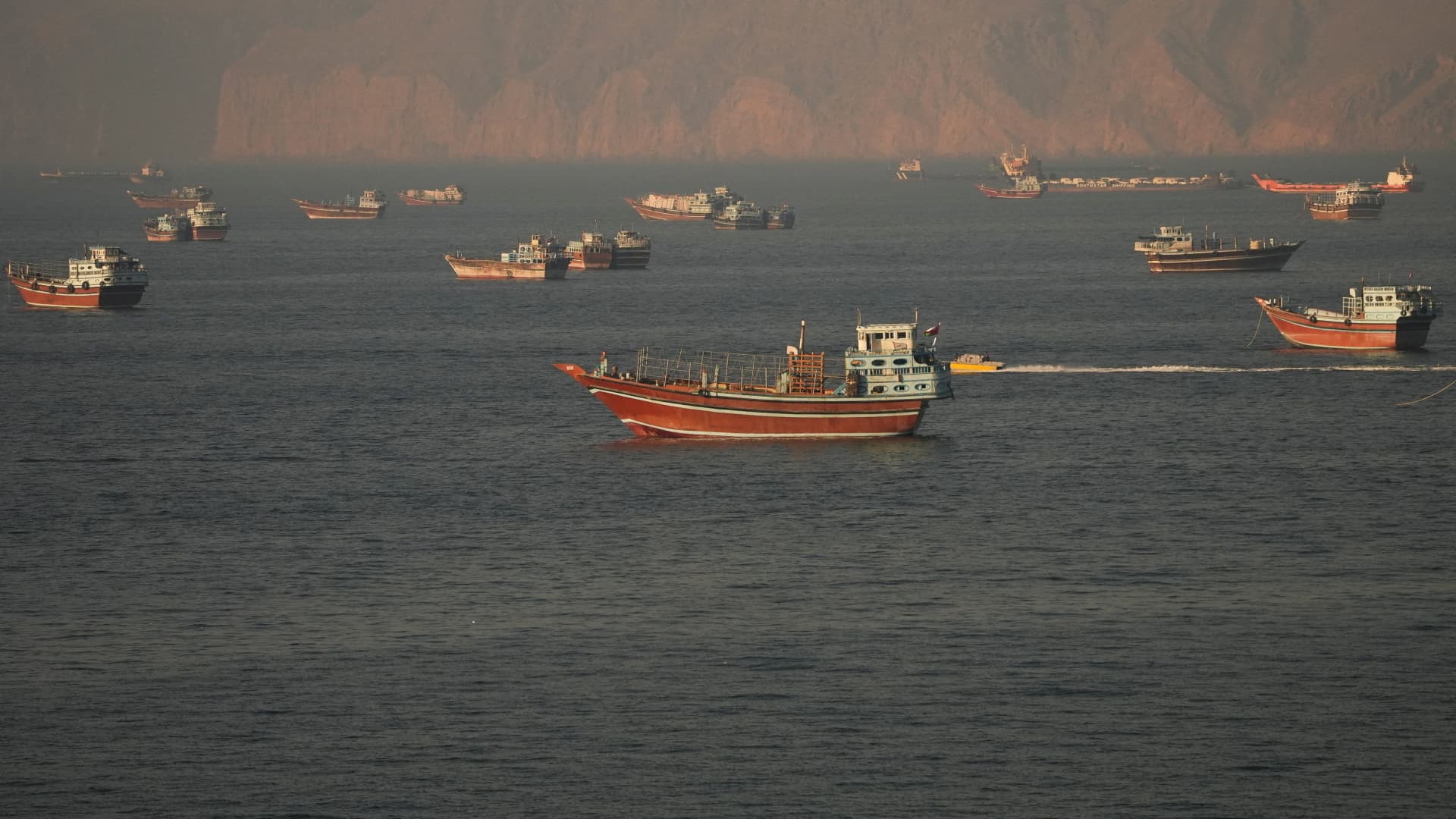
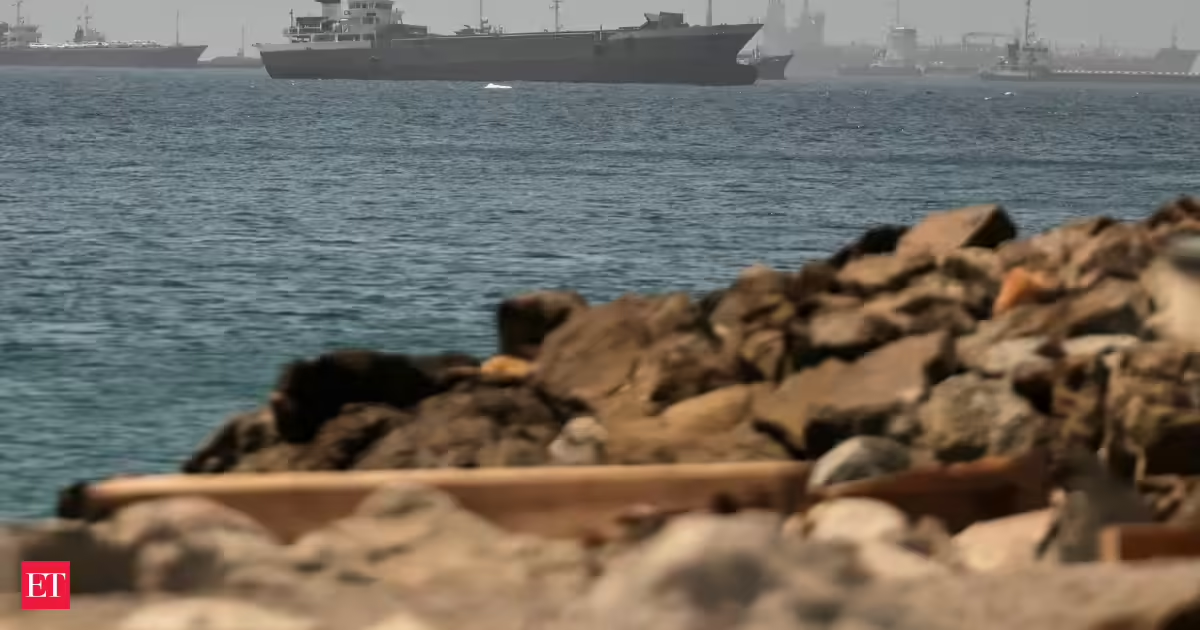
Nearly 500 ships, including 220 oil tankers, have been trapped in the Persian Gulf since the start of the war. Despite both the Iran and United States signing an agreement to end the fighting, various experts agree it will take months for ship traffic and oil flows to get back to normal.