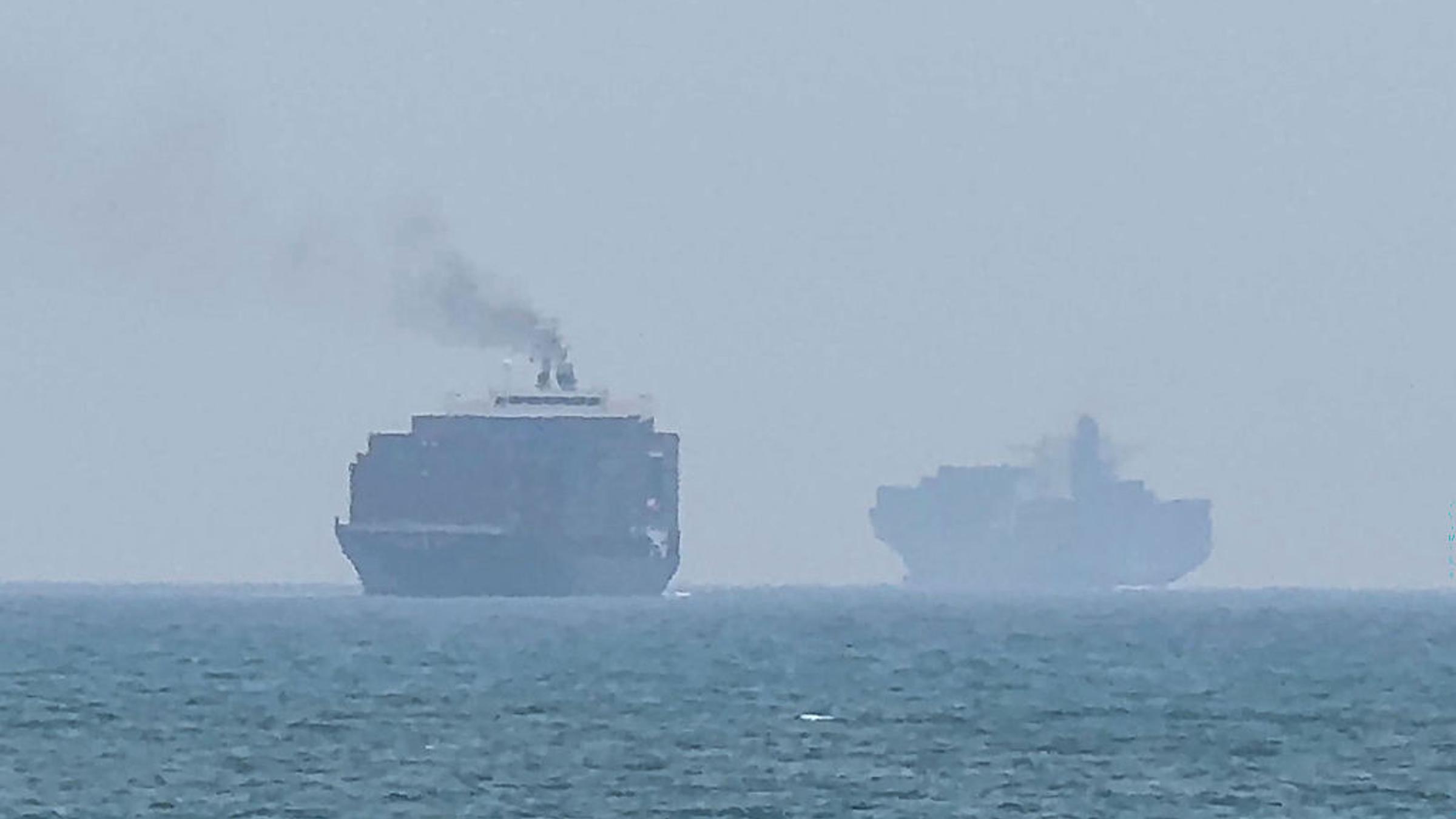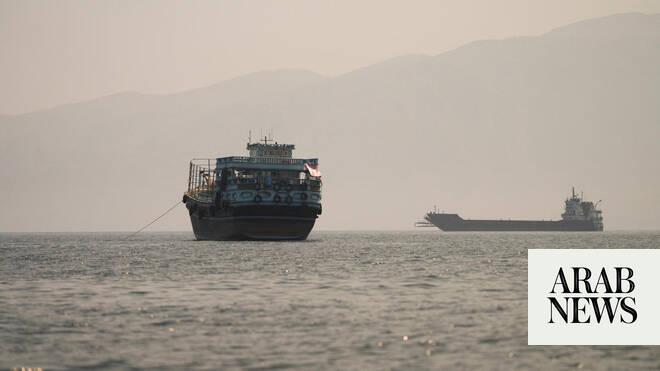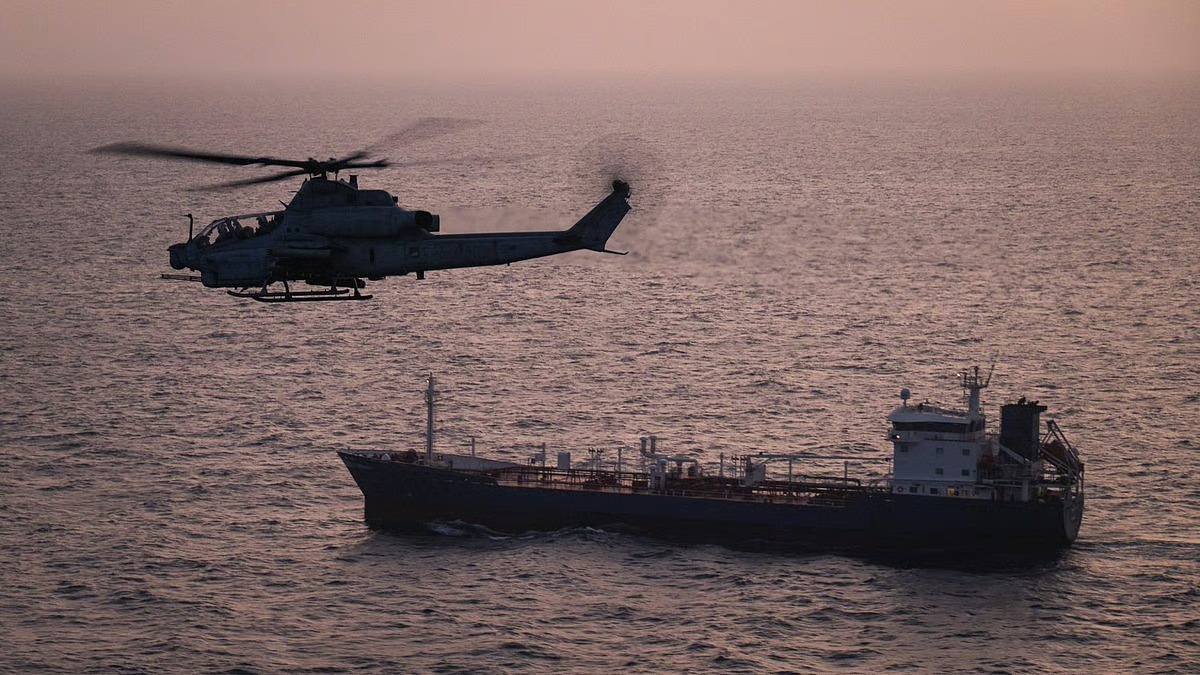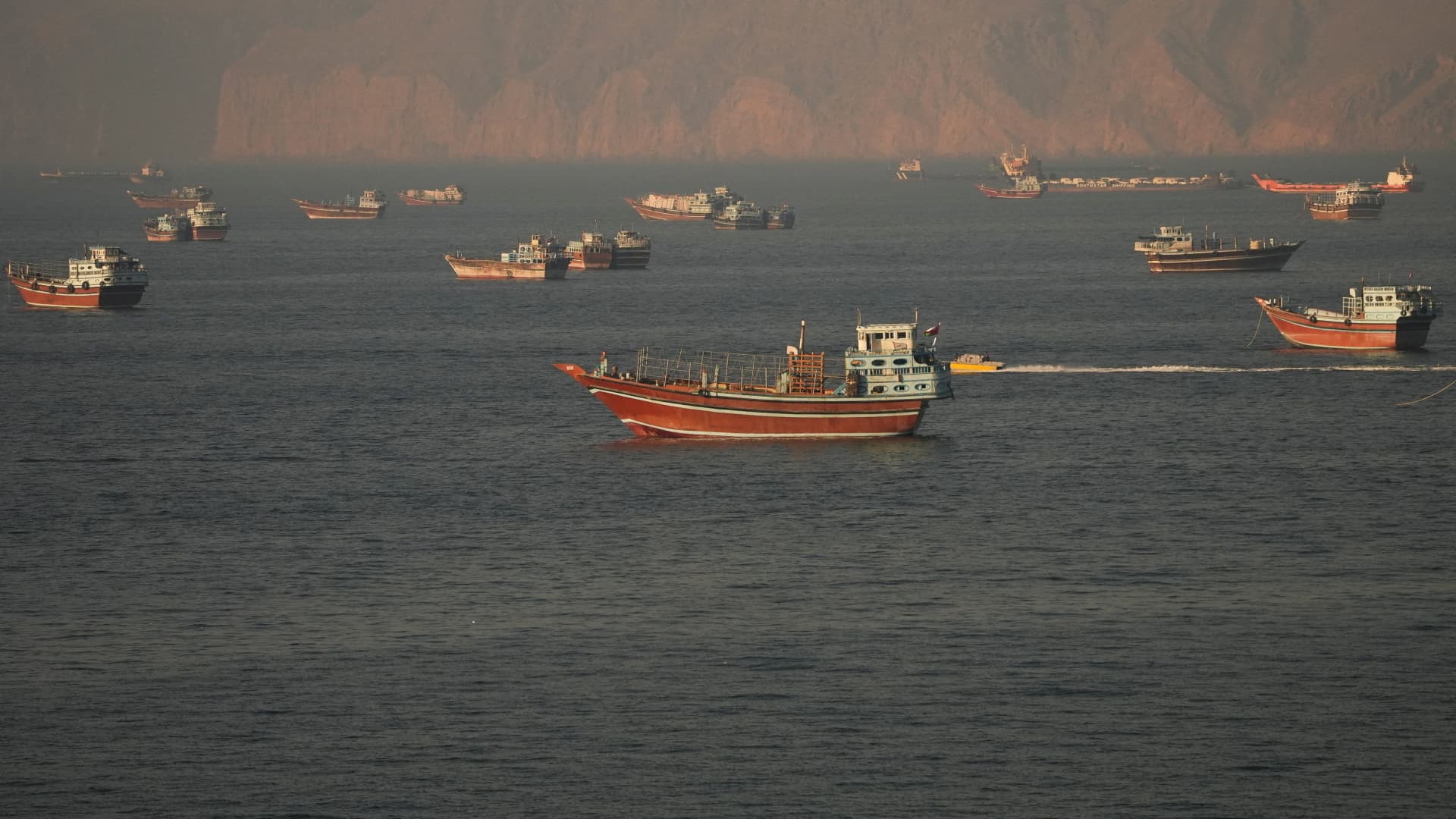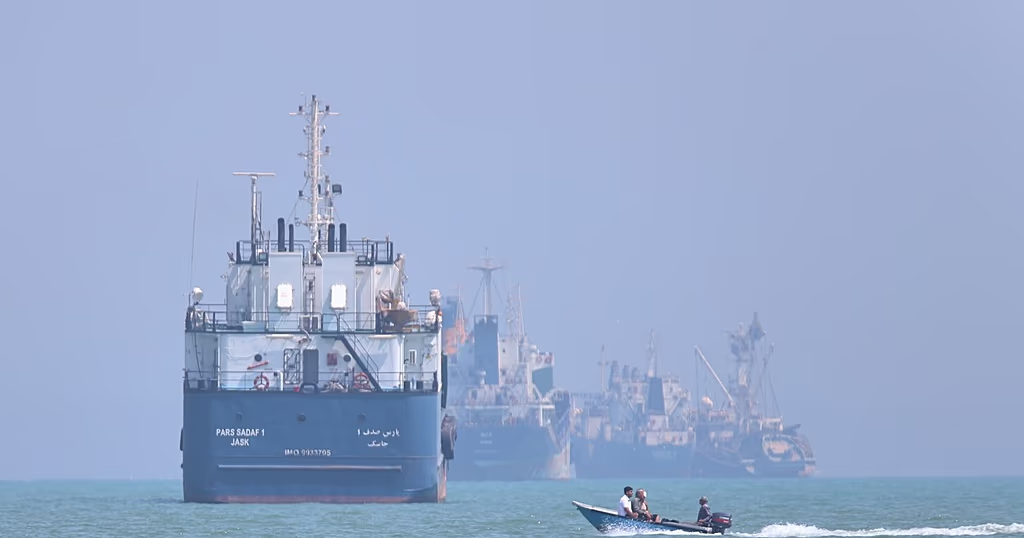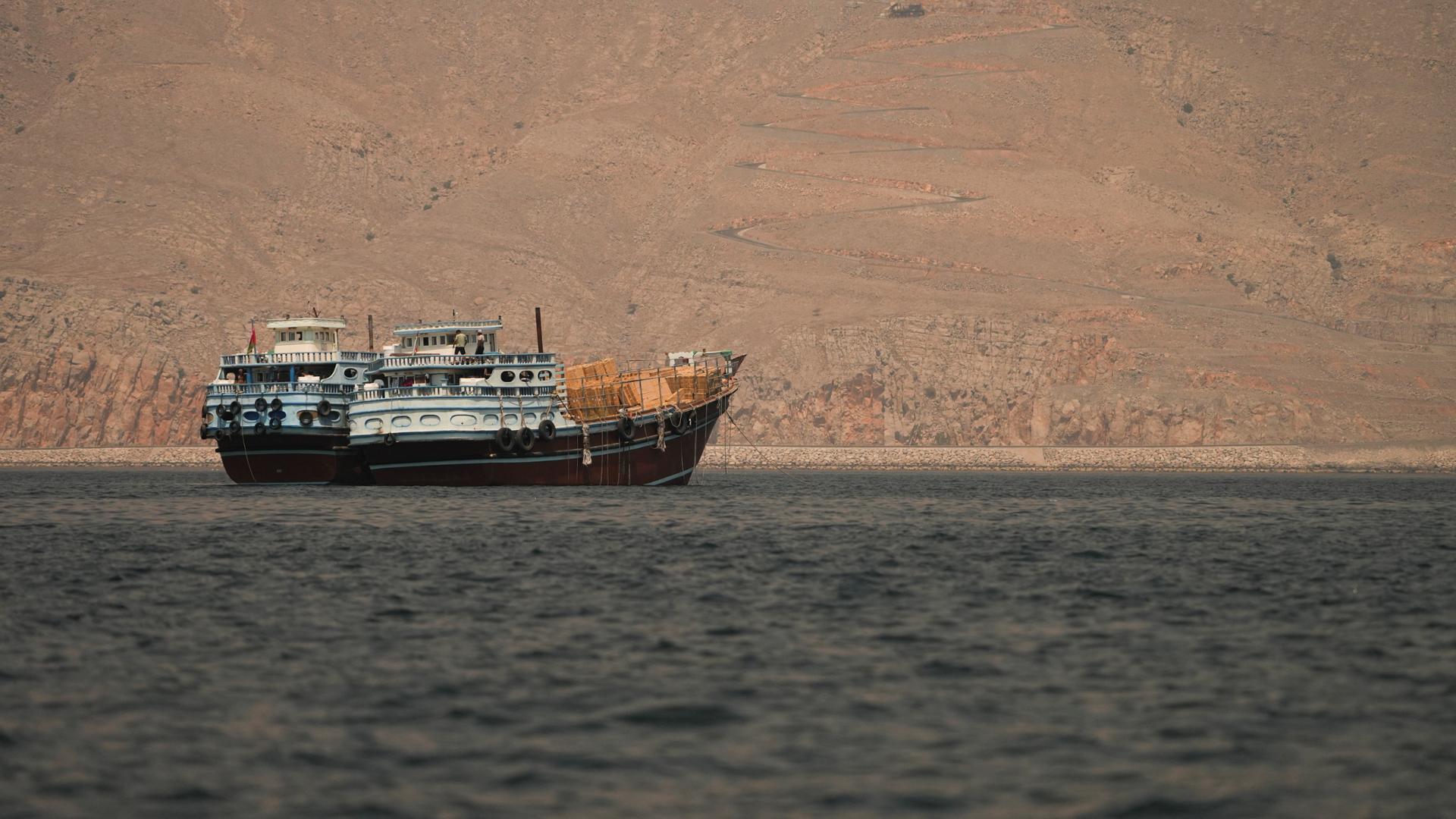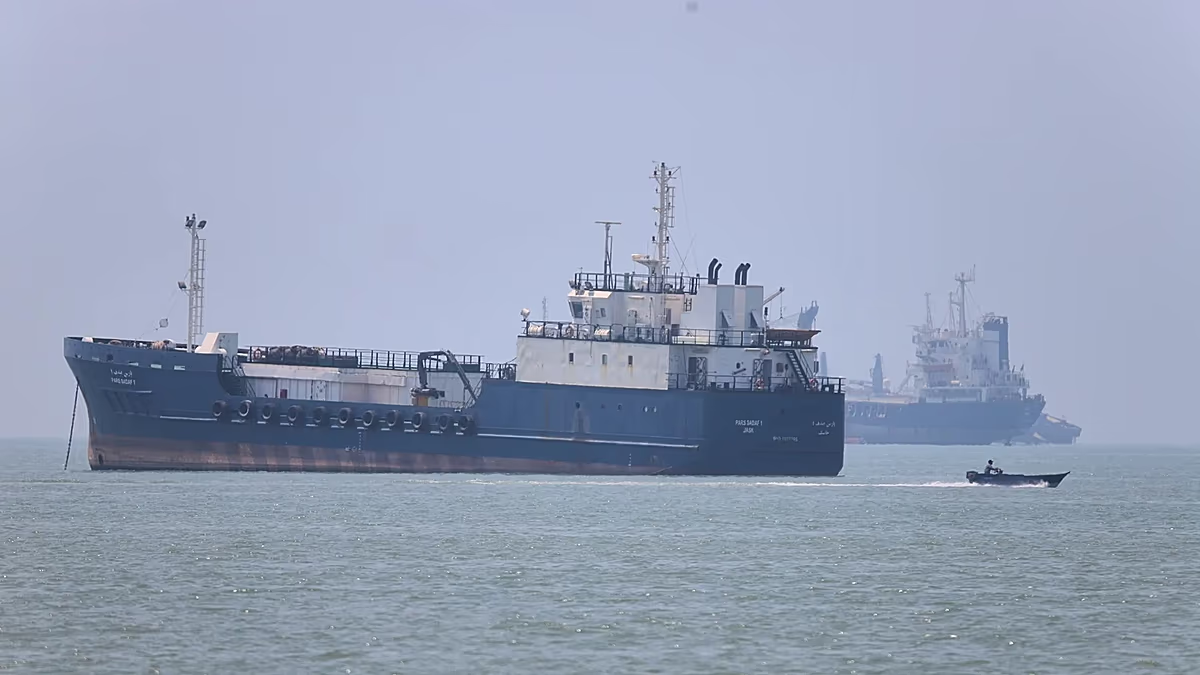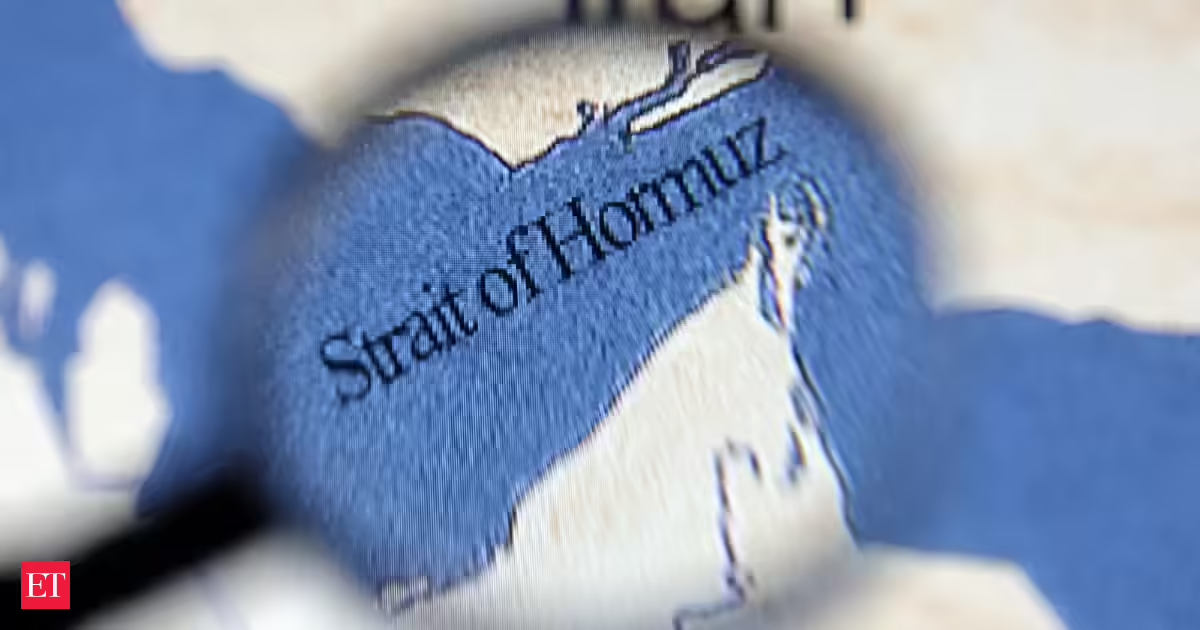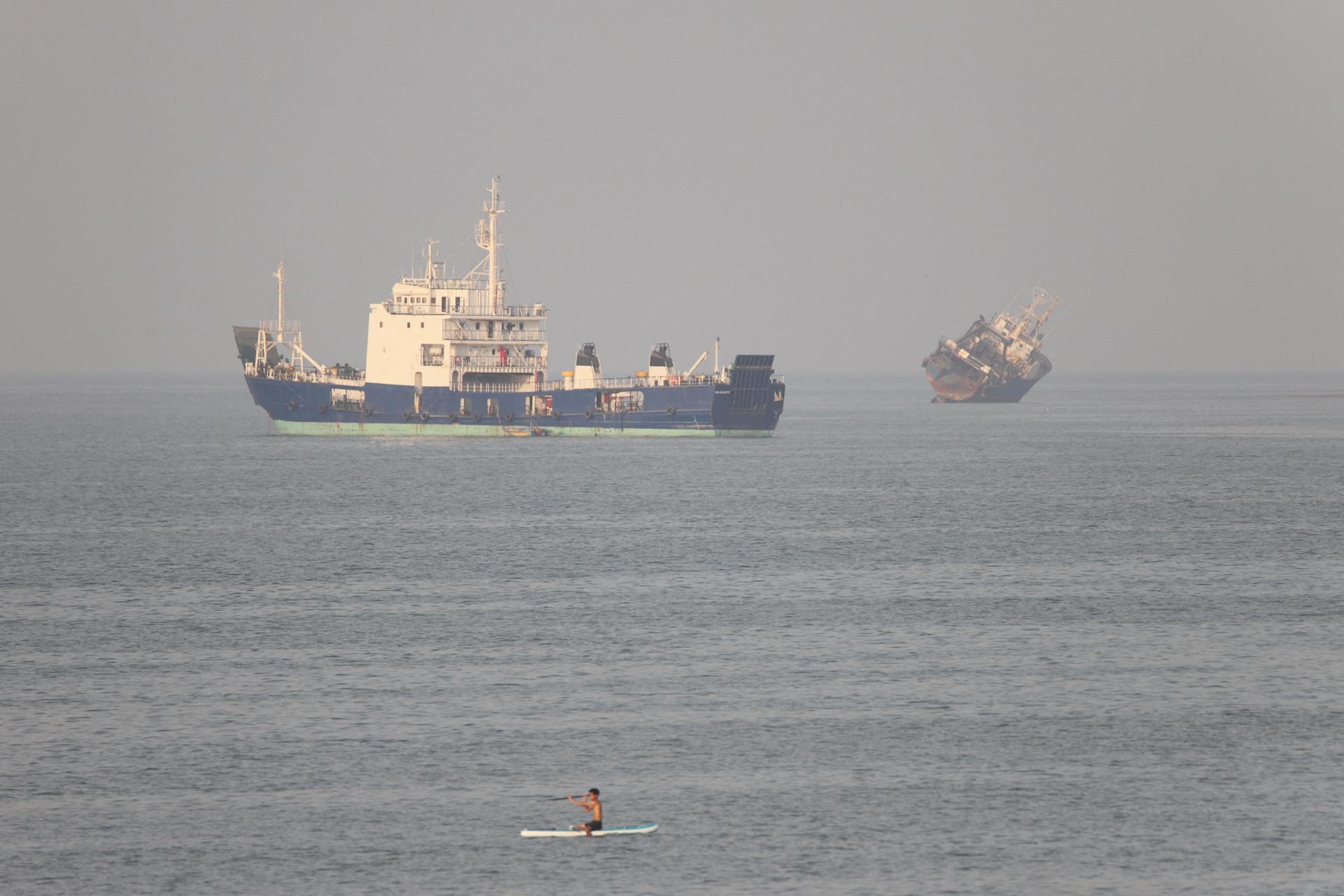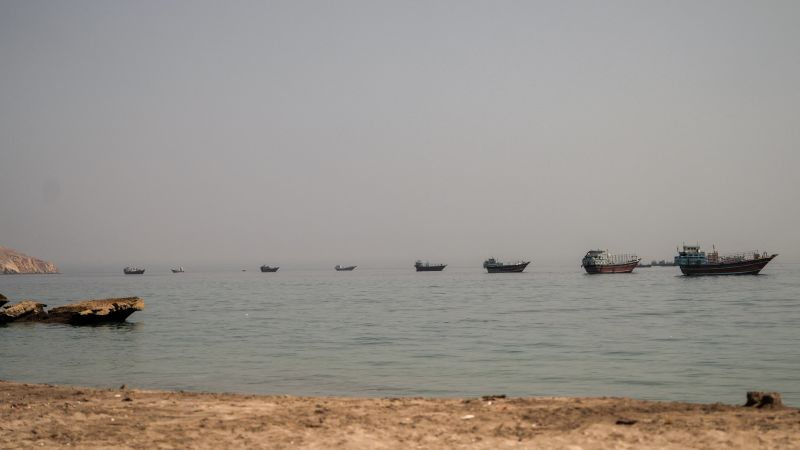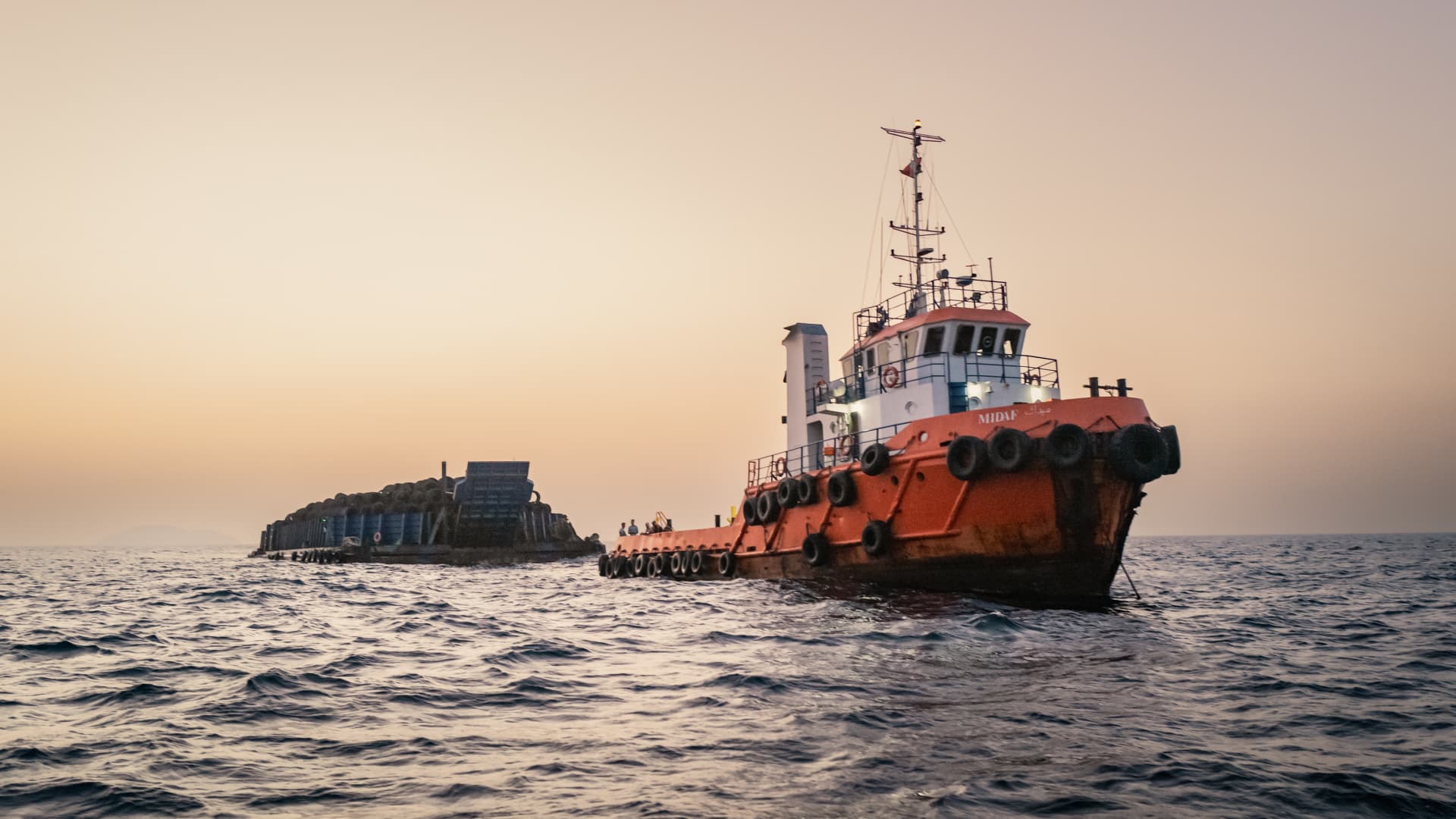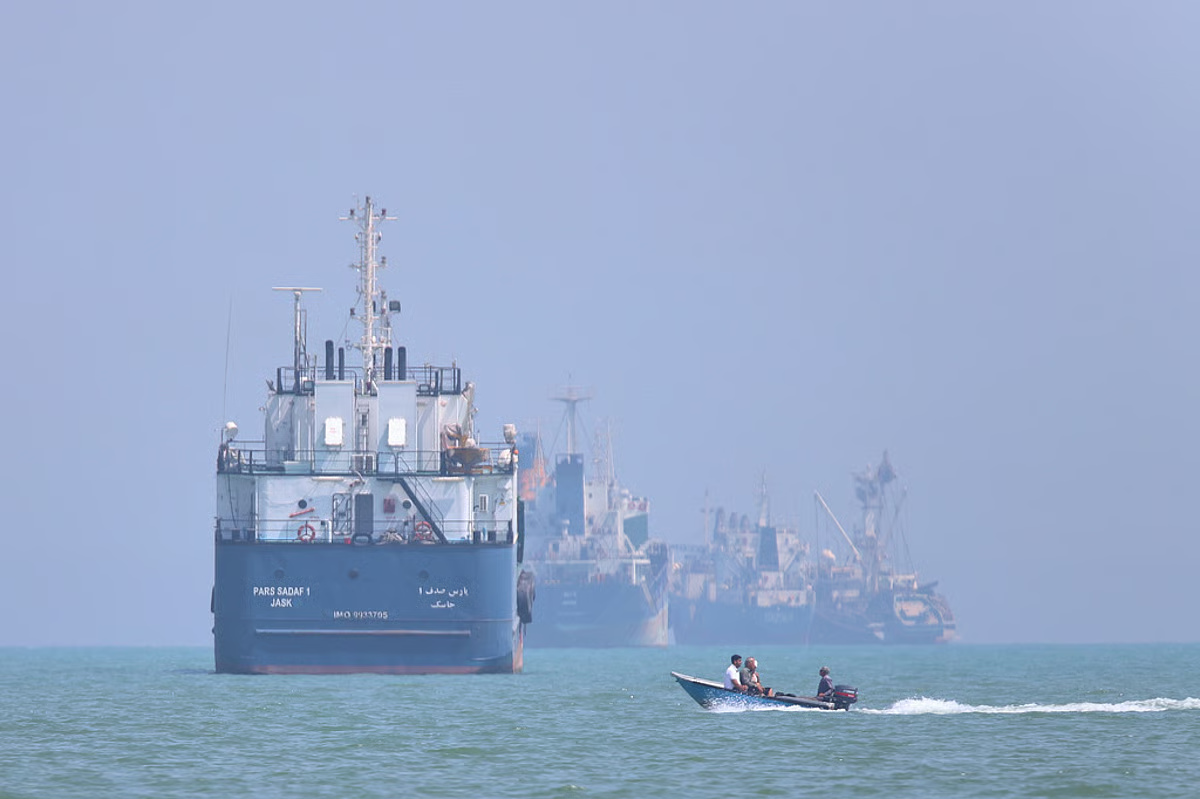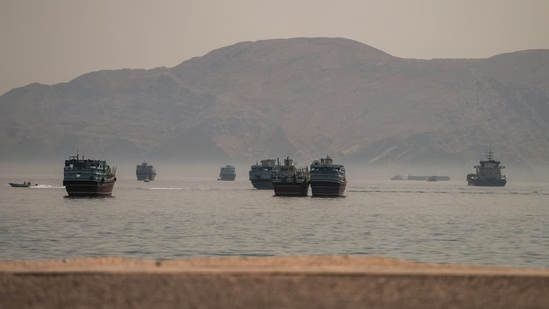
Conflicting claims over the status of the Strait of Hormuz have reignited uncertainty just days after the United States and Iran announced an interim agreement aimed at easing regional tensions.Vessels are anchored in the Strait of Hormuz, as seen from Musandam, Oman, June 19, 2026. (REUTERS)While Iran says it has once again shut the strategically vital waterway, US officials insist commercial shipping continues to pass through the strait, with vessel tracking data also indicating that tanker traffic has not come to a halt.Has the Strait of Hormuz been closed?According to The Sunday Guardian, Iran announced on Saturday that it had suspended maritime traffic through the Strait of Hormuz, warning ships to avoid the area.Iranian military officials, quoted by state media, said the move was prompted by what Tehran described as failures to uphold commitments made under the recently agreed US-Iran framework intended to reduce hostilities across the region.Iran also cited continued Israeli military operations in southern Lebanon and ongoing displacement in the area as reasons for the latest announcement.Why did Iran announce the closure?Iran's military leadership and the Islamic Revolutionary Guard Corps (IRGC) said the decision was a response to what they called violations of ceasefire commitments by both the United States and Israel.According to Iranian officials, continued Israeli military activity in southern Lebanon and Washington's alleged failure to implement parts of the recent agreement prompted the announcement. Iranian state media also warned that additional measures could follow if tensions continue to escalate.The development comes amid renewed violence in southern Lebanon, where local authorities have reported casualties following Israeli strikes.What has the US said?The United States has disputed Iran's claim that the Strait of Hormuz has been shut."Iran does not control the Strait of Hormuz," US Central Command spokesperson Navy Captain Tim Hawkins told Reuters. "Traffic continues to flow, and US forces are monitoring the situation to ensure this remains the case."According to Reuters, the US military said it has seen no evidence that maritime traffic has stopped and continues to monitor commercial shipping in the region.Are ships still passing through today?Available shipping data suggests that vessels are continuing to transit the Strait of Hormuz despite Iran's announcement.According to Reuters, while some ships reportedly altered their routes or delayed movements because of the uncertainty, multiple commercial tankers successfully passed through the waterway on Saturday. The news agency also reported that three Indian-flagged oil tankers completed their journeys through the strait carrying crude oil.The continued movement of vessels has led analysts to question whether Iran's declaration amounts to a political warning rather than an actively enforced blockade.What does this mean for the US-Iran deal?The dispute comes at a sensitive moment for diplomacy.According to The Sunday Guardian, US and Iranian officials are expected to hold technical-level talks in Switzerland as part of efforts to build on the interim agreement announced earlier this week.The framework was intended to reduce military tensions and improve maritime security in the Gulf. However, the latest disagreement over the Strait of Hormuz, coupled with renewed fighting in Lebanon, has raised fresh questions about the durability of the deal.The Strait of Hormuz is one of the world's most strategically significant shipping routes, linking the Persian Gulf with global markets. A substantial share of the world's crude oil and liquefied natural gas exports passes through the narrow waterway.
Is the Strait of Hormuz closed again? Are ships still passing through today? Here's the latest amid US-Iran deal
Conflicting claims about the Strait of Hormuz's status arise after a US-Iran agreement.
548 words~2 min read