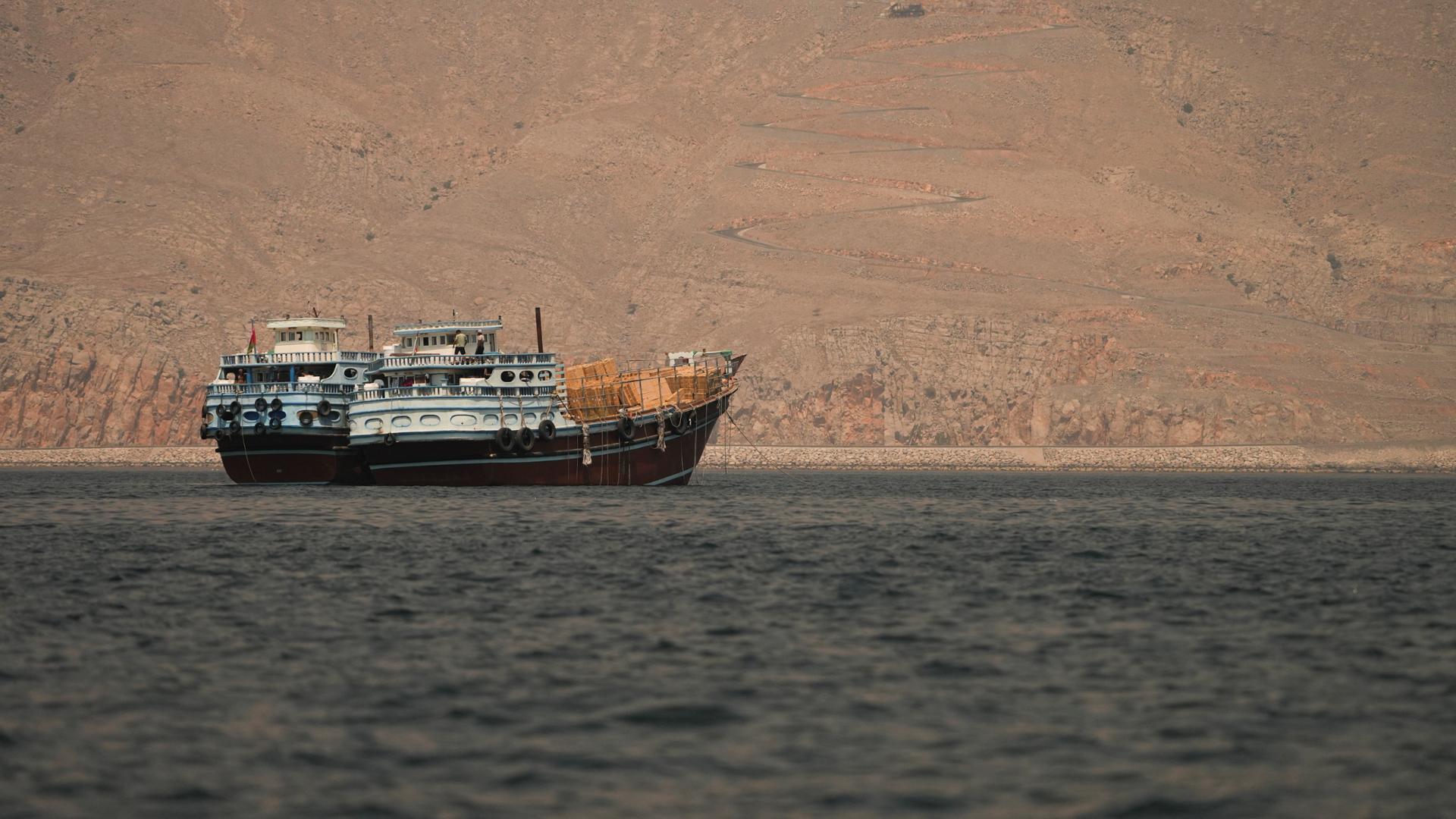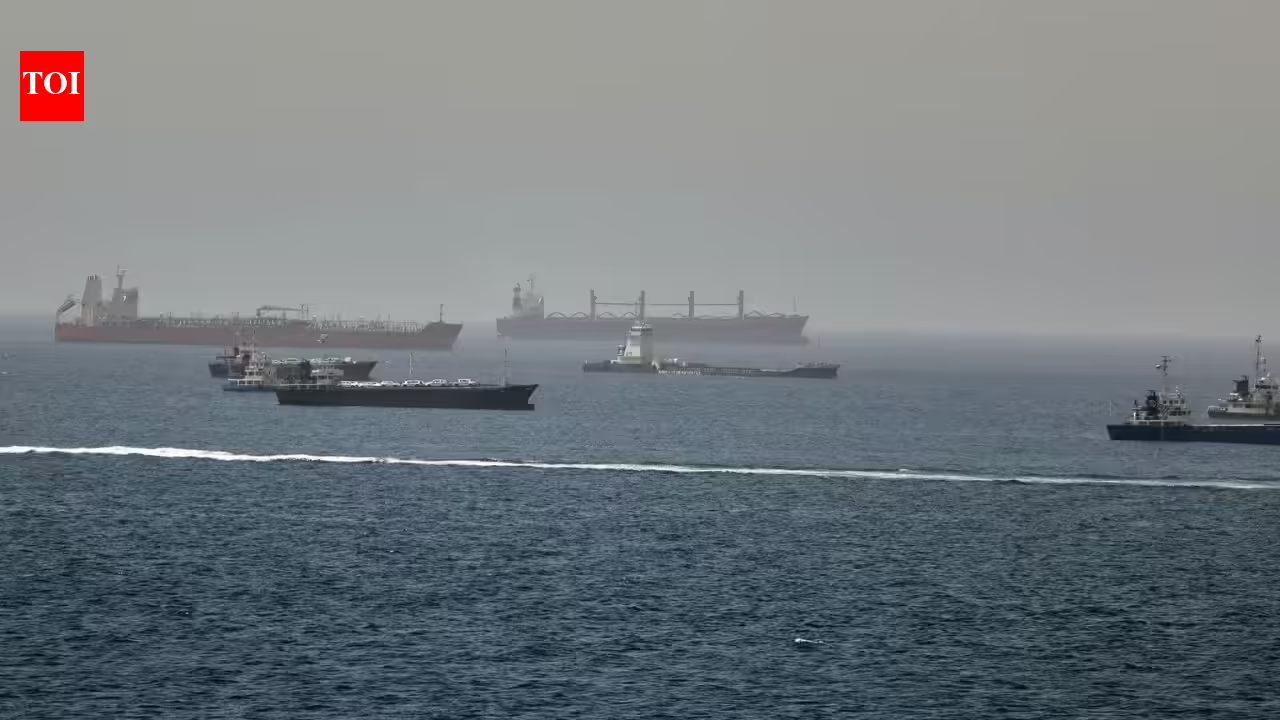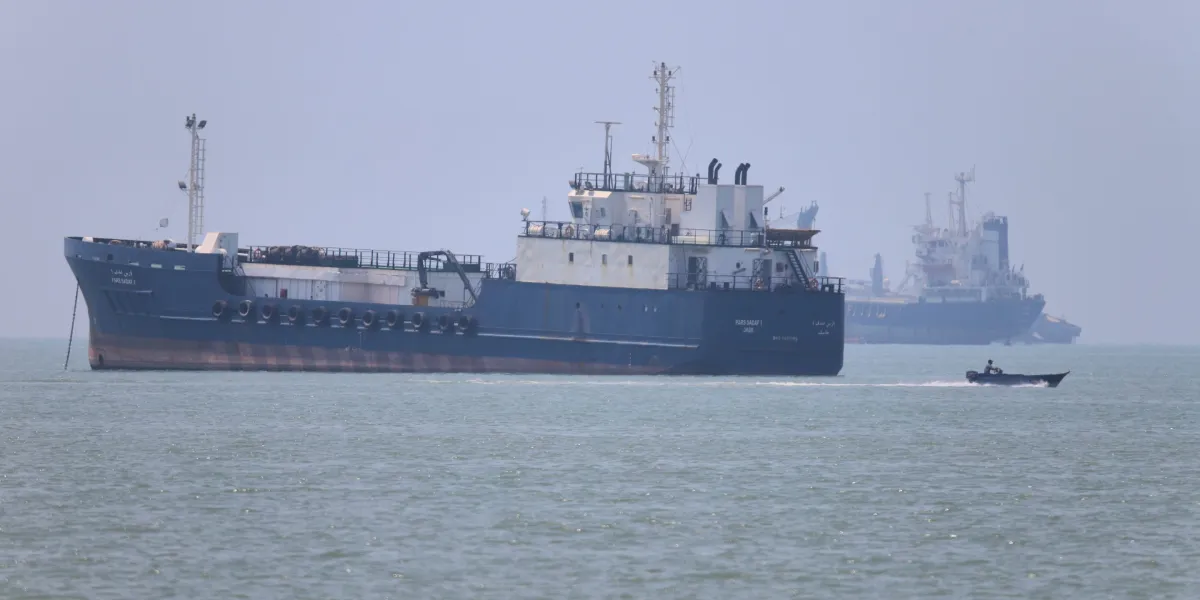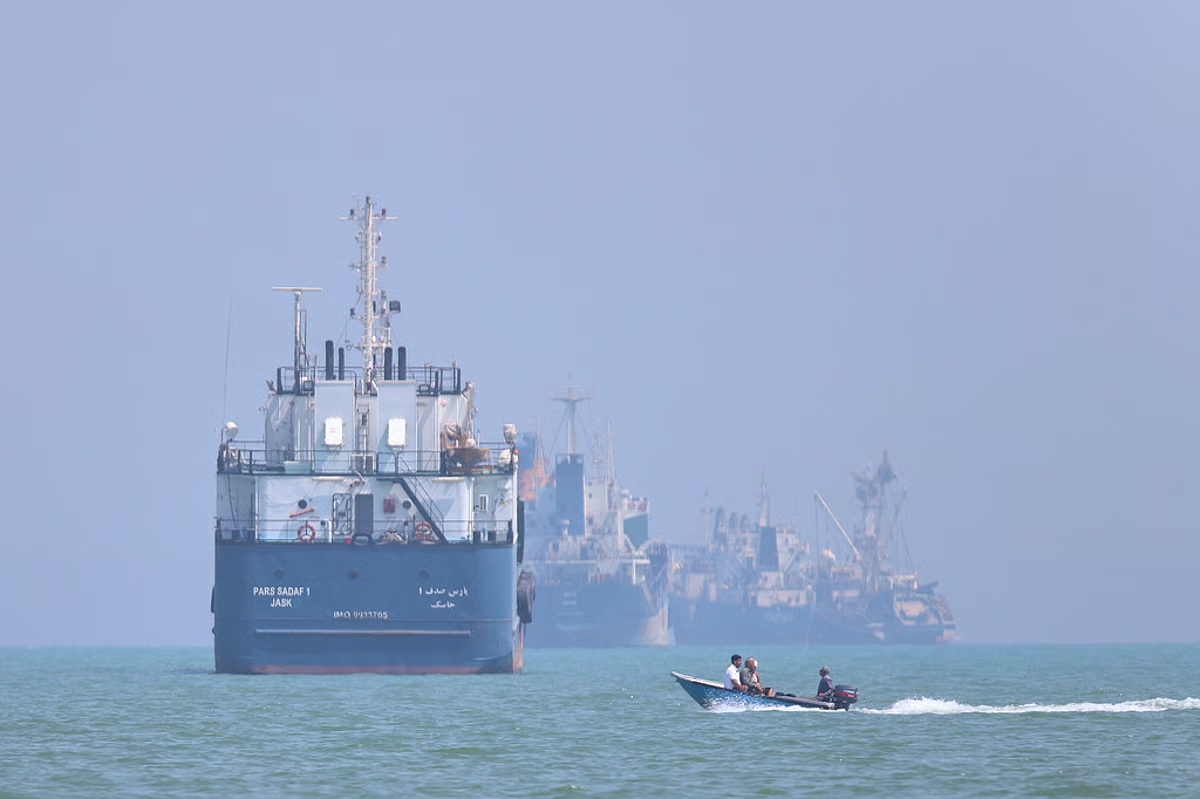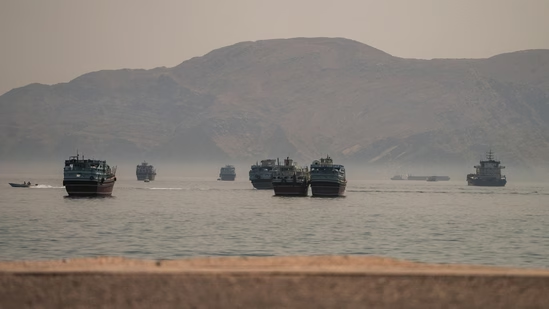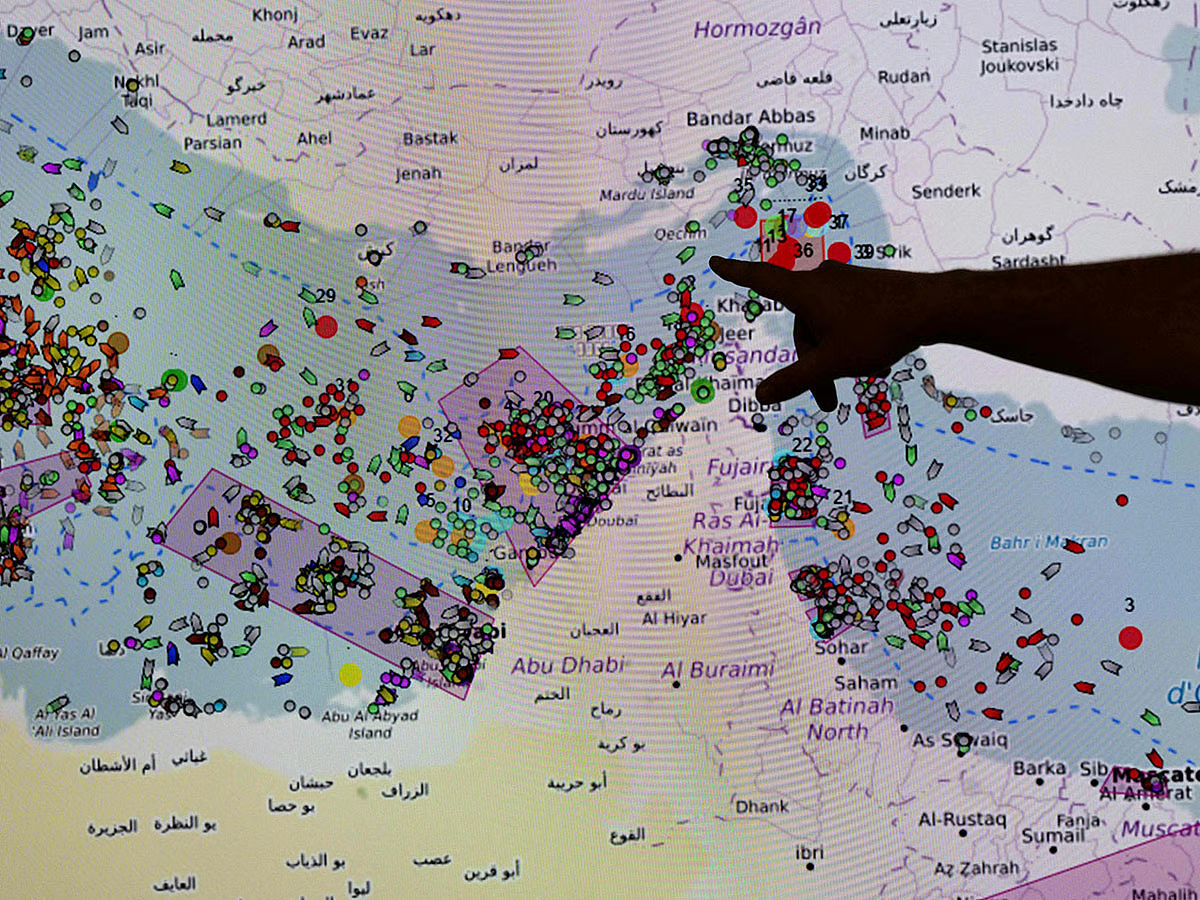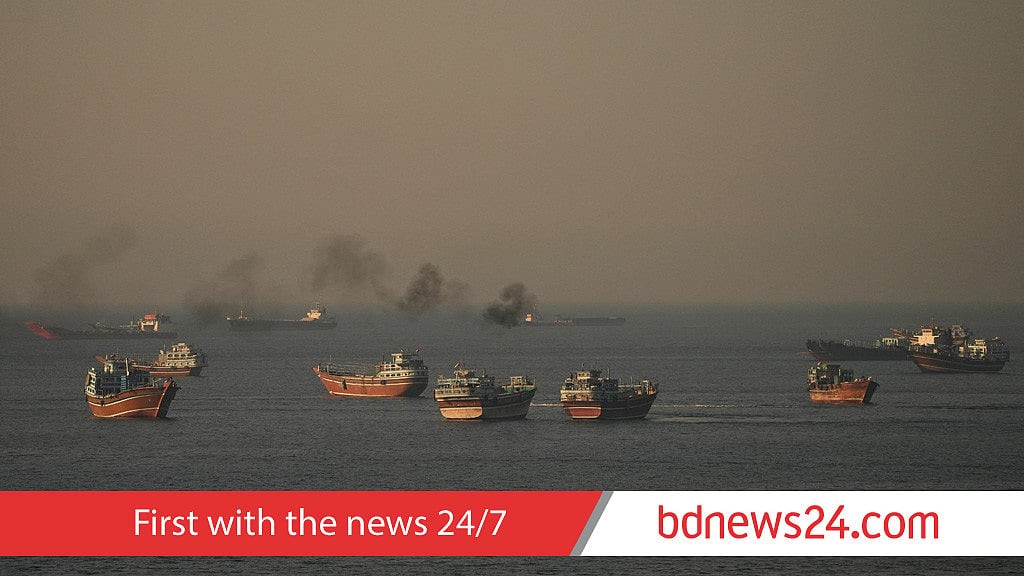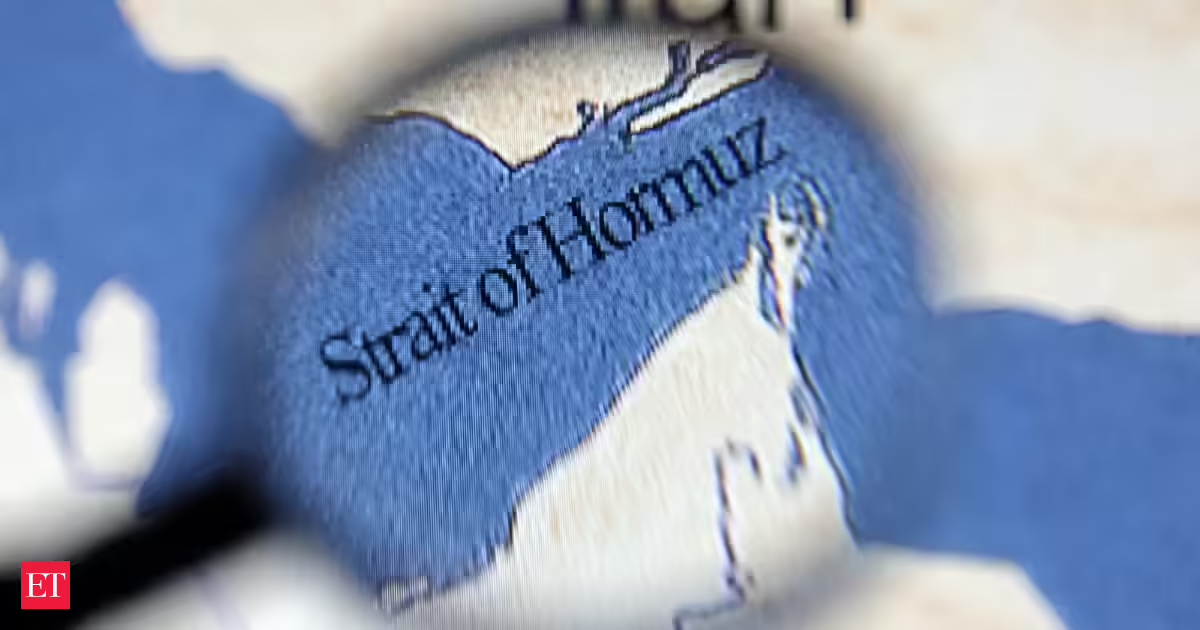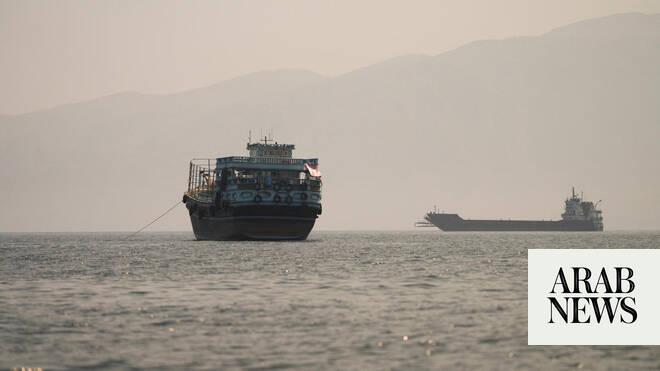
NEW YORK: Ship traffic has picked up in the Strait of Hormuz since Iran and the US signed an interim deal to end a war that constricted global oil supplies and fueled inflation, but questions surrounding control of the vital waterway and whether vessels will be charged tolls to cross it could interfere with negotiations to forge a lasting peace.
Tehran and Washington clashed over the Strait of Hormuz again this past weekend. Citing Israel’s latest attacks on Lebanon, Iran declared that it reclosed the strait. The US was quick to contest that. Maritime tracking data showed that dozens of ships passed through on Saturday and Sunday, though far fewer than the daily average before the war.
President Donald Trump suggested the US might impose its own tolls on strait crossings if a final deal with Iran was not reached during the countries’ 60-day negotiating period. Passage was free before the war, but Iran last month established a new governmental authority to collect money from ships and has said it still expects vessels to register with the Arabian Gulf Strait Authority.
No one country owns the Strait of Hormuz, which borders both Iran and Oman. Last week’s memorandum of understanding allowed Iran to manage the strait for now while holding discussions with Oman and six other Gulf states “to define the future administration and maritime services” of the waterway. Iran agreed not to charge transiting vessels tolls for 60 days.