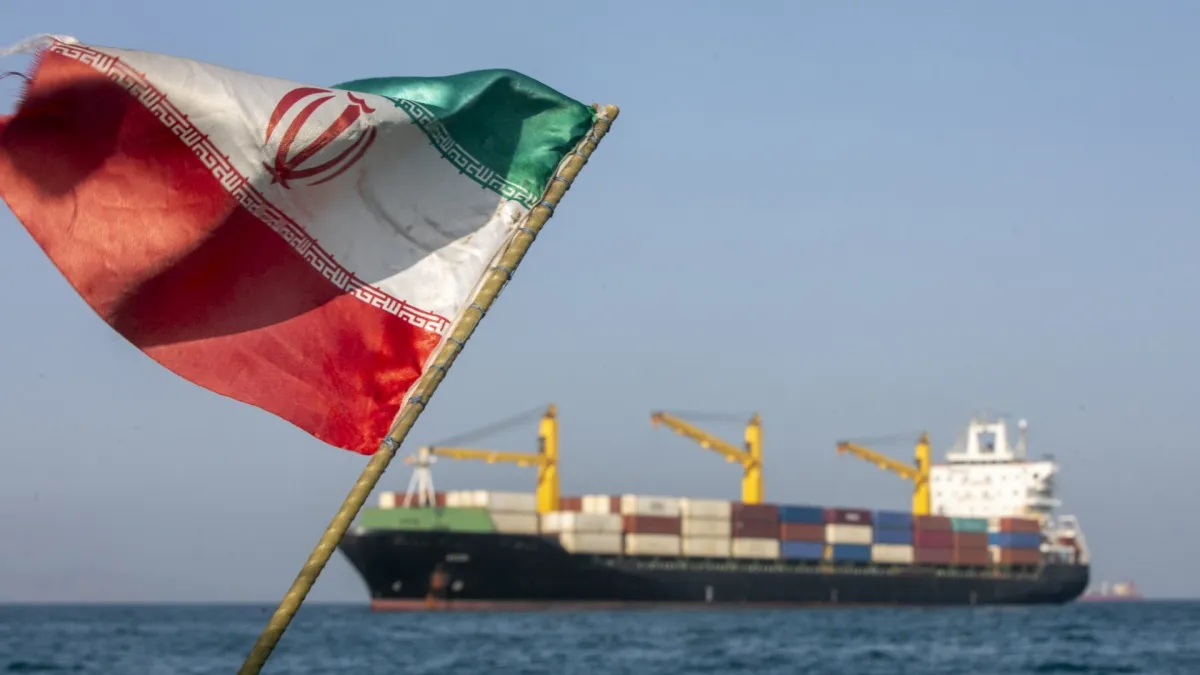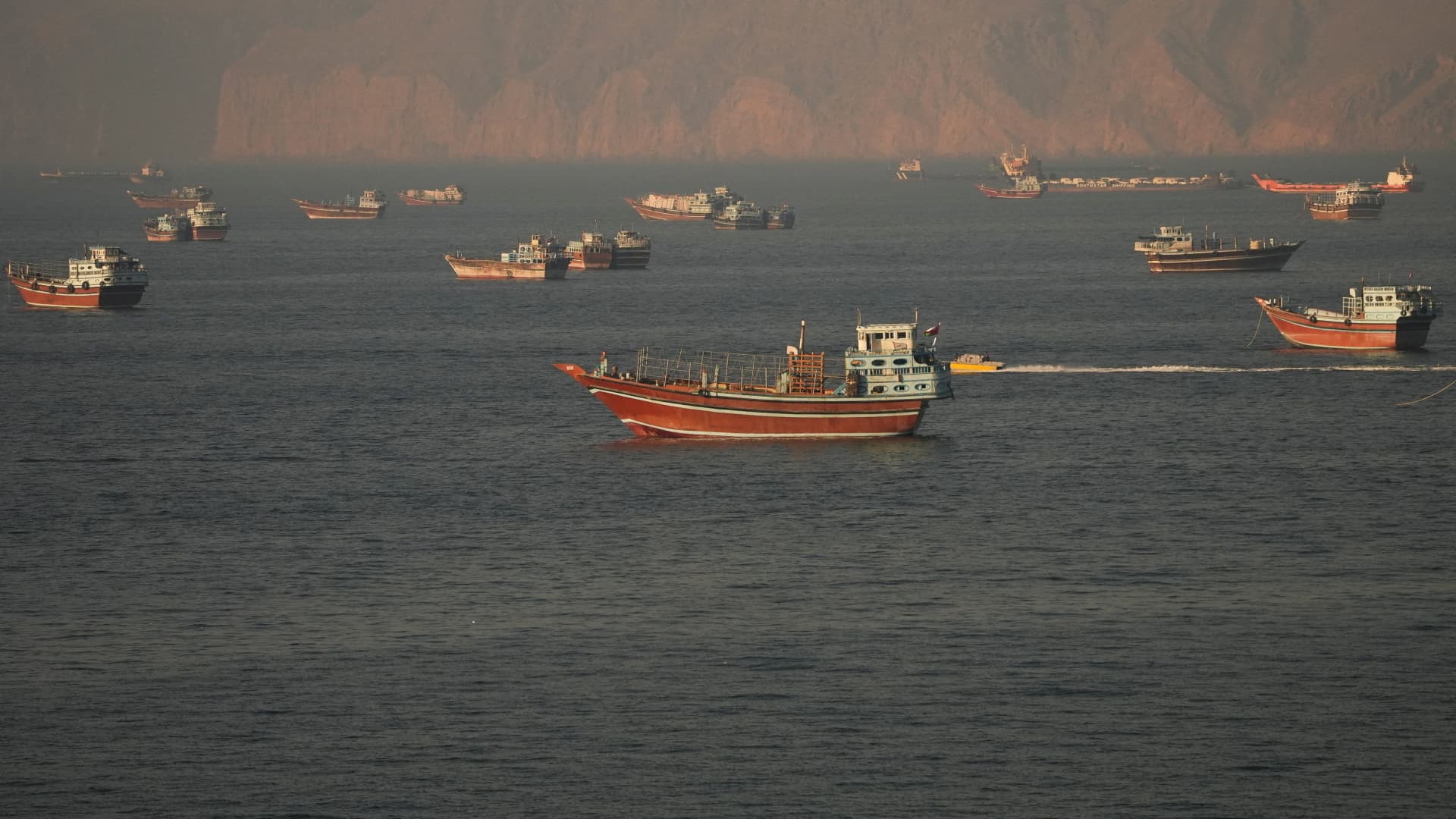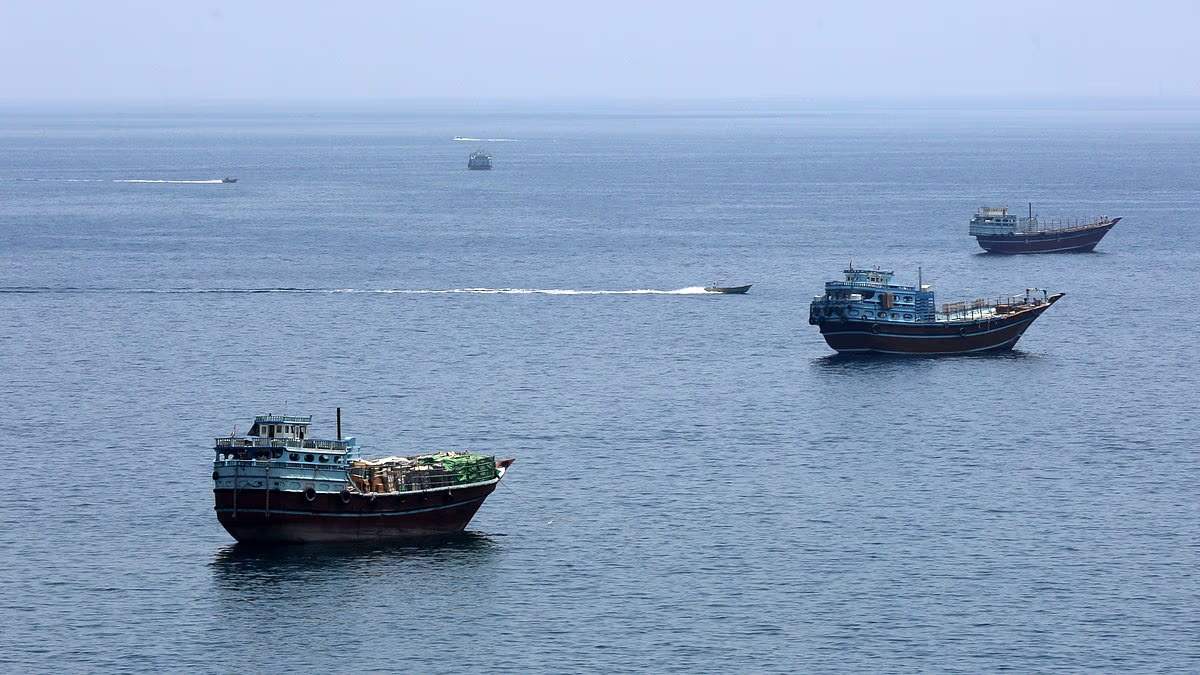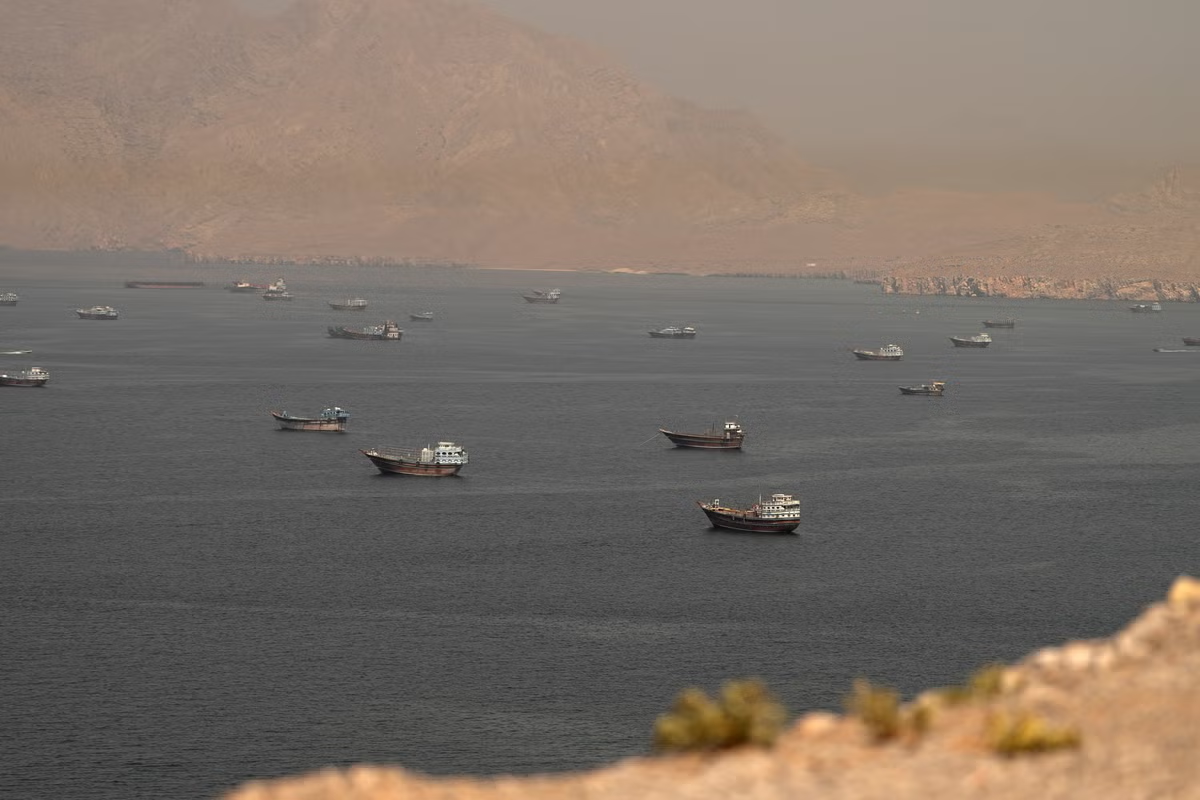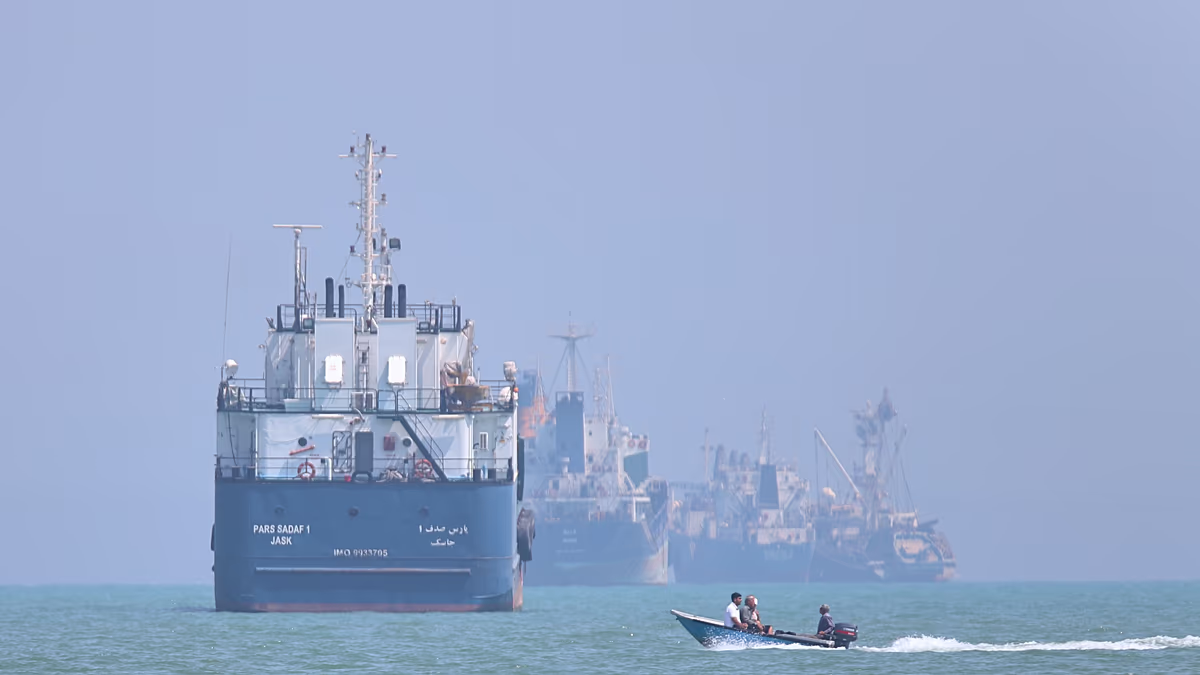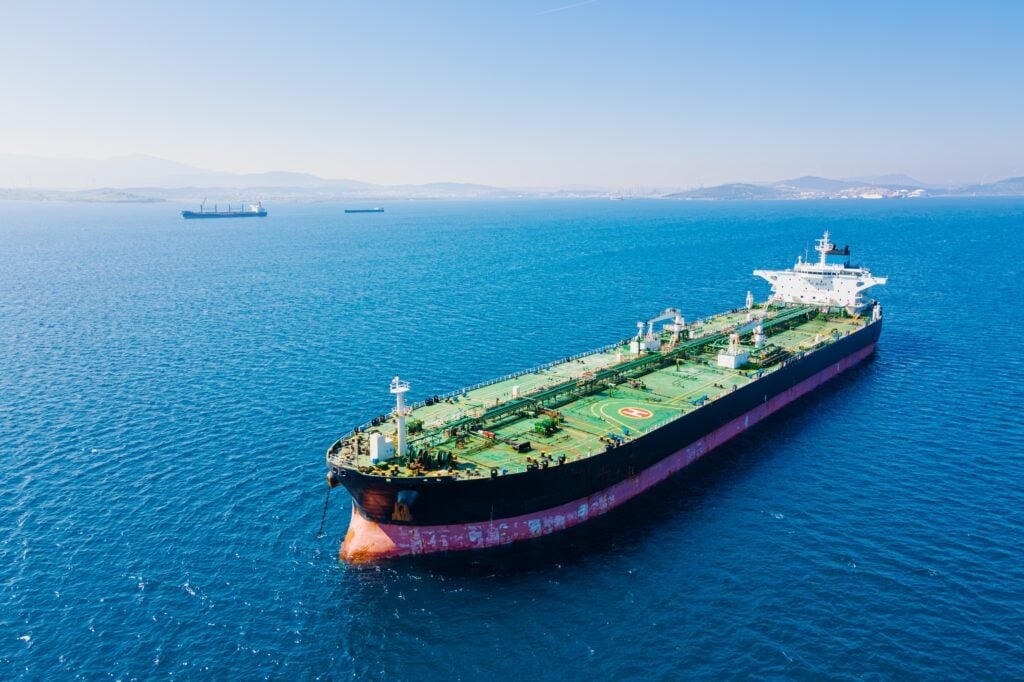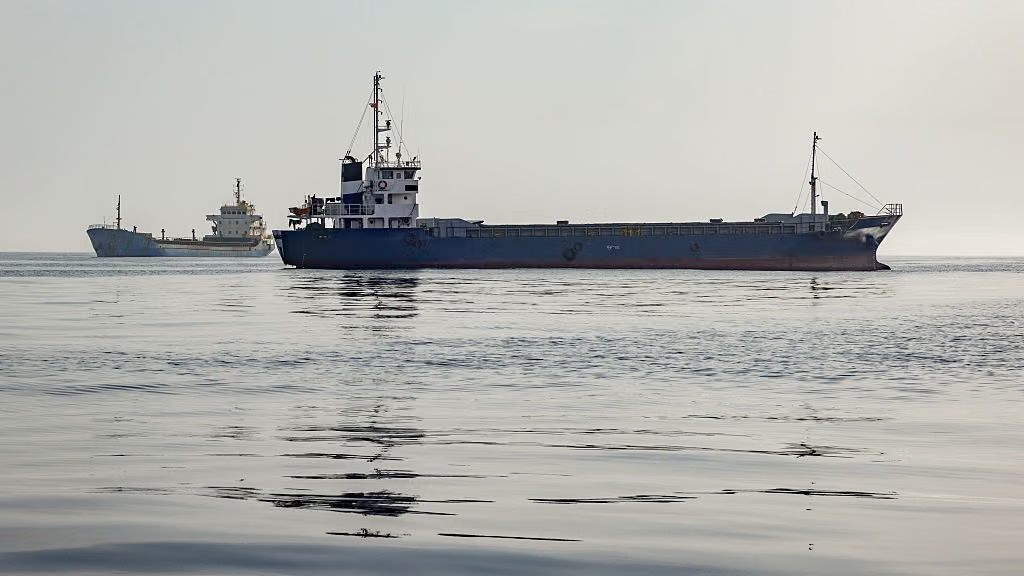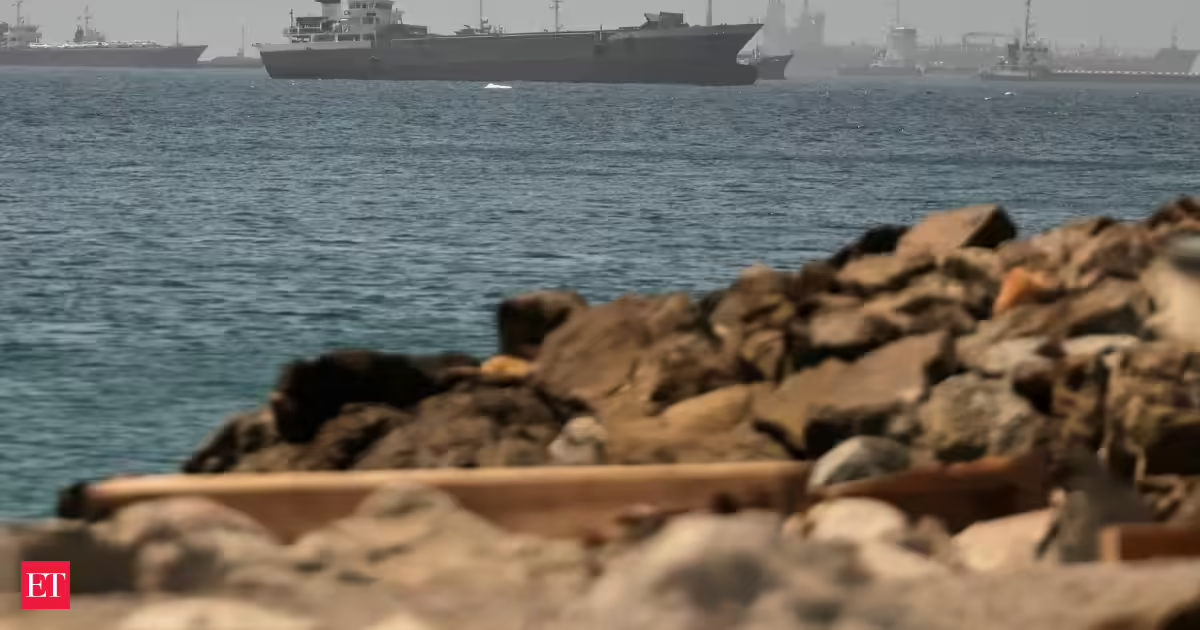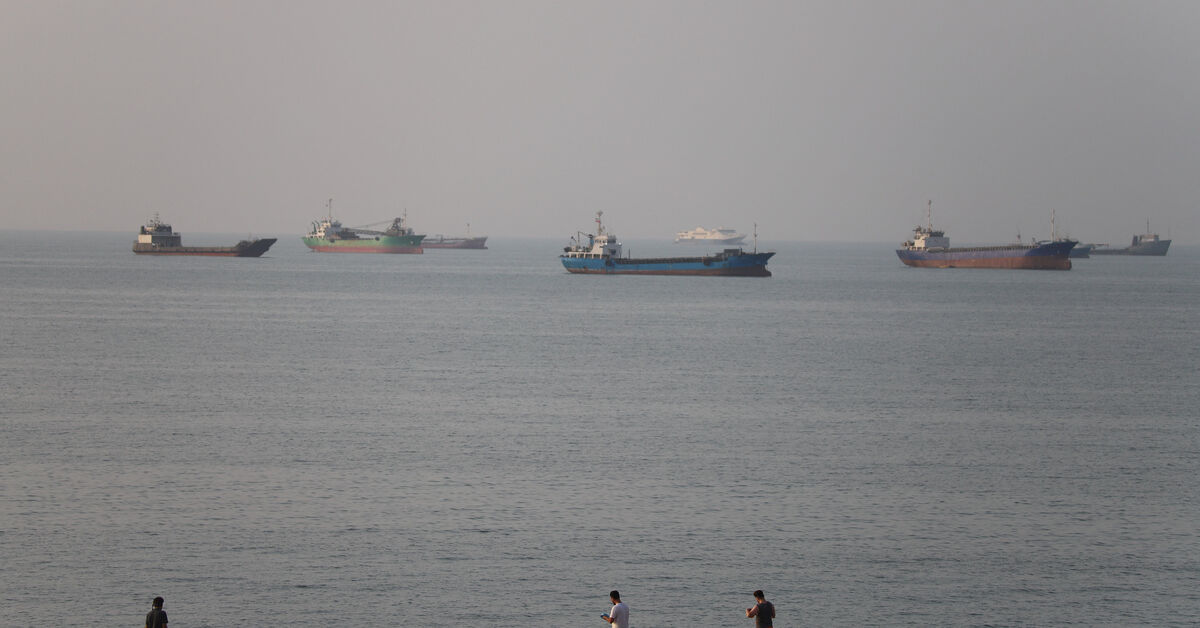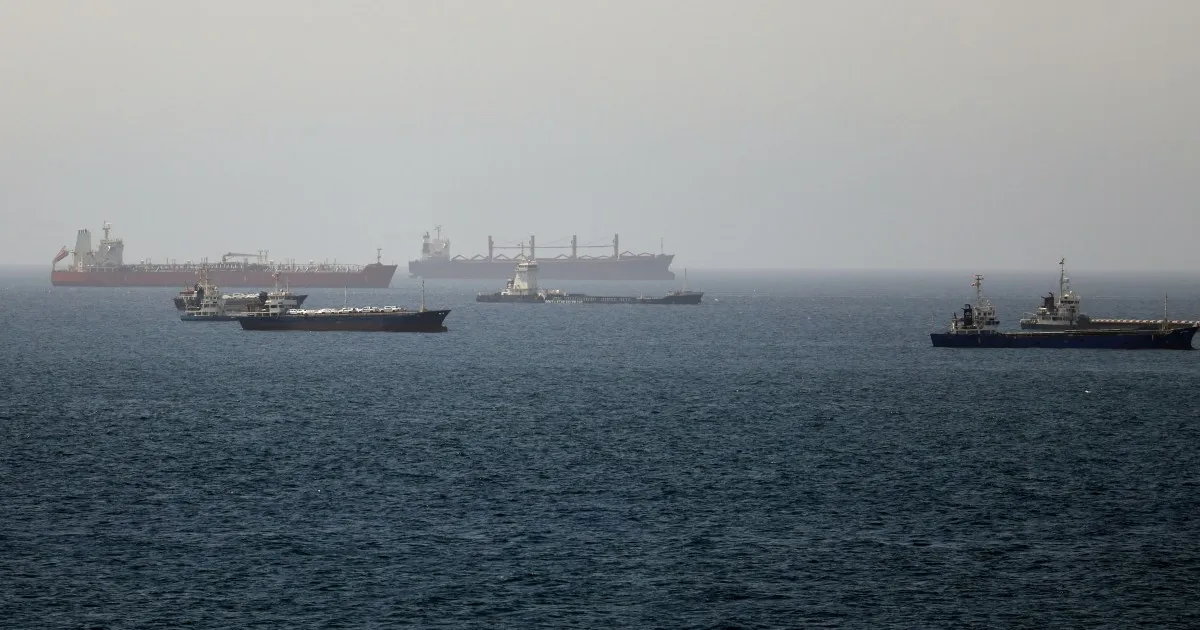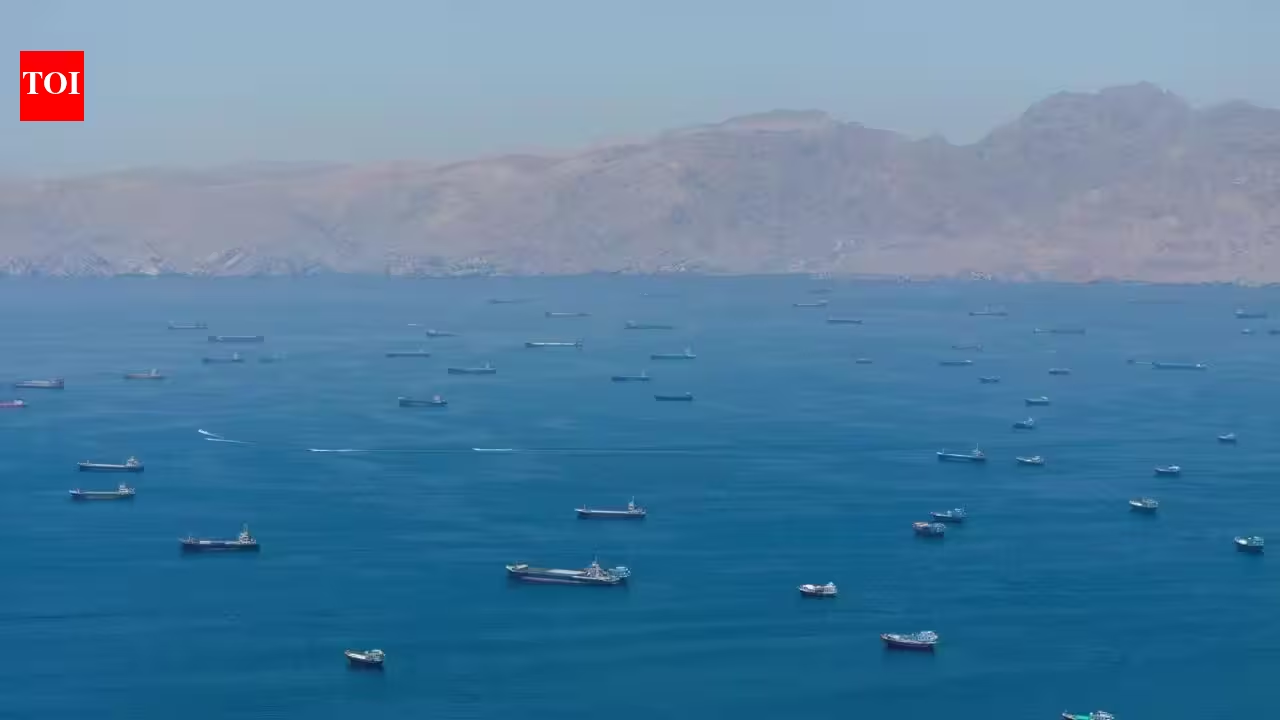
Iran’s Islamic Revolutionary Guard Corps (IRGC) declared the Strait of Hormuz closed on Saturday after it accused Israel of violating the Lebanon ceasefire terms with renewed strikes on Hezbollah. Despite that declaration, traffic kept moving through the weekend, according to the US military and multiple shipping trackers. Then, on Sunday, Iran's Fars news agency, citing a military source, escalated the claim – reporting that the IRGC Navy had not authorised any vessel to transit and would not until further notice.The US disputes the claim that traffic ever stopped. The US military’s Central Command said 55 merchant ships carrying nearly 17 million barrels of oil crossed the strait on Saturday, with traffic up, not down. Lloyd's List Intelligence tracked vessels moving on both the northern and southern routes on Saturday – the first southern-route activity in weeks despite Iran's announcement. Maritime intelligence company Windward reported that, hours after the IRGC's announcement on Saturday, traffic through the southern corridor was not reflecting any closure, with vessels still transiting the corridor off the Musandam peninsula. Windward noted the picture could shift but said that, at the time, the Iranian statement and the vessel data were pointing in different directions.Ship-tracking data adds to the picture. Three India-linked supertankers – the Desh Vibhor, Desh Vaibhav and Sanmar Herald, carrying nearly six million barrels of Iraqi and Kuwaiti oil – re-emerged in the Gulf of Oman on Sunday after last signalling a strait crossing attempt late Friday. Their approach towards Qeshm island suggested a Tehran-approved route, Bloomberg reported. Bloomberg also tracked three laden supertankers entering the strait from the Omani side on Saturday before going dark, carrying Saudi, Qatari and Emirati crude and three empty tankers – including a gas carrier – sailing openly into the Gulf. LNG carriers were also observed entering late on Friday.Guidance to mariners shifted too. The Joint Military Information Centre said on Saturday that vessels could transit the southern route with transponders, radar and lights on – reversing earlier US advice to go dark – after Pakistan flagged a confirmed mine sighting on that route on Friday night.Talks proceed in Switzerland regardlessDespite the dispute, US-Iran talks were to open on Sunday at the Burgenstock resort in Switzerland. Vice President JD Vance leads the US side opposite Iranian parliamentary Speaker Mohammad Bagher Ghalibaf and Foreign Minister Abbas Araghchi, with Pakistani Prime Minister Shehbaz Sharif and Field Marshal Asim Munir mediating alongside Qatar. Mr Vance said he had seen “no evidence” of the strait being closed.Abbas Araghchi, left, with Switzerland's Foreign Minister Ignazio Cassis in Burgenstock. AFPInfoIran's signals have been mixed. Mohammad Mokhber, an adviser to its supreme leader, accused the US of failing to implement the agreement's first point, which called for the Strait of Hormuz to remain toll-free during the agreement's first 60 days, and said energy flows would stay halted while the deal remained “only on paper”. Foreign Ministry spokesman Esmaeil Baghaei said Iran would press for compliance given past failures by Washington. Oil Minister Mohsen Paknejad struck a more conciliatory note, saying investment opportunities were ready if the West honoured the pact's spirit.Hardliners furiousIRGC-aligned voices have attacked the diplomatic track. Hardline politician Seyyed Mahmoud Nabavian said any Iranian official meeting US counterparts without a full Lebanon ceasefire and Israeli withdrawal amounted to a green light for further violations; he was separately accused of leaking and cherry-picking “top secret” letters tied to the supreme leader on state TV, a broadcast that was abruptly cut.The Lebanon front remains volatile. Israeli strikes killed 83 people within 24 hours, the official National News Agency reported, and Israel said it would not withdraw from occupied Lebanese territory.The bottom lineIran says Hormuz is shut and that it is not issuing any permits. The US, satellite tracking, and moving tankers say otherwise. Both narratives are colliding in real time – even as negotiators from both countries sit down in Switzerland to hash out what comes next.
Iran's IRGC says Hormuz is shut. Shipping data suggests otherwise | The National
Conflicting signals on shipping emerge as US and Iran begin talks
TL;DRAI
Iran claims Hormuz closed, yet shipping data shows 55 vessels (17M barrels) transiting—official narrative vs operational reality diverge. The geopolitical flashpoint signals energy volatility and supply-chain disruption—direct factors in data center capex and infrastructure decisions.
650 words~3 min read