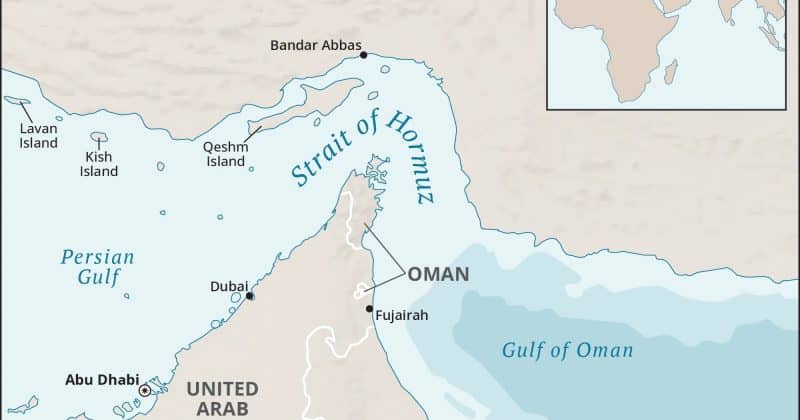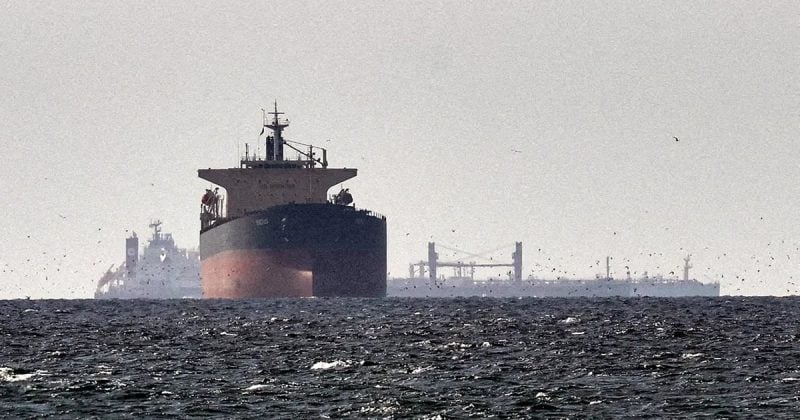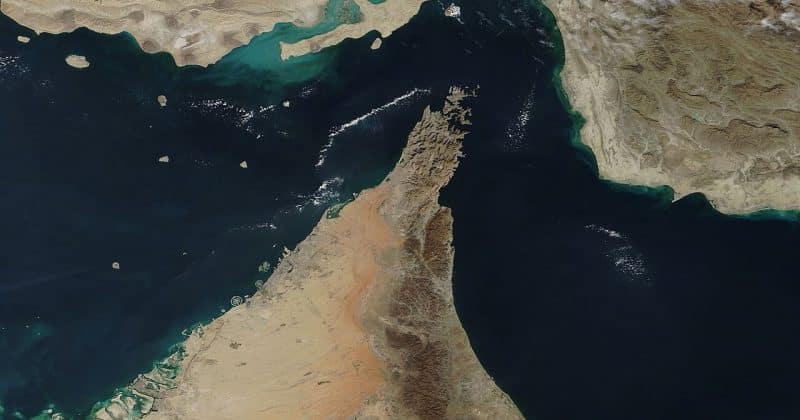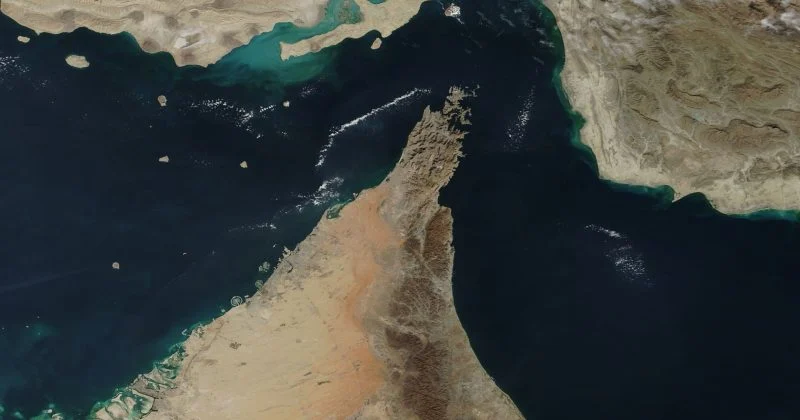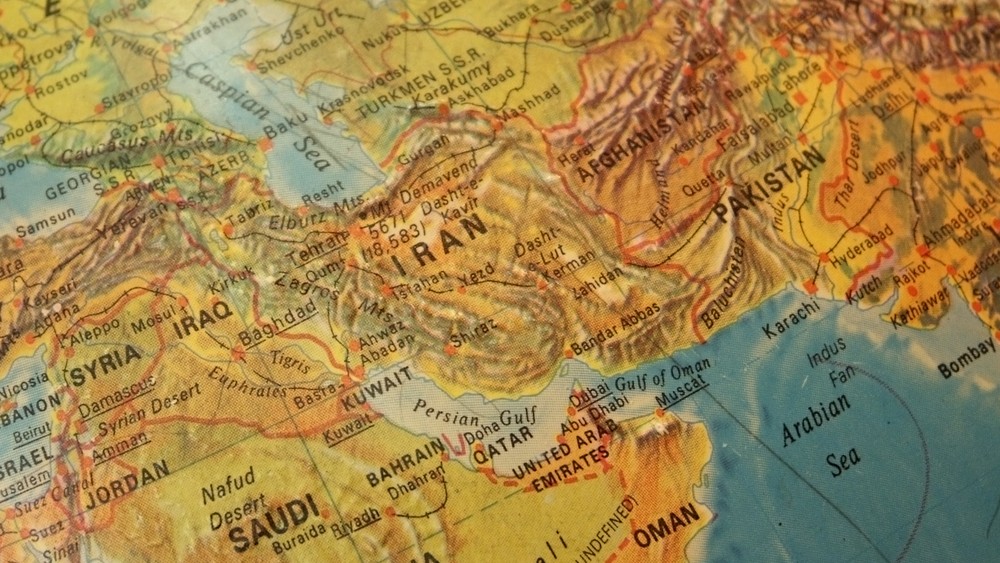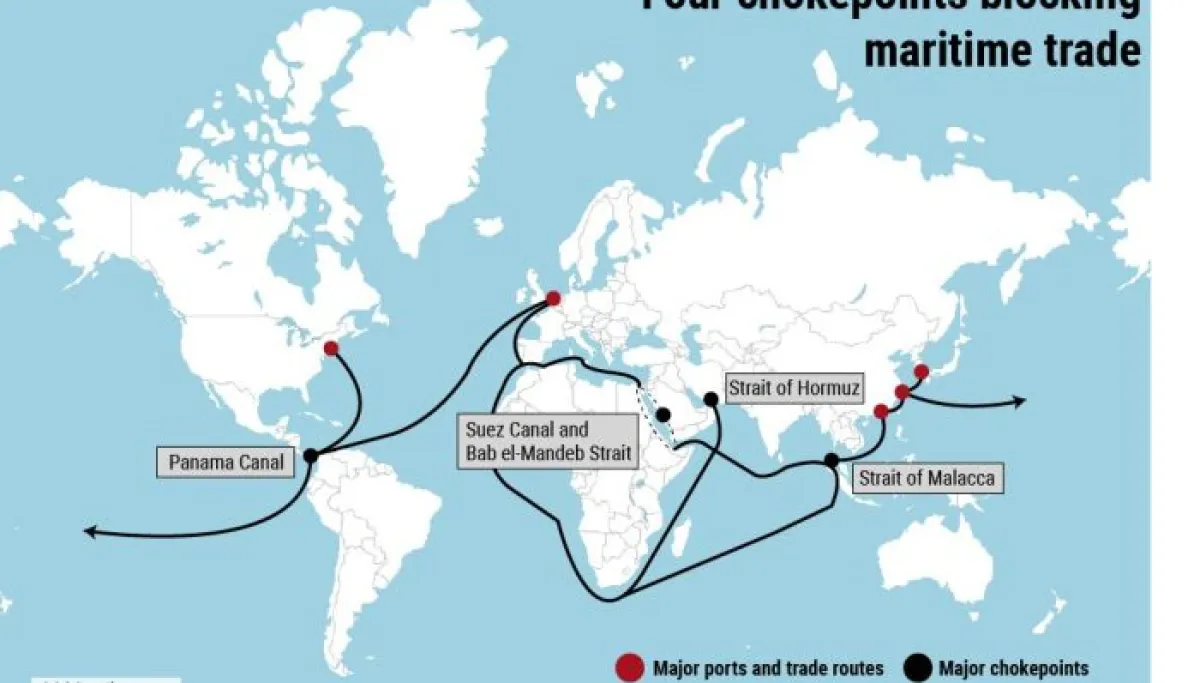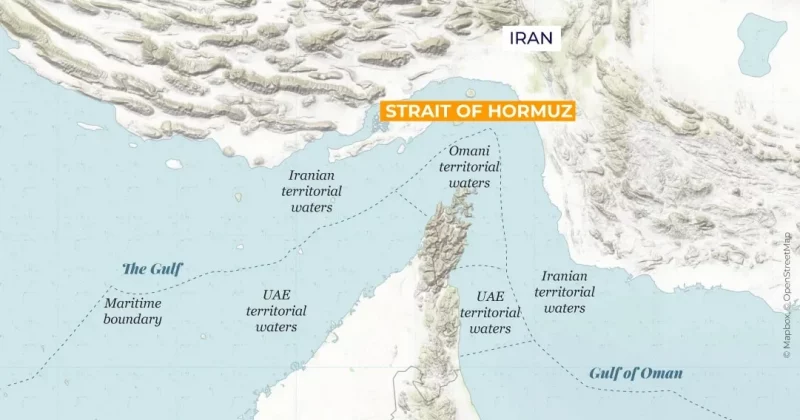
The narrow waterway between Iran and Oman that roughly 20% of the world’s traded oil passes through is no longer operating under the principle of free navigation. Iran has established a new mechanism for regulating ship passage through the Strait of Hormuz, effectively turning one of the planet’s most important trade arteries into a toll road with geopolitical strings attached.
The consequences are already severe. Traffic through the strait has plummeted from around 150 vessels per day to fewer than 20, with many ships anchoring rather than risking the crossing. The global energy market is now missing approximately 11 million barrels per day of crude supply.
Coercive access, not a blockade
Iran’s approach is not a traditional blockade. Instead, Iran has opted for a system best described as coercive access management. Reports indicate transit fees exceeding $1 million per vessel in some situations, transforming what was once a free international waterway into a revenue stream backed by naval pressure.
Shipping companies are making rational decisions to avoid the strait entirely, rerouting around the Cape of Good Hope or simply keeping vessels at anchor until the situation clarifies. That 85%-plus drop in daily vessel traffic tells the story more clearly than any diplomatic statement could.