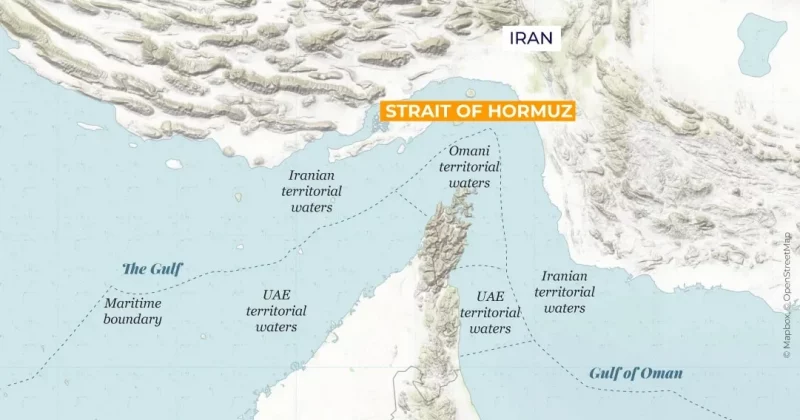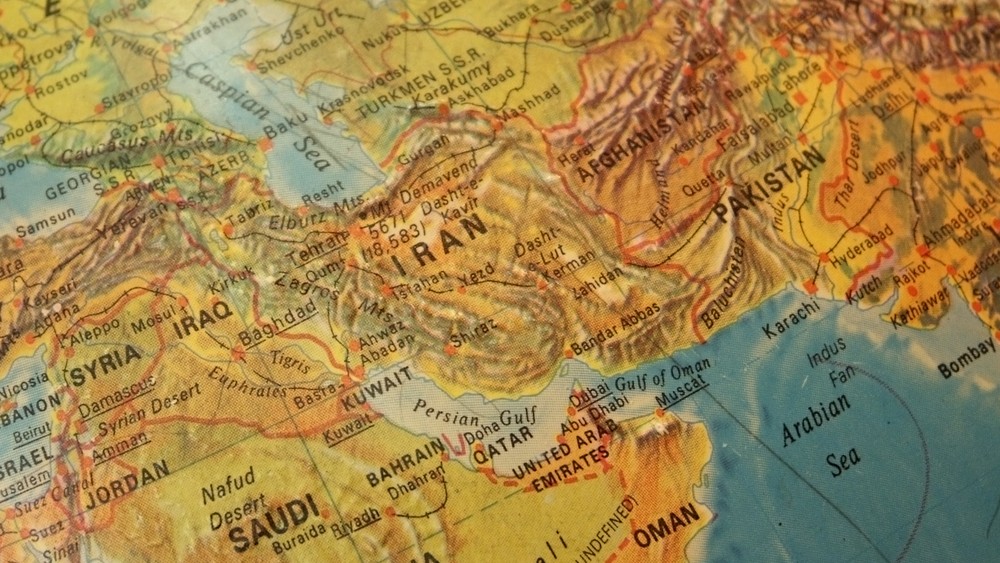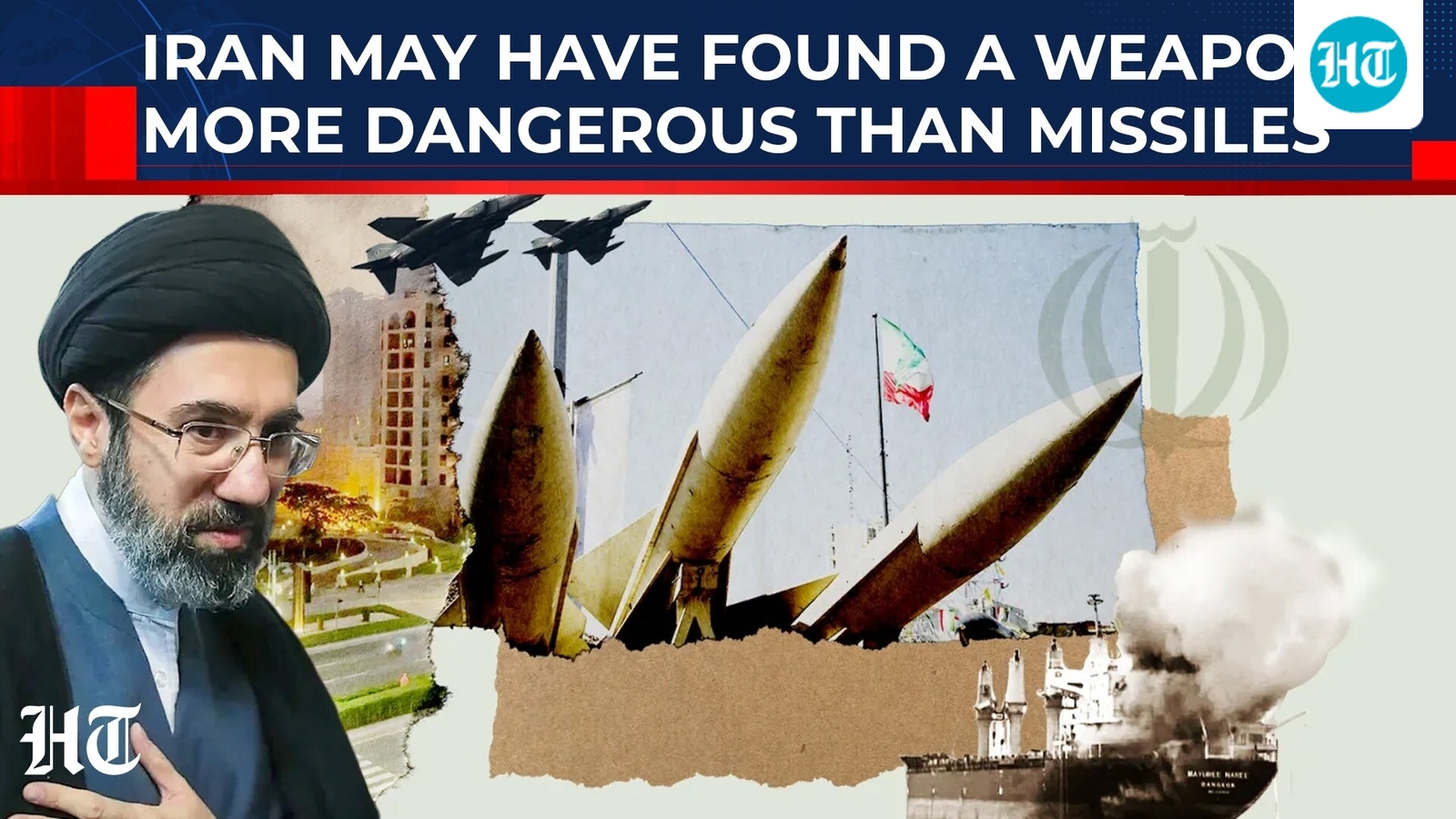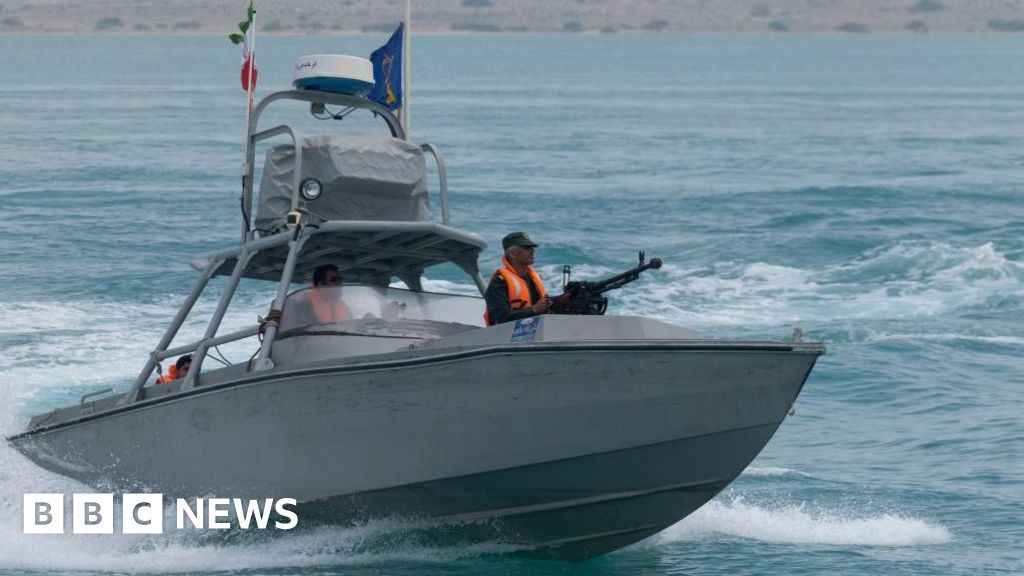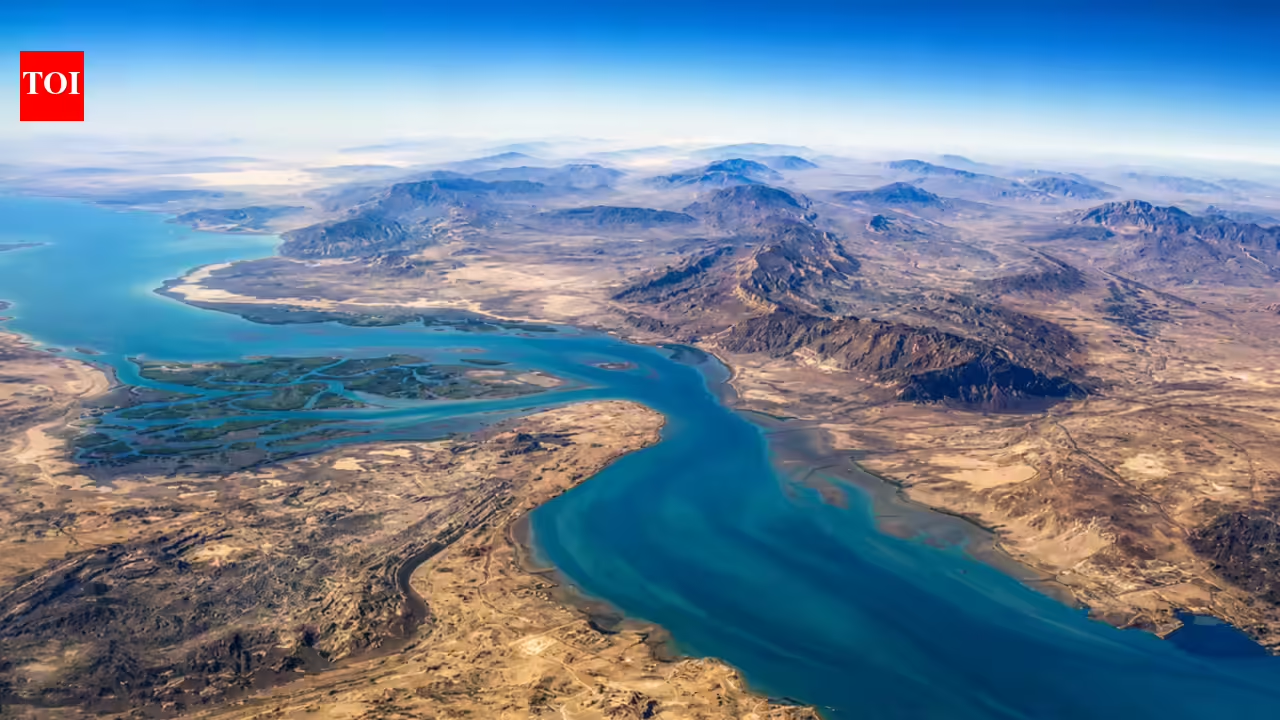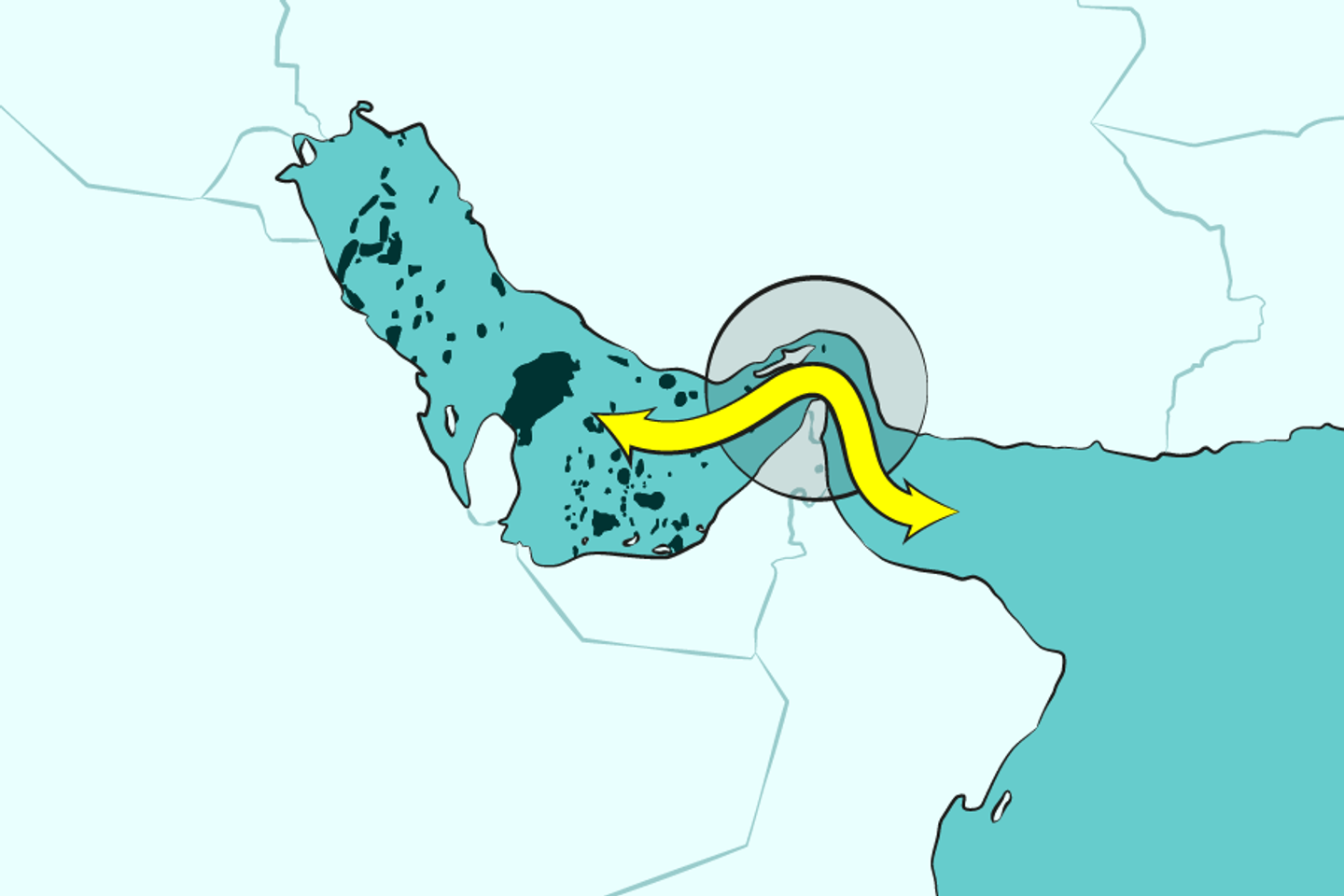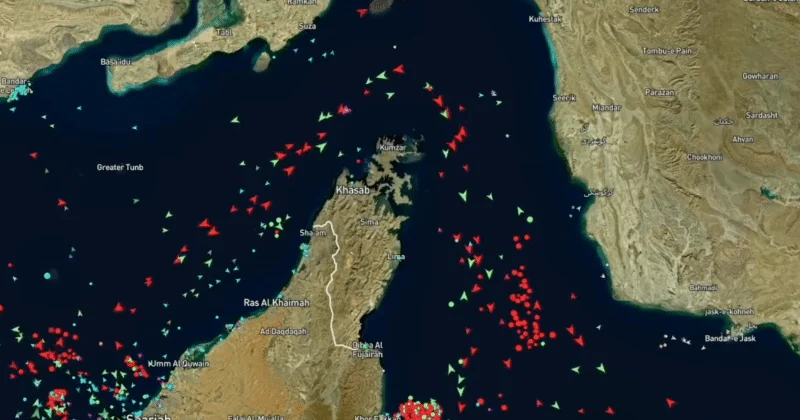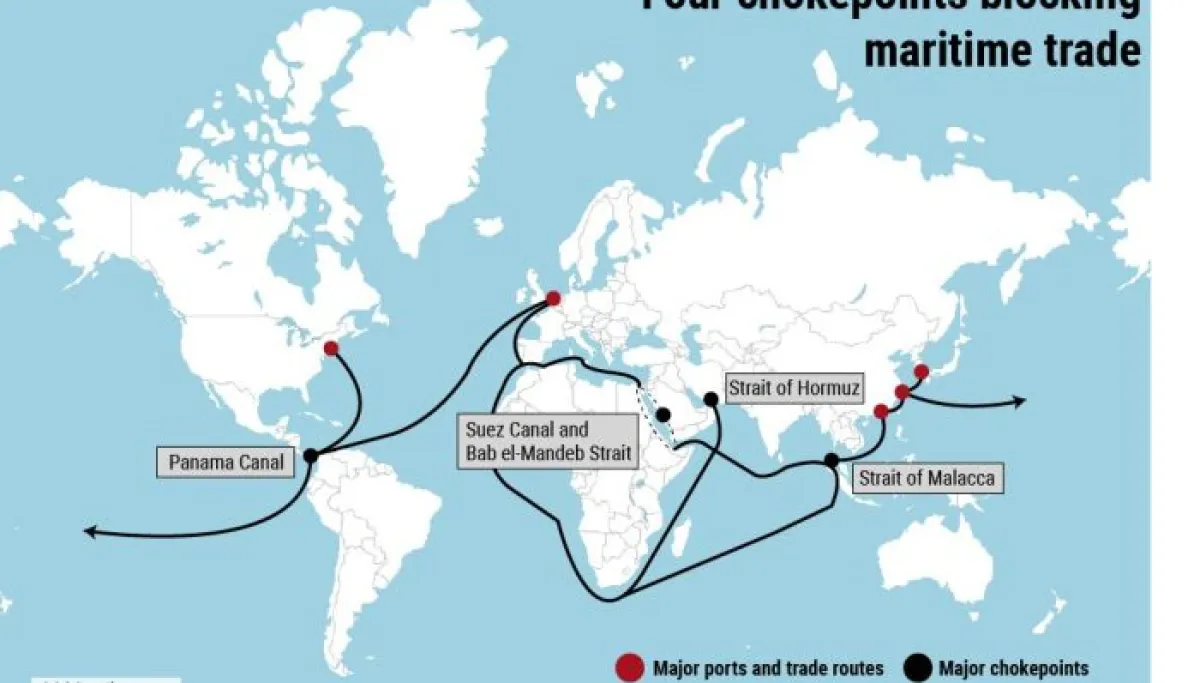
The Iranian blockade of the Strait of Hormuz has tanked the global economy and driven oil prices up dramatically, raising the question of what other vital waterways could cause this type of fallout if another bad actor sought to exert control over them.There had always been the possibility that the Iranian regime could try to control the strait due to the geography of the region, but it wasn’t until the United States and Israel declared war against them on Feb. 28 that they tested the theory, and it’s worked.Prior to the start of the war, approximately a fifth of the world’s oil would travel through the strait daily and with Iran’s threats to fire drones and ballistic missiles at vessels that don’t meet their demands, which includes payment, traffic through it has plummeted.
Ahead of the joint strikes in February, as many as 180 vessels could be spotted transiting the waterway daily, with typical levels around 130-140. Just hours after the attacks, dozens of ships anchored and traffic dropped by around 70% that first weekend of the way. Since then, traffic has dropped by as much as 97%.
This major disruption in flows of crude and other petroleum products has caused oil and gasoline prices to surge. The national average gas price was $4.53 a gallon as of Tuesday, according to the AAA motor club, which is significantly higher than where it was two days before the war began, when gas cost $2.98 a gallon.