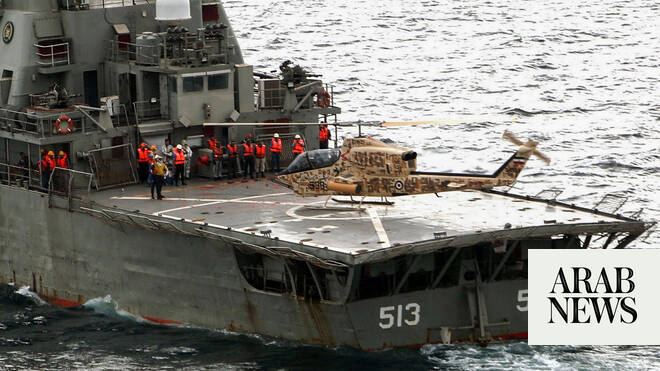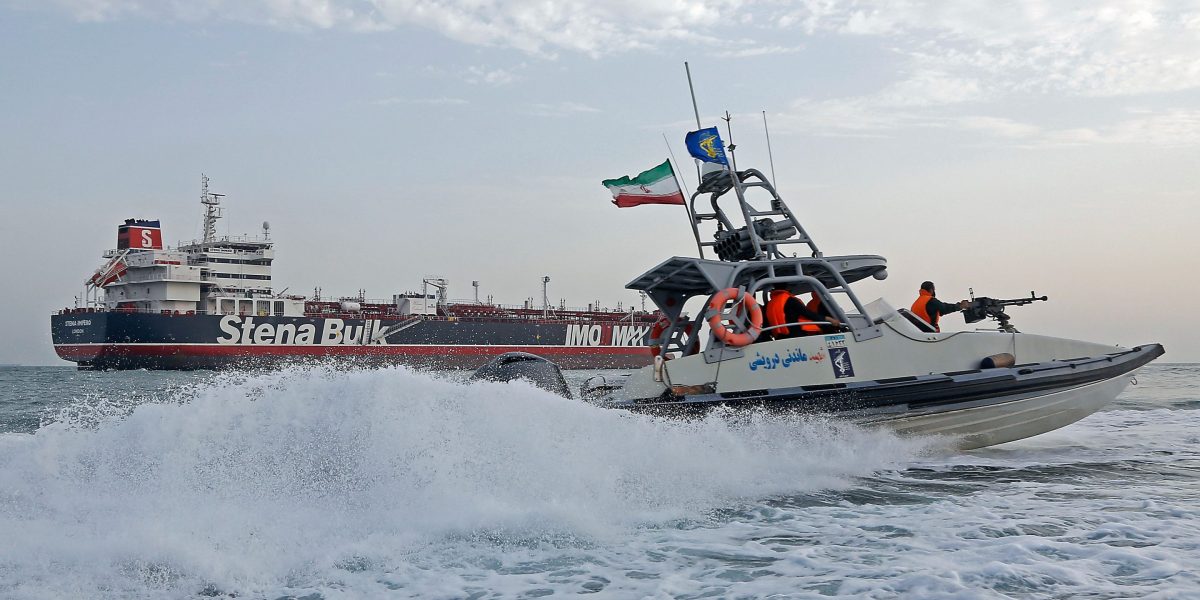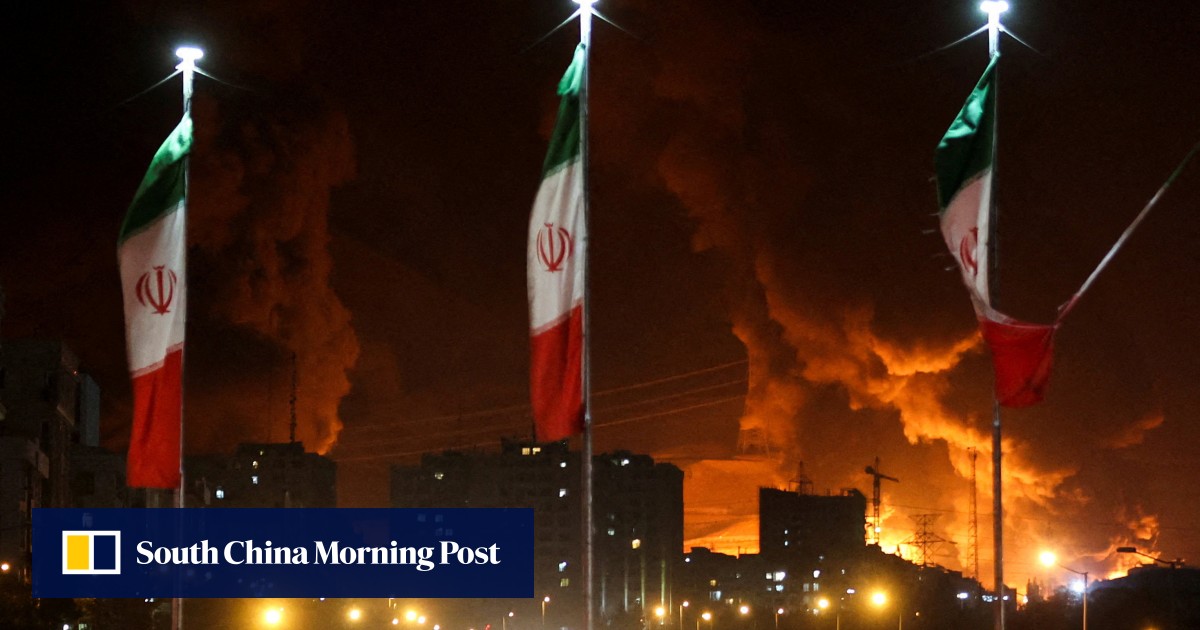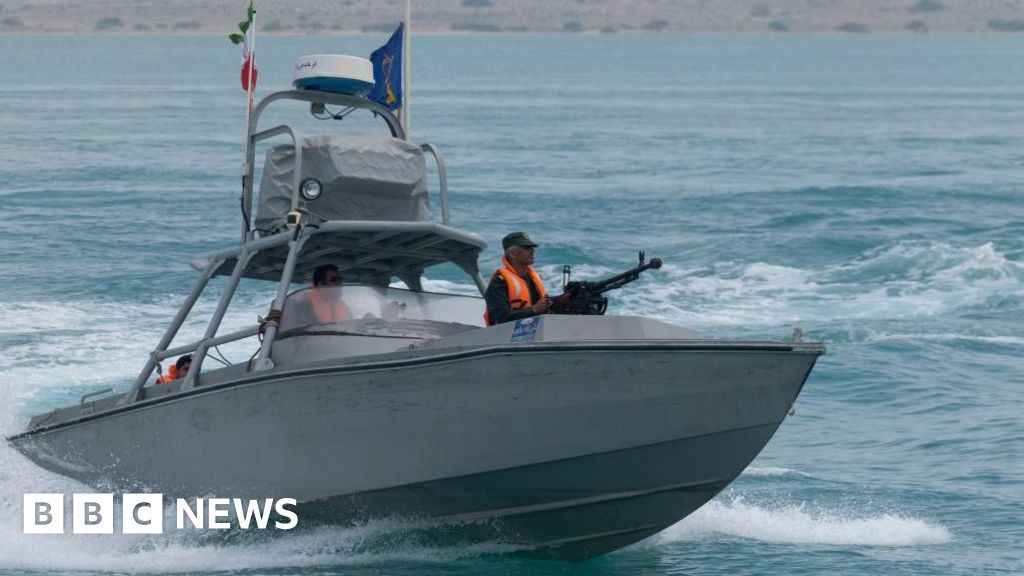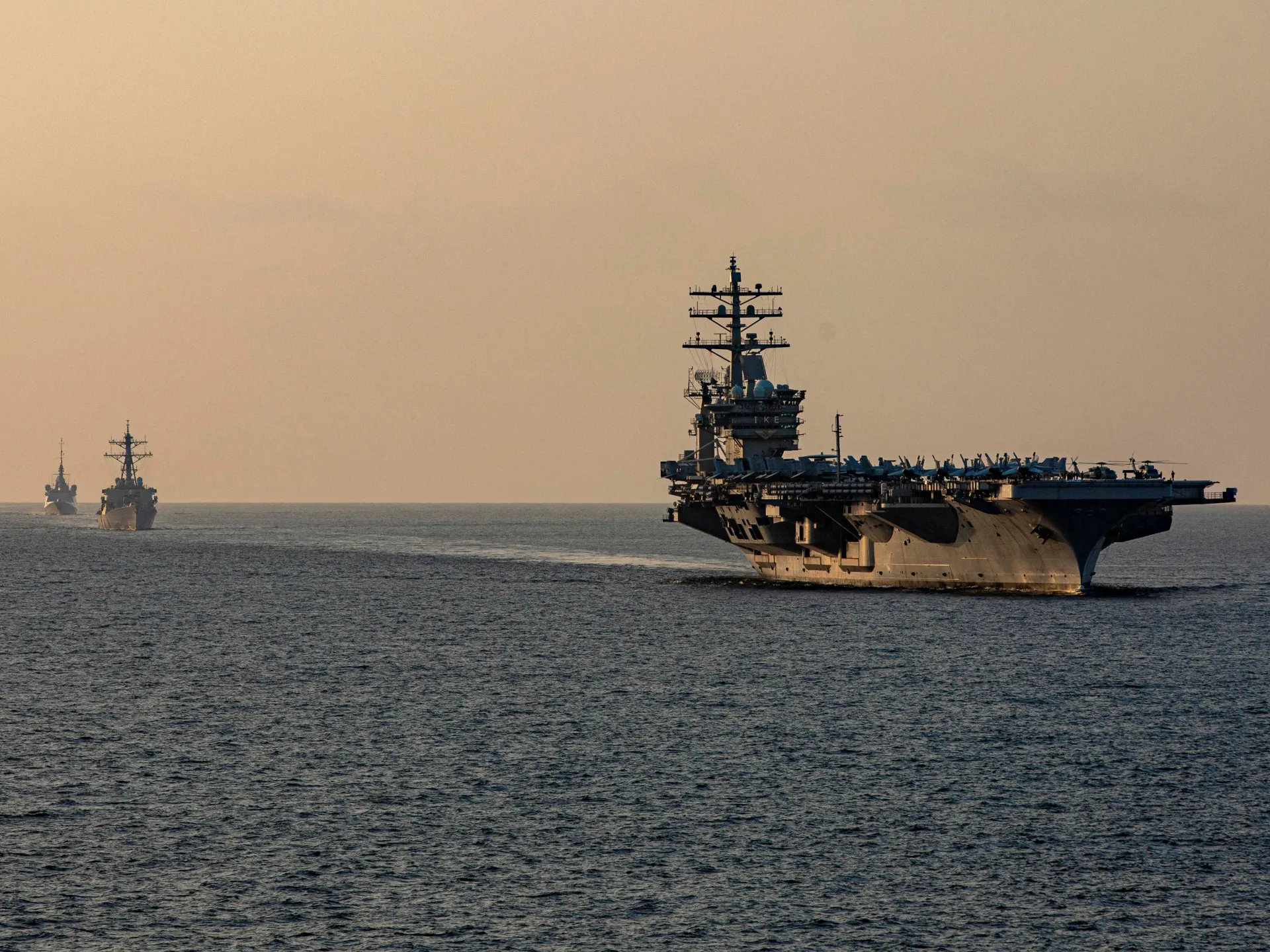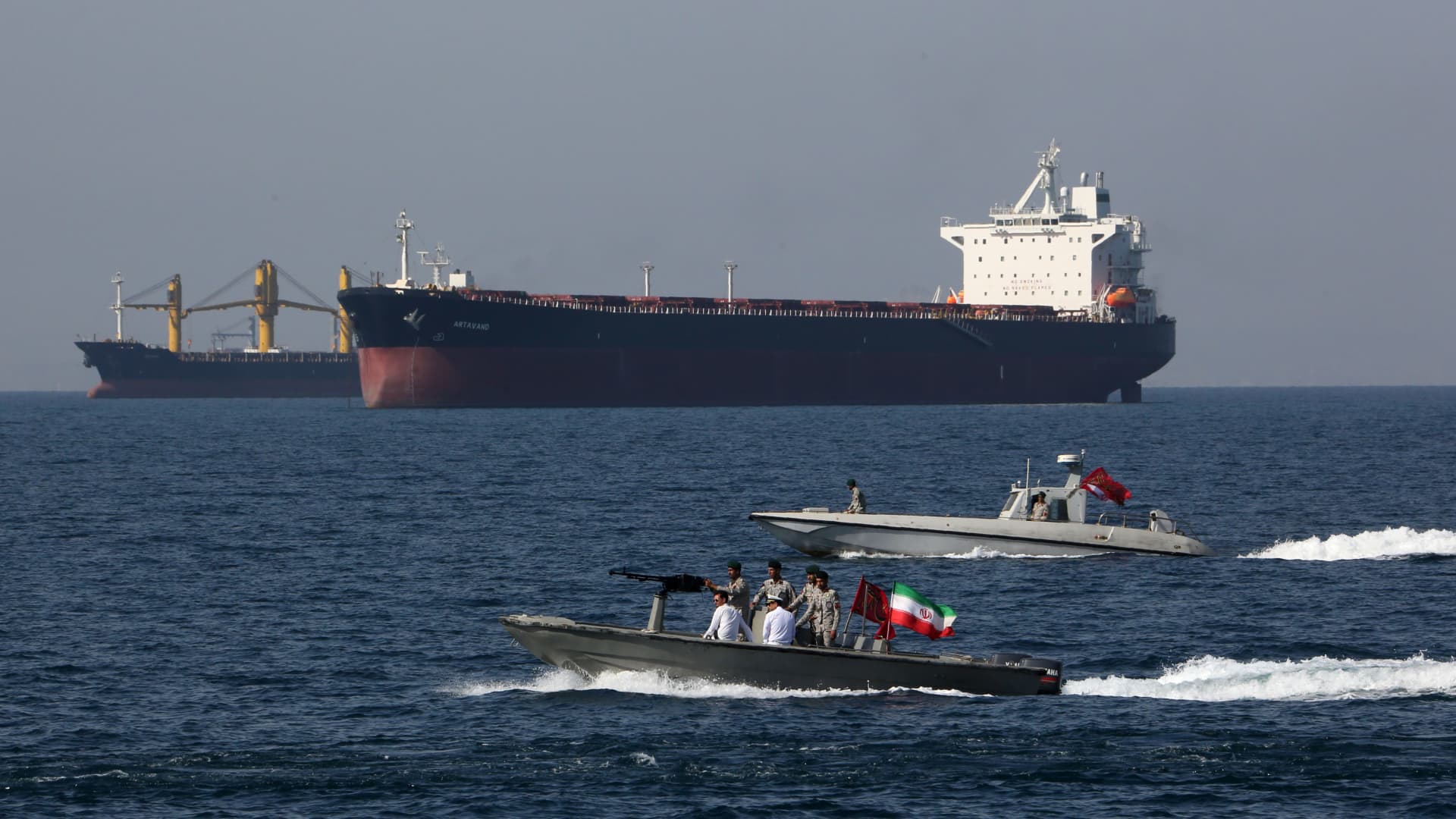
As tensions surge following Israeli strikes on Iran, fears have resurfaced that the Tehran could retaliate by targeting one of the world’s most vital oil arteries — the Strait of Hormuz.
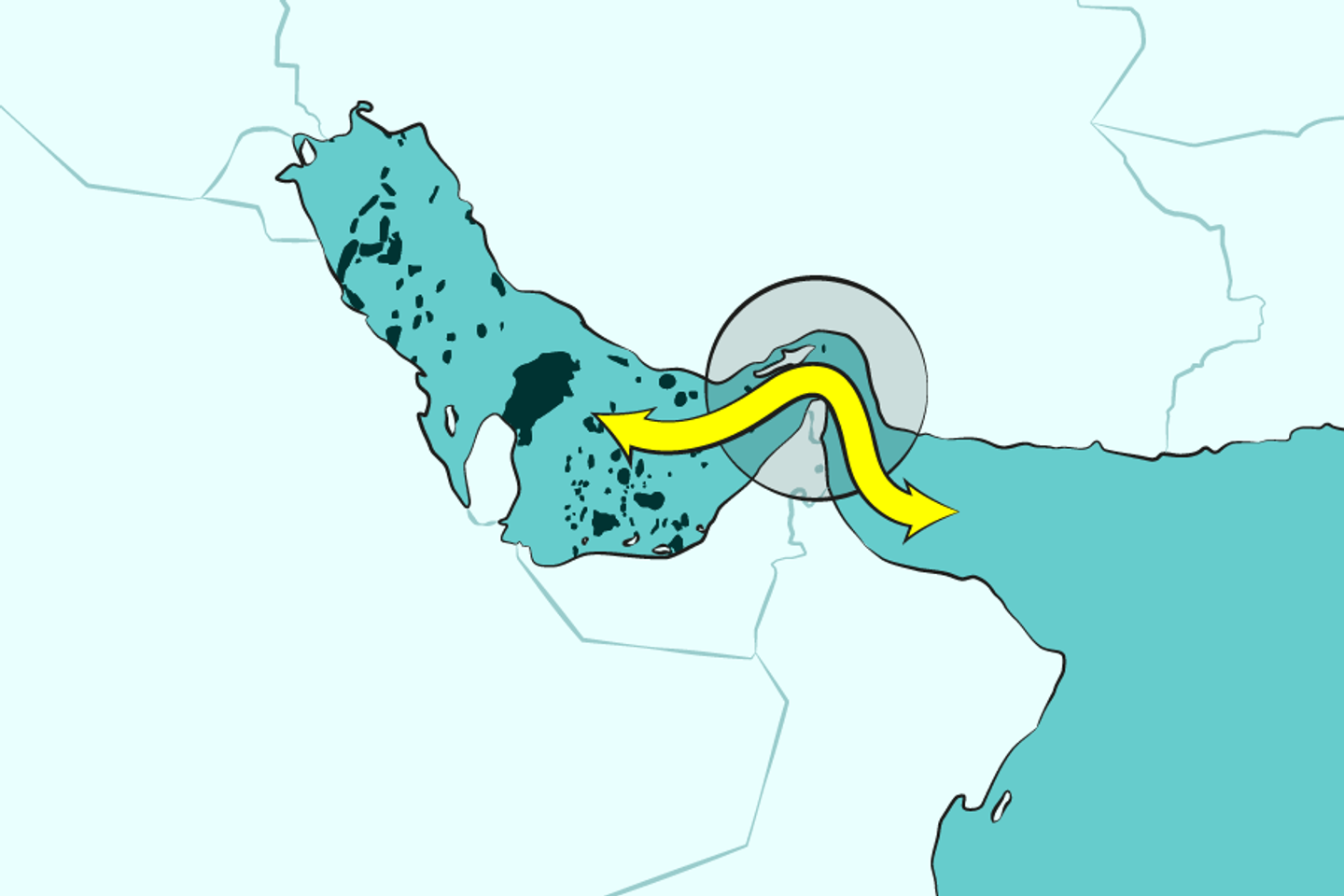
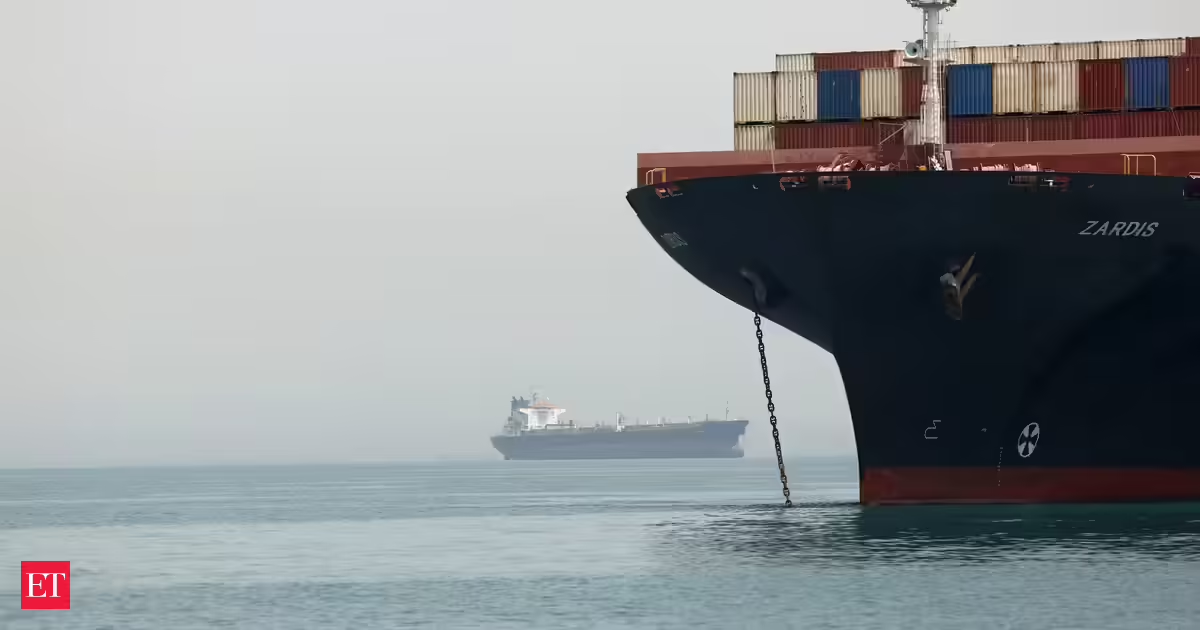
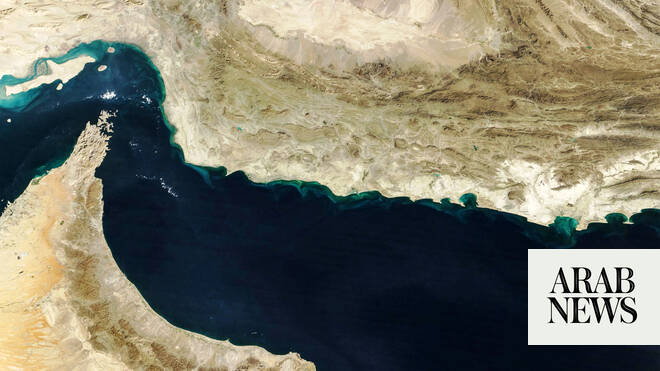
The Strait of Hormuz, which connects the Persian Gulf to the Arabian Sea, sees roughly 20 million barrels per day of oil and oil products pass through, accounting for nearly one-fifth of global oil shipments. Any move to block it would ripple through energy markets.
However, market watchers believe a full-scale disruption of global oil flows by closing the waterway is unlikely, and might even be physically impossible.
There really is “no net benefit” that comes with impeding the passage of oil through the Strait of Hormuz, especially given how Iranian oil infrastructure has not been directly targeted, said Ellen Wald, co-founder of Washington Ivy Advisors. She added that any such action would likely trigger further retaliation.
She also warned that any major spike in oil prices caused by a closure could draw backlash from Iran’s largest oil customer: China.