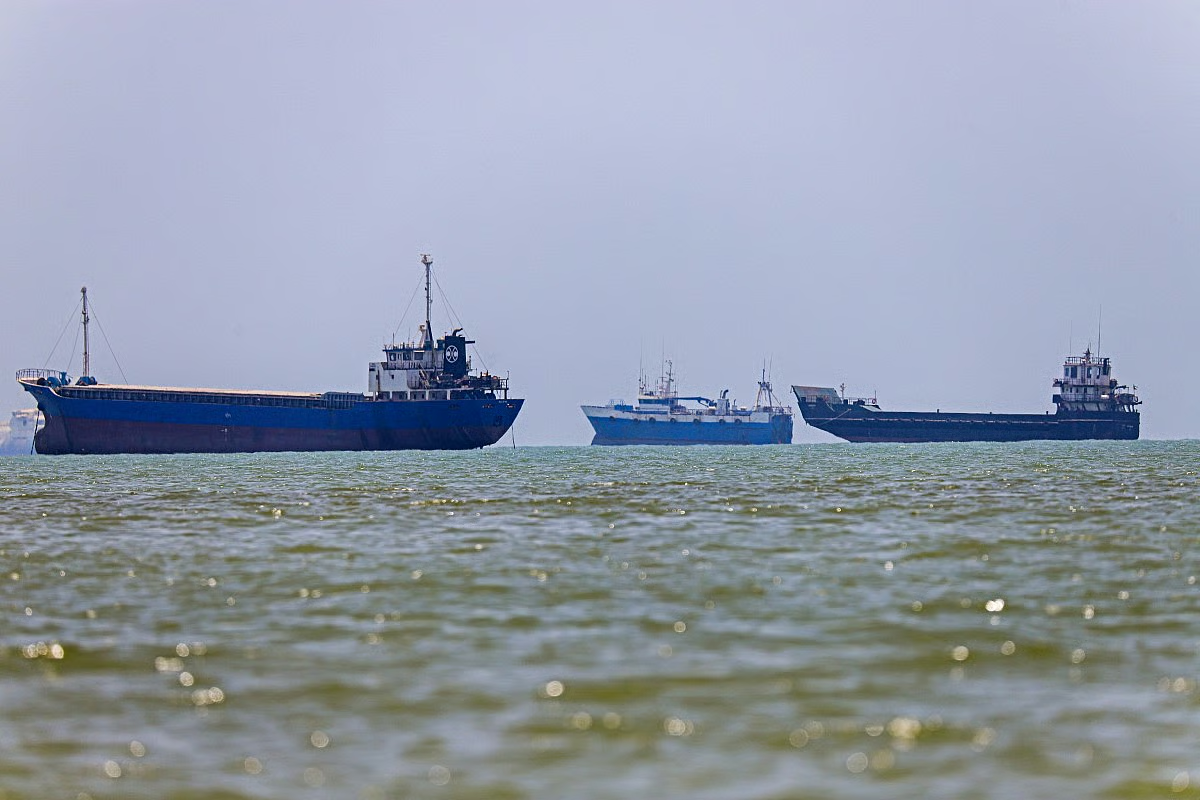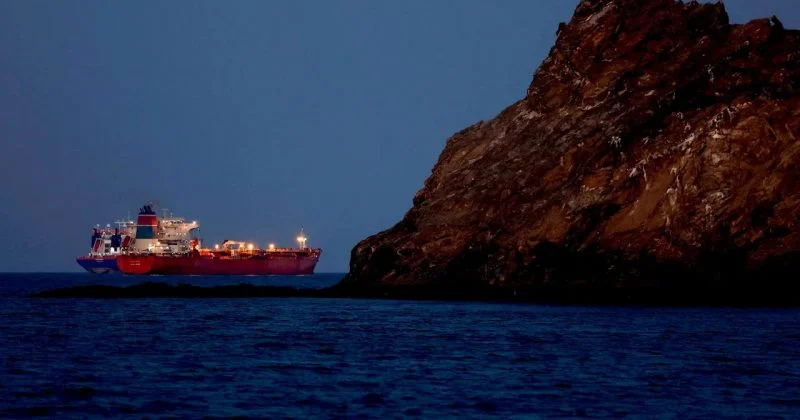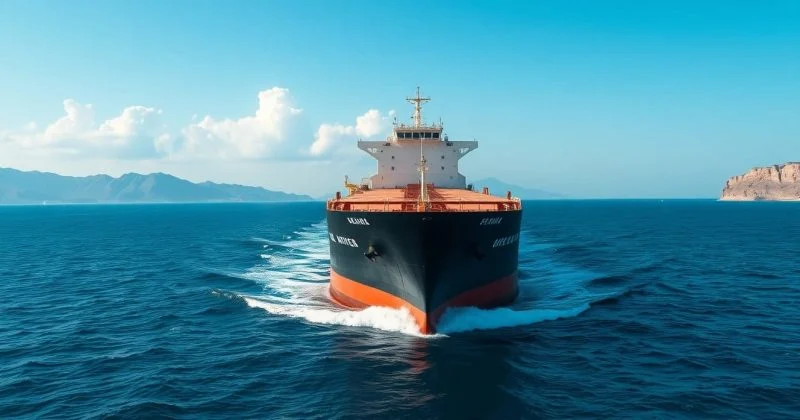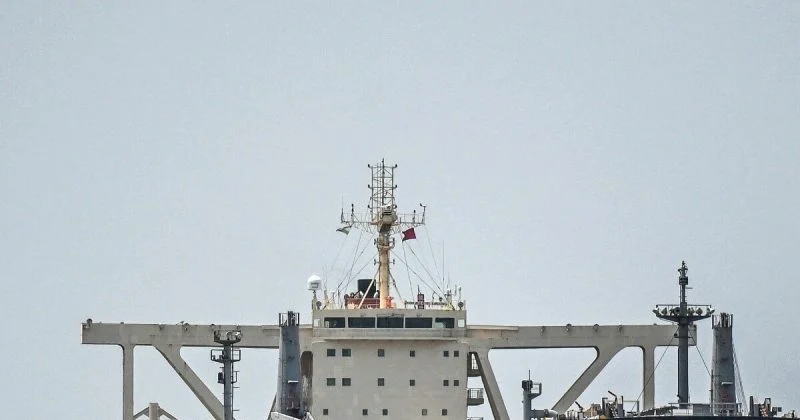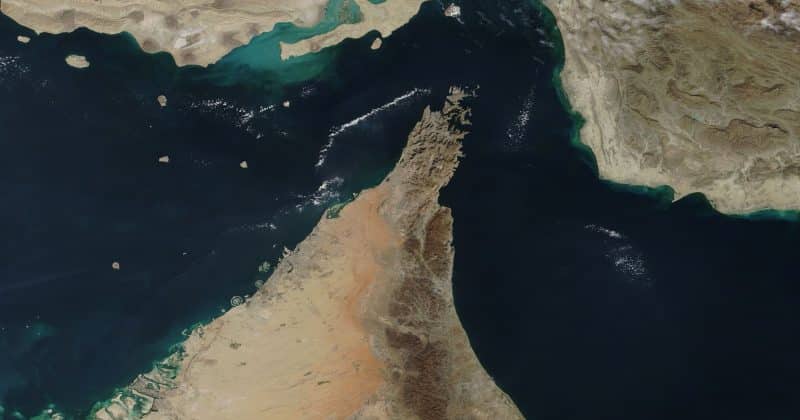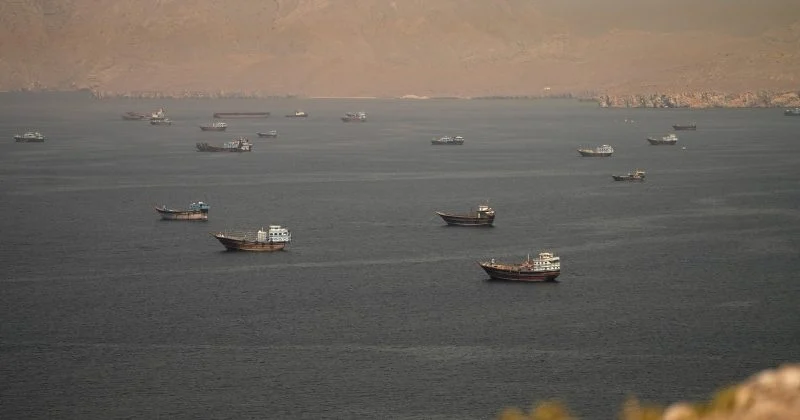
Iran has reached a new agreement to reopen the Strait of Hormuz, the narrow waterway through which roughly a fifth of the world’s oil supply passes daily. While early discussions pointed to a fee-free reopening, Iranian officials have since clarified that navigation through the strait will not be free of charge. The Iranian Foreign Minister stated explicitly that the final deal includes financial obligations, a significant pivot from the original no-toll premise that shaped early coverage of the agreement.
A new authority, a new toll booth
In May 2026, Iran established the Persian Gulf Strait Authority, or PGSA, a newly created body tasked with managing shipping approvals and collecting transit fees.
Reports from April 2026 indicated that intermediaries linked to the Islamic Revolutionary Guard Corps had begun accepting toll payments in crypto assets. The reported rates started at approximately $1 per barrel of oil transported, or roughly $2 million per vessel. Payment methods reportedly include stablecoins and yuan-denominated instruments, creating a dual-track system that sidesteps the US dollar-dominated financial infrastructure that underpins most international sanctions enforcement.