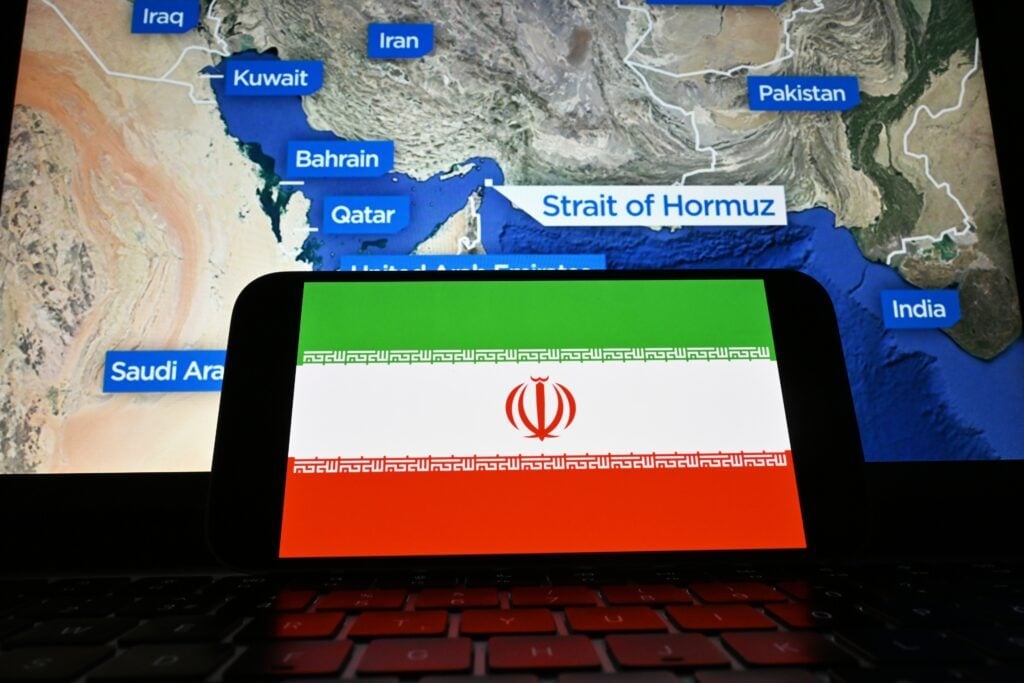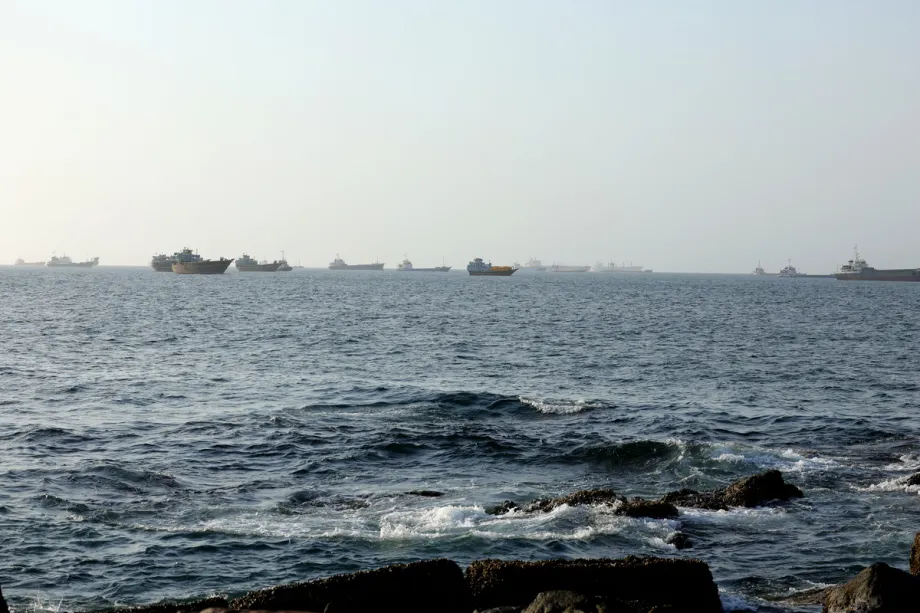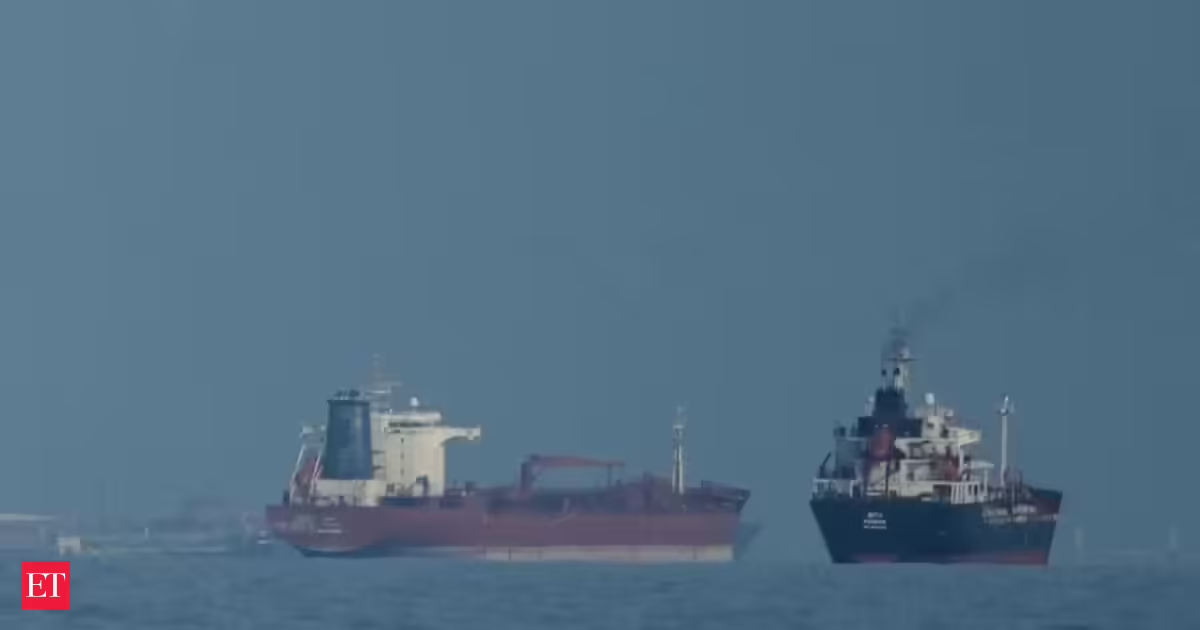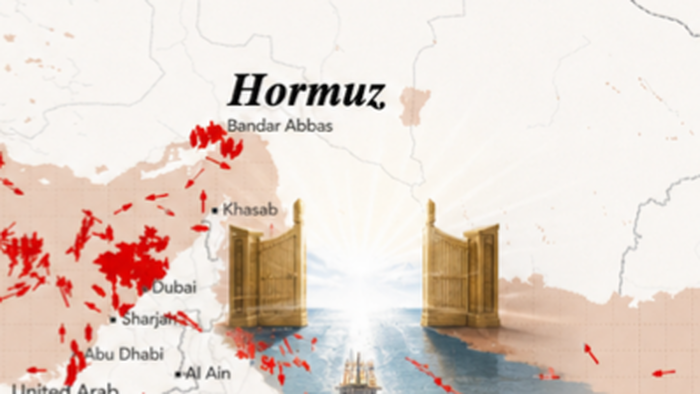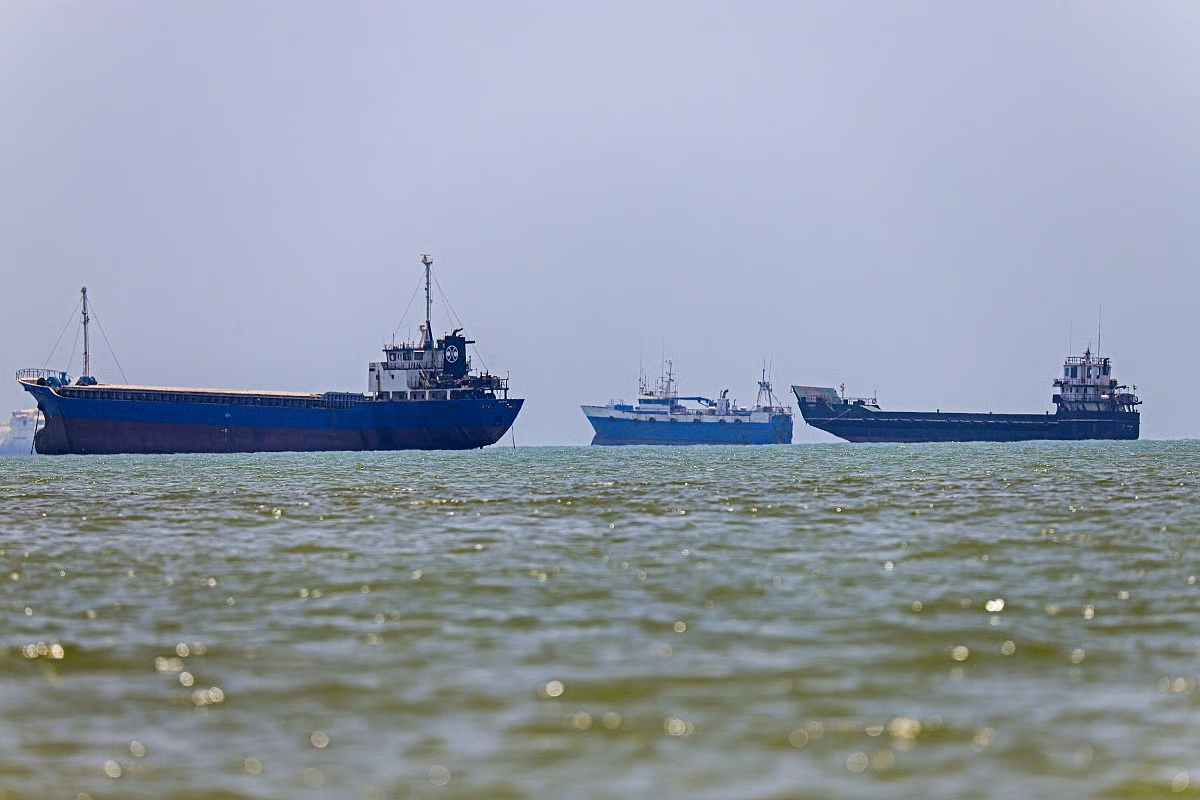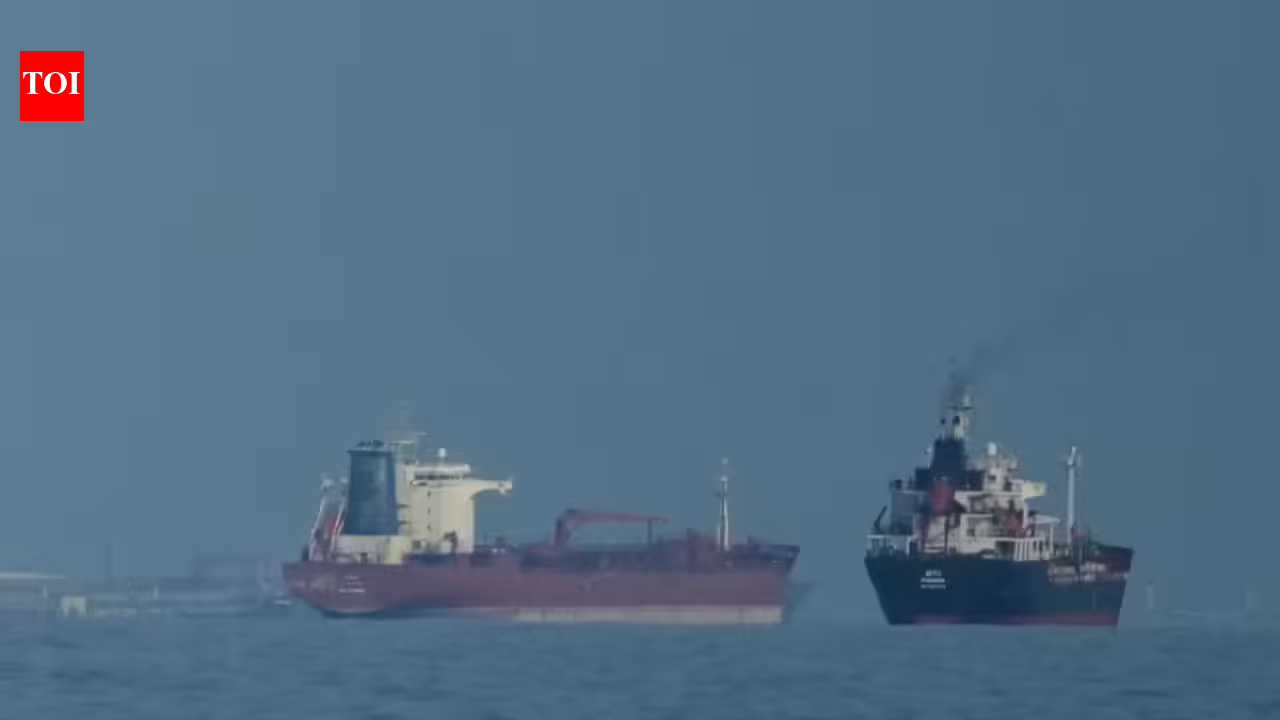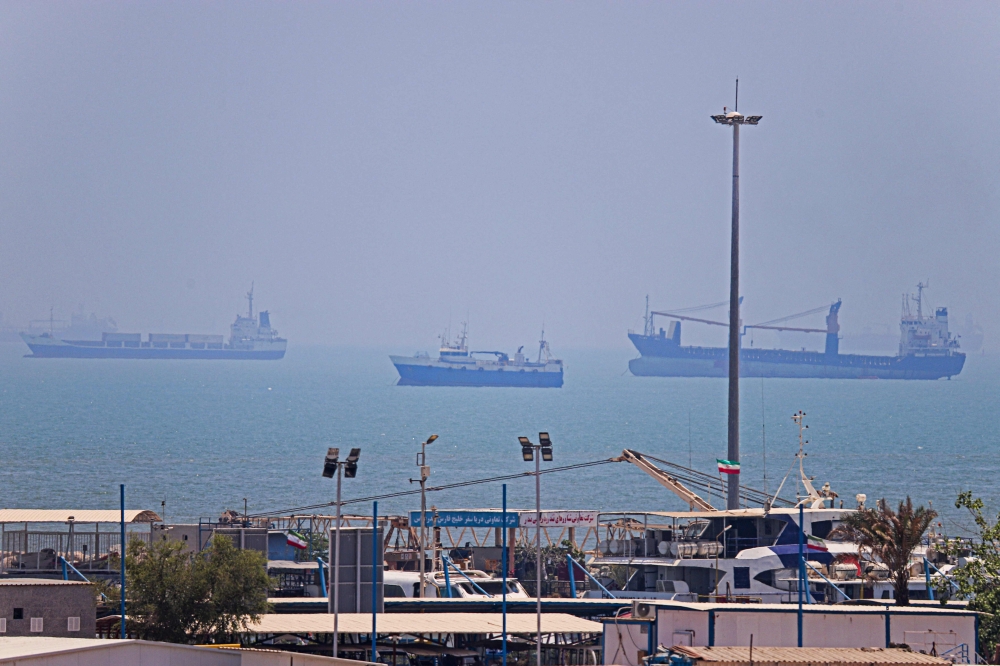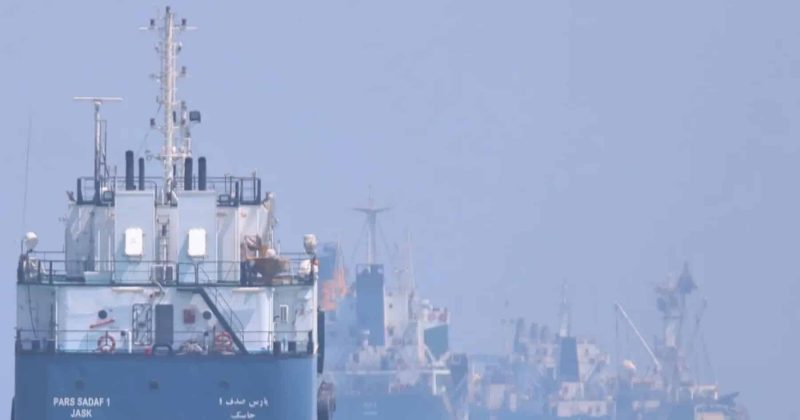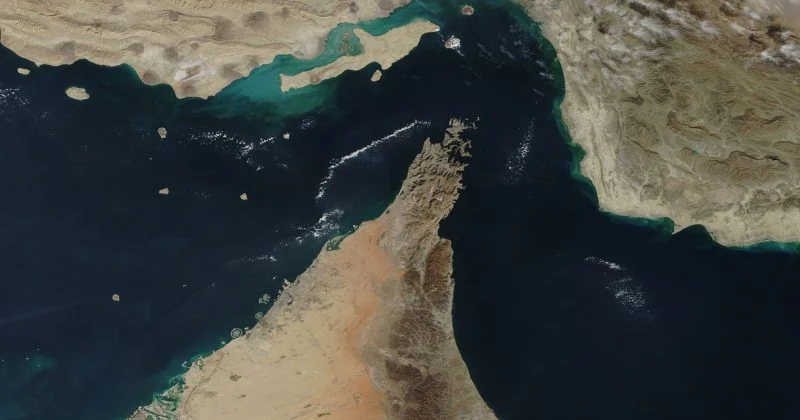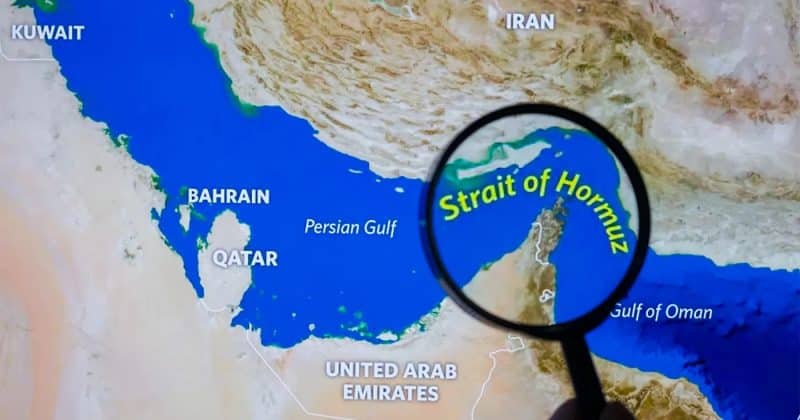
Iran is offering ships a 60-day window to pass through the Strait of Hormuz without paying transit fees, a concession tied to ceasefire negotiations with the United States that could ripple across energy markets, shipping lanes, and the crypto industry.
What Iran has been charging, and what it’s giving up
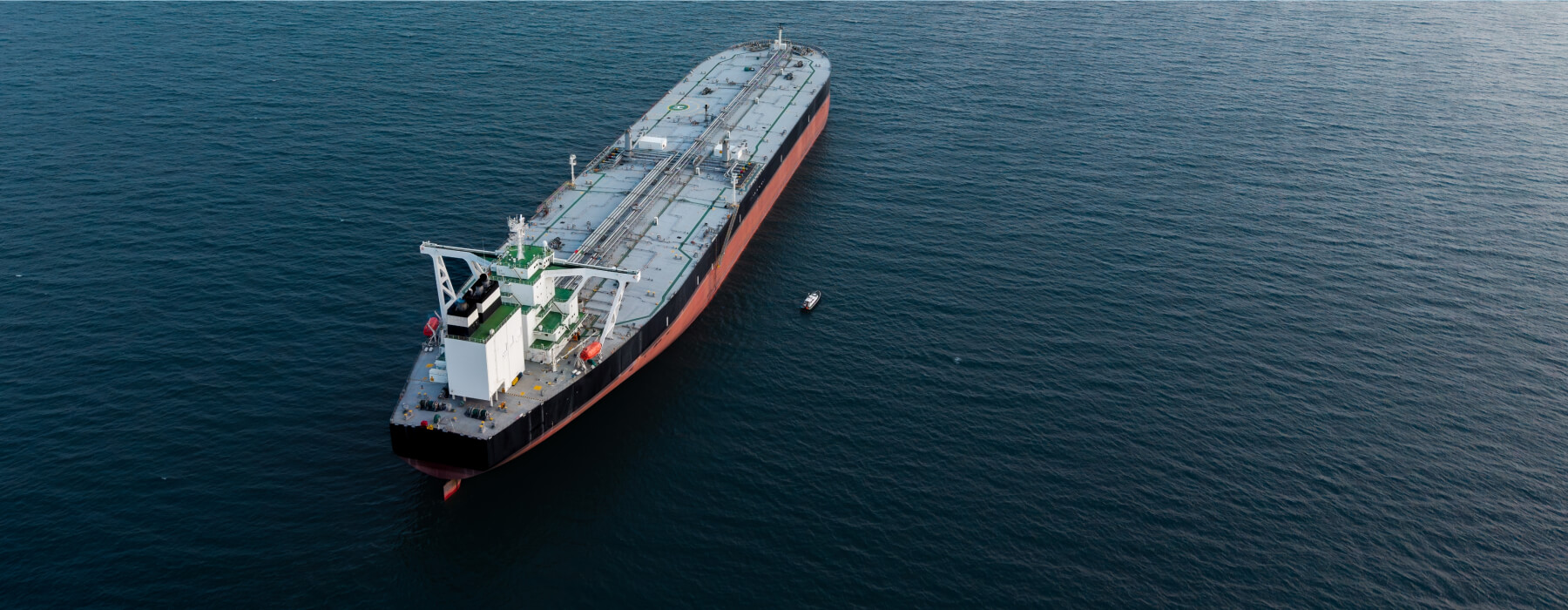
Before this proposal, Iran had been collecting transit tolls through what it calls the Persian Gulf Strait Authority. The fees averaged around $1 per barrel of oil passing through, which translates to roughly $2 million per supertanker.
The strait sees somewhere between 9 and 20 million barrels of oil transit daily. The US, for its part, has signaled it would end its naval blockade as part of the broader ceasefire framework. The two sides are also reportedly discussing eased sanctions and a potential resumption of nuclear negotiations.
Oil prices dipped following the announcement, which tells you the market’s immediate read: more oil flowing freely through the strait means less supply risk priced into crude.